10 Years Later, The Visit’s Found‑Footage Gamble Quietly Saved M. Night Shyamalan’s Career
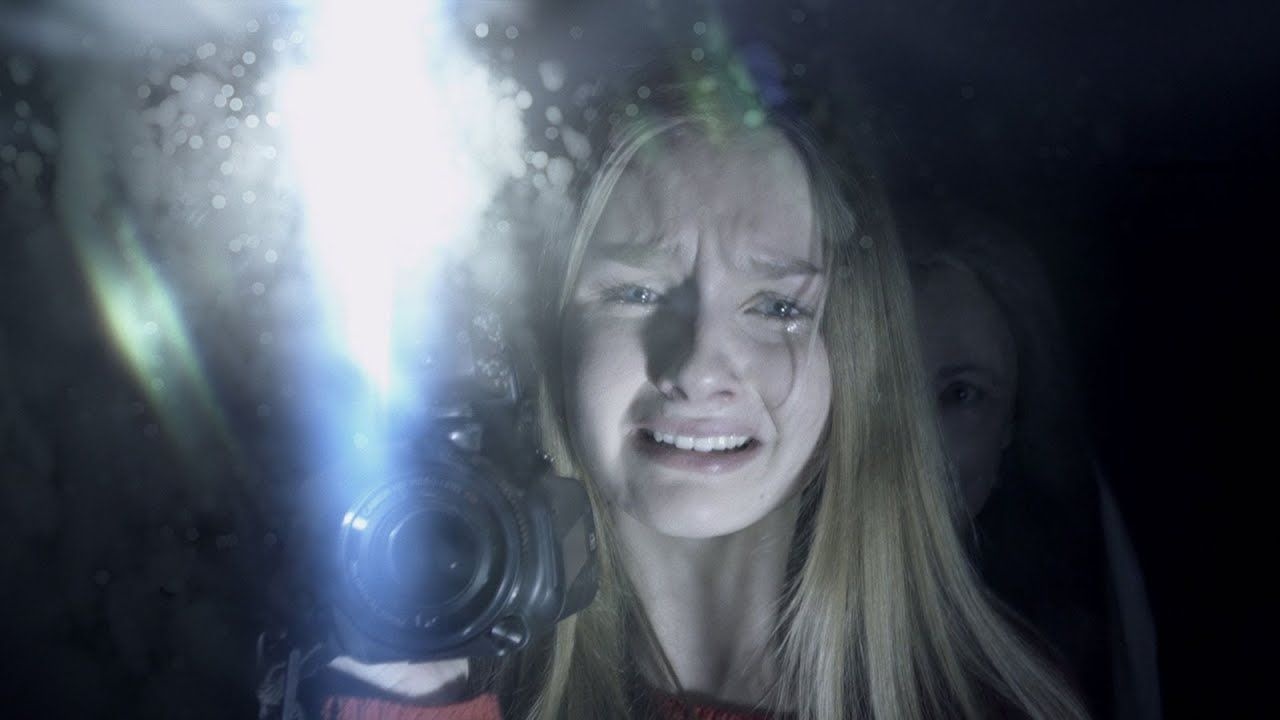
Ten years after its release, M. Night Shyamalan’s found-footage film The Visit is still discussed as the movie that reset his career trajectory. The film returned him to small-scale horror and used a home-video style to tell a domestic, Hitchcock-like story from the point of view of two siblings.
Background
Before The Visit, Shyamalan had a string of widely discussed films that changed public perception of his work. A notable moment came during the run of The Village (2004), which recorded a 68% second-weekend drop in box office receipts.
After that, Shyamalan directed several high-profile releases: Lady in the Water, The Happening, The Last Airbender, and After Earth. Those films drew strong public reactions and extended discussion of his career arc.
Making the film
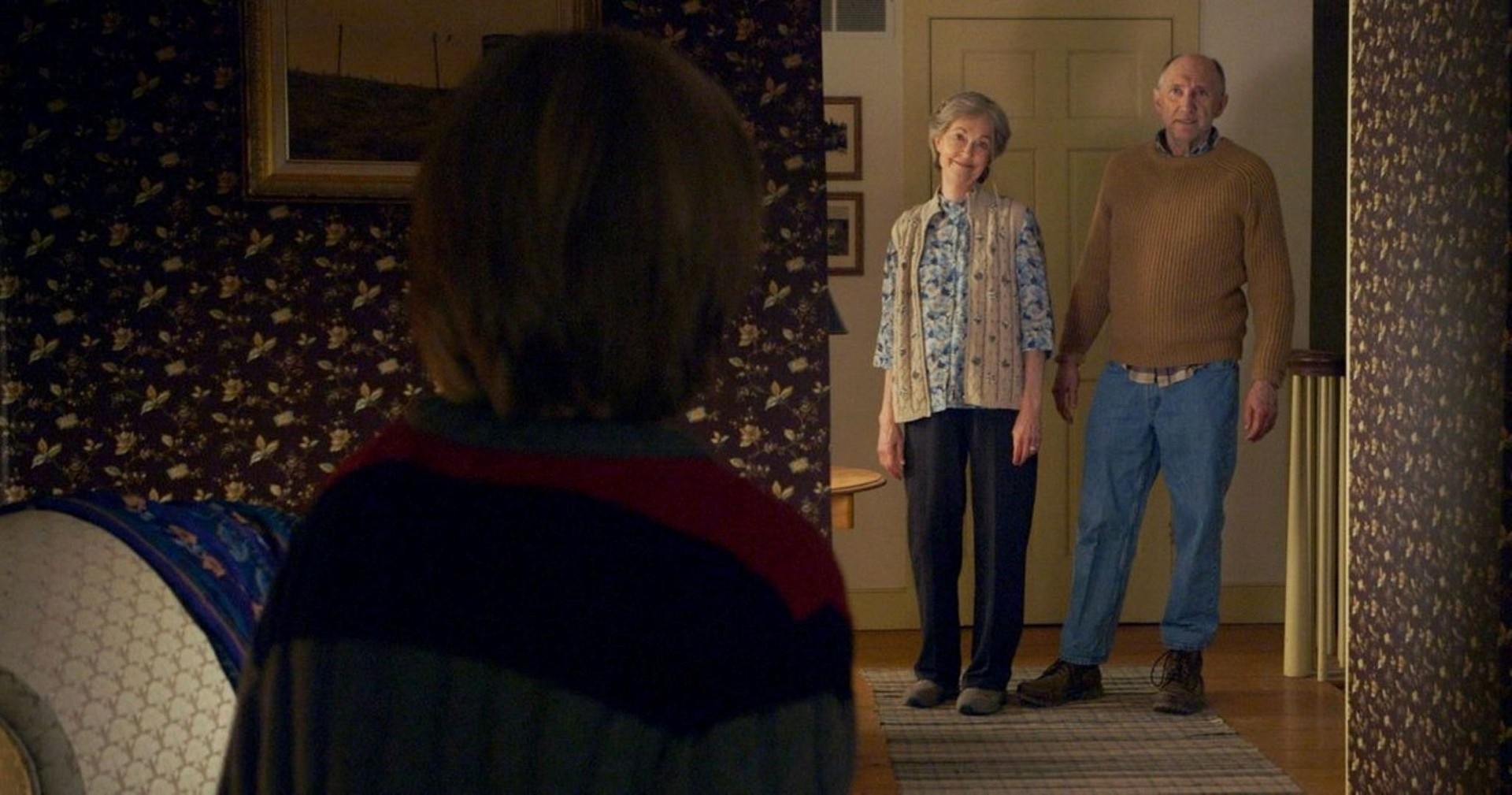
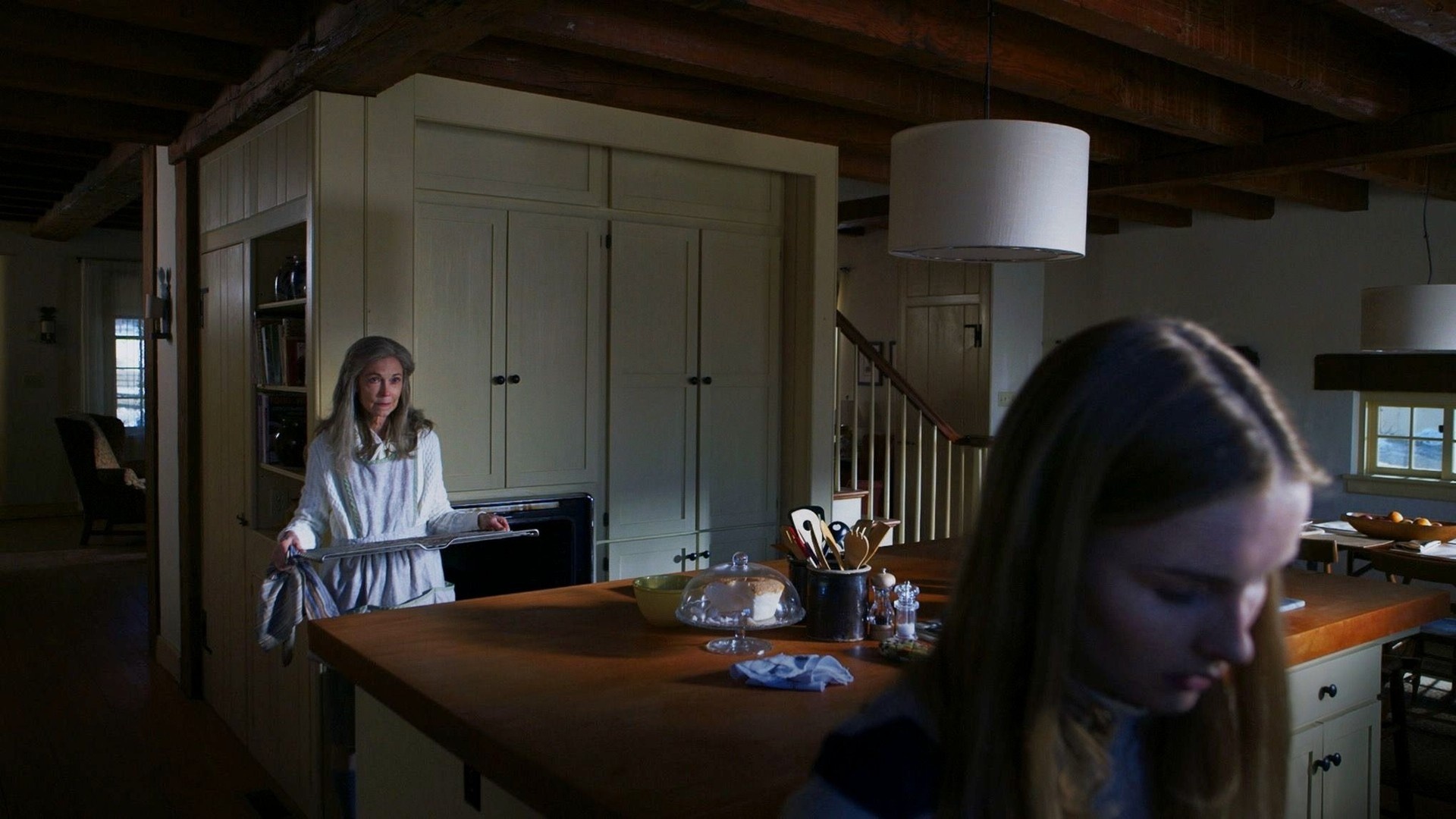
The Visit was released in 2015. It is presented as a found-footage thriller that follows two siblings: Becca, played by Olivia DeJonge, and her younger brother Tyler, played by Ed Oxenbould. They visit their estranged grandparents, Nana (Deanna Dunagan) and Pop Pop (Peter McRobbie), at a remote farmhouse.
The story includes the family’s fractured history: the grandparents had a falling out with their daughter Loretta, played by Kathryn Hahn, and the kids arrive to reconnect. Becca, an aspiring filmmaker in the story, records the visit as a documentary project.
Production choices included a collaboration with cinematographer Maryse Alberti, who also worked on other high-profile films and had a credit on Creed in the same year. The film used footage from multiple cameras and combined fixed and handheld shots.
Style and structure
The film runs about 94 minutes. It deliberately blends amateur-looking footage with composed shots. At times the camera is fixed in one place so the audience sees only part of the scene and, as Becca says in the film, “forces us to imagine what’s beyond the frame.”
Shyamalan mixes humor and suspense. The script includes on-screen day counters that show entries like “Tuesday morning,” and “Wednesday morning.” The film’s final sequence cuts between a static shot and more chaotic handheld footage, and it concludes with a plot revelation that functions as a twist.
Legacy
After The Visit, Shyamalan continued to make smaller, genre-oriented films. Subsequent titles include Split, Glass, Old, and Knock at the Cabin. Institutions such as Lincoln Center have organized retrospectives of his work.
The Visit is also noted as the film where Shyamalan began self-financing his projects, a change that affected his production approach in later films.