15 Years Later, Wes Craven’s Most Misunderstood Film Is Finally Getting Reappraised
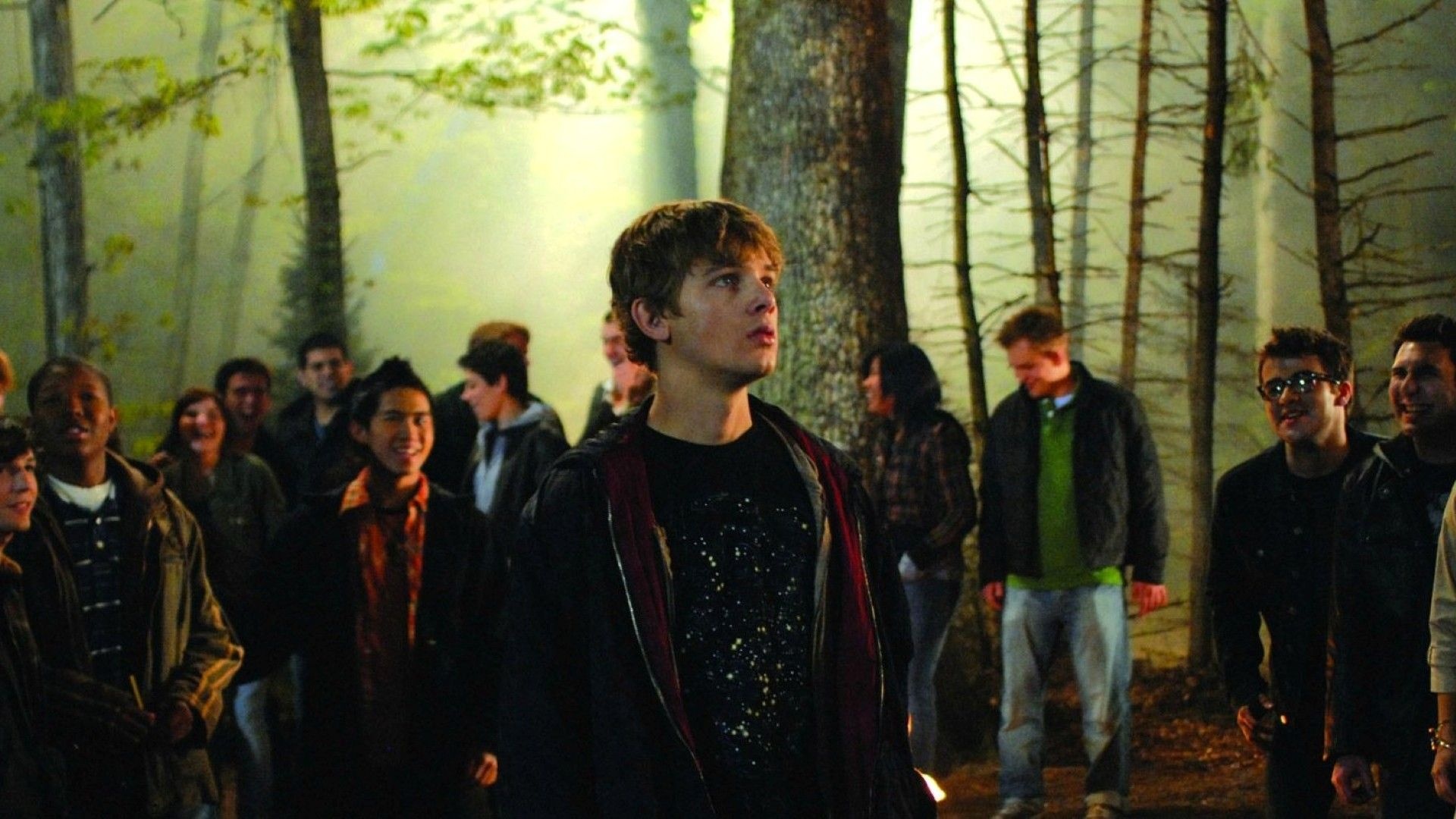
Wes Craven’s My Soul to Take is a 2010 horror film that mixed familiar genre elements but opened to confused audiences, poor reviews, and weak box office returns; now, 15 years on, some critics and viewers have revisited the film and its place at the end of Craven’s career.
- Production and interview
- Reception
- Cast and characters
- Themes and notable scenes
- Further reading and analysis
Background
My Soul to Take was released in 2010 and was Wes Craven’s first feature that he both wrote and directed since 1994, when he made New Nightmare. The film was intended to blend elements of Craven’s earlier work, especially motifs familiar from the Nightmare on Elm Street and Scream series. However, upon release it reached audiences that reacted with confusion, and it did not perform strongly at the box office.
Plot
The film’s premise opens with a serial killer known as the Ripper, a man described as having multiple personality disorder, who is eventually caught and killed. On the same night, seven babies are born at a local hospital. Sixteen years later, those children — called the “Riverton Seven” — are teenagers and tied together by an annual ritual that reenacts the Ripper’s death. Then, members of the group begin to be murdered one by one.
Production and interview
Craven wrote and directed My Soul to Take. According to reporting, he followed this film with Scream 4 about six months later. Craven did not publicly denounce the movie after its release. In an interview timed to Scream 4 he said, “When you do a film like My Soul to Take and people think it sucks, that hurts. We put a lot of work into it and it’s a good film, but you go on.”
That interview is available via Collider.
Reception
Critics and audiences initially responded with mixed to negative reactions. Reviews described the film as confusing in places due to fast exposition and murky plot details. Reviewers also noted that the film’s attempts to blend a masked-killer whodunit with subjective, Nightmare-style hallucinations made the narrative harder to follow. Nevertheless, some commentators later re-evaluated the film and offered different readings of its themes.
Cast and characters
Key young cast members include Max Thierot (nicknamed “Bug”), John Magaro (Alex), Paulina Olszynski (Brittany), Zena Grey (Penelope), Emily Meade (Fang), and Nick Lashaway (Brandon). Critics pointed out that performances from the young cast were uneven, which some reviews said limited clarity in portraying the film’s idea of multiple or shifting souls.
Themes and notable scenes
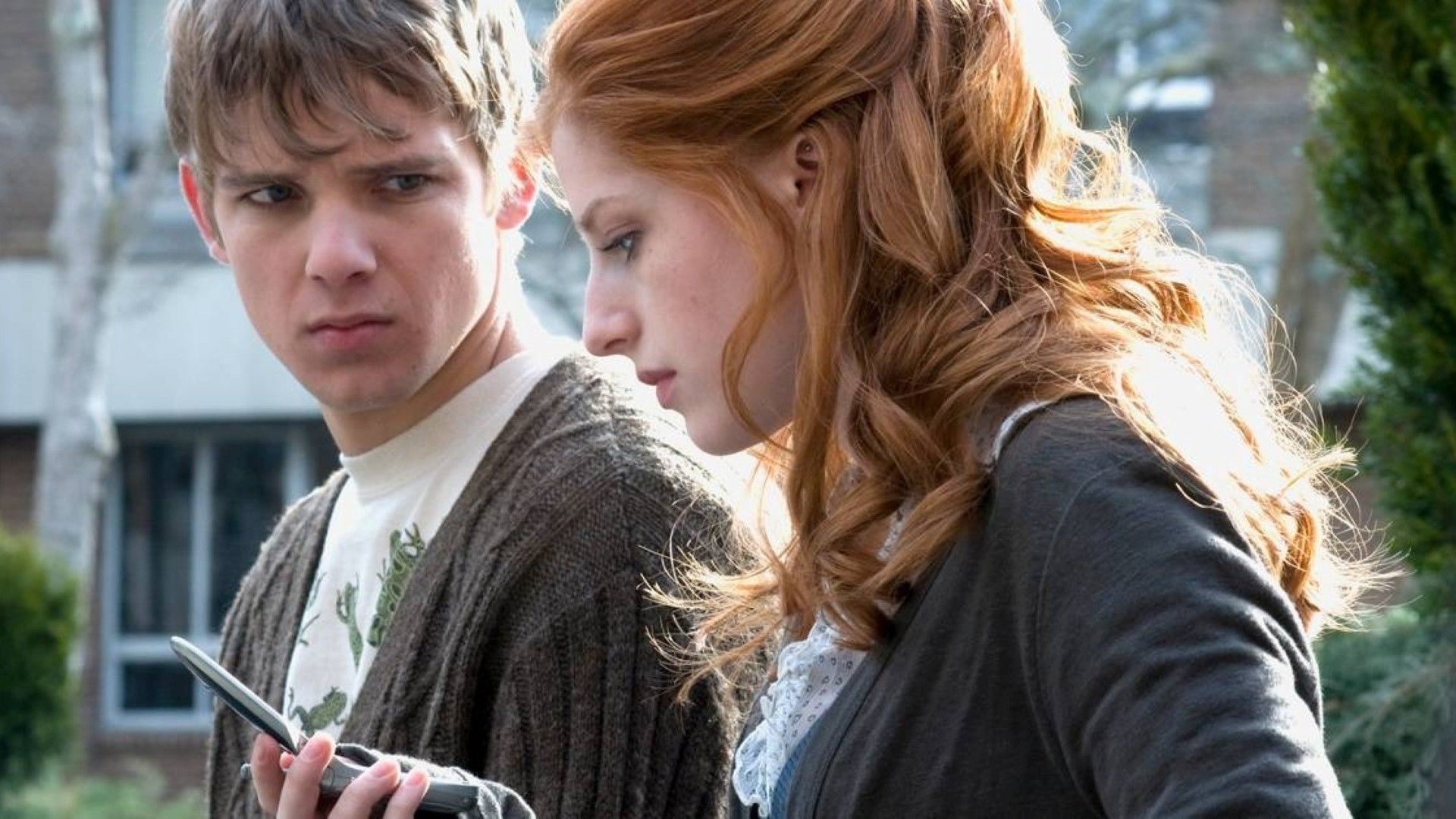
The film mixes two main threads: a masked killer who stalks and kills teenagers, and a group of teenagers haunted by a shared local history. As a result, the story alternates between slasher set-pieces and subjective visions experienced by the central characters. For instance, the character Bug begins seeing classmates in mirrors and other strange places after they die, which complicates simple alibi logic.
One specific scene that critics and viewers mention often shows Bug and Alex presenting a biology project in which Alex is dressed as a California condor; the sequence ends with a classmate being splattered with an unknown substance while the boys discuss the bird’s scavenging habits. That scene has been cited as an example of the film’s occasionally strange tonal shifts.
Further reading and analysis
Film critic Scout Tafoya discussed My Soul to Take in his Unloved video series and offered a reading that treats parts of the film as autobiographical for Craven. That analysis is available via Tafoya’s Unloved episode. For Craven’s own comments about the movie and its reception, see the Collider interview linked above.