20 Years Later, D&D’s Epic Level Handbook Still Lets Players Design Godlike Spells
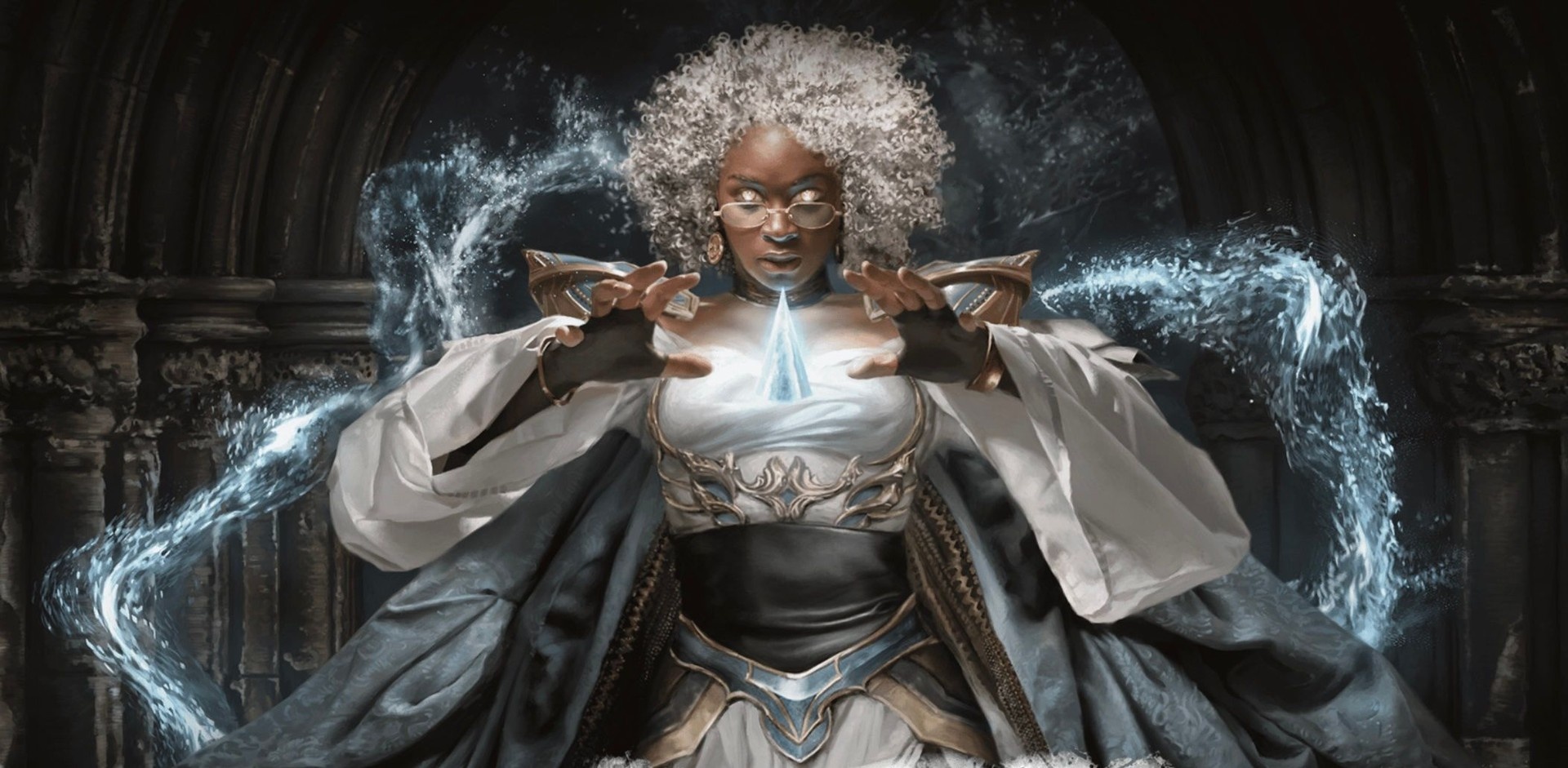
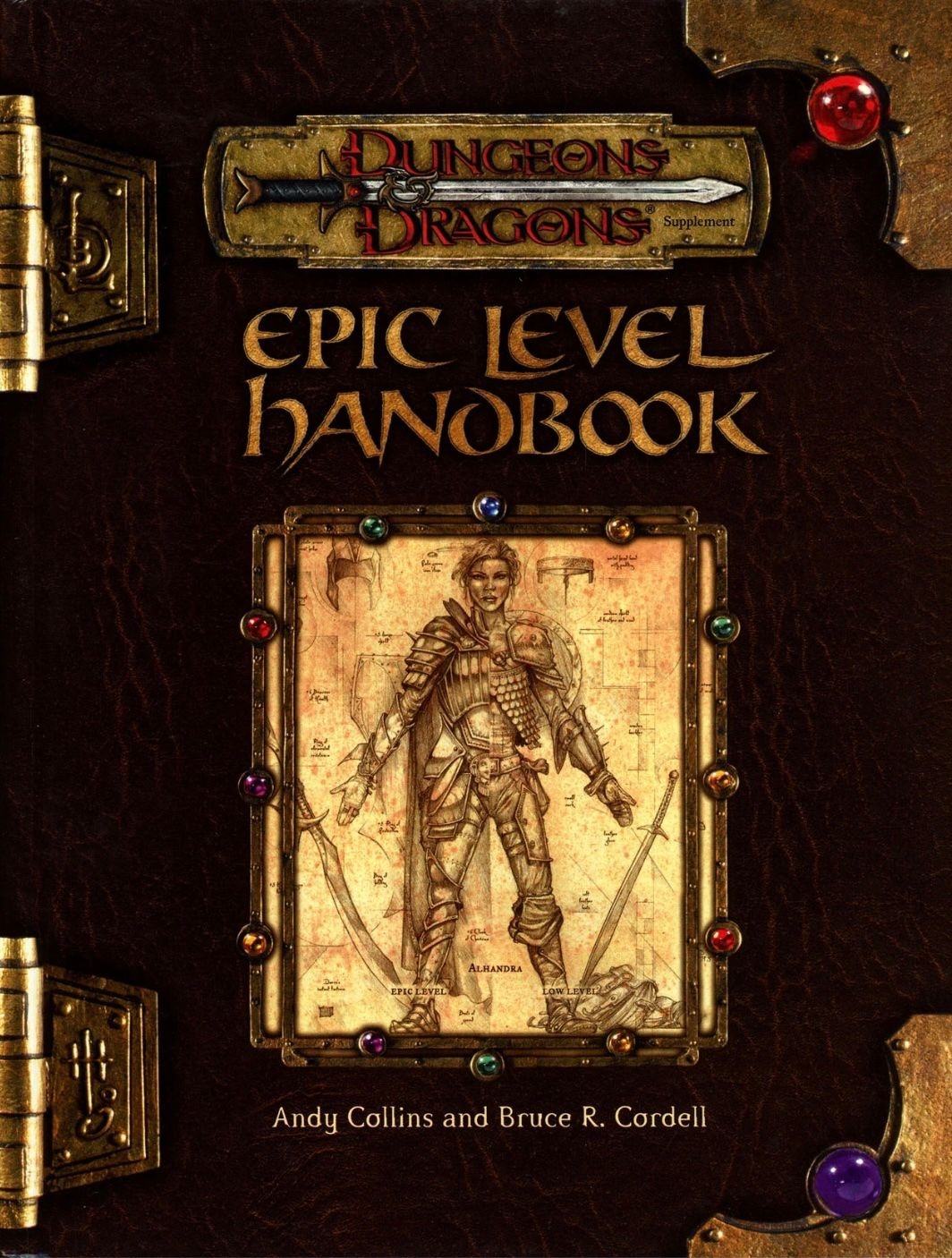
Wizards of the Coast gave Dungeons & Dragons players a framework to design massively powerful spells with the D&D 3rd Edition Epic Level Handbook, and that system still gets talked about more than two decades later. The book broke magic into modular “seeds,” offered example spells, and set clear rules for cost, casting time, and collaboration.
Epic spell seeds
The handbook divided epic magic into 24 seeds, which are building blocks used to create custom, high-level spells. Each seed represented a magical function, and designers combined them to form effects. For example, Crown of Vermin used the summon and fortify seeds to surround the caster with biting insects. Meanwhile, Damnation combined foresee, transport, and compel to send a target to an infernal fate.
How epic spells worked
Epic spells were developed through a formal process. The overall cost and difficulty depended on the number of seeds used and on modifiers such as duration and casting time. Additionally, designers could offset costs in several ways: by requiring costly material components, by allowing the spell to cause backlash damage to the caster, or even by having the spell drain the caster’s experience points.
Furthermore, recruiting other spellcasters reduced the individual burden. Therefore, epic spell creation often encouraged cooperation and in-game arrangements between powerful characters.
Balance and play impacts
Those rules were flexible, and therefore they could be unbalanced. For instance, epic magic could be used to move characters between timestreams or to grant a party persistent defensive effects like permanent spell resistance or damage reduction. Because of that flexibility, many groups applied house rules to preserve challenge and campaign flow.
Dungeon Masters also used the system to make enemy casters feel unique. An example cited by players is an archmage using an epic spell called Scour to both strip buffs and deal direct damage, which produced a different kind of threat than standard high-level spells such as Energy Drain or Meteor Swarm.
Finally, most published adventures focus on lower levels, so reaching the epic tiers remains relatively uncommon in organized play and many home campaigns.
Legacy and continued use
In short, the Epic Level Handbook introduced a modular spellcraft system that let players design custom, ritual-style magic. It emphasized research, expense, and collaboration, and it gave DMs tools to create memorable high-level encounters. As a result, the handbook continues to be referenced by players and GMs interested in epic-level play and custom spell creation.