21 Years Later, Katamari Damacy’s Simple Design Reveals the Secret to Its Endless Charm
“Play Katamari Damacy,” they said. “It’s weird; you’ll love it!” they said. They were right: Katamari is a small, unusual game made by Keita Takahashi that first appeared on PlayStation 2 and asks players to roll a sticky ball — the katamari — to collect objects and rebuild the stars.
Premise and release
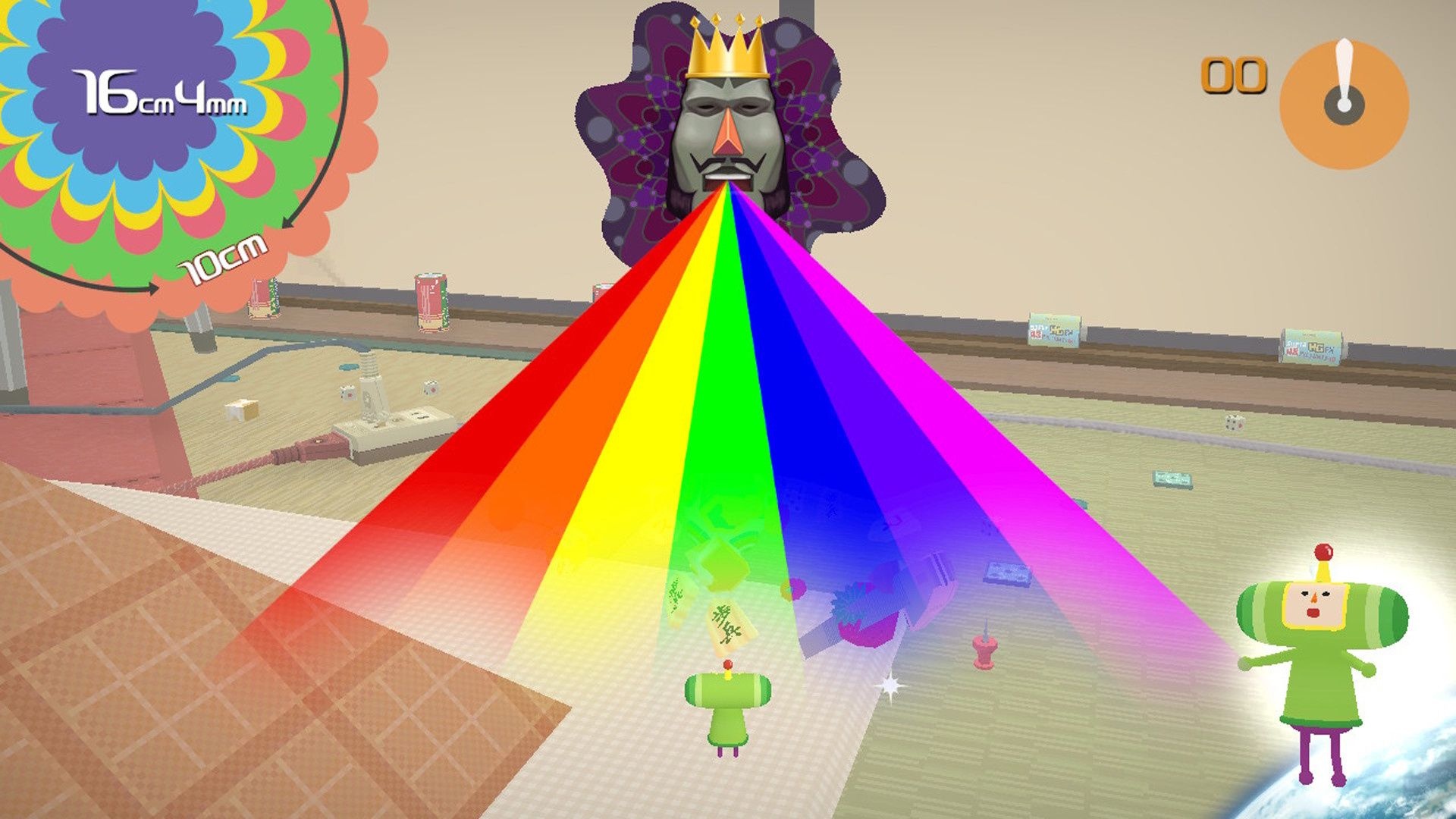
Katamari Damacy was released for PlayStation 2 in 2004. It was developed by Namco with designer Keita Takahashi credited for the game’s concept and direction. The player controls the Prince of All Cosmos and must rebuild stars after the King of All Cosmos accidentally scatters them. To do this, the player rolls a katamari that picks up everyday objects until it reaches a target size for each level.
Core mechanics
The game uses a few clear rules. First, items stick to the katamari when the ball is large enough. Second, each level has a minimum size requirement to complete it. Third, player input is limited: move, change direction, and boost speed. As the katamari grows, new classes of objects become collectible.
Controls and player learning
There is no long tutorial. Instead, players learn by doing. Consequently, the game encourages players to explore each small level and experiment with route, timing, and momentum. For example, rolling around a house before moving into a yard can help the katamari reach a useful size earlier in a run.
Level goals
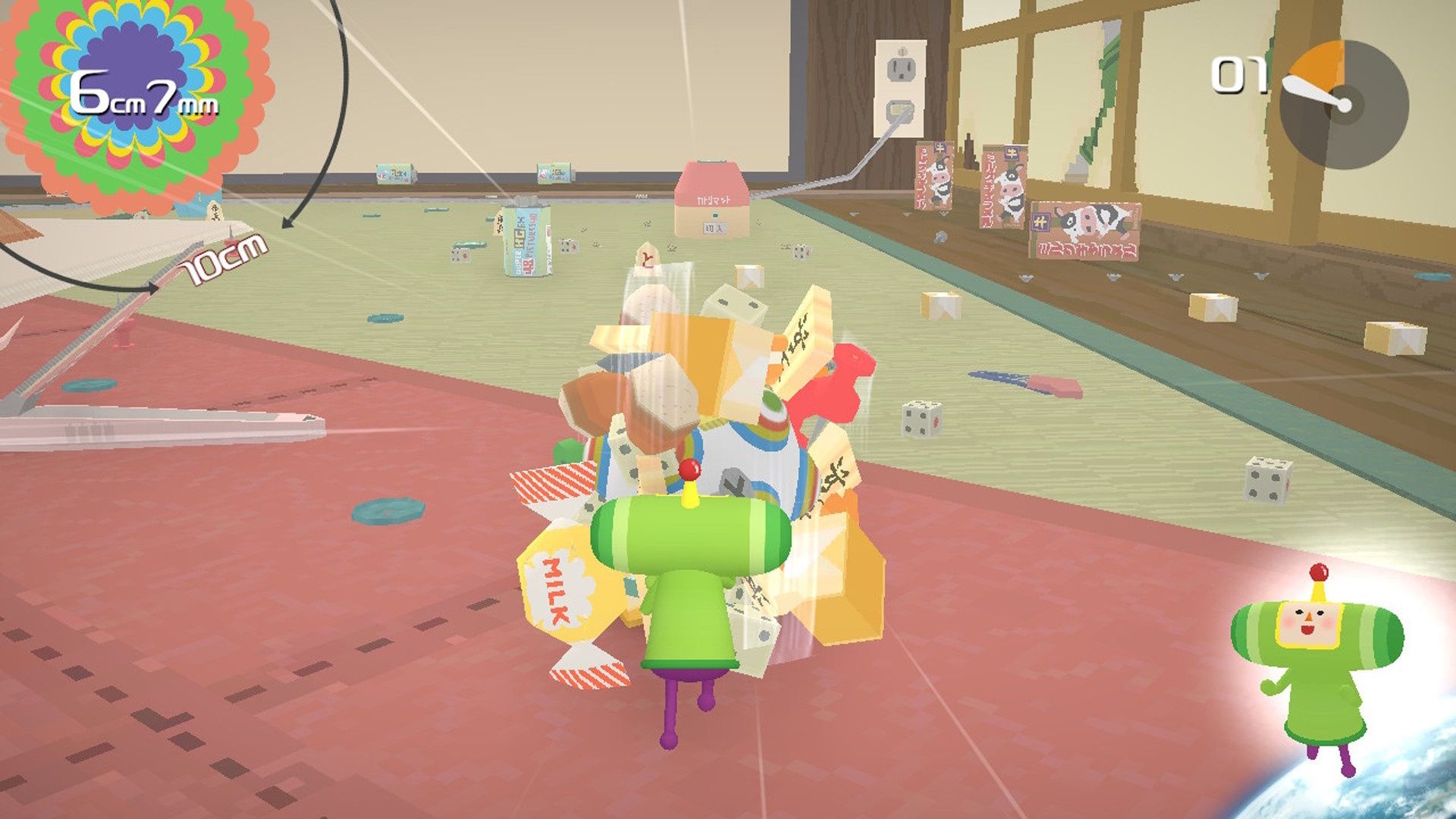
Each stage sets a time limit and a target katamari size. Meeting the minimum produces a star for the Prince. Beyond that, players can continue to grow the katamari to absorb larger items and cover more of the level. In short, the game balances clear short-term goals with a simple long-term incentive to get bigger.
Design and incentives
Katamari Damacy’s design emphasizes simplicity. Because there are only a handful of actions, players focus on spatial learning and incremental improvement. The reward loop is direct: larger katamari let you absorb larger objects, which lets you grow faster and access more of the environment. This structure creates a clear, measurable form of progression.
Moreover, the game pairs that mechanic with playful presentation. The juxtaposition of ordinary household items, animals, and city objects creates a visible and immediate sense of escalation as the katamari expands.
Where to play
The original Katamari Damacy was released on PlayStation 2. A modern remake, Katamari Damacy Reroll, is currently available on Nintendo Switch, PlayStation 5, Windows PC, and Xbox Series X.
For factual reference, the game’s creator is Keita Takahashi and the original release platform was PlayStation 2. The game presents stage-based goals, object-sizing rules, and a simple control set that together define its core experience.