25 Years Later, Baldur’s Gate II Is Still Making Me a Better Dungeon Master — Here’s How
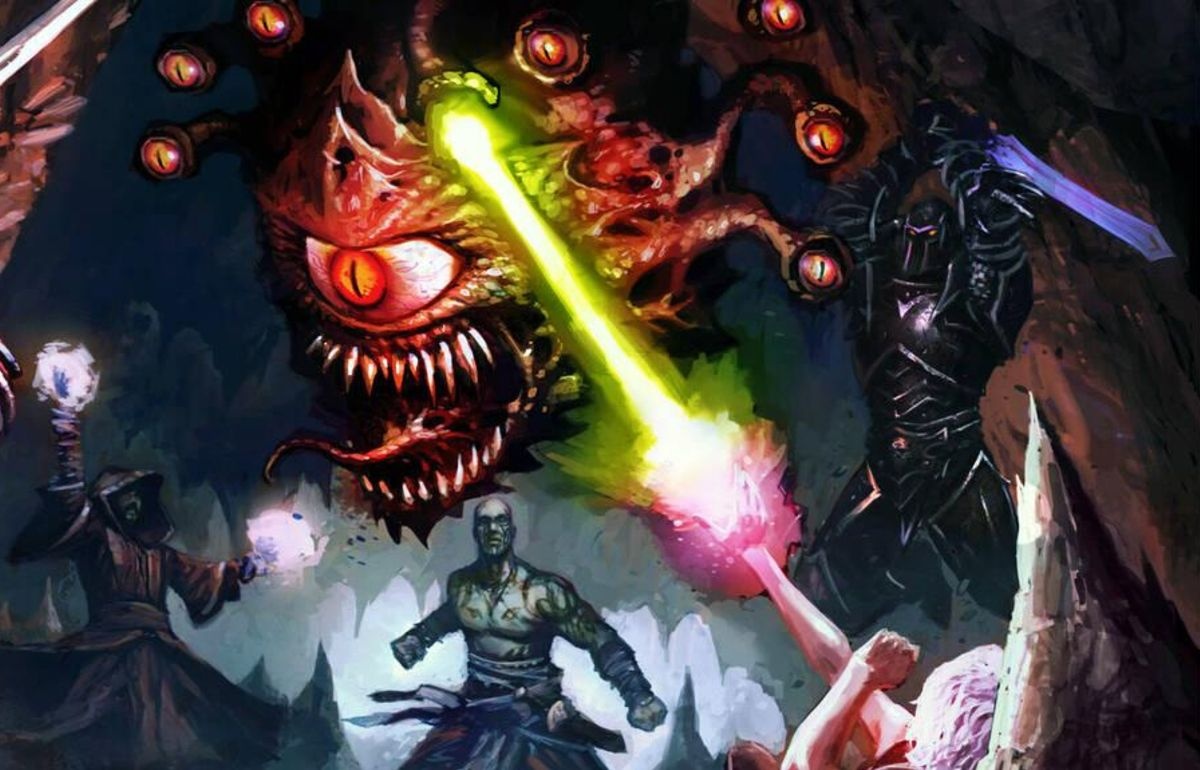
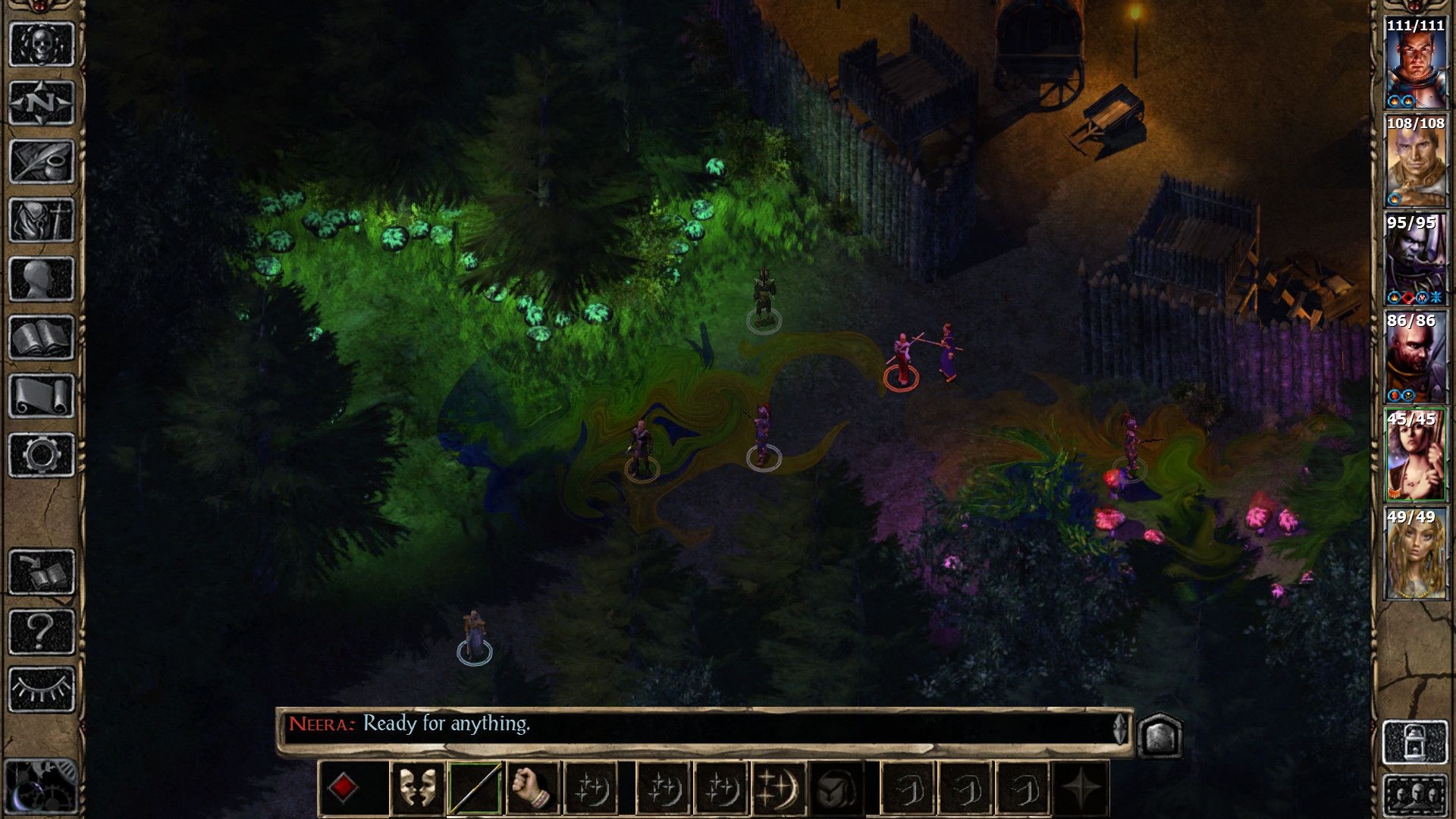
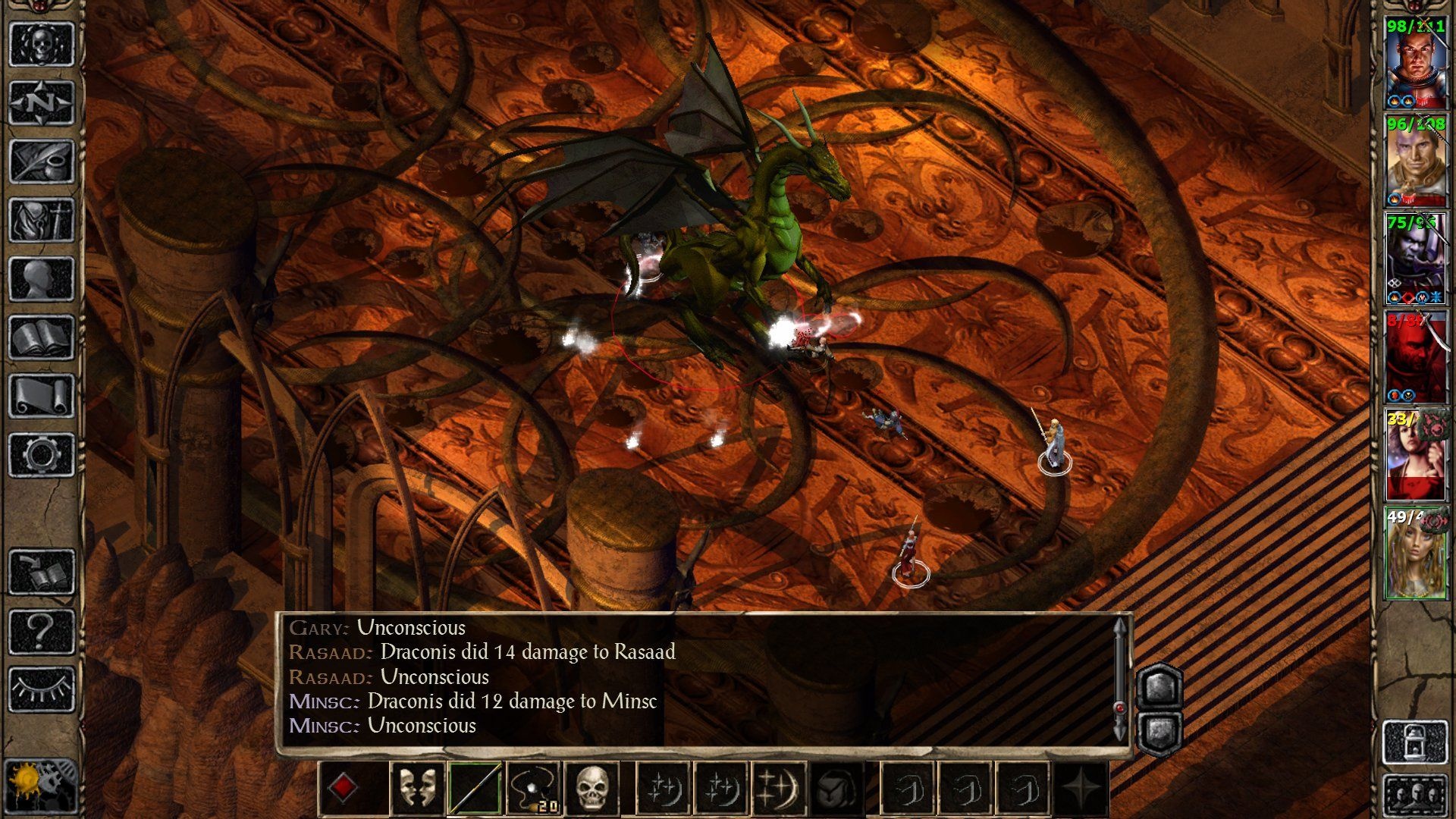
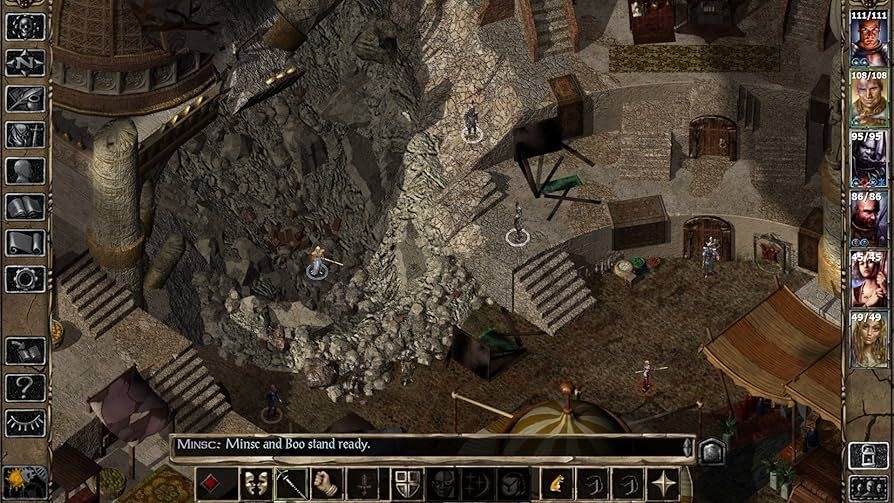
September 2025 marks the 25th anniversary of Baldur’s Gate II: Shadows of Amn, a computer role-playing game originally developed by BioWare and released in 2000. The game implements many elements of Advanced Dungeons & Dragons 2nd Edition, uses real-time combat with pause, and features a party of recruitable companions with individual dialogue and quests.
- Release and system
- Companions and narrative design
- Influence on tabletop D&D
- Design lessons for DMs
- Images
Release and system
Baldur’s Gate II: Shadows of Amn was released in 2000 by BioWare. The game’s ruleset is based on AD&D 2nd Edition, and many tabletop mechanics are present in digital form; for example, weapons in the game have a documented speed value that affects attack timing. Combat plays in real time but allows you to pause and issue orders.
Later, the game was re-released in updated forms, including Enhanced Editions published by Beamdog. The original game shipped with a substantial list of spells and abilities; the in-game spell lists include roughly 300 spells across classes and levels.
Companions and narrative design
The game includes multiple recruitable companions, each with unique dialogue trees, personal quests, and scripted reactions to in-game events. These companion systems are coded to change based on player choices, alignment, and quest outcomes.
Moreover, the narrative structure mixes a main storyline with numerous side quests. Few side quests are simple fetch tasks; instead, many contain plot details, NPC motivations, and consequences that affect later scenes. For coverage of BioWare’s continuing use of companion-driven design, see this article from PC Gamer.
Influence on tabletop D&D
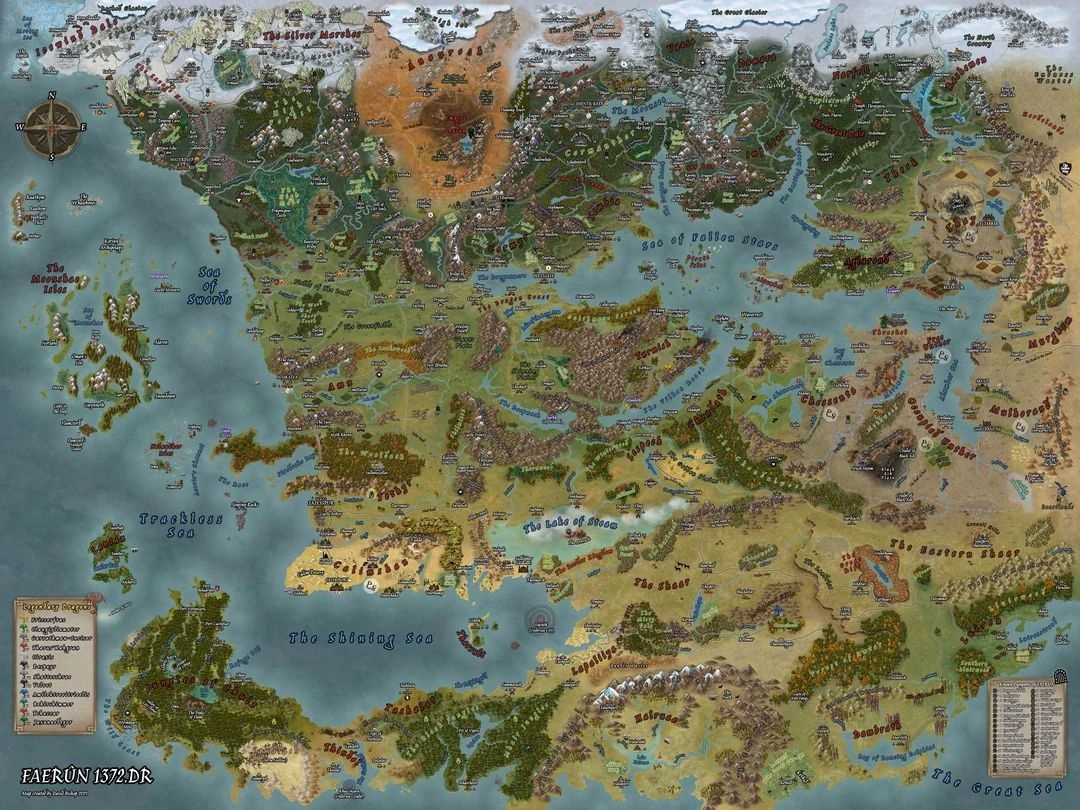
Players and DMs have used Baldur’s Gate II as a reference for Forgotten Realms lore and campaign ideas. For many, the game introduced locations, characters, and events tied to Faerûn that later appeared in tabletop sourcebooks, including the 3rd edition Forgotten Realms Campaign Setting.
Therefore, the game has been cited by some dungeon masters as a point of reference when building quests, NPCs, and setting details for their table campaigns. The presentation of readable lore, dialog-driven companion arcs, and layered quest design are all aspects that DMs have adapted from the game into tabletop practice.
Design lessons for DMs
Below are concrete storytelling and design elements from the game that DMs can reproduce at the table:
- Meaningful side content: even small quests include reasons for locations and actors, not just loot.
- Connected NPCs: NPCs have motives and consequences; rescuing or betraying one NPC can affect others.
- Companion arcs: party members have personal goals and reactions, which creates role-playing hooks.
For example, the Windspear Hills encounter chain begins with a simple monster-hunting job but expands into framed killings, noble intrigue, and a dungeon with layered clues about the antagonist Lord Jierdan. These are concrete design beats: an inciting problem, escalating complications, and reveal through environmental detail.
Finally, memorable lines are part of the script design. One of the game’s antagonist speeches reads exactly: “Ahhh, the child of Bhaal has awoken. It’s time for more experiments…”
Images
Cover and in-game images often used in recent retrospectives credit Beamdog and BioWare. For reference, here are the original image filenames used in the source: