25 Years Later: Mark Rosewater on How Invasion’s Split Cards, Kicker and Enemy Colors Rewrote Magic
On a warm Saturday night in Atlanta, Magic: The Gathering fans gathered to hear Mark Rosewater, Magic’s long-serving head designer, talk about the game’s 20 most influential expansions — a list he shared on Instagram. His top picks were Ravnica at number one, Innistrad at number two, and Invasion at number three. In short, Rosewater said simply, “It was a huge hit.”
- Event and top picks
- Two new mechanics that mattered
- Split cards and kicker
- Allies, enemies, and Apocalypse
- Storytelling and the Weatherlight saga
- Invasion’s legacy
Event and top picks
Rosewater presented his list during a large panel in Atlanta, naming Ravnica (2005) as his top set because it established balance among the game’s ten two-color pairings. Next came Innistrad (2011), known for reshaping draft play. Finally, he put Invasion (Oct. 2000) third, calling it the start of what he terms the “third age of Magic design.”
Two new mechanics that mattered
Before Invasion, expansions typically mixed a couple of mechanics with a setting and shipped. However, Invasion organized its mechanics and locations around one unifying idea: multicolored (or “gold”) cards. Consequently, the design team aimed to make multicolor the focus, and that led to two lasting innovations.
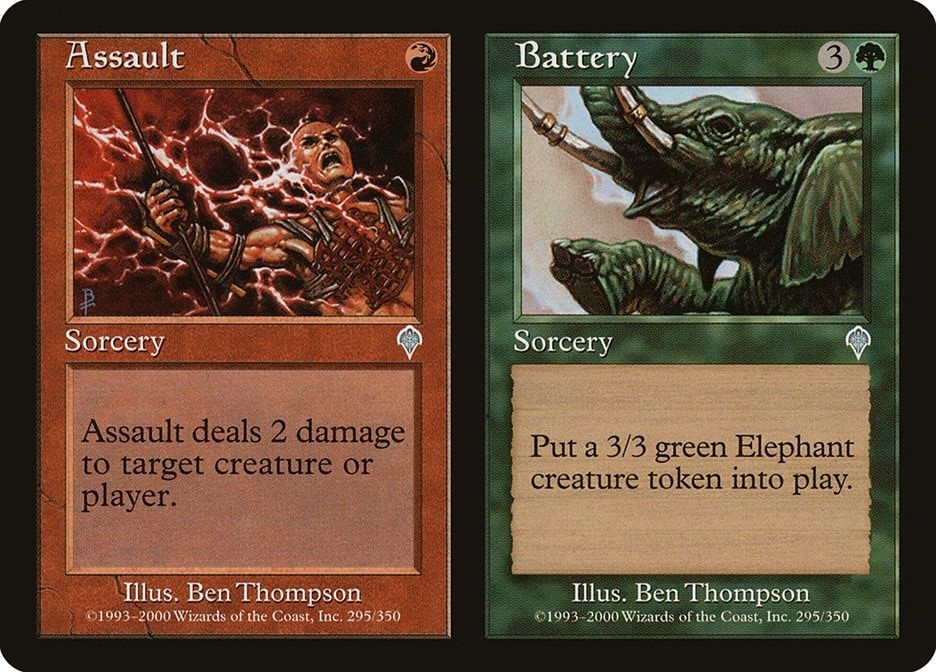
First, the set increased the number of multicolor cards deliberately, after a period when Gold cards had been rare. Second, the team invented or popularized two mechanics that still show up: split cards and kicker costs. They developed these ideas during a week-long session at Lake Tahoe, where Rosewater, Bill Rose, and Mike Elliott brainstormed how to bring multicolor to the foreground.
Split cards and kicker
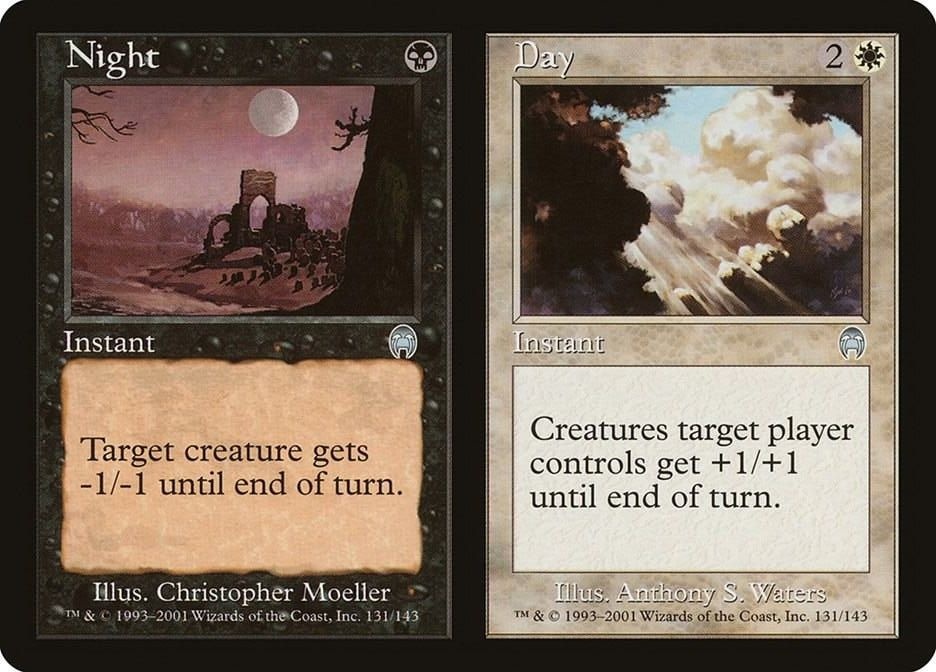
Split cards present two spells on one card, side-by-side. The idea came from a prior experimental set, Unglued, and notably from the oversized two-piece card BFM (Big Furry Monster). Rosewater adapted that concept into normal playable cards that let players combine effects in interesting ways. According to Rosewater, reaction in development was mixed: “Bill loved them, Mike hated them, but two out of three meant they stayed. Richard Garfield thought they were neat. Everyone else working on Magic hated them.”
Rosewater also recalled a specific memory about player reaction: “I remember holding my baby daughter at the prerelease and watching people open booster packs. Someone opened a split card, his eyes went wide, he turned it sideways, and then I saw the light go off. He figured it out and just grinned. That moment made all the struggle worth it.”
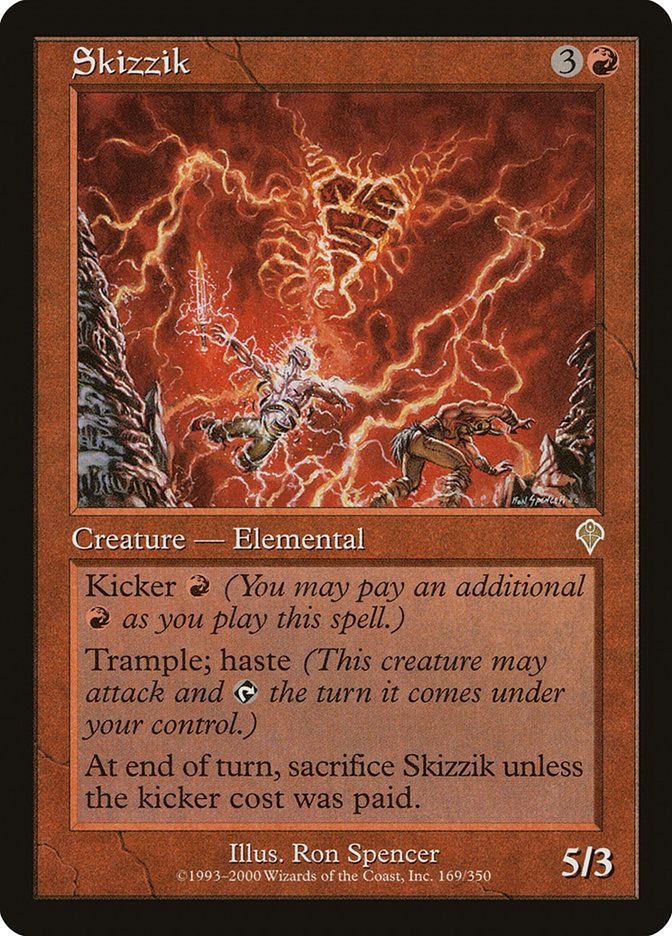
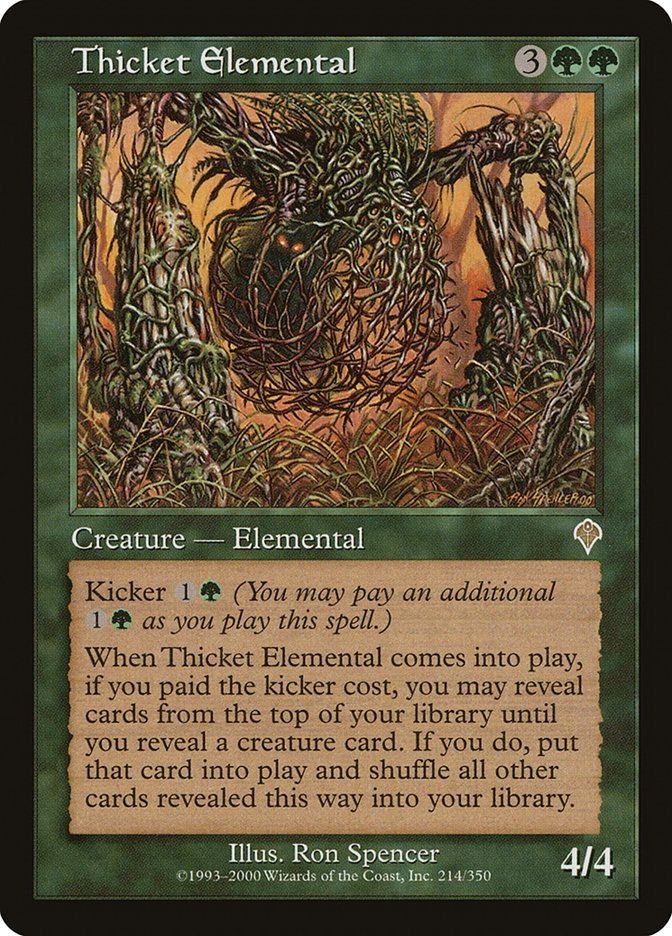
Meanwhile, kicker let players pay extra mana for boosted effects, building on an earlier mechanic called buyback. Rosewater said, “It worked well with multicolor, since you could kick spells with other colors.” Over time, both split cards and kicker became part of Magic’s toolkit; Rosewater calls these kinds of long-lived mechanics deciduous, similar to things like flying or trample that players take for granted.
Allies, enemies, and Apocalypse
Magic’s color wheel places five colors around a circle. Adjacent colors are allies, while opposite colors are enemies. Before Invasion, allied color pairs were much more common in multicolor design. Rosewater estimated that, prior to the block, there were often fewer than 50 multicolored cards for each enemy color combination — sometimes fewer than 30.
{apc-121-spiritmonger_20251004_193045.jpg}
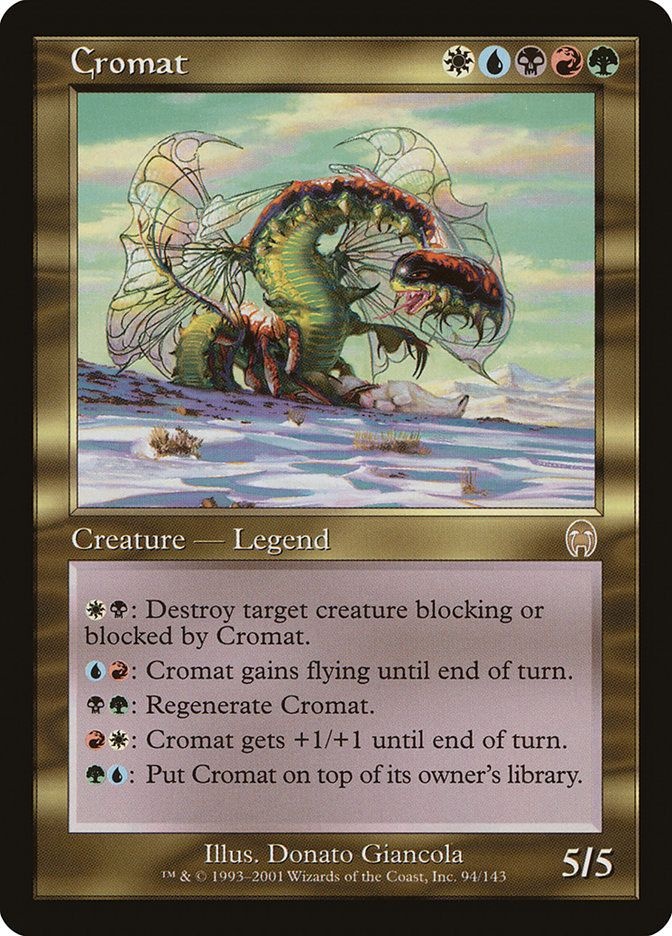
Wizards originally planned to include enemy-color gold cards earlier, but they postponed them to Apocalypse, the third set in the Invasion block. As Rosewater put it, “One of the problems when we were playing with 10 color pairs was that it just was a lot. Well, what if we don’t start with all 10?” By saving enemy-color cards for Apocalypse, the team spread surprises across the block and gave enemy pairs a chance to shine.
Competitive player-turned-designer Mike Turian said the block felt different at release: “It was really cool and dynamic. It was a multicolor set and you could play a five-color deck. That really wasn’t a thing before.”
Storytelling and the Weatherlight saga
Beyond mechanics, Invasion is notable for weaving a continuous storyline across multiple sets. Rosewater, who had worked as a TV writer before joining Wizards, helped center that story on the crew of the Weatherlight, a flying ship introduced in 1997. The Weatherlight crew provided a recurring cast to link expansions.
{mtg-art-for-the-card-coalition-victory_20251004_193049.jpg}
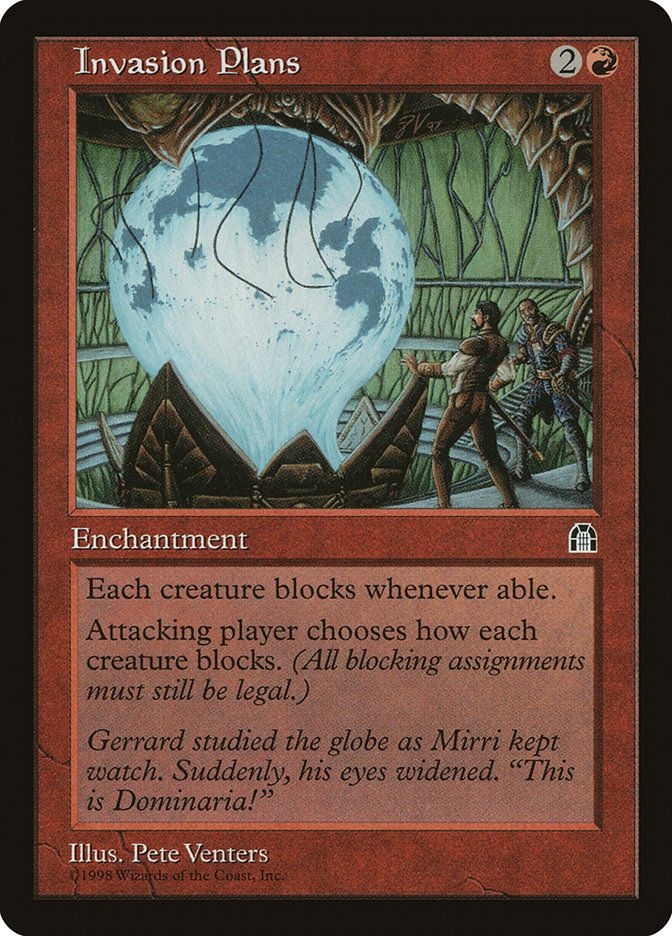
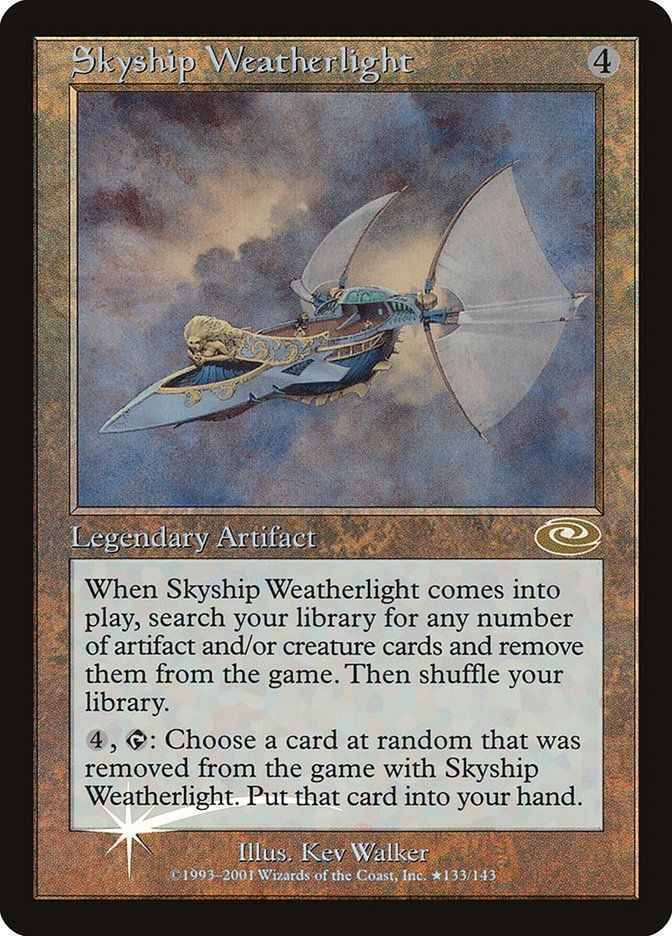
That narrative eventually revealed a full-scale Phyrexian invasion of Dominaria. Rosewater said, “The Phyrexians were always my favorite villains and I wanted to use them in a bigger way. They invaded Dominaria because we wanted jeopardy, and, at the time, Dominaria was the home of Magic.” He also noted that the story and mechanics weren’t tightly coordinated at first: “The story and the mechanics weren’t planned together. But once we realized what was going on, we leaned into it.”
Invasion’s legacy
Invasion changed how Wizards thought about multicolor and narrative design. Later designs built on its lessons. For example, when Rosewater designed Ravnica five years later, he deliberately made it about two-color play as a counterpoint to Invasion’s many-color approach. In his words, “Invasion was all about playing as many colors as possible. So I’m like: What’s the opposite of that? OK, play two colors. And that’s how we got to the guilds.”
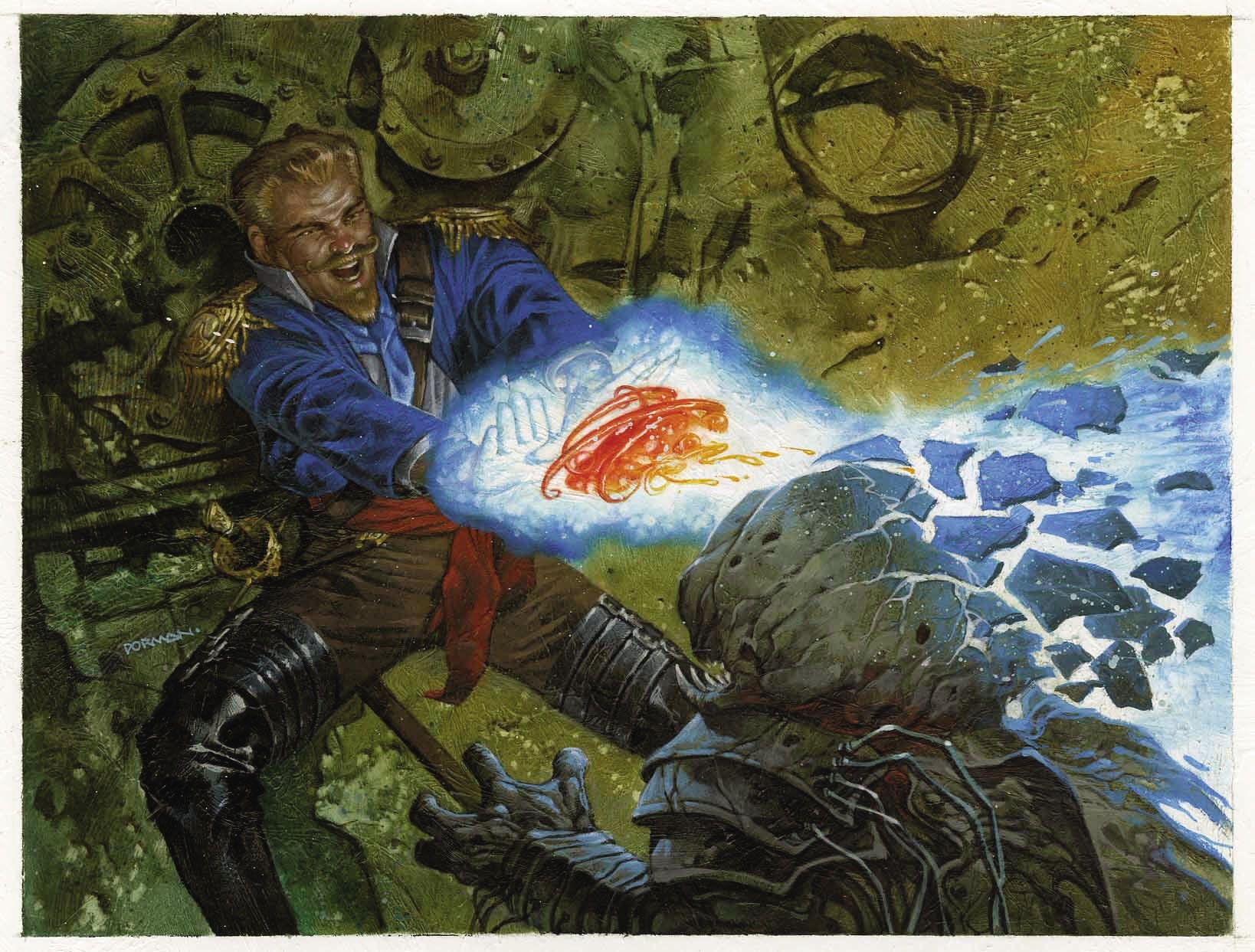
{invasion-art_20251004_193059.jpg}
Finally, Turian summed up one lasting effect: “What Invasion showed Wizards was there was a lot of love for multicolor. To me, Invasion was really the moment Wizards recognized that gold cards are cool and awesome.” As a result, multicolor design continues to be a central part of Magic, influencing later sets and formats like Commander.