25 Years On, Digimon: The Movie Deserves More Credit for Today’s Anime Boom

Released in the United States on Oct. 6, 2000, Digimon: The Movie combined three short Japanese films into one feature, earned $16.6 million on a $5 million budget, and has since been discussed for its unusual U.S. edit and cultural footprint.
- Release details and plot arcs
- Production and editing choices
- Box office, soundtrack, and notable facts
- Legacy and context within anime in the West
- Sources and where to watch related clips
Release details and plot arcs
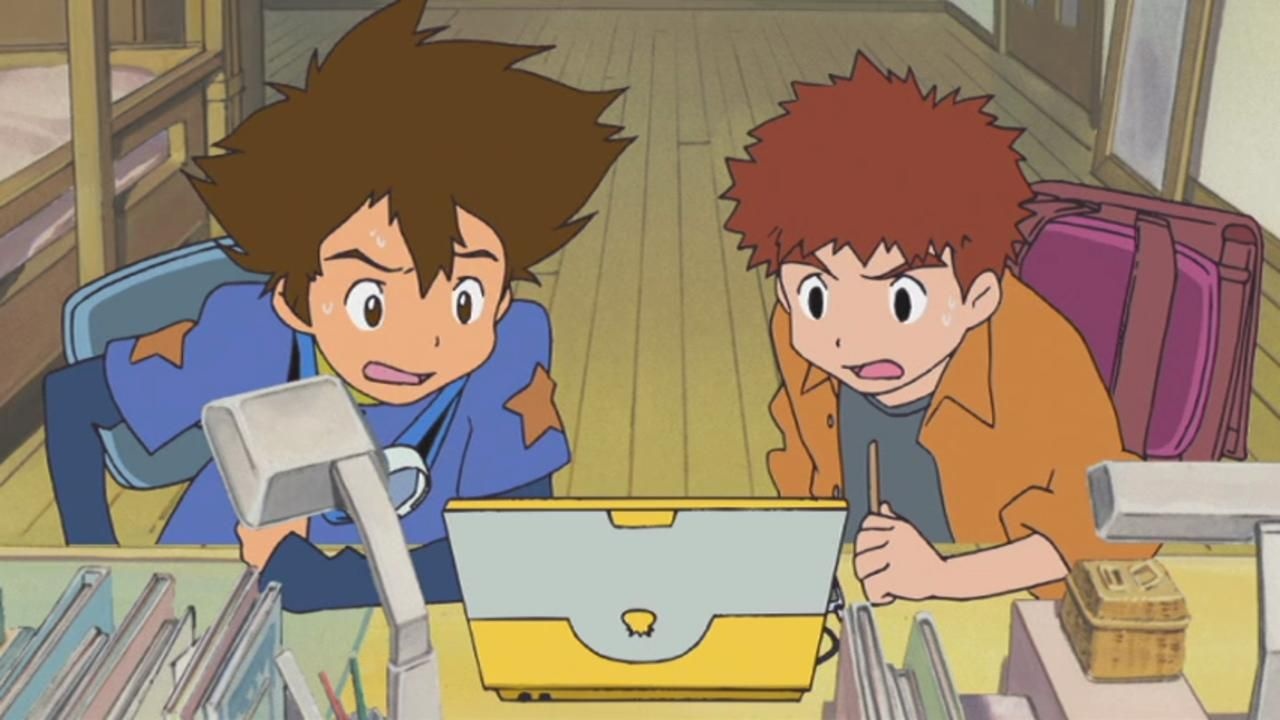
The U.S. release stitches together three separate Japanese short films from the Digimon Adventure series. First, it shows siblings Tai and Kari witnessing a battle between Greymon and Parrotmon in Tokyo. Then, the action moves to Tai and Izzy fighting the internet-born Diaboromon, which escalates to a near-nuclear scenario. Finally, the film concludes with Willis and a new set of characters confronting a corrupted Kokomon in the United States.
In addition, the U.S. version uses inserted narration to link the three stories and adds scenes that do not appear in the original Japanese shorts.
Production and editing choices
20th Century Fox commissioned a feature-length Digimon film in 2000. However, Toei Animation required that the studio merge three short films into one theatrical release. Consequently, Fox cut over 40 minutes of footage to meet runtime and budget constraints. As a result, the U.S. release includes new narration by Kari and places the character Willis into the other segments to create a single narrative thread.
Because of these changes, the final U.S. movie is often described as an altered work compared to the original Japanese releases; for further reading, see this GameRant piece.
Box office, soundtrack, and notable facts
Digimon: The Movie grossed $16.6 million against a production budget reported at $5 million. By contrast, Pokémon: The First Movie earned roughly $85 million in the U.S., a figure that influenced studios’ decisions about anime theatrical releases at the time.
Musically, the English dub of Digimon: The Movie features licensed tracks and ‘90s-era artists, including Fatboy Slim, Barenaked Ladies, and The Mighty Mighty Bosstones. Additionally, the U.S. edit includes a pop-culture nod referencing Bill Gates.
Legacy and context within anime in the West
In the late 1990s and early 2000s, anime series such as Pokémon, Digimon, and Yu-Gi-Oh reached large Western child audiences and became major television properties. Later theatrical anime releases found larger mainstream box office success; for example, Demon Slayer: Infinity Castle and its predecessor Mugen Train achieved major milestones, and Infinity Castle set a record for the biggest anime North American debut since 1998, surpassing the mark previously held by Pokémon: The First Movie.
Furthermore, ongoing commercial interest in Digimon titles can be seen in digital storefronts: Steam charts showed Digimon Story Time Stranger reaching high sales ranks recently.
Overall, Digimon: The Movie is a documented example of how anime properties were adapted for U.S. theatrical release during that era, and its production choices illustrate the contractual and market pressures faced by licensors and distributors.
Sources and where to watch related clips
For background on anime’s broader theatrical history, including discussion of Dragon Ball Z: Battle of Gods and its cultural role, see this Screen Rant piece. For details on the film’s editing and reception, refer to this GameRant article.
Finally, a current clip related to Digimon and other franchise activity can be found on the film’s official and fan-uploaded video pages.