28 Years Later Breaks the Zombie Mold: Why the Infected Are More Human Than Ever
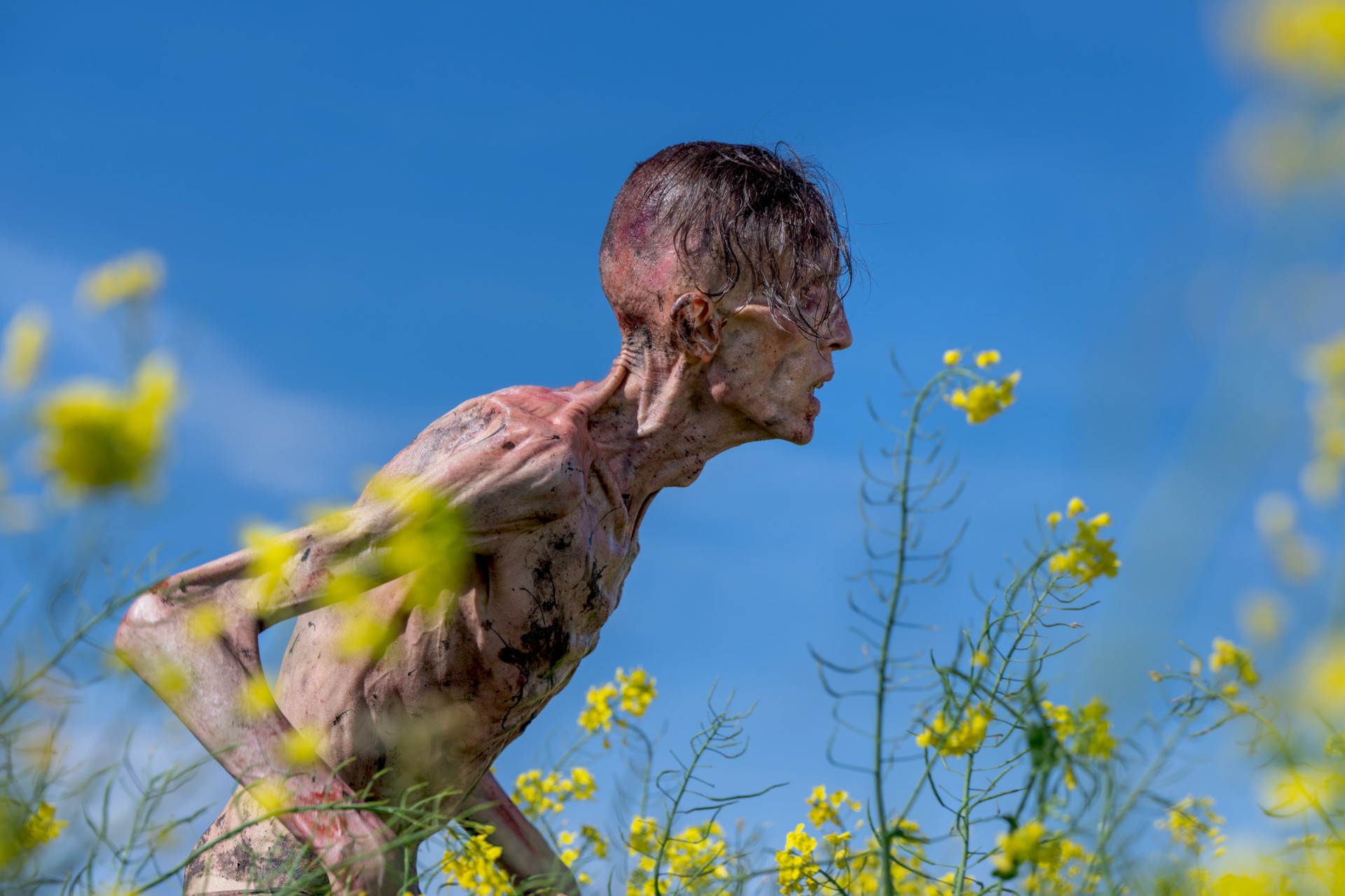
If you’re a fan of fast-moving horror and intense survival drama, get ready: 28 Years Later is here to shake up everything you thought you knew about zombies. Danny Boyle and Alex Garland, the original minds behind 28 Days Later, are back with a brand new take on the infected. And this time, it’s all about reminding us—these are not your typical zombies.
- Sequel to the cult classic 28 Days Later
- Focuses on the human side of the infected
- Explores a society isolated for nearly three decades
- New characters, fresh story, and a bold trilogy plan
- Release date: June 20
Not Just Zombies: The Rage Virus Evolves
Back in 2002, 28 Days Later flipped the zombie genre on its head by introducing the terrifying Rage Virus—turning ordinary people into fast, furious threats. Now, after years of waiting and some complicated rights wrangling (source), Boyle and Garland are back with a sequel that takes things even further. According to Boyle, “The idea of the film in many ways was to be as original as possible… Its structure is very unusual. Its progression is even more unusual, and it’s quite startling even at script stage to realize that the last third of the film is going to be this moving examination of mortality in different ways — and commemorate and celebrate that.”
New Heroes, New World
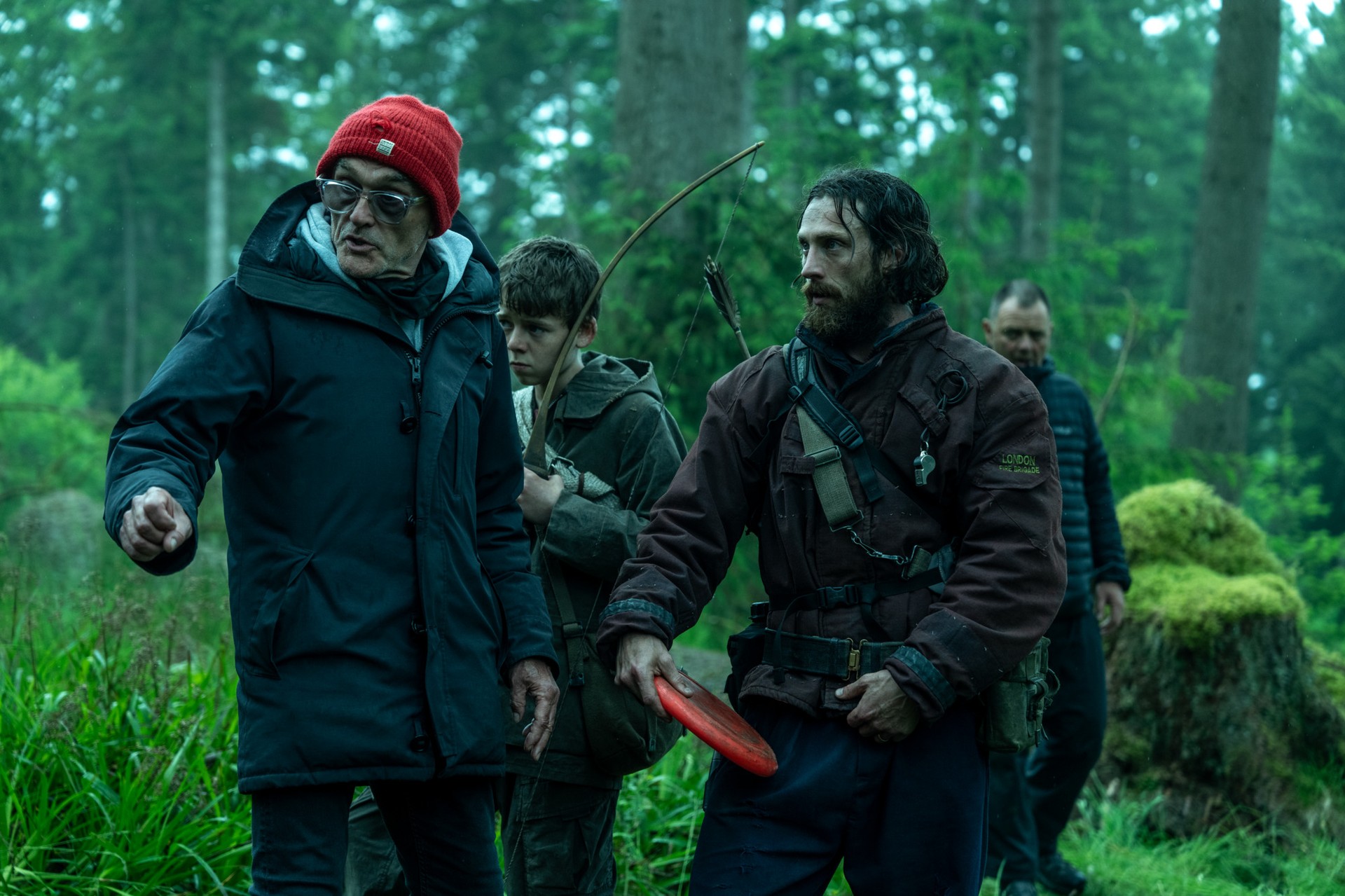
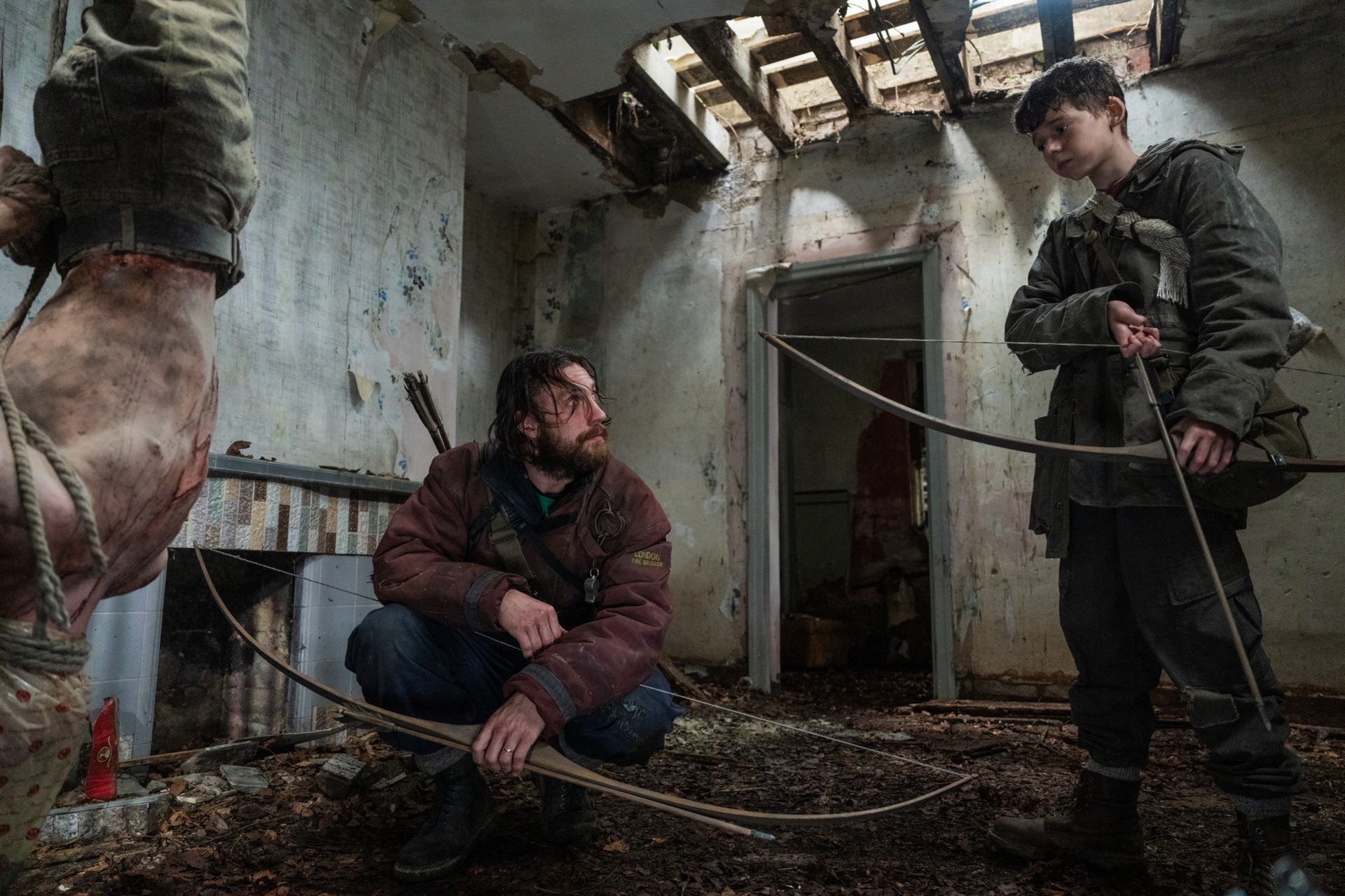
28 Years Later introduces us to 12-year-old Spike (Alfie Williams), who’s spent his entire life in a walled-off island town, cut off from the world since the Rage Virus outbreak. His father Jamie (Aaron Taylor-Johnson) is determined to make him tough, while his mother Isla (Jodie Comer) battles a mysterious illness. This setup gives us a very personal, human angle—think more Kes than The Walking Dead.
The Infected Are Changing
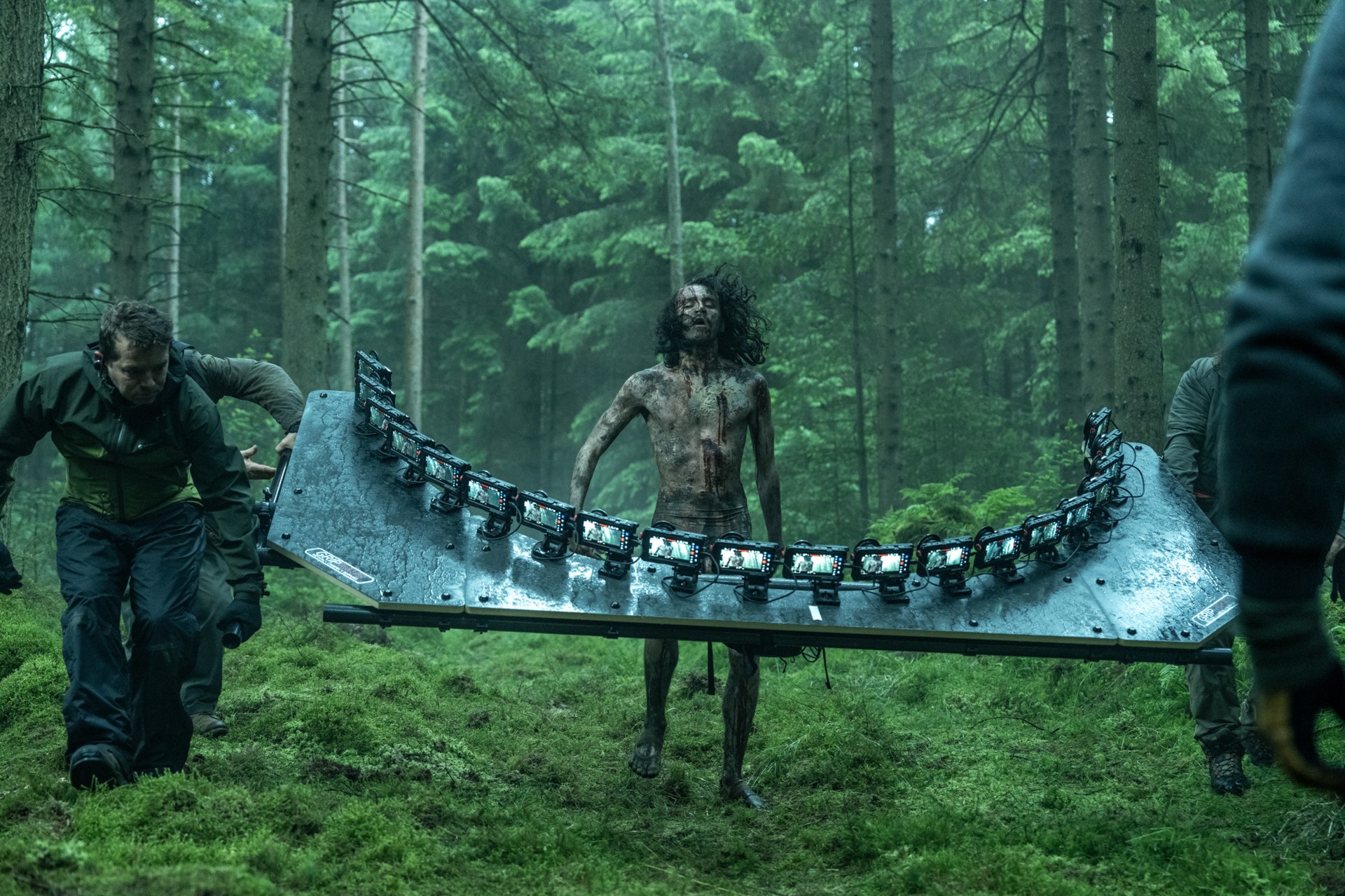
One of the most interesting twists? The infected have survived for almost three decades, evolving and pushing the line between human and monster. Garland explains, “One of the things we’re doing in this is shortening the distance between the humans and the infected… They have an illness which a doctor would look at in a different way to the way we would instinctively react to it.” The film is less about a supernatural apocalypse and more about a society grappling with a very human kind of rage and survival.
What Happens After 28 Years?
Garland took the long time gap seriously, imagining what a quarantined society might look like after all these years. He considered two options: “One is: there aren’t any infected left and life has gone back to normal… And the other is: no, the infection is still alive. Well, how could it still be alive? These are not reanimated dead people via some sort of supernatural means. They’re people who have an illness or a condition or a virus, in this case. And so, how are they still alive? They need to consume energy, they need to drink.” This attention to realism makes the world of 28 Years Later feel even more chilling.
Rage Is In All of Us
The film isn’t just about monsters—it’s about the potential for violence and survival that exists in everyone. Boyle notes, “If you look at the films in detail, it is something that’s within us all… Every character gets to exhibit part of it, the potential for it within ourselves.” That’s what makes the horror hit so close to home.
Looking Back, Moving Forward
Garland admits there’s a message here about nostalgia and the danger of longing for the past: “I think these things are interpretive, but for me it would be about the way in which over the last 10 to 15 years, we’ve become increasingly preoccupied by looking back rather than looking forward, back to the way things used to be… And so it’s a film about an aggressive state rather than a progressive state, at least in part.”
It’s Just the Beginning: A New Trilogy
After a long development hell, 28 Years Later isn’t just a one-off sequel—it’s the start of a new trilogy. Boyle teases that the story feels complete, but there’s more to come, and familiar faces like Cillian Murphy are set to play a role down the line. “You have to acknowledge the first film, but to a minimal degree, but we tried to make a standalone film in its own right,” Boyle says. “But Cillian [Murphy, star of 28 Days Later], for instance, who’d be the most obvious way to make the thing feel continuous with the first film, is a very important feature of the trilogy — but not just yet.”
28 Years Later hits theaters on June 20. If you loved the original or you’re just looking for a smart, scary, and totally fresh take on the infected, this is one film you won’t want to miss!