30 Years Later — The Rise, Fall and Strange Legacy of Nintendo’s Virtual Boy
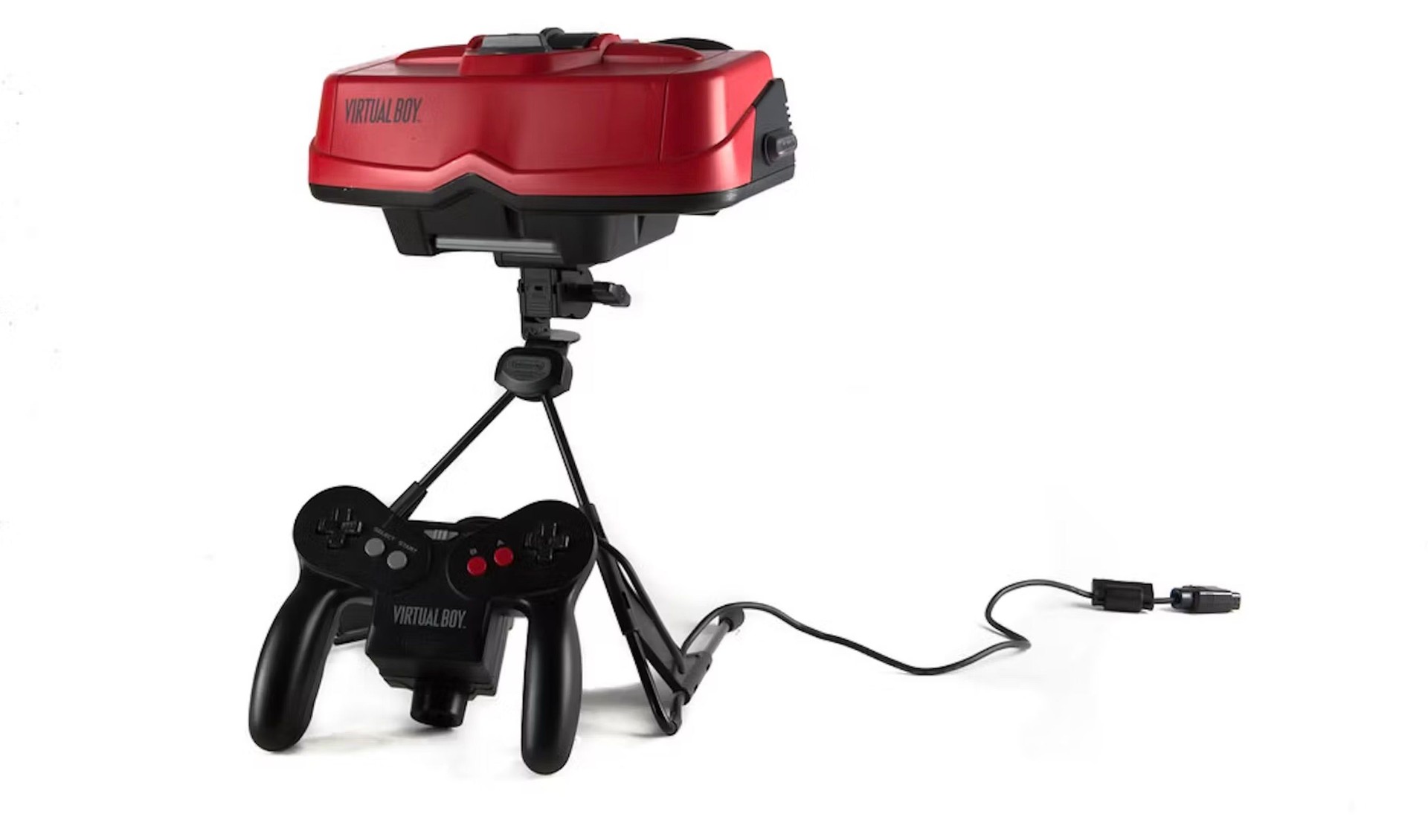
Thirty years after its release, Nintendo’s Virtual Boy remains a clear example of a bold hardware experiment that did not find a large audience. Released in August 1995 and discontinued in March 1996, the tabletop stereoscopic headset sold about 770,000 units worldwide and shipped just 22 games in total, with only 14 of those reaching North America. For more on the sales figure, see the Virtual Boy page on Nintendo Fandom.
- What the Virtual Boy was and how it worked.
- Key hardware choices and why Nintendo went with red-and-black visuals.
- Launch details, market context, and sales numbers.
- How the Virtual Boy influenced later Nintendo experiments.
Design and hardware
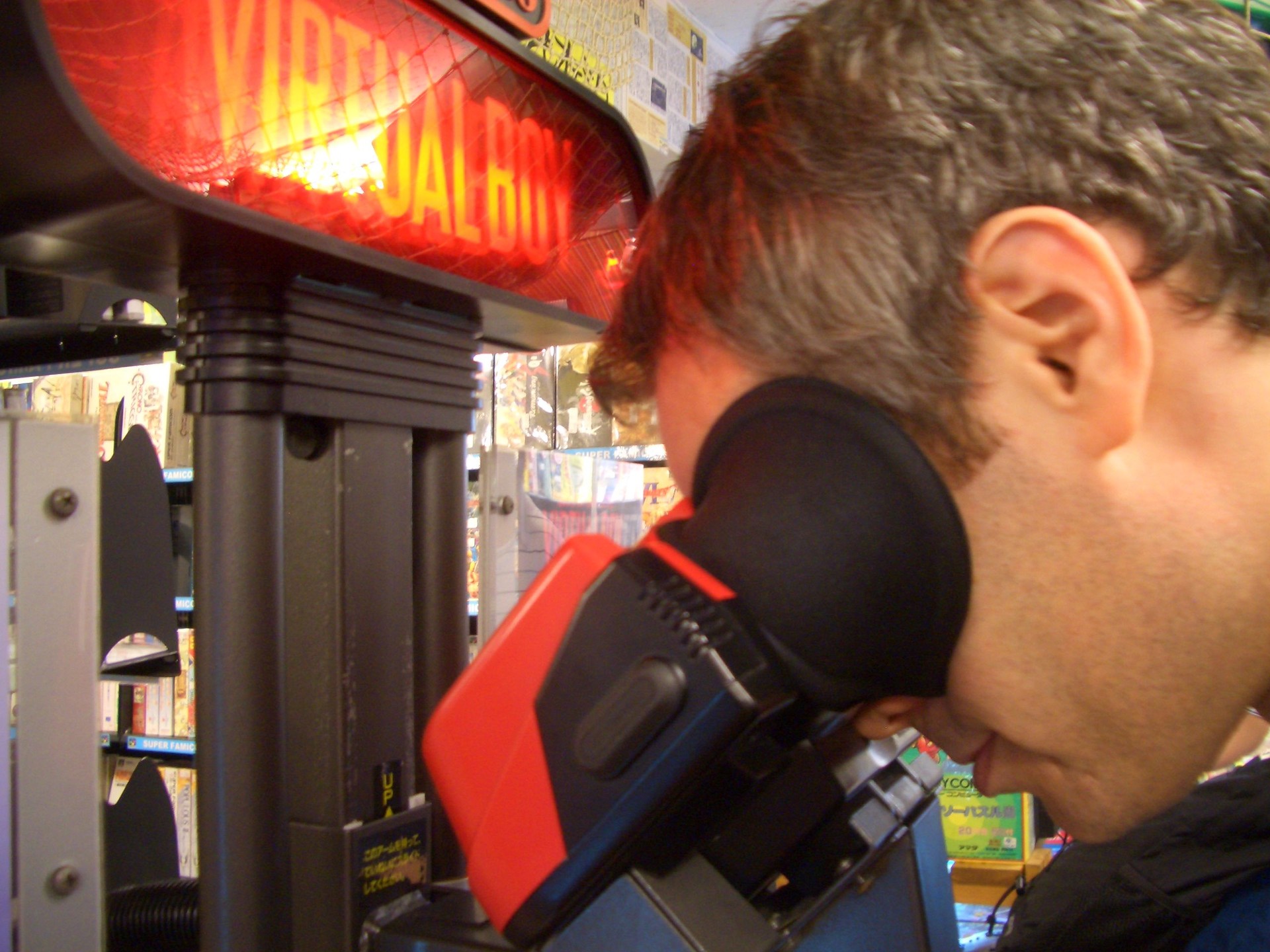
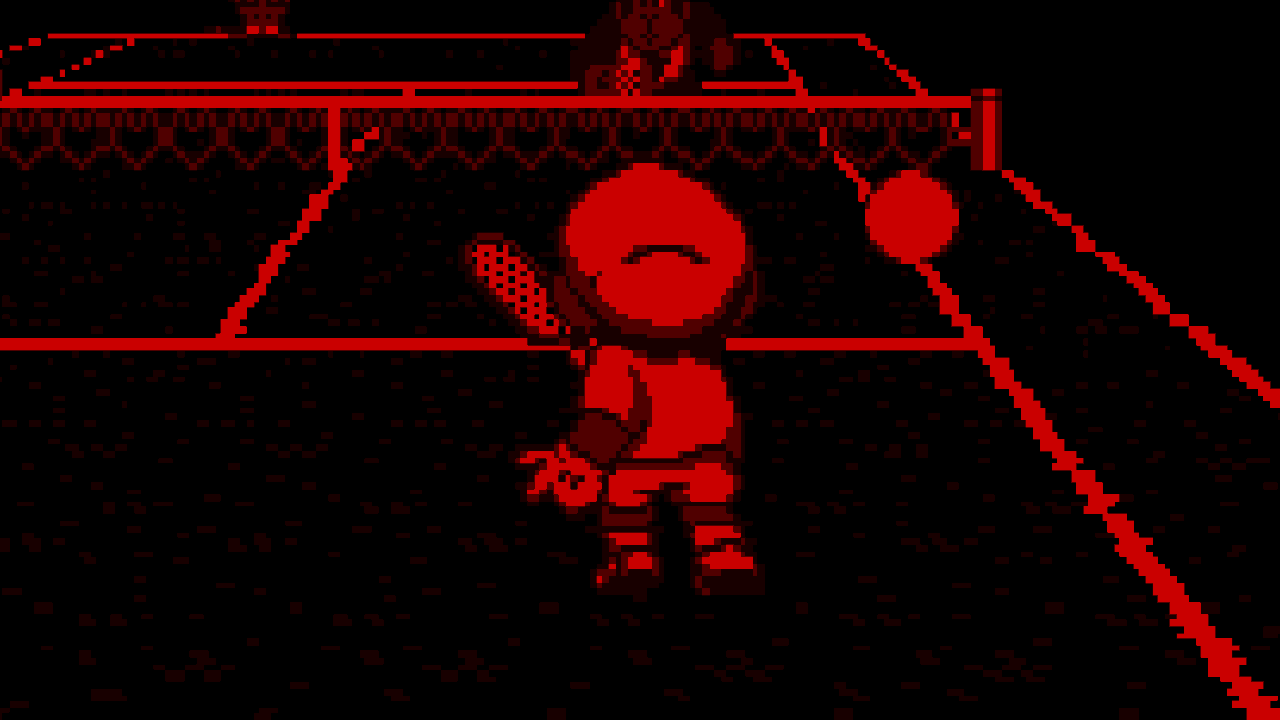
The Virtual Boy was a tabletop headset that users looked into, similar in concept to a stereoscope. Instead of color screens, it used red LEDs to produce a red-on-black display. Nintendo chose red primarily for cost and power reasons; red LEDs used less battery and were easier to implement at scale.
Gunpei Yokoi led the project. He had previously created the Game & Watch, the Game Boy, and the D-pad; his design approach favored mature, low-cost technologies applied in new ways. For background on Yokoi, see his Wikipedia entry: Gunpei Yokoi.
Nintendo licensed stereoscopic technology from Reflection Technology, Inc. (RTI) for about $5 million. The company also built a dedicated factory in China to produce the hardware. To keep the price reasonable, multiple features were removed during development, including color displays, eye-tracking, and backlighting. Nintendo also moved away from RTI’s original goggle form factor to a tabletop unit, partly due to concerns about motion sickness and potential effects on children’s eyesight.
Controller and power
The system’s controller had an M-shaped, hardwired design with dual D-pads and two action buttons per side. Power came from six AA batteries housed in a removable brick that connected to the controller. The Virtual Boy shipped with a pack-in game, Mario’s Tennis, and retailed for about $179 at launch.
Why red and not color?
During development, Nintendo experimented with color LCDs but found they interfered with the perception of depth. In a published account, Yokoi explained the team’s reasoning:
“We experimented with a color LCD screen, but the users did not see depth, they just saw double. Color graphics give people the impression that a game is high-tech. But just because a game has a beautiful display does not mean that the game is fun to play. Red uses less battery and red is easier to recognize. That is why red is used for traffic lights,” Yokoi explained.
Consequently, the red LED approach reduced complexity and battery draw while still providing a stereoscopic effect through parallax between the two displays.
Launch, sales and market context
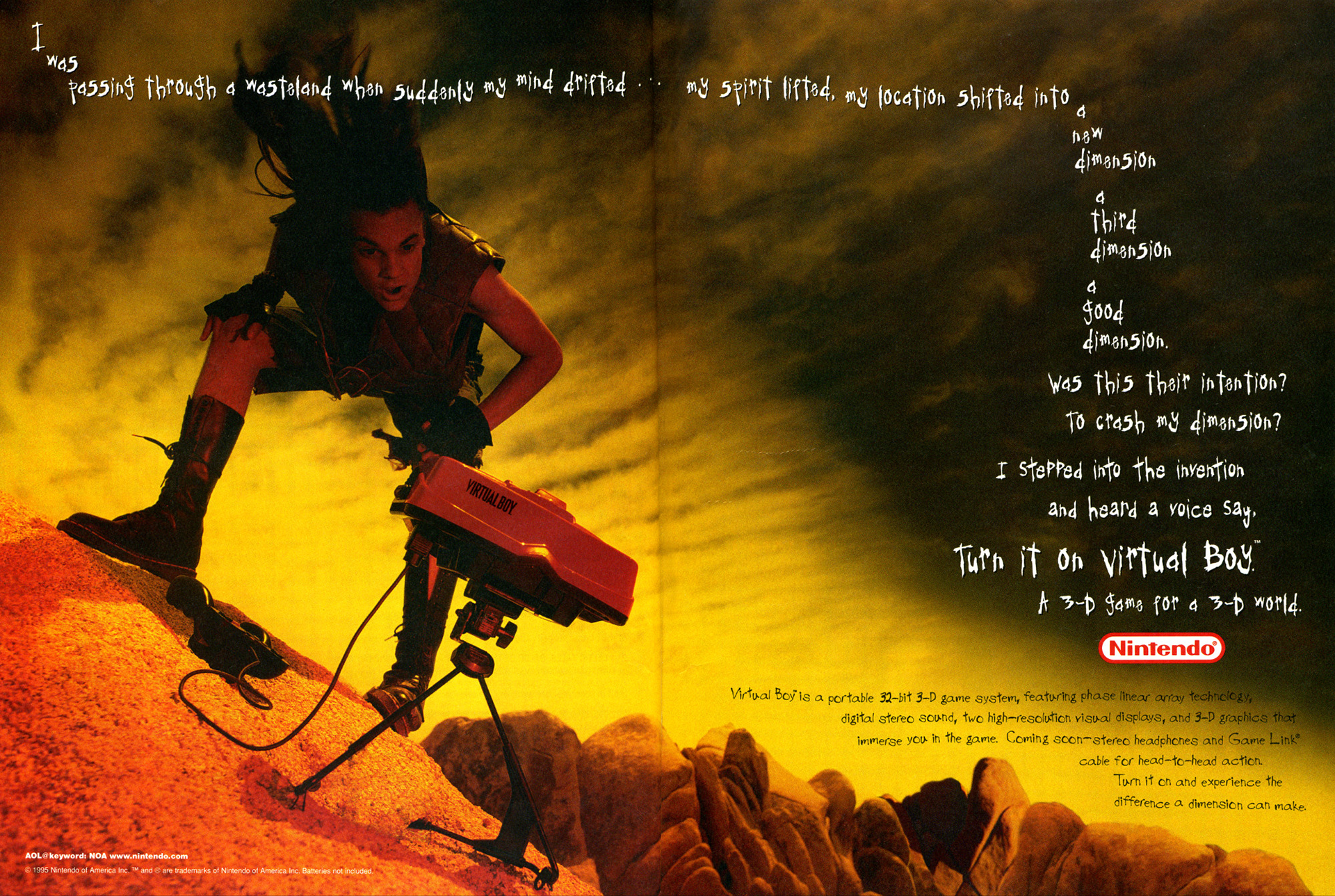
The Virtual Boy launched in North America in August 1995. Sales were limited: the console was discontinued roughly eight months later, in March 1996. Worldwide sales are generally reported at around 770,000 units, making it Nintendo’s lowest-selling stand-alone console to date.
At the time, the broader market included new 32-bit consoles like the PlayStation and Sega Saturn, which launched with high-profile 3D titles such as Ridge Racer, Tekken, Virtua Fighter, and Panzer Dragoon. Meanwhile, Nintendo was preparing the Nintendo 64 for 1996 and still supporting the Super NES and Game Boy lines.
Games and availability
Only 22 games were produced for the Virtual Boy overall, and just 14 were released in North America. The library included titles developed by both Nintendo and third-party studios, but the limited software selection was a key factor in the system’s short commercial life.
Troubles during development
Internally, the project showed signs of trouble before launch. Biographical reporting noted that Yokoi felt uneasy about the product during development; the term used to describe that feeling was “hiri-hiri,” a Japanese onomatopoeia for a slow, stinging discomfort. For more on that perspective, see the Fast Company piece: Unraveling the enigma of Nintendo’s Virtual Boy.
Legacy and later experiments
Despite its commercial failure, the Virtual Boy did not end Nintendo’s interest in 3D or alternative displays. Years later, Nintendo released the 3DS in 2011, which used a parallax barrier to produce a glasses-free stereoscopic effect. Then, in 2019, Nintendo released the Labo VR Kit, a cardboard-based accessory with a set of simple VR experiences; coverage of Labo’s reception can be found at Inverse.
In short, the Virtual Boy is often cited as an early example of Nintendo’s willingness to experiment with hardware. Although the system had limited commercial success, several factual points stand out: it used a red LED stereoscopic display, it sold roughly 770,000 units, it supported a small library of titles (22 total), and its development involved licensed technology and a purpose-built manufacturing setup.