35 Years On, Miller’s Crossing Proves the Coen Brothers’ Gangster Movie Was Ahead of Its Time
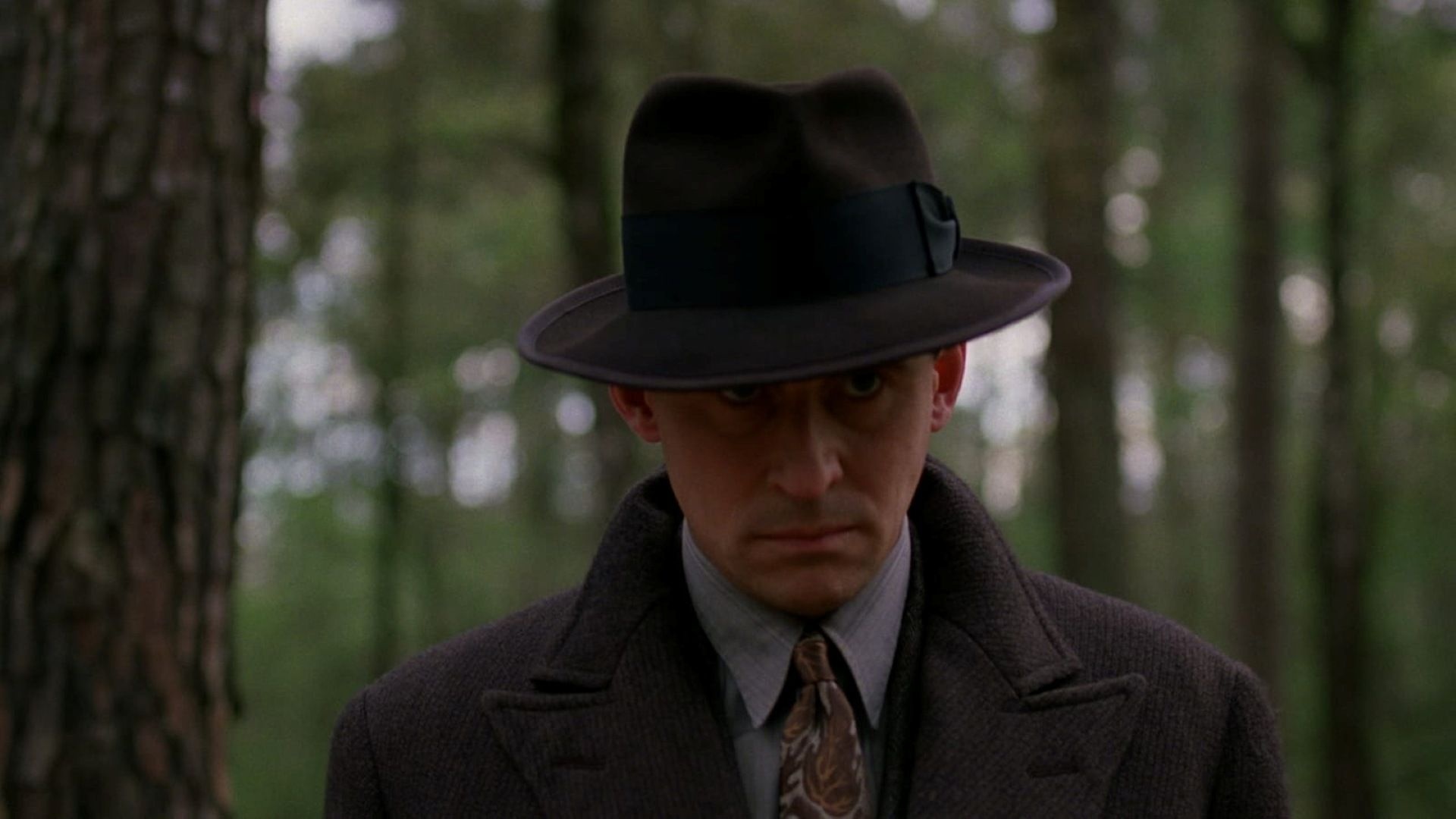
Miller’s Crossing is the Coen Brothers’ 1990 gangster film that premiered a few days after Martin Scorsese’s Goodfellas and before Francis Ford Coppola’s The Godfather Part III. The movie opened at the New York Film Festival, did not earn any Academy Award nominations, and performed poorly at the box office.
1. Background and release
2. Style and influences
3. Cast and crew
4. Reception and legacy
Background and release
The Coen Brothers wrote and directed Miller’s Crossing, which they completed after a period that contributed to the creation of their next film, Barton Fink. According to reporting on that episode, the brothers finished the screenplay following a bout of writer’s block that later inspired Barton Fink (this account).
The film debuted at the New York Film Festival a couple of days after Goodfellas opened widely in the United States. By comparison, Scorsese’s Goodfellas was “a solid if unspectacular hit” at the box office (Box Office Mojo), while Miller’s Crossing reached a much smaller audience upon its initial release.
Style and influences
The film is set in 1929 and draws heavily from period crime fiction and films. The Coens referenced writers like Dashiell Hammett and the tone of 1930s gangster pictures and 1940s noir. Also, the movie’s dialogue deliberately channels older slang and period phrasing.
For example, several characters use phrases like “What’s the rumpus?” and the character Johnny Caspar frequently complains about the “high hat” others are giving him. In the script, Tom Reagan is described as “the man who walks behind the man and whispers in his ear.” These lines illustrate the film’s stylistic nods to older genre speech patterns.
Cast and crew
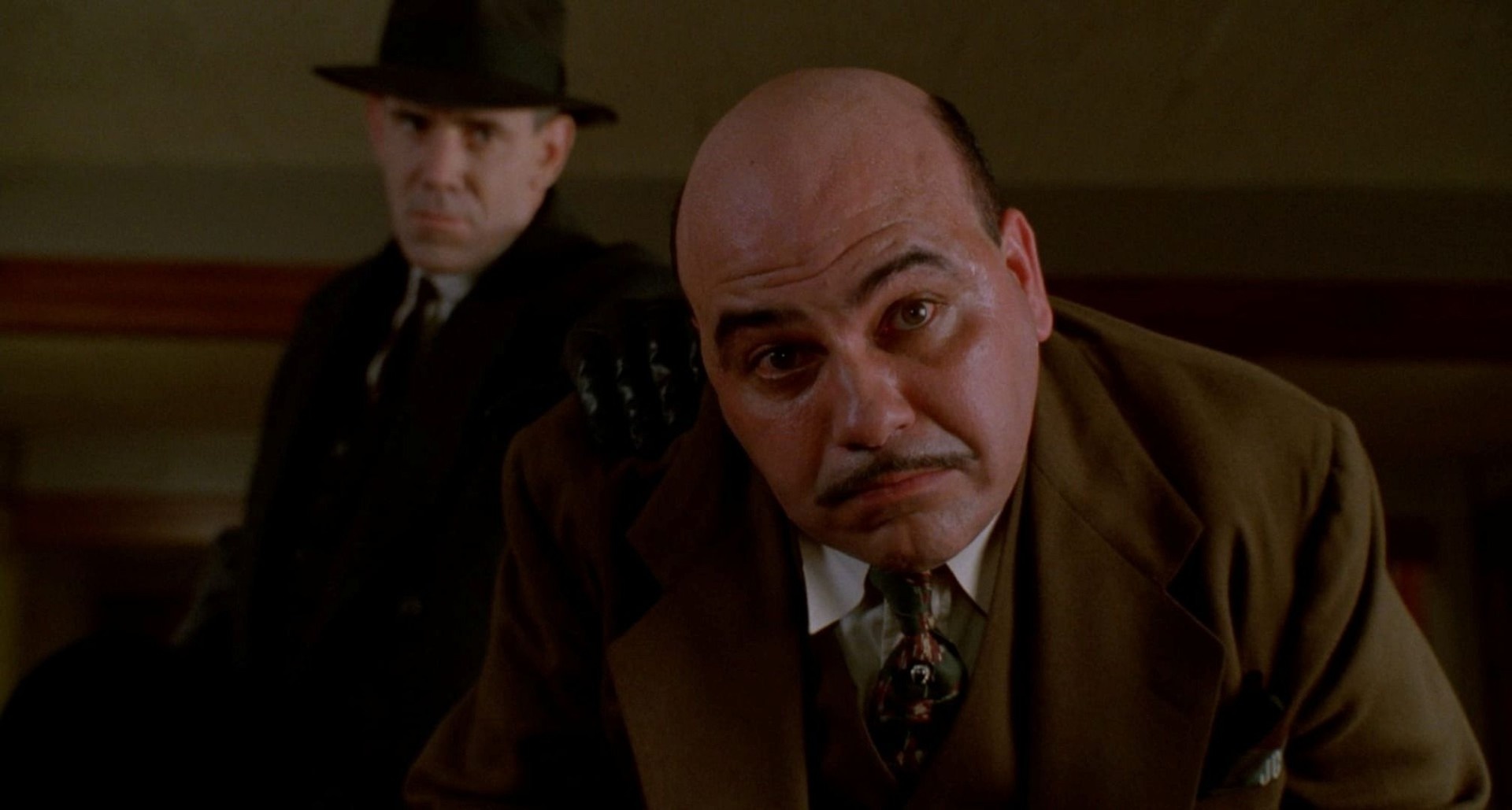
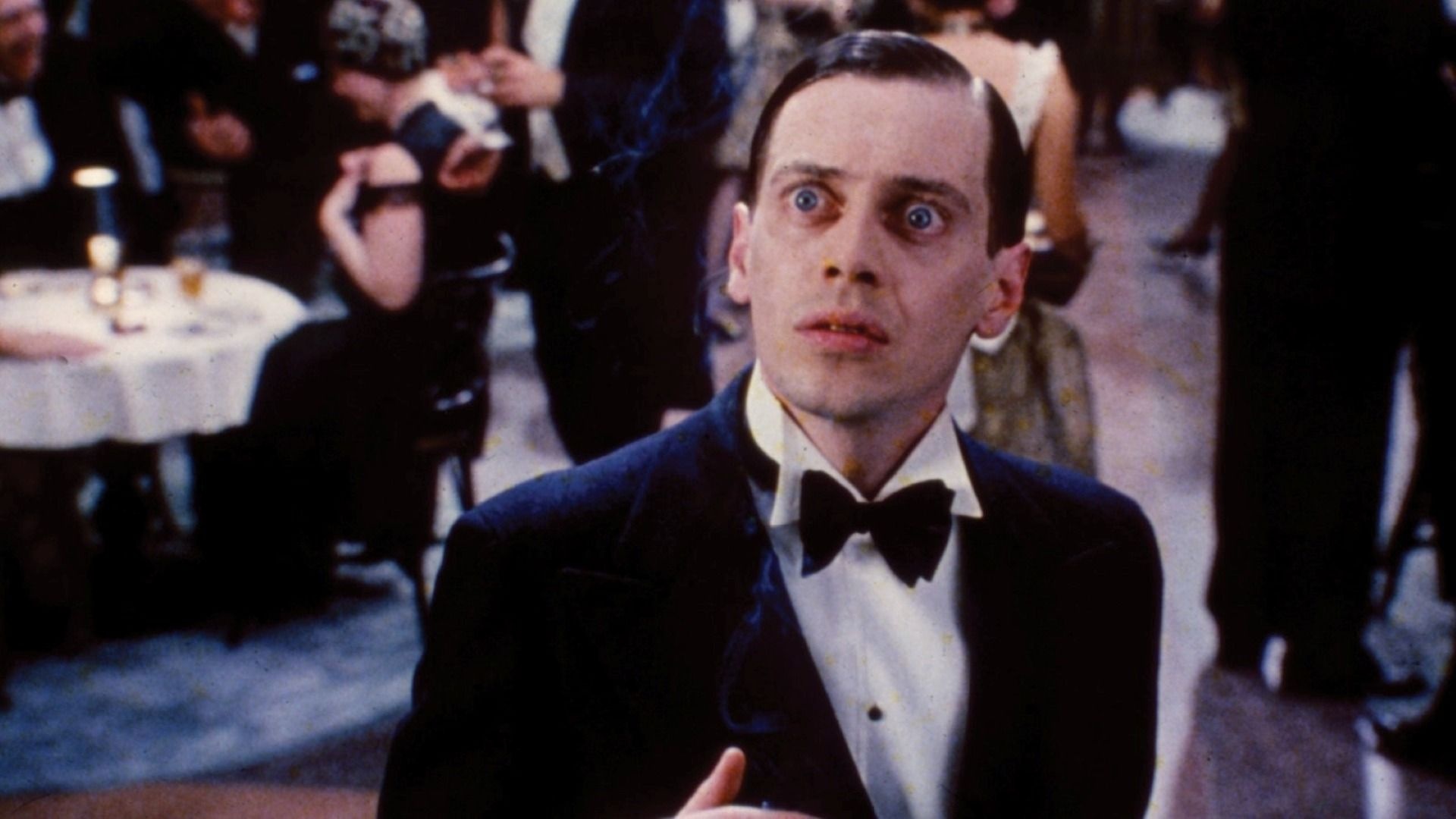
Key cast members include Gabriel Byrne as Tom Reagan, Jon Polito as Johnny Caspar, Albert Finney as Leo O’Bannon, Marcia Gay Harden as Verna, and Steve Buscemi in a brief but notable scene. Barry Sonnenfeld was the director of photography; he later moved into directing with films such as The Addams Family.
The film balances terse, noir-like moments with screwball-influenced patter, reflecting the Coens’ previous work: Blood Simple and Raising Arizona.
Reception and legacy
At release, Miller’s Crossing underperformed commercially and received no Academy Award nominations. However, it is often noted for its craft: cinematography, production design, and tight, reference-rich dialogue. Critics and historians have compared its tone to classic crime pictures and observed that it sits between farce and noir.
Scholars and institutions have framed the Coens’ later films in different ways. For instance, the Museum of the Moving Image has described A Serious Man as a “nightmare comedy” (see the classification), which shows how the brothers’ tone shifted in later projects.
Although Miller’s Crossing did not match the mainstream success of Goodfellas or the later legacy of the Godfather films, it remains a reference point for the Coens’ developing style and for subsequent crime films they made, such as Fargo and No Country for Old Men. It is also noted that the film’s visual and tonal approach foreshadowed elements the brothers would refine in later works.
Finally, some contemporary discussion framed the Coens as manipulative storytellers; a long-form piece at Roger Ebert’s site summarized that critique in relation to their handling of character fates (read that piece).