5 Big Ways Pokémon Legends: Z-A Beats Arceus (and the One Thing It Still Needs)
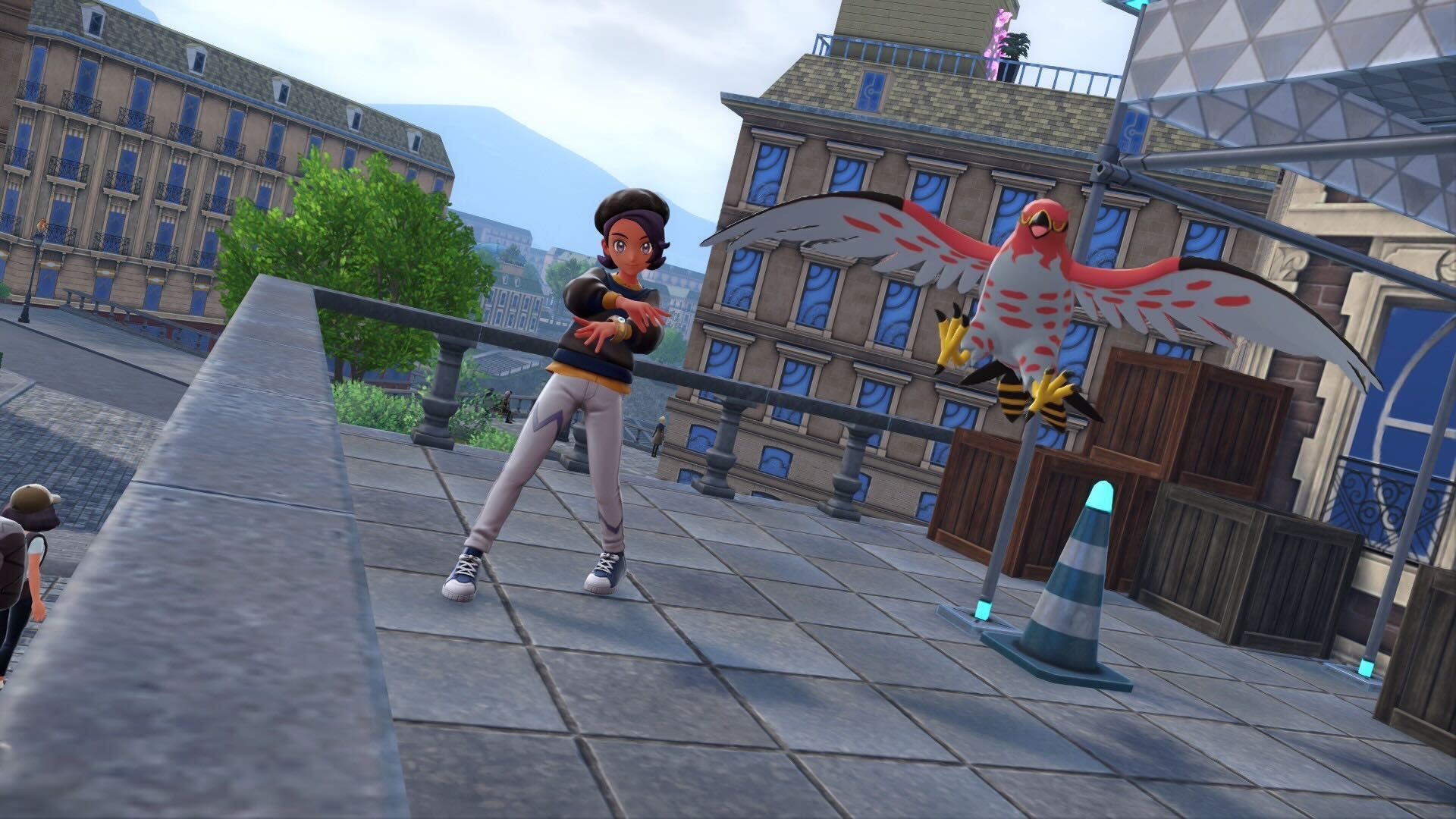
Pokémon Legends: Z-A changes a lot from Pokémon Legends: Arceus, yet it keeps some of the earlier game’s ideas. Here are five specific areas where Z-A shows measurable improvement compared with Arceus, followed by a short list of retained or weaker elements.
- Technical and performance
- World design and Lumiose City
- Combat system
- Fashion and customization
- Pokédex composition (including Drilbur)
Technical and performance
Pokémon Legends: Z-A shows clear technical improvements relative to Arceus. Specifically, Z-A has fewer texture pop-ins, more consistent frame pacing, and higher visual fidelity when played on Switch 2 hardware. These changes reduce visual artifacts and make the game run more smoothly on that platform.
World design and Lumiose City
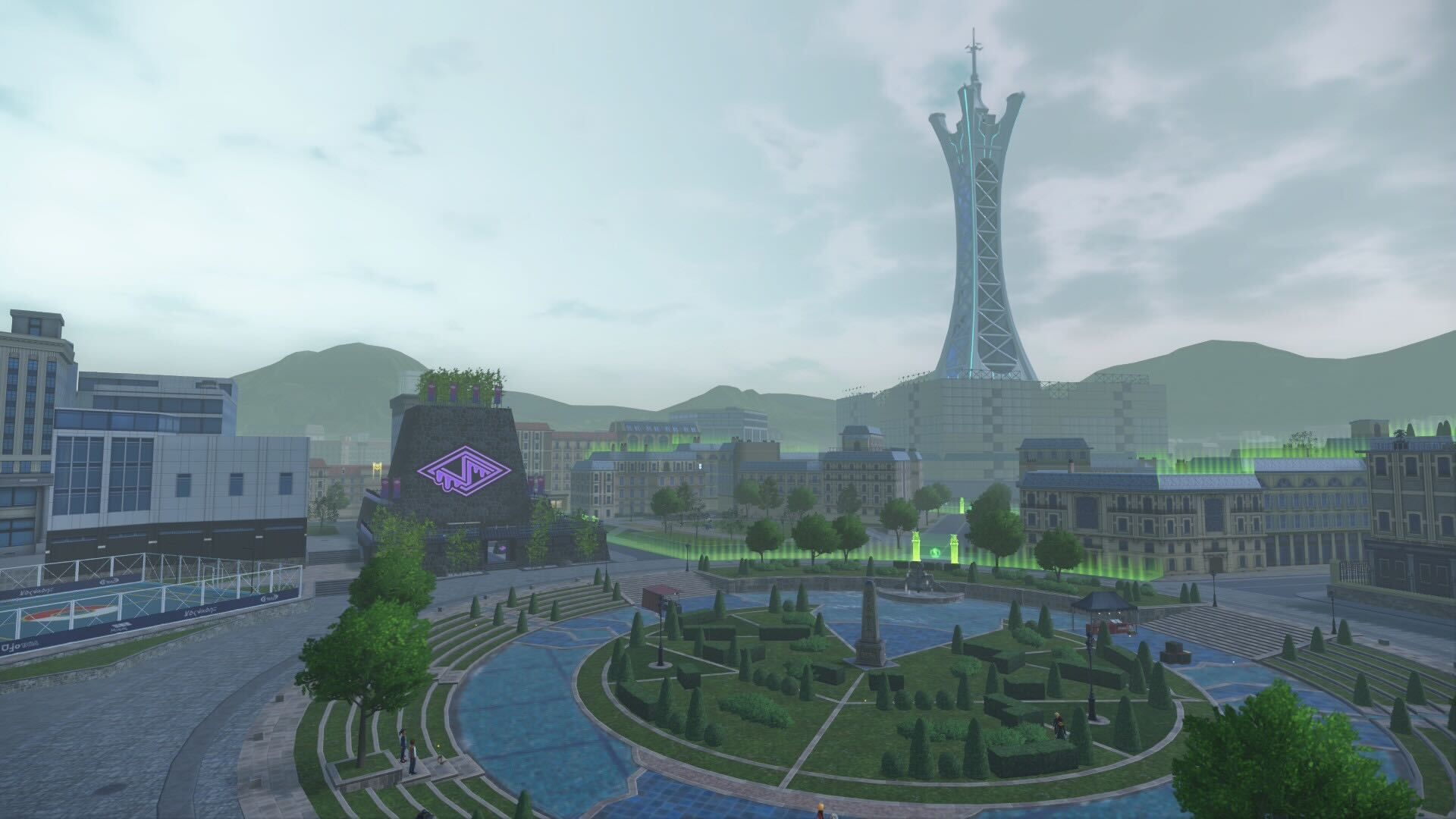
Z-A replaces the sparse, prehistoric-style regions of Arceus with a denser urban environment. The central hub, Lumiose City, contains parks, alleys, rooftops, and boutiques, and places Pokémon throughout a compact but layered map. As a result, the setting provides more varied vertical spaces and distinct landmarks compared with the open fields and plain biomes that characterized Arceus.
Combat system
Arceus experimented with turn-based speed manipulation, allowing players to alter attack timings and change turn order. In contrast, Z-A implements a real-time action-oriented combat system with cooldown-based attacks. Consequently, battles in Z-A tend to be faster and emphasize cooldown management, positioning, and timing rather than turn sequencing.
Fashion and customization
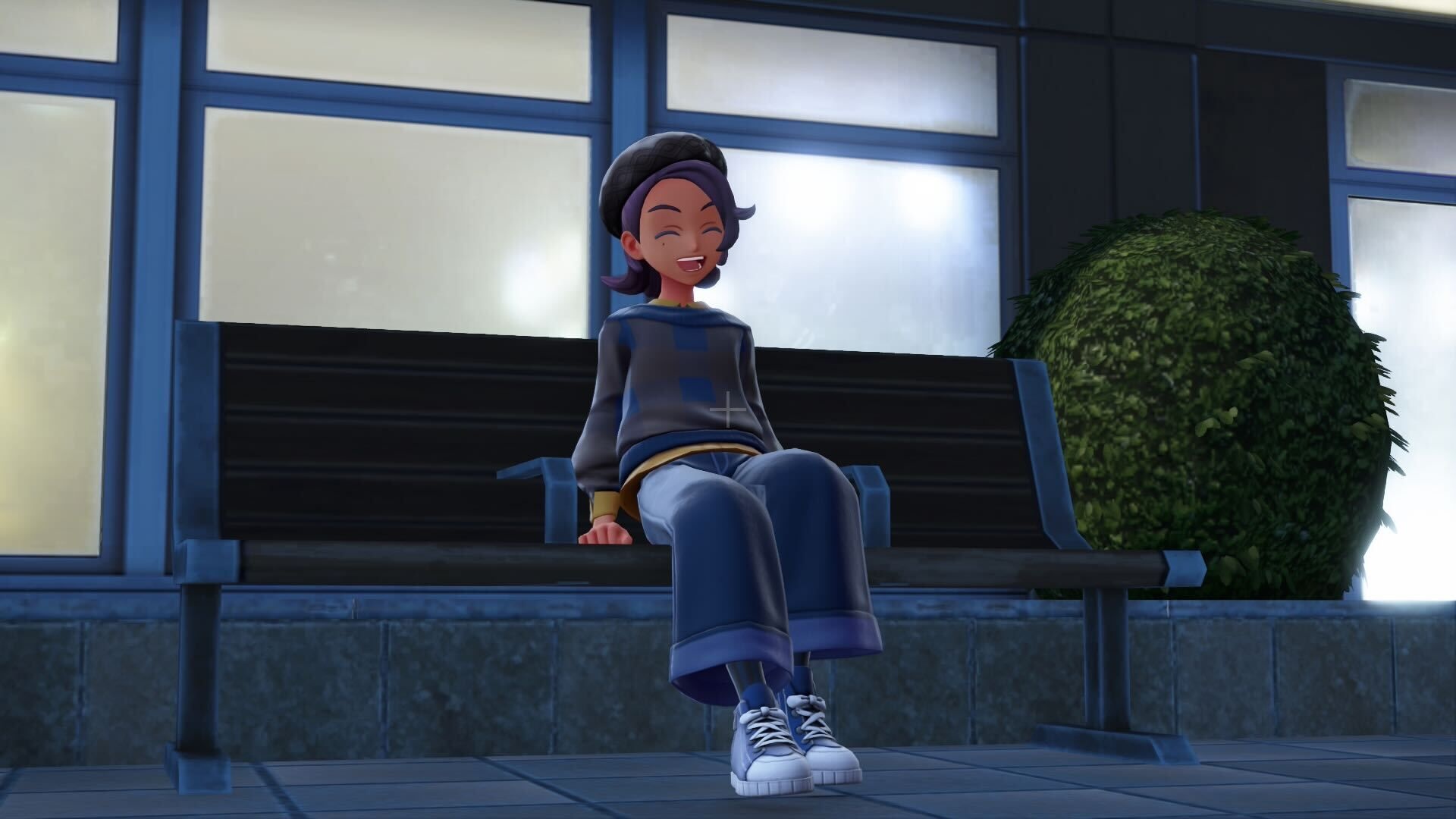
Z-A expands clothing options and character customization. The game includes multiple boutiques across its city hub where players can purchase and mix outfits inspired by the setting’s aesthetics. Therefore, customization is more visible and more easily accessible than in Arceus, where wardrobe options were present but comparatively subdued.
Pokédex composition (including Drilbur)
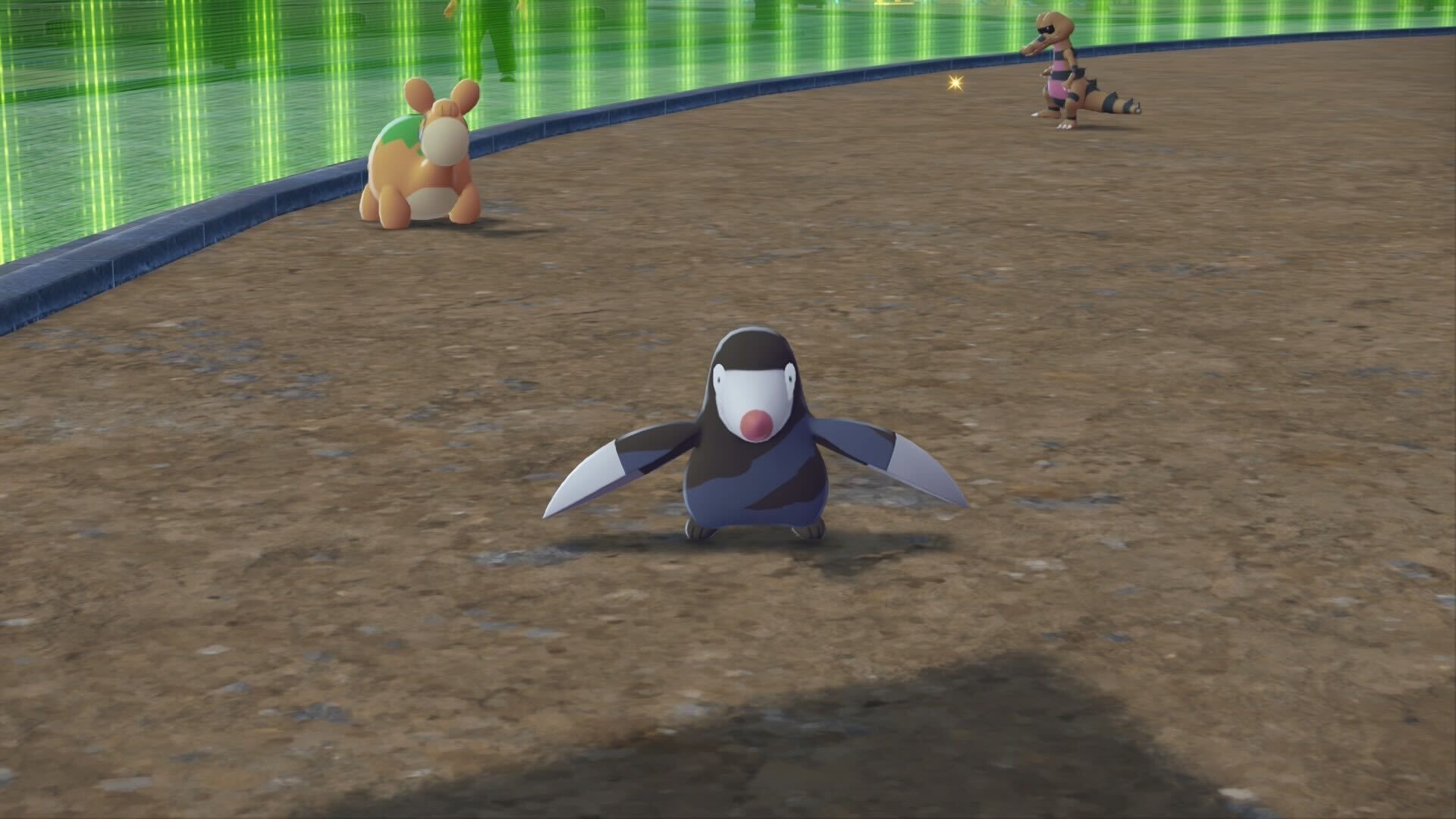
Z-A’s roster includes a wider range of Pokémon motifs and species that were not emphasized in Arceus’ naturalistic setting. For example, Drilbur appears in Z-A’s Pokédex, whereas it was not present in Arceus. Additionally, Z-A draws on designs and species that align with later-generation aesthetics, resulting in a more varied creature selection overall.
Also: remaining or weaker elements compared with Arceus
Collect-a-thon mechanics
Arceus used catch-focused research goals to justify repeated encounters with the same species for Pokédex completion. Z-A retains catch quotas tied to reward lists, but the game positions those quotas alongside a stronger emphasis on battles, making the repetition feel less integrated with the player’s stated role.
Side missions and boss encounters
Arceus featured side missions built around observation and environmental setpieces, plus large Frenzied Noble encounters that used scale and terrain in unique ways. Z-A’s side content tends to favor shorter battle- or delivery-focused tasks. Likewise, Z-A’s major boss encounters—such as Mega Evolution fights—use more standardized arenas rather than the varied setpieces used in Arceus.
Summary of concrete differences
In short: Z-A improves technical performance on Switch 2, presents a denser city environment, shifts to a cooldown-based real-time combat system, expands fashion options, and broadens the Pokédex to include Pokémon like Drilbur. However, it keeps some of Arceus’ collect-a-thon elements and simplifies certain side missions and boss setpieces.