After 8 Years of D&D, I Took the Plunge into Dungeon Crawl Classics – Here’s What Happened
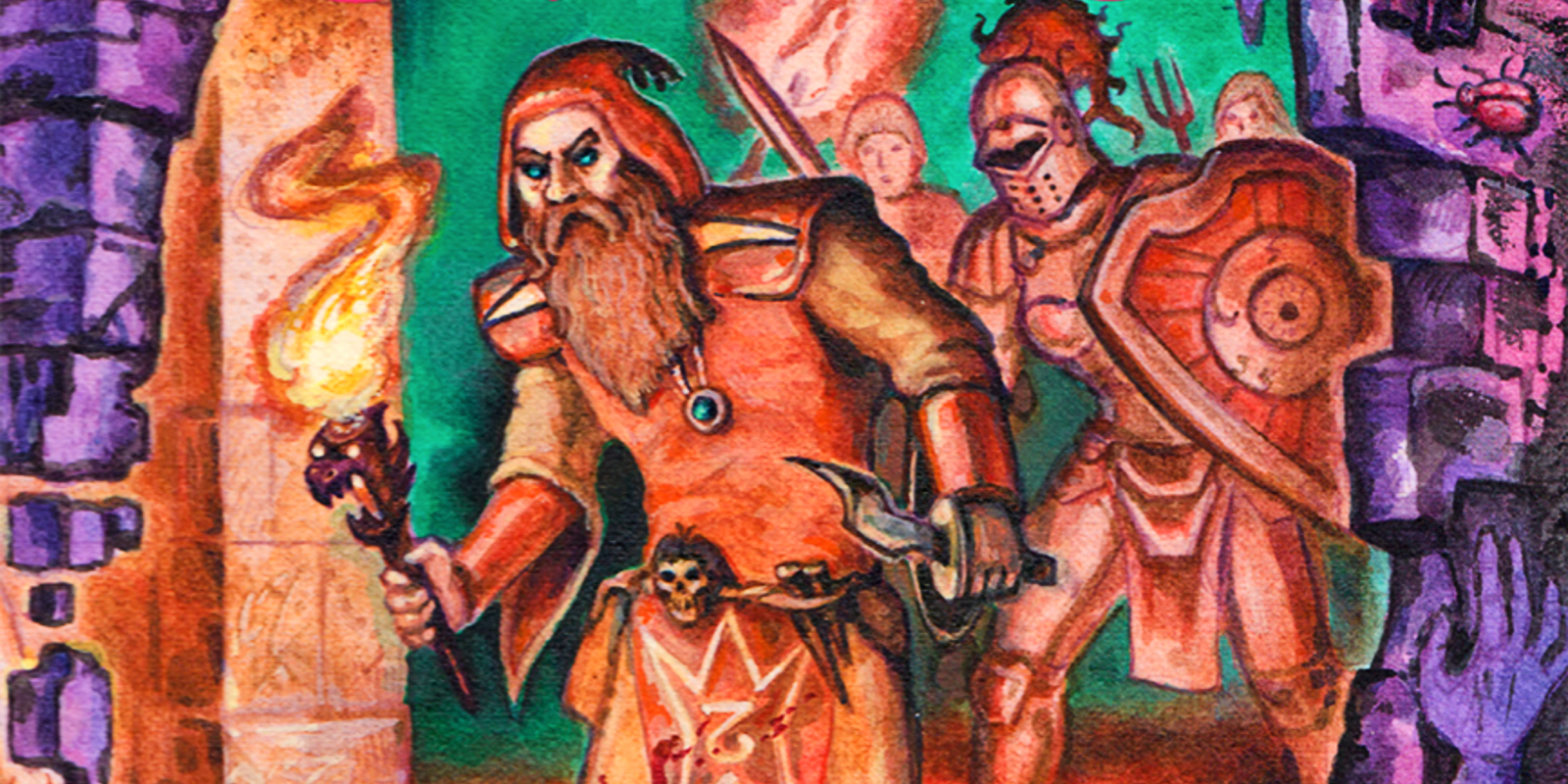
After eight years of diving deep into Dungeons & Dragons 5e, I finally decided to take a break and explore its biggest alternative: Dungeon Crawl Classics (DCC). If you’re into role-playing games and love that vintage, old-school vibe, this might just catch your interest. Let me walk you through what I discovered and why DCC could be worth your time—even if you’re a dedicated D&D fan.
- What the Old School Renaissance (OSR) movement is all about
- How Dungeon Crawl Classics blends retro style with streamlined rules
- Why DCC’s approach to character creation and gameplay feels fresh
- Lessons from DCC that can improve your D&D campaigns
- My personal experience switching from D&D to DCC for a session
Old School Renaissance and Dungeon Crawl Classics
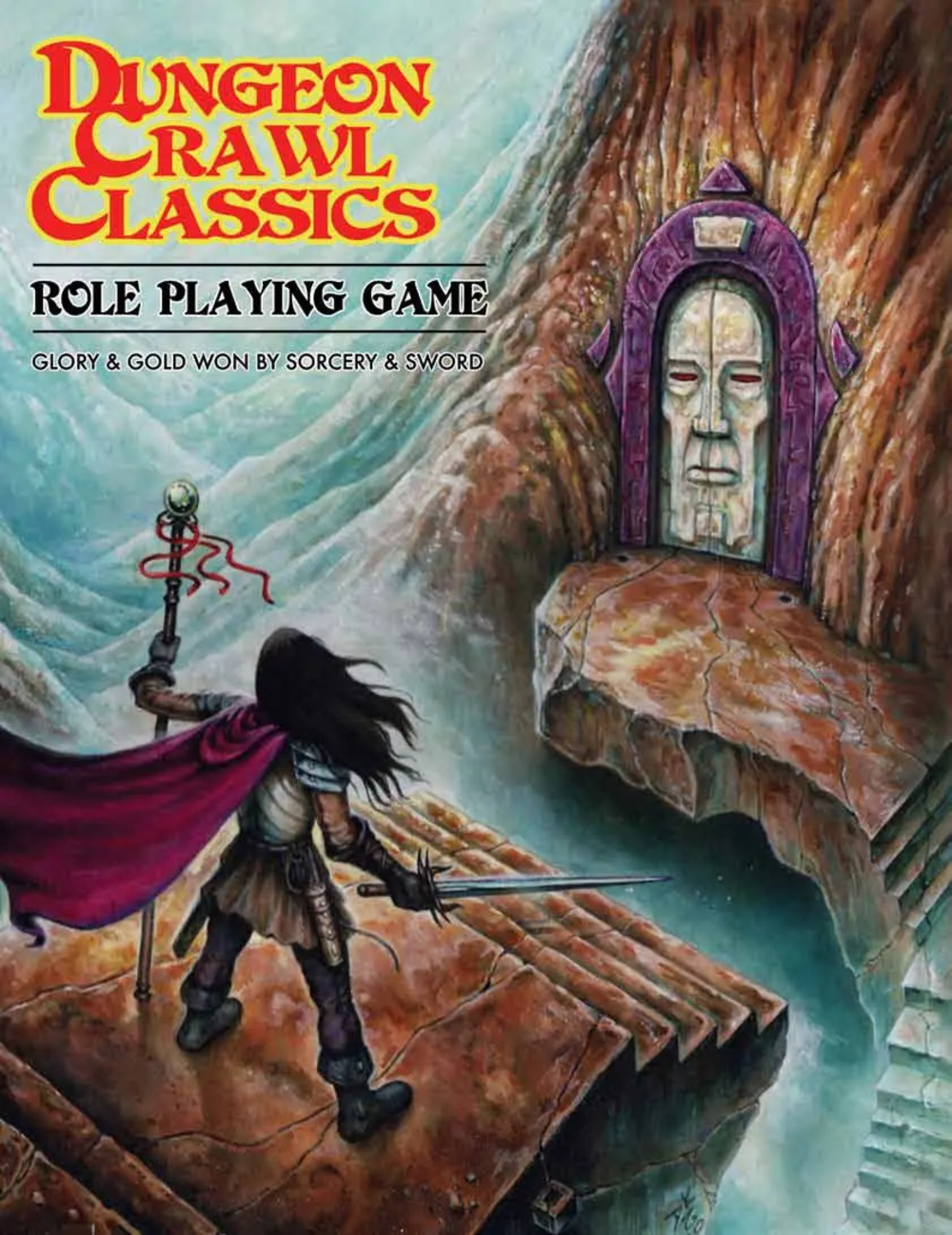
The Old School Renaissance (OSR) began in the mid-2000s as a reaction to Dungeons & Dragons 3rd edition. It grew from online forums into a community of gamers and designers who love the classic feel of early tabletop RPGs. Dungeon Crawl Classics, launched in 2012 by Goodman Games, is one of the most popular OSR games. It captures the gritty, pulpy spirit of the 1970s fantasy era—think Appendix N inspirations and iconic art styles—while using a simplified version of D&D 3e’s rules. Interestingly, DCC came out during the tail end of D&D 4e’s run, just before 5e took over with its massive success.
What Makes Dungeon Crawl Classics Different?
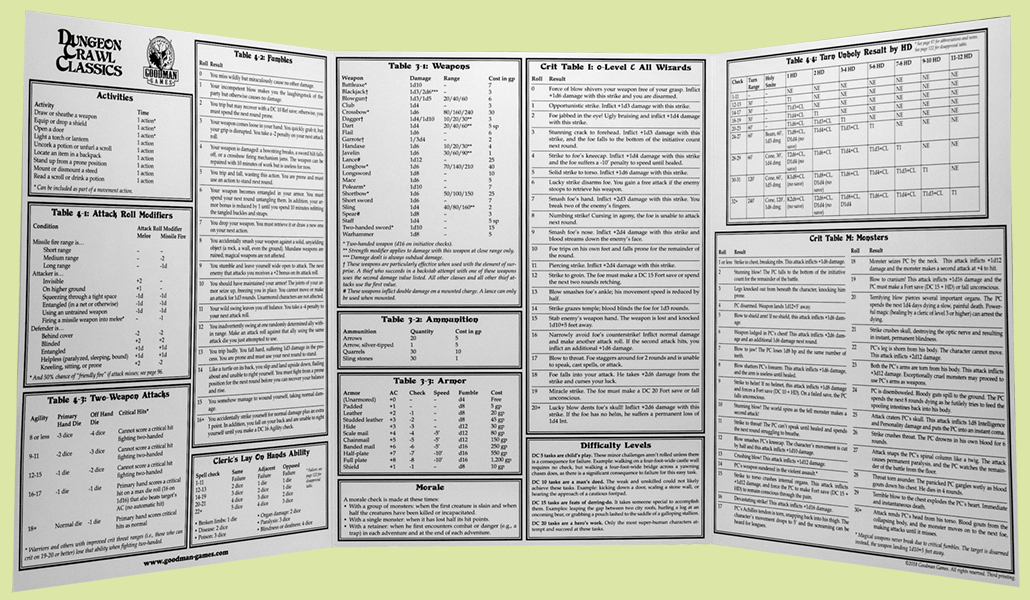
Unlike the heroic fantasy focus of D&D, DCC is all about survival in a brutal, treasure-hunting world. You start by creating multiple 0-level peasants, then send them into a deadly dungeon. Only the survivors get promoted to level 1, where the real adventure begins. This approach embraces randomness—stats are rolled without bonuses or player allocation, which surprisingly balances the game well.
One standout point is how DCC treats character levels. The game caps classes at level 10, and reaching higher levels is extremely rare and special. For example, a level 5 character is “once in a generation,” and a level 10 is practically a demigod. This contrasts with D&D 5e, where balancing encounters above level 4 can be tricky, and “high-level play” content is scarce. This old-school mindset offers a fresh way to think about progression and rewards.
Lessons for D&D Players and DMs
One key takeaway is that survival itself can be the reward. Instead of focusing solely on leveling up, DMs might consider other rewards like powerful items, treasure, or story-driven benefits that don’t impact game balance as heavily. This could make your campaigns feel more intense and meaningful without relying only on character advancement.
During my DCC session, the gameplay was fast-paced and challenging, with nonstop combat and exploration. All my players were on the edge of their seats, which was a refreshing change from some of the slower parts of my usual D&D games. It reminded me that mixing in some old-school unpredictability could really spice up our sessions.
Is Dungeon Crawl Classics for You?
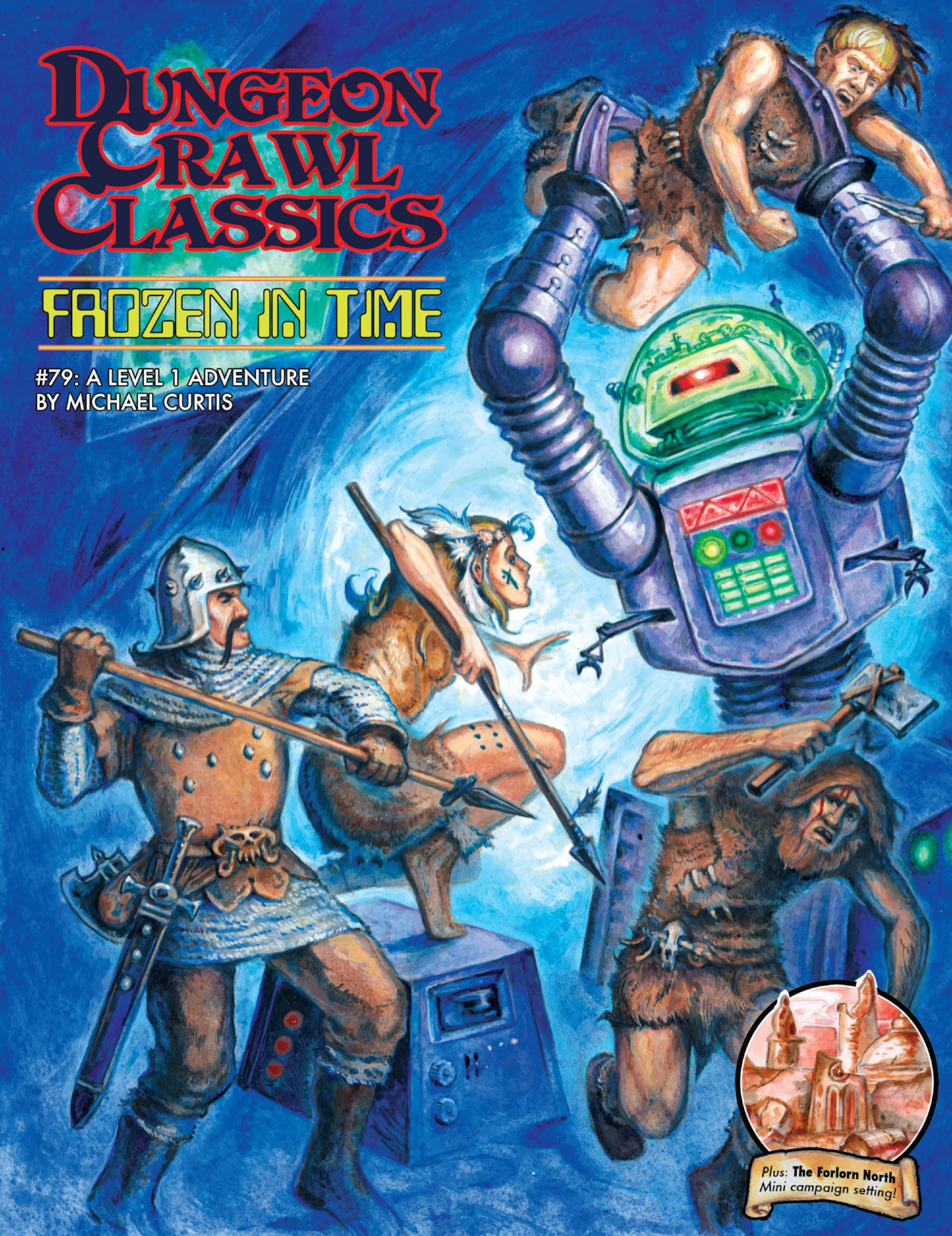
DCC isn’t perfect for everyone. Some might find the terminology outdated (like referring to “races” as classes) or take issue with the exclusive use of male pronouns in the rules. But if you’re curious about OSR games or want to try something different, DCC offers plenty of weird, wild, and deadly adventures—from laser harpies to barbarians fighting space robots.
If you want to learn more about the OSR mindset, check out A Quick Primer for Old School Gaming, a great manifesto by Matthew Finch from 2008.