Alien: Earth Season 1 — 5 Bold Wins That Wow and 5 Frustrating Mistakes That Hold It Back
Noah Hawley’s Alien: Earth completed its first season on FX, and the show mixes established franchise elements with several new ideas. Below are concrete, verifiable facts from season 1, arranged so you can scan the positives and the problems quickly.
- Casting and acting
- Music and sounds
- Intro and format
- Practical effects
- New creatures
- Pacing and structure
- Safety and security missteps
- Hybrid consistency questions
- Season finale payoff
- Summary
Casting and acting
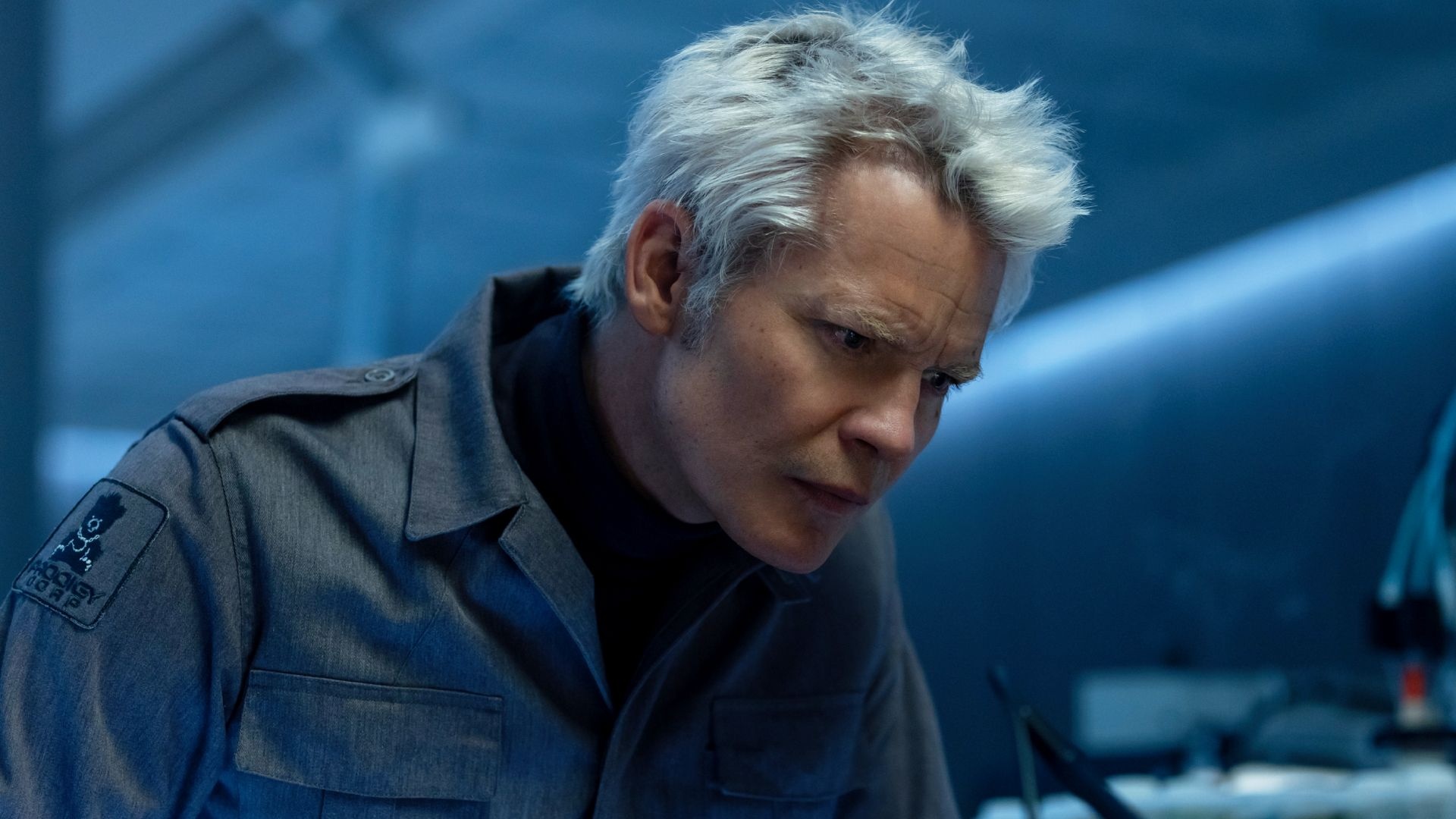
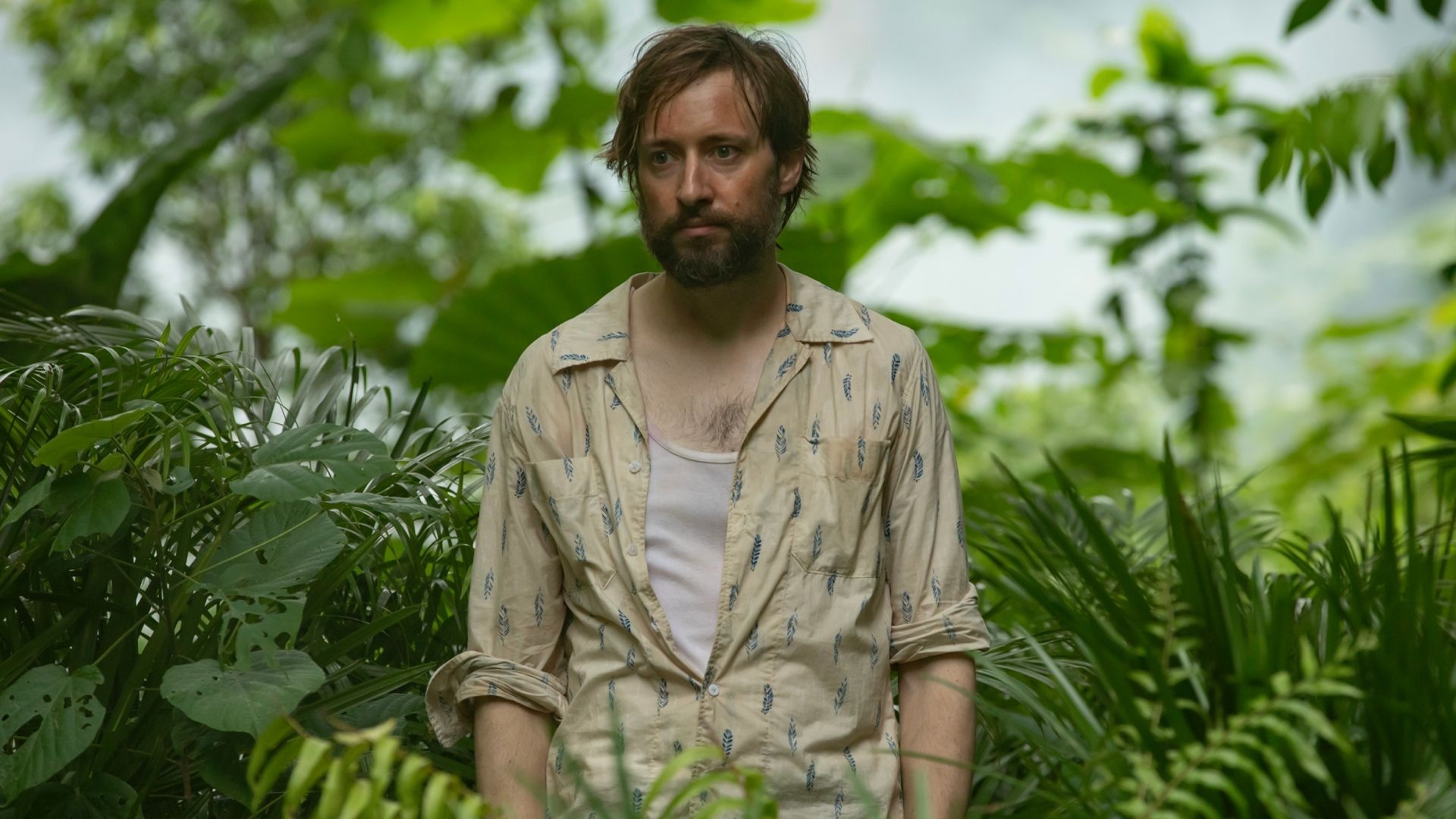
Season 1 credits list Babou Ceesay as Morrow, Timothy Olyphant as Kirsh, Samuel Blenkin as Boy Kavalier, Sydney Chandler as Wendy, Alex Lawther as Joe, Erana James as Curly (Jane), Adarsh Gourav as Slightly, Jonathan Ajayi as Smee, Lily Newmark as Nibs, Kit Young as Isaac, Karen Aldridge as Chibuzo, David Rysdahl as Arthur, Essie Davis as Dame Sylvia, and Adrian Edmondson as Atom.
Actors portray specific character types: Morrow is a Weyland-Yutani-affiliated cyborg; Kirsh is a synthetic; Boy Kavalier is a tech CEO; Wendy is one of the first Hybrids created by Prodigy. These casting assignments are consistent across the season’s credits and promotional materials. 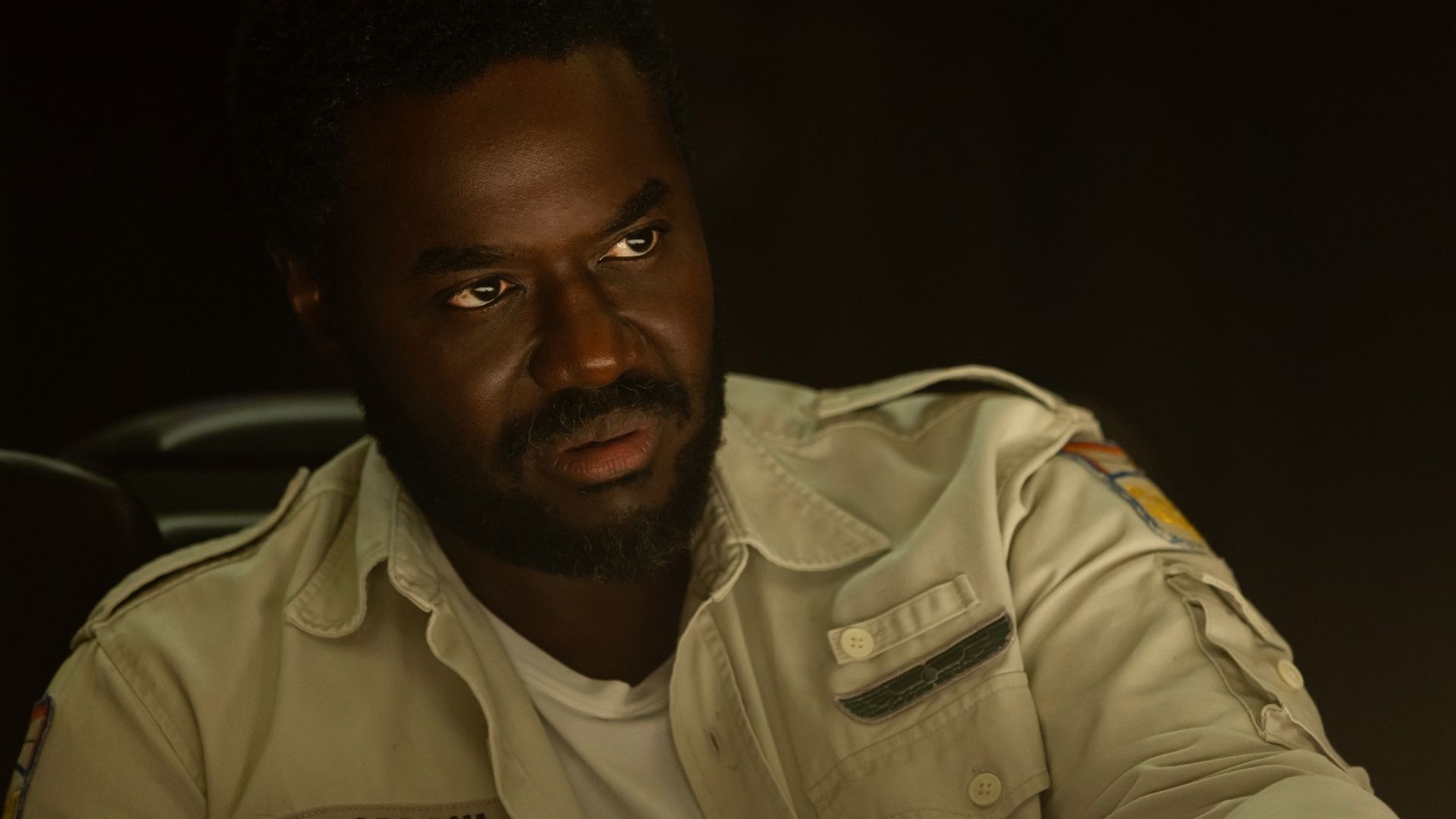
Music and sounds
Each episode ends with licensed rock tracks from the 1990s and early 2000s in the credits. Examples include Tool’s “Stinkfist,” Metallica’s “Wherever I May Roam,” and The Smashing Pumpkins’ “Cherub Rock.”
Additionally, the season uses older songs within episodes, such as The Ink Spots’ “We’ll Meet Again,” and Alt‑J’s “Tesselate” during a scene leading up to a meeting between Prodigy and Weyland‑Yutani. The opening sequence features an eerie remix of Cream’s “Strange Brew,” with Noah Hawley credited for providing vocals and altered lyrics; details about that remix were reported by Consequence.
For more on Hawley’s involvement with the remix, see this report from Consequence.
Intro and format
The show’s episode openings use a short, three-beep tone followed by the title and a brief visual recap of the previous episode. This structure appears at the start of each episode and replaces a longer animated credits sequence common to other series.
Practical effects
Alien: Earth employs multiple practical creature suits and animatronics. The production used a full-size animatronic Xenomorph puppet referred to in set reports as “Steve,” plus additional suits for on-screen alien interactions. The series mixes practical effects with visual effects, and practical elements are visible in several episodes. 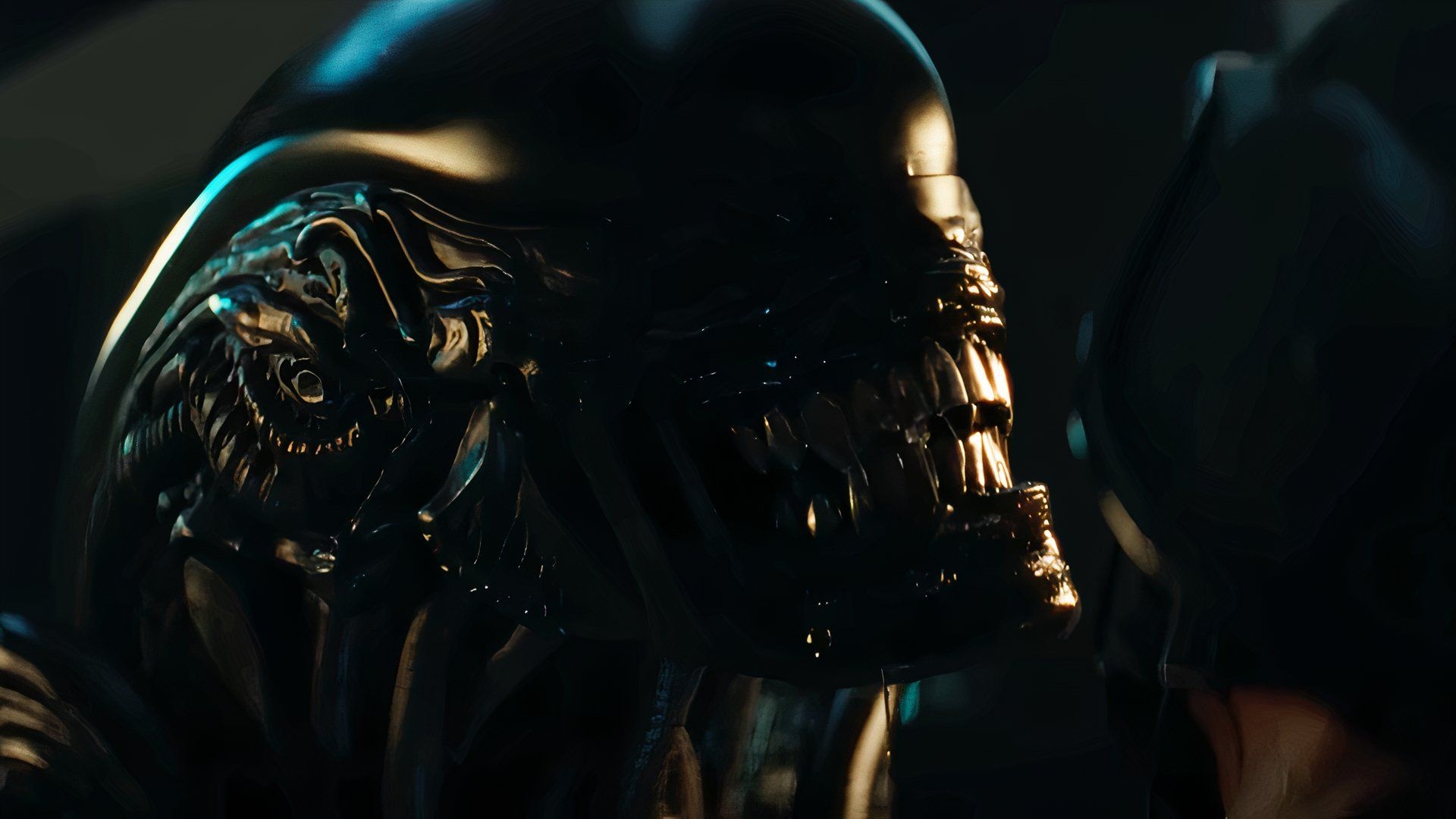
New creatures
Beyond traditional Xenomorph designs, season 1 introduces several non-Xenomorph species and biological entities. These include:
- a ceiling-dwelling plant organism that appears in the Maginot wreckage;
- a hive of flying parasitic insects described on-screen as deadly flies;
- a small swarm of tick-like creatures shown in multiple episodes;
- an organism labeled in some coverage as t. ocellus or “eyeball alien” (Species 64), which appears in multiple scenes and interacts with several main characters. {eyeball-alien-earth_20250925_180046.jpg}
Pacing and structure
Season 1 spans eight episodes, with an aggregate runtime close to eight hours. The Xenomorph first appears in episode 1 during the Maginot sequence, and later episodes spread creature encounters and corporate plotlines across the season.
Episode endings frequently cut to credits at moments that some viewers and reviewers described as abrupt. The finale, episode 8, includes several plot threads that remain unresolved at season’s end, while earlier episodes front-load a major Xenomorph encounter in the pilot.
Safety and security missteps
Multiple on-screen decisions raise questions about laboratory and containment protocols. Notable on-screen examples include:
- Samples and live organisms from the USCSS Maginot being transported to Prodigy facilities;
- a scene where a medical officer, Chibuzo, is shown handling food while also interacting with specimens in the same environment;
- several containment units depicted as glass, which are breached during incidents in the storyline;
- a jailbreak event involving t. ocellus and break‑proof glass that is shown to be ineffective in specific scenes.
These sequences are presented in the show as plot devices that lead to containment failures and subsequent security responses. 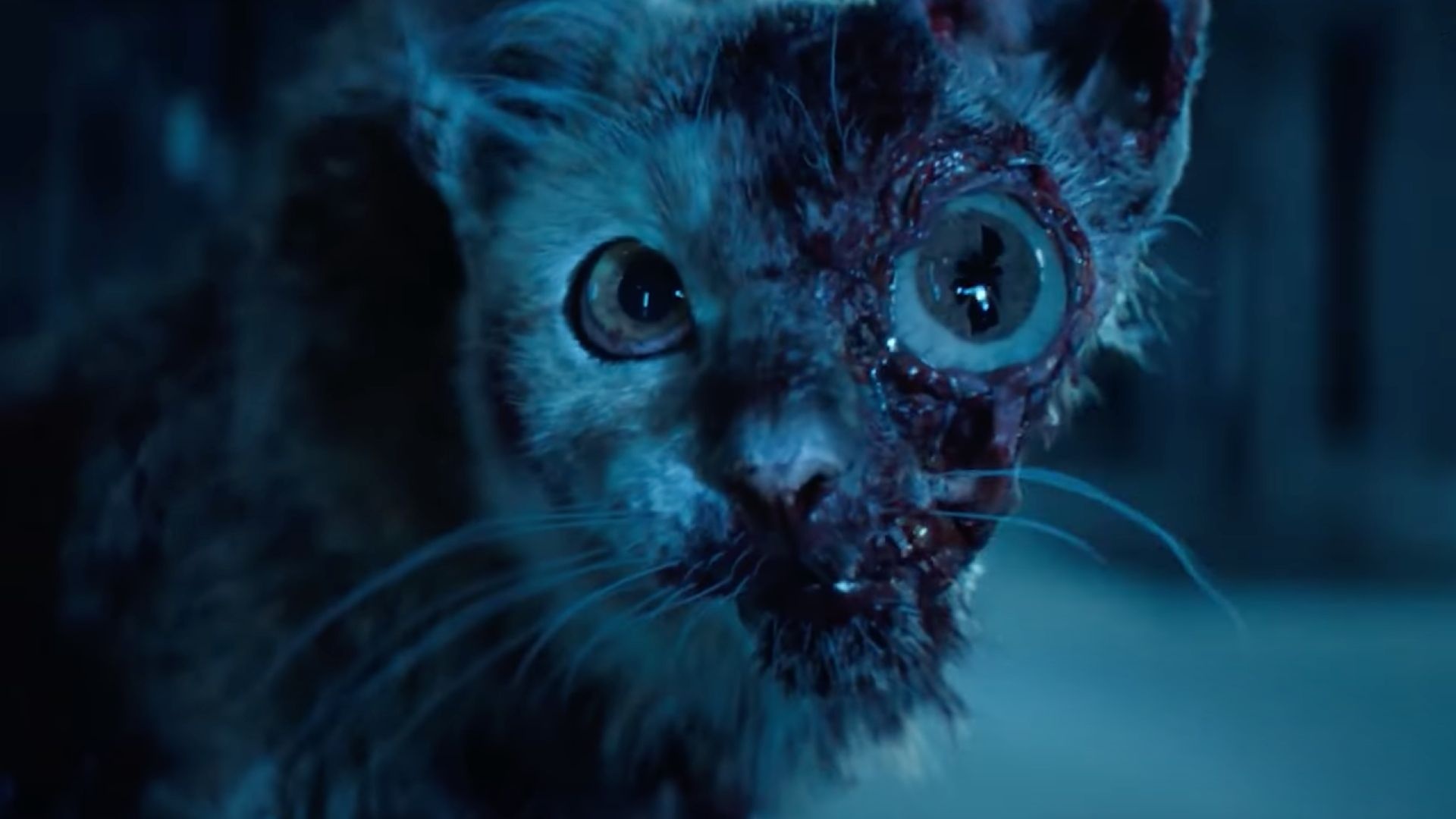
Hybrid consistency questions
Prodigy’s Hybrids, referred to on-screen as the “Lost Boys” and other names, display varied capabilities across episodes. Specific on-screen facts include:
- Wendy is described as the first Hybrid created by Prodigy and is shown to detect or interpret high-frequency sounds attributed to Xenomorph vocalizations;
- other Hybrids do not demonstrate the same Xenomorph-hearing ability on-screen;
- Nibs sustains multiple physical traumas in episode 7 and is later shown in episode 8 with injuries apparently repaired; the show depicts medical repair capabilities for synthetic bodies;
- Isaac is shown on-screen suffering catastrophic facial damage from parasitic flies; the series presents differing explanations about recovery potential for Hybrids versus synthetic-only entities.
These portrayals create differing outcomes for characters who share the same general classification (Hybrid), and the season does not present a single, explicit in-universe rule that explains every observed difference. 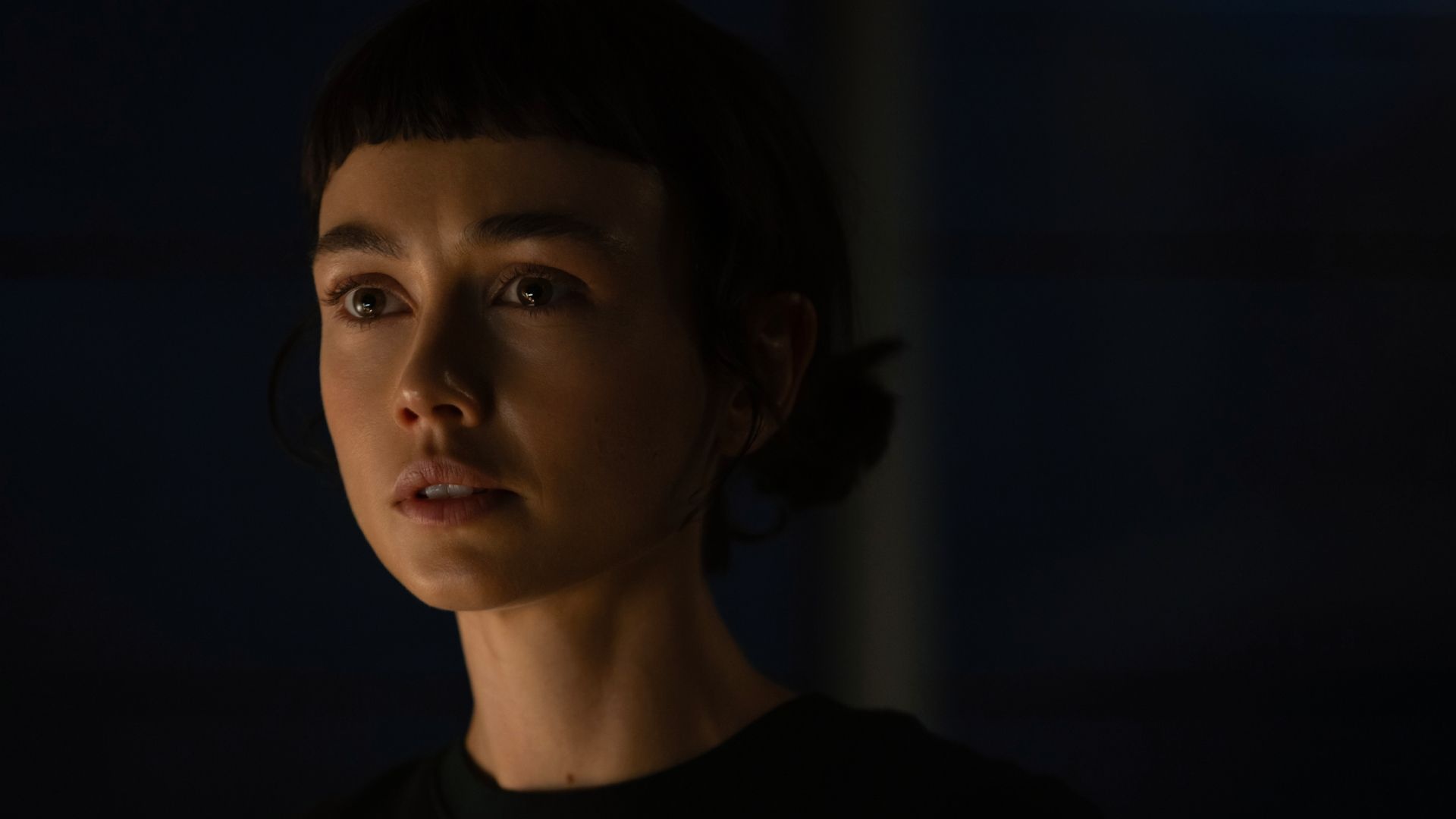
Season finale payoff
The finale resolves some immediate threats but leaves multiple plot threads open. On-screen events in episode 8 include:
- Wendy’s Xenomorph is shown on Neverland and engages with security forces in limited on-screen actions;
- t. ocellus is shown entering a corpse (Arthur) rather than performing a previously teased action on Boy Kavalier;
- the ceiling-dwelling plant organism reappears briefly and consumes a Prodigy security member on-screen;
- interpersonal tension among Hybrids is addressed in dialogue, with Curly asking to be called Jane and continuing to follow Wendy’s commands in the final episode.
The season ends with multiple unresolved narrative elements intended to carry into a potential season 2, pending renewal decisions by FX and the production team.
Summary
In factual terms, Alien: Earth season 1 presents a defined cast in specific roles, a soundtrack that mixes licensed rock and older recordings, a concise episode intro format, practical creature effects, and several newly introduced organisms. The season’s eight-episode structure places major creature encounters early and leaves several storylines open at the finale. Finally, the series shows on-screen containment and continuity inconsistencies that are observable in multiple episodes.