Alien: Earth’s creepy-cute “Eye Midge” was inspired by Ridley Scott’s scrapped Xenomorph twist — Noah Hawley says it might be super smart
Alien: Earth season 1 introduced a small but memorable alien that many viewers have noticed: a creature classified on the show as Trypanohyncha Ocellus and nicknamed the “Eye Midge” by cast and crew. Showrunner Noah Hawley discussed the monster’s possible intelligence, referenced an abandoned idea from Ridley Scott’s early Alien drafts, and spoke about character choices and the series’ place in the franchise timeline.
- Eyeball monster origins and intelligence
- Timothy Olyphant and the robot Kirsh
- Timeline and how the show may meet the movies
- Corporations, maps, and capitalism in the show
Eyeball monster origins and intelligence
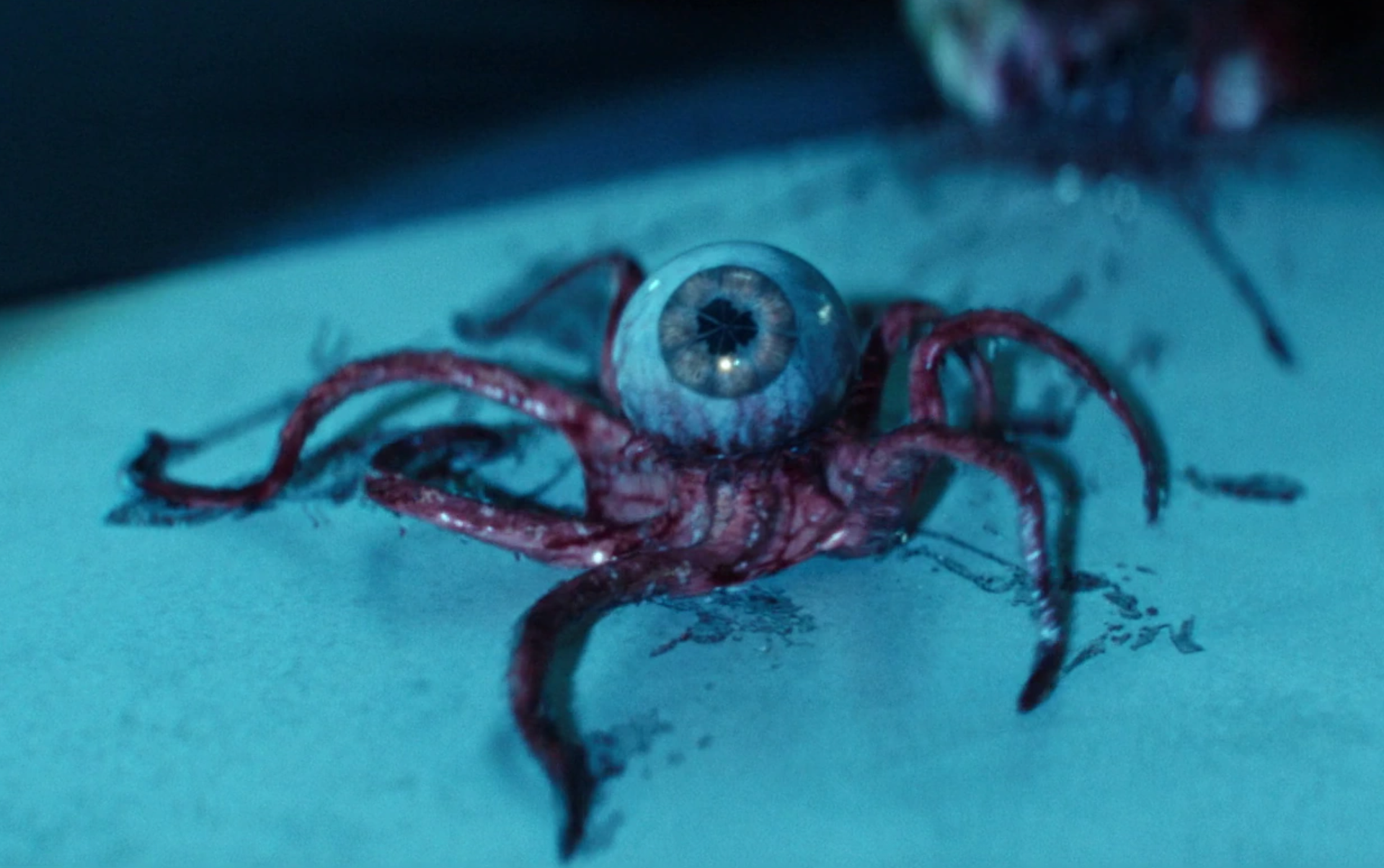
The creature on Alien: Earth is identified in-universe as Trypanohyncha Ocellus. Additionally, cast and crew call it the “Eye Midge”. Noah Hawley said the species’ intelligence is one of the show’s central mysteries.
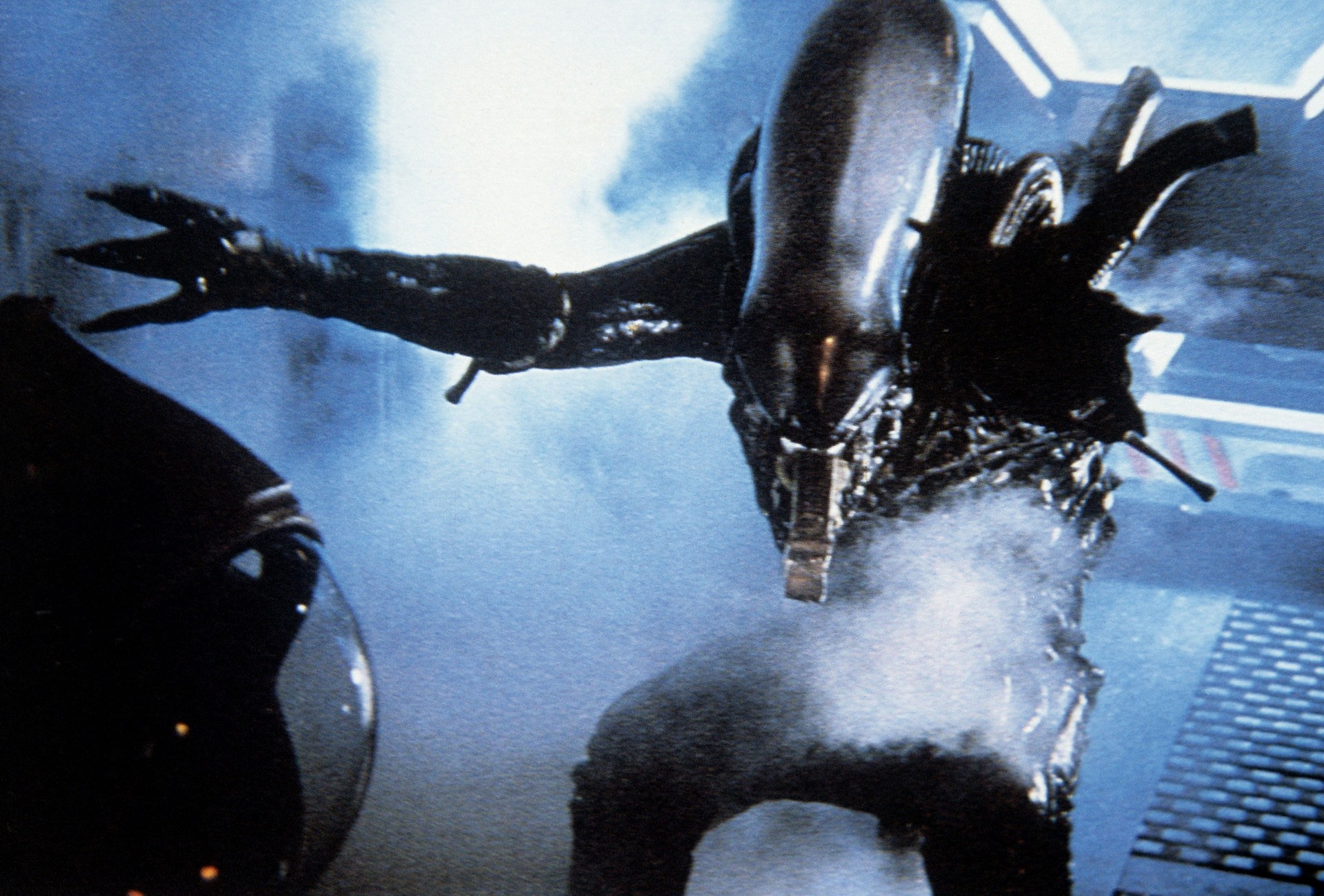
Hawley described an early conversation with Ridley Scott about an unused idea from the 1979 Alien drafts. In those drafts, the Xenomorph would have killed Ellen Ripley in the escape pod, then used her voice to send a message back to headquarters. Hawley said this early idea hinted at a high level of intelligence for the original creature and influenced how he thought about the Eye Midge.
Hawley said, “I had this interesting conversation with Ridley Scott early on.” He also said, “I think Ridley Scott made the right choice not to do that,” and added that the conversation “did sort of indicate an idea for the super intelligence of this creature.”
Hawley also commented on the show’s concrete mysteries: “What’s scary about this creature, other than the fact that it pops your eye out and takes over your mind, is that we begin to worry that it has a level of intelligence that isn’t just an animal hunting, that there could be a larger agenda, problem-solving strategy going on there.” He noted that the show has not yet revealed how the Eye Midge reproduces or what a larger infestation would do.
Timothy Olyphant and the robot Kirsh
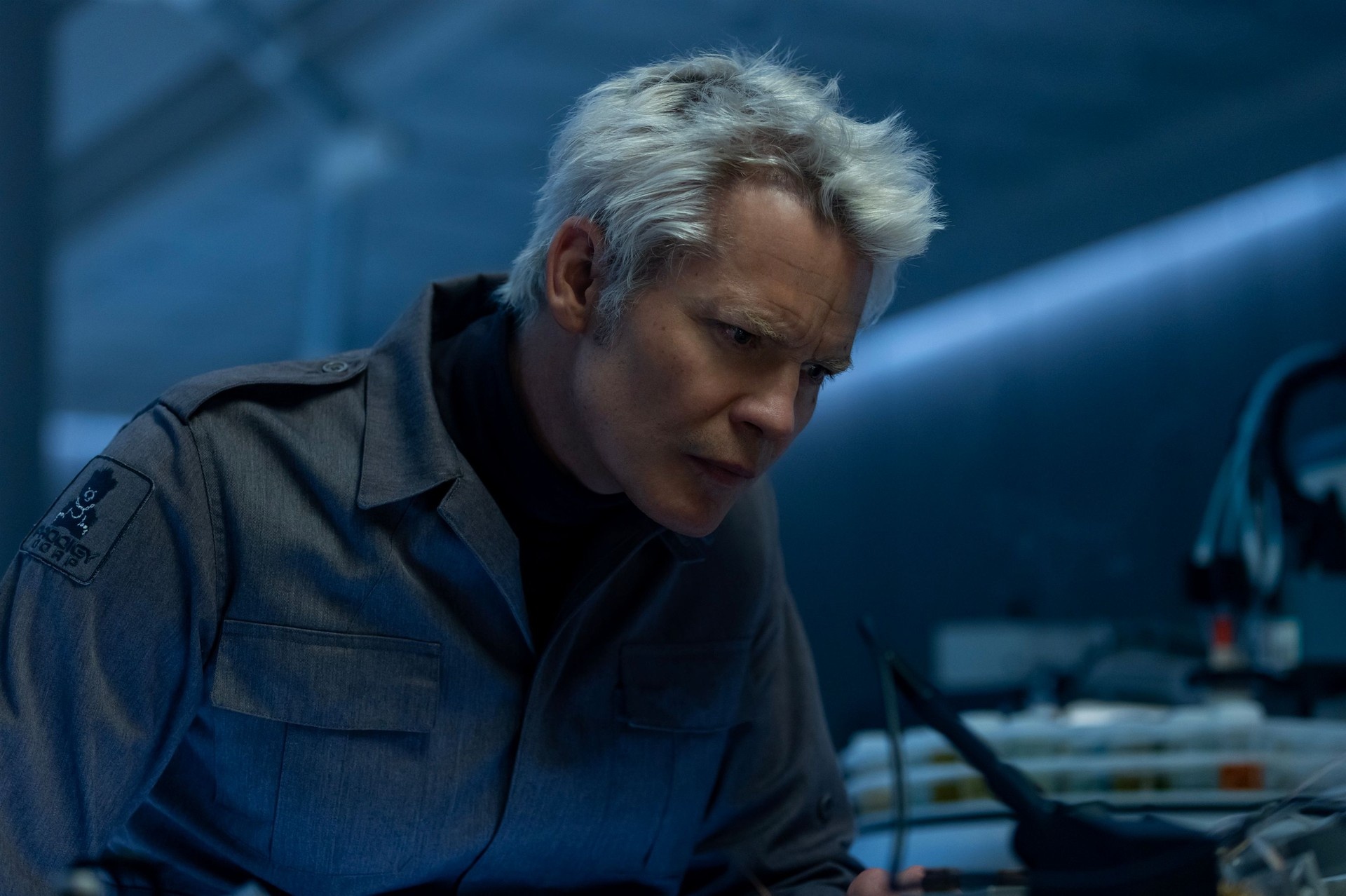
Timothy Olyphant plays Kirsh, a platinum blonde robot. Hawley said he largely let Olyphant follow his instincts while offering a specific note about Kirsh’s behavior toward his boss, Boy Kavalier.
Hawley explained: “Tim’s not a big process guy. He doesn’t really want to talk through it. He wants to try things and be and be guided. And I didn’t mess with it. He was doing a great job. But I did suggest to him early on to think about his interactions, especially with Boy Kavalier.”
The showrunner added a possible behavioral constraint for the character: “There’s probably a prime directive that he’s not allowed to hurt anybody, and especially not his boss. He may even have a directive that he’s not really allowed to contradict or argue with his boss, or make his boss look bad in front of other people. So in the moments where he’s convinced that his boss is wrong, he’s not really allowed to say it. So what is his reaction in the moment where a person would become angry? He’s more programmed to smile; to sort of grin and bear it.”
Timeline and how the show may meet the movies
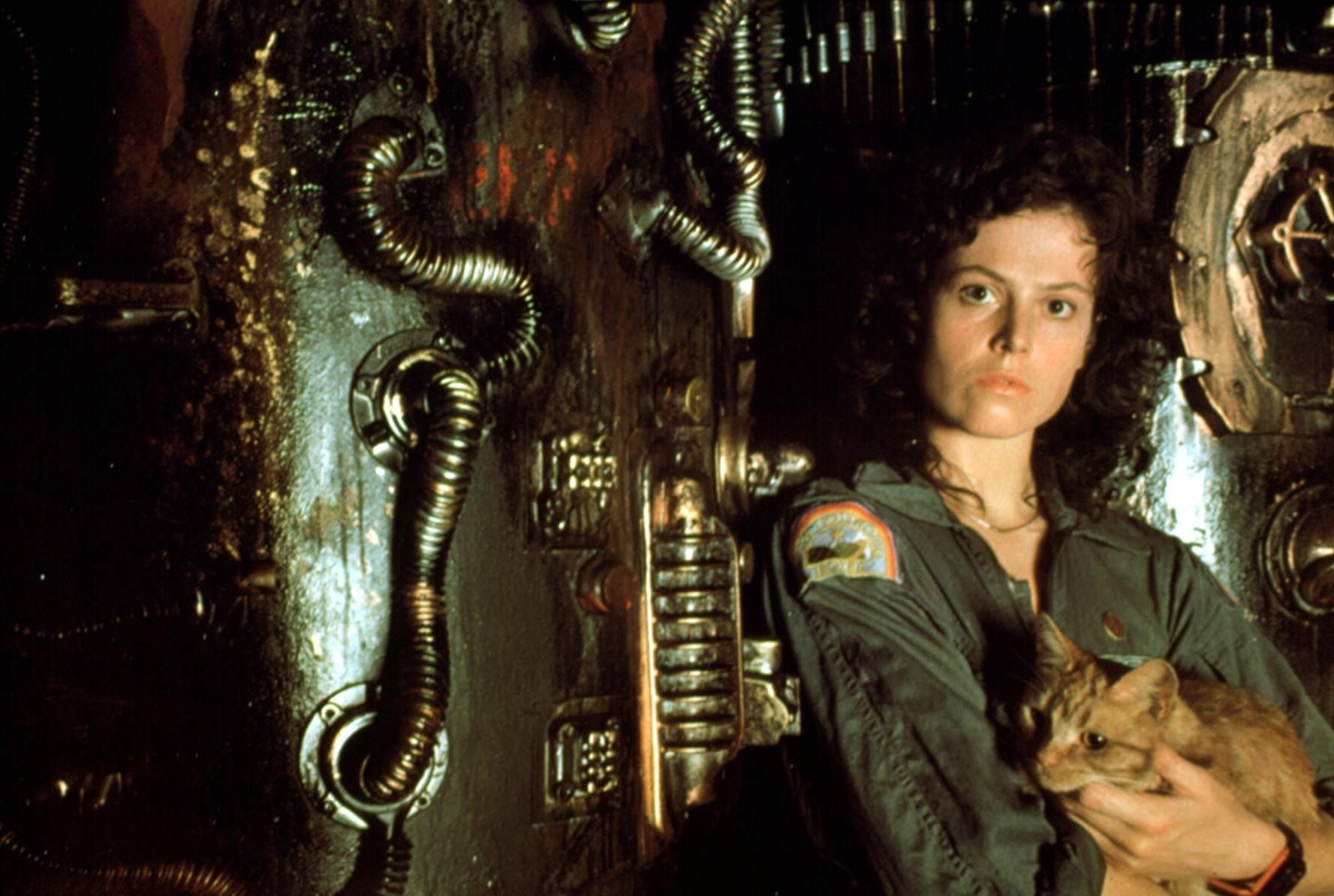
Alien: Earth is set in 2120, which the show notes is two years before the original Alien. Hawley said season 1 focused on establishing the world, and that future seasons would need to consider the franchise timeline if the show continues.
Hawley said, “The first season of a show is a proof of concept. If you get a pickup for season 2, then you have to think about season 3.” He added that with more seasons, he would consult the early Alien films “as landmarks on a map” to navigate how the show might overlap with the original movie.
Corporations, maps, and capitalism in the show
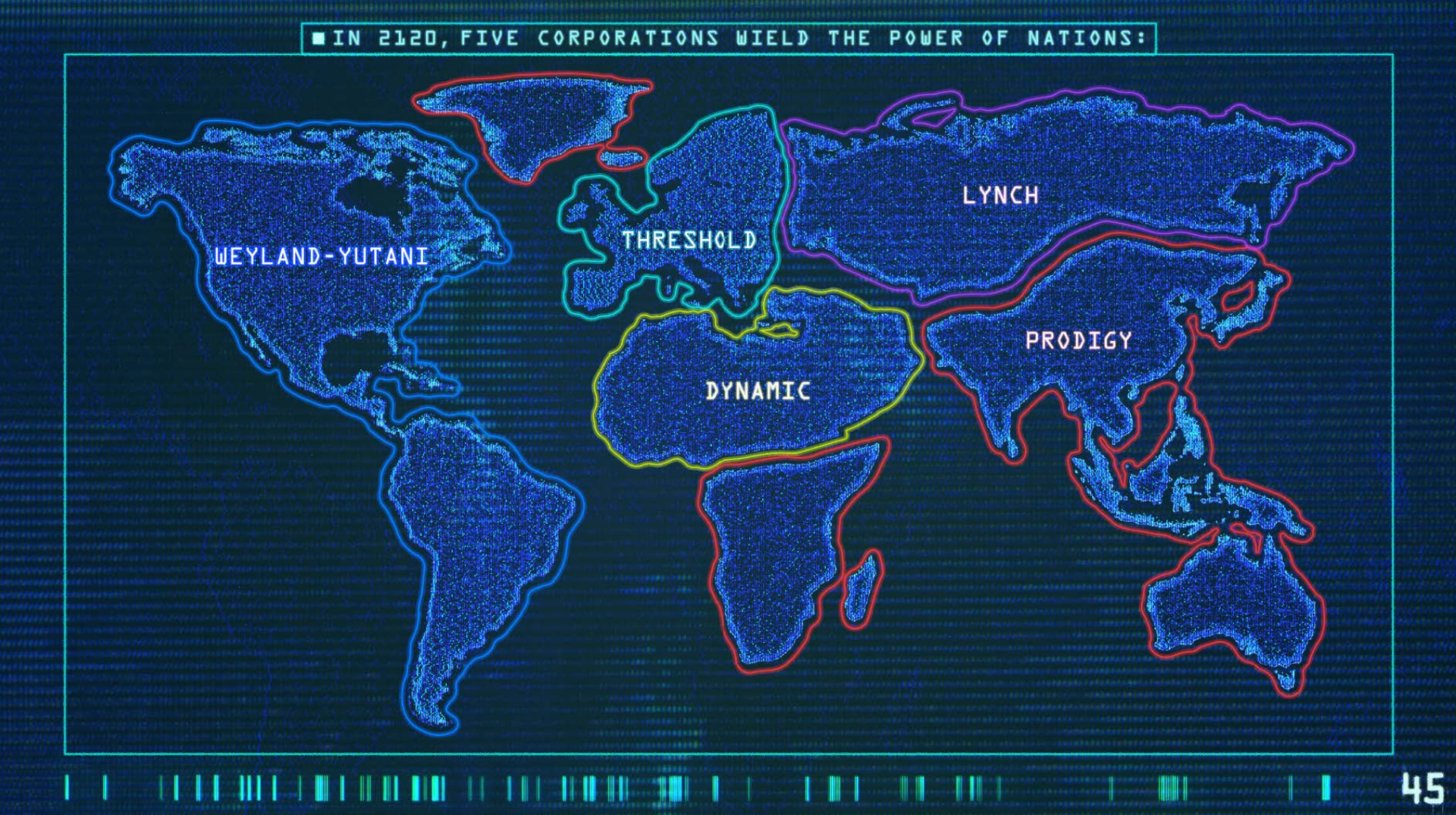
The show’s press materials include a map showing how five fictional companies divide the world by 2120. Some names on that map, such as Threshold and Lynch, had not previously appeared in Alien fiction.
Hawley described the map as “an exercise of futurism” and said those companies could play larger roles if the series expands. He said, “There’s definitely more we have had to think through in terms of how the larger mythology works, that certainly, if we get to expand the story, we’re going to address.”
On corporate consolidation, Hawley stated, “There is an inherent gravitational pull toward monopoly that I feel is the end product of capitalism.” He also noted the familiar place of Weyland-Yutani in the franchise and suggested the series may explore how corporate dominance emerged in the timeline leading to the films.