Alien: Earth’s Practical Effects Are Wild — Meet the “Eye Midge”, New Xenomorphs, and the Ghost of Giger
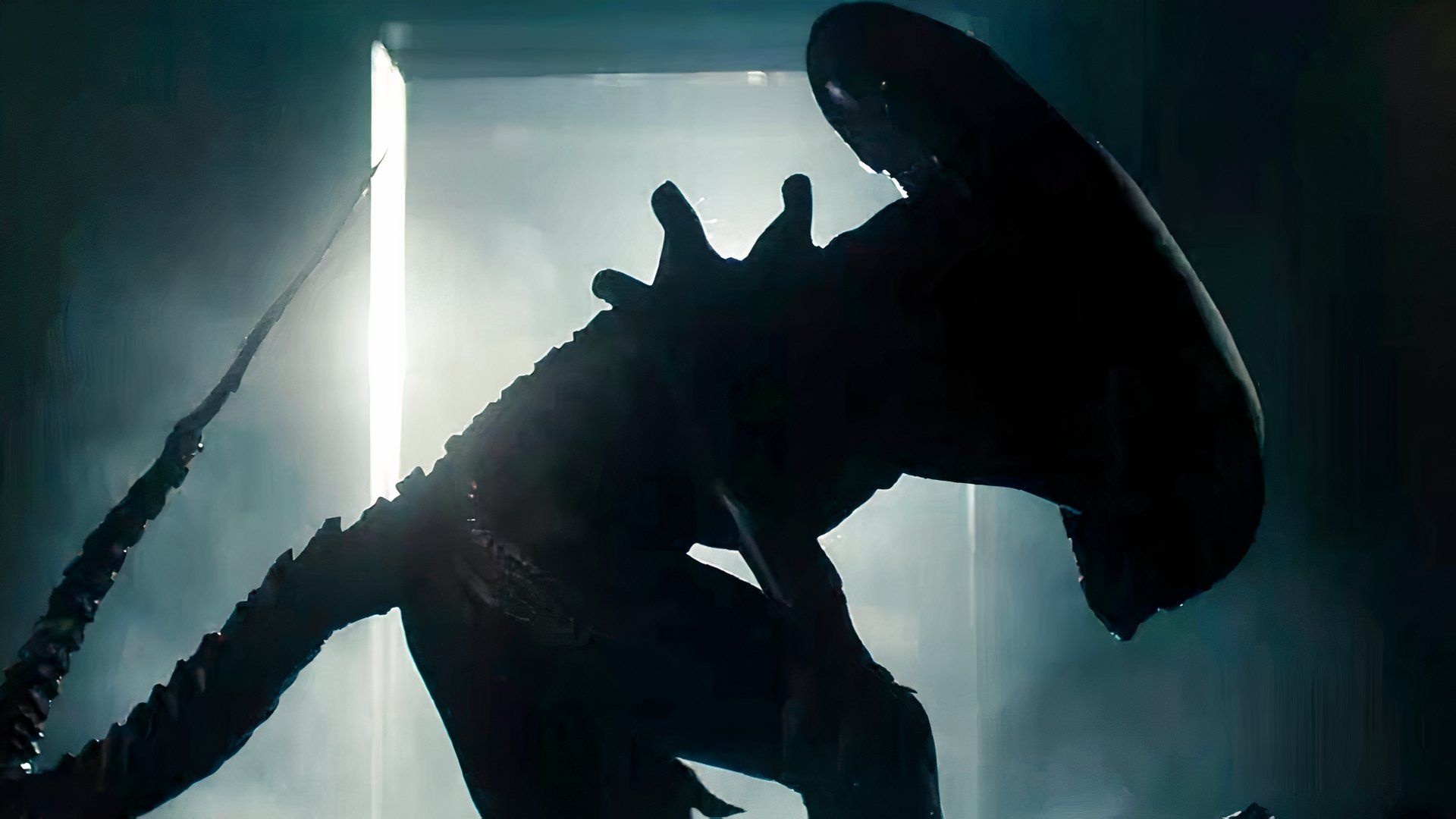
Alien: Earth leans hard on practical effects and classic Alien design cues while adding new creatures. According to the show’s prosthetics lead, many CGI moments began as physical builds, and the art and creature teams worked with Wētā Workshop to honor H.R. Giger’s visual language while introducing new designs and practical suits.
- Conception and art direction
- Creation: prosthetics, drool, and the chestburster
- Execution: suits, performers, and the Eye Midge
Conception and art direction
Supervising art director Vaughan Flanagan and Wētā Workshop art director Joe Dunckley led the visual effort to make the show feel like part of the Alien universe. In particular, the team focused on making the Xenomorphs read correctly on screen. As Flanagan put it, “In terms of what we were nervous about, it was everything,” referring to the creature design process.
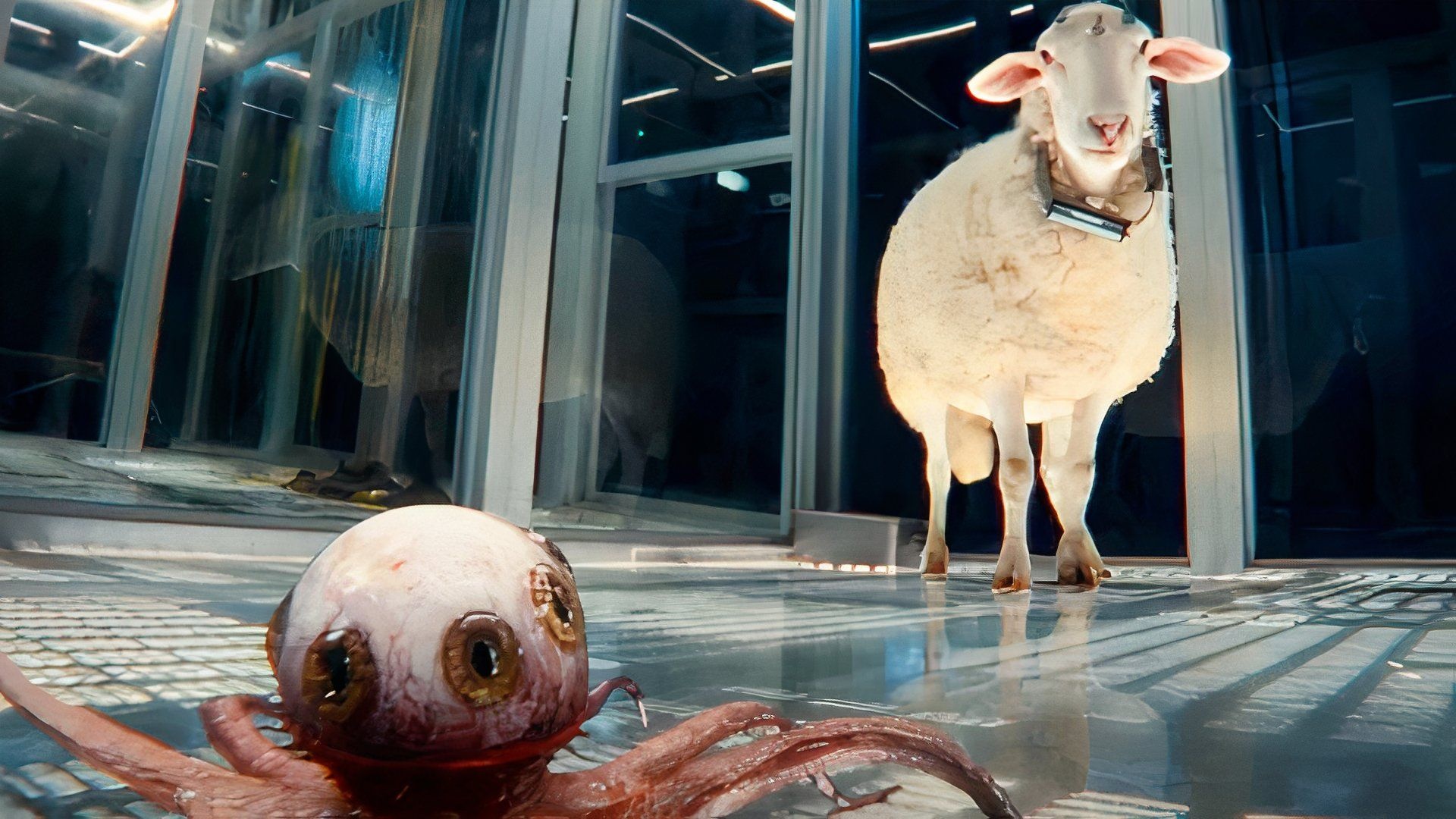
At the same time, the show introduced new species, such as the eyeball creature known as t. ocellus. The design team had more freedom with these new aliens, but kept a nod to the franchise’s retro-futuristic look. For the altered Xenomorph life cycle and the semi-tame variant tied to Wendy, the team adjusted color and scale. Dunckley explained some of that palette work: “We brought in some of the original Giger [color] palette into that area, leaning into some sepias. Just a little nod [to Giger’s designs] there.”
Creation: prosthetics, drool, and the chestburster
Lead prosthetics designer Steve Painter emphasized a practical-first approach: “Everything that you see as CGI is actually built practically first.” That practical mindset extended to suits, animatronics, and props, with modern materials used to make effects safer and cleaner than older methods.
For creature fluids and goo, the team relied on technicians and materials that reproduced the original film’s slippery look without the biohazard mess. Painter said, “KY Jelly still makes its appearance now and again, trust me.” The production used rooms of technicians to adjust textures and stretchiness to get the Xenomorph drool right.
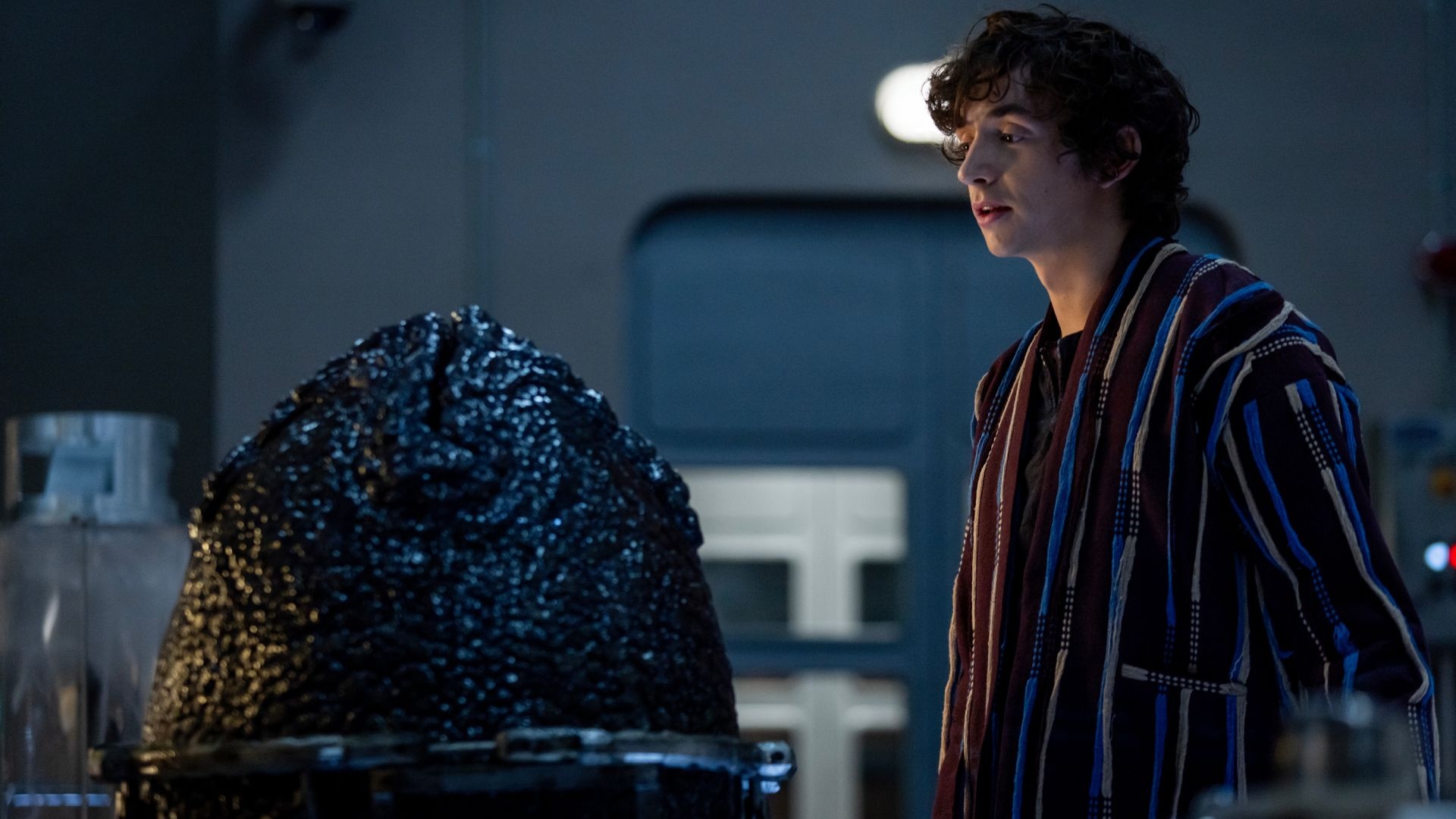
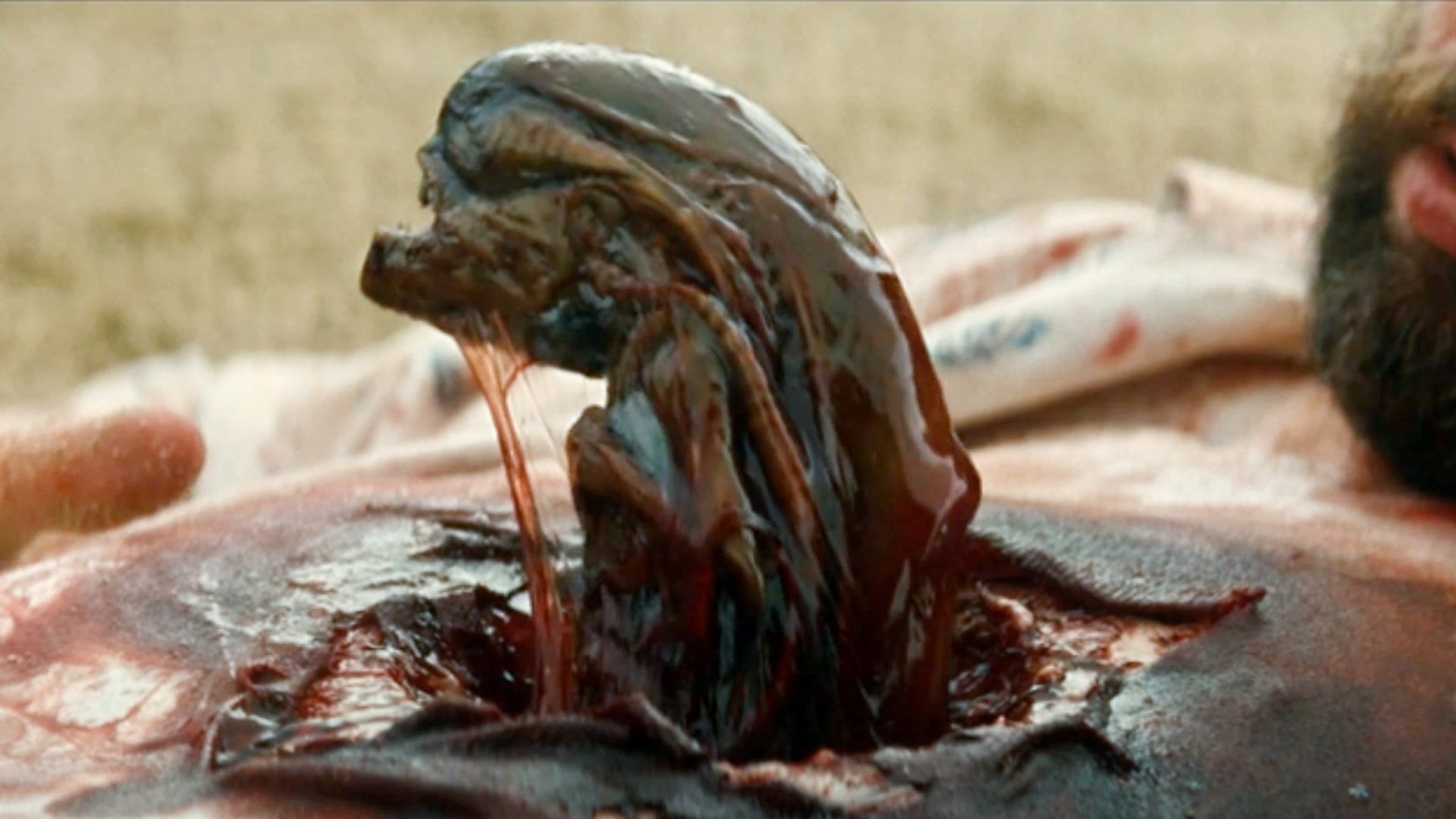
The show also recreated an expanded chestburster sequence. Painter recalled the director’s brief: “Noah told me to watch the John Hurt classic chestburster sequence from the first film and basically said, ‘That’s what I want.'” The new sequence was filmed partly in Bangkok (close-ups) and partly on a beach in Krabi (full-body shots), so the team matched materials and movement across locations. Painter noted the difficulty and payoff, saying, “I hope that the fans got a bit of a ‘Woohoo!’ when it happened.”
Execution: suits, performers, and the Eye Midge
Actor Cameron Brown played one of the adult Xenomorphs and spent two weeks in the suit. He described the experience as “a fever dream.” Brown said the suit was modular, with removable tails and interchangeable legs, and that he could get into it in about 20 minutes after practice.
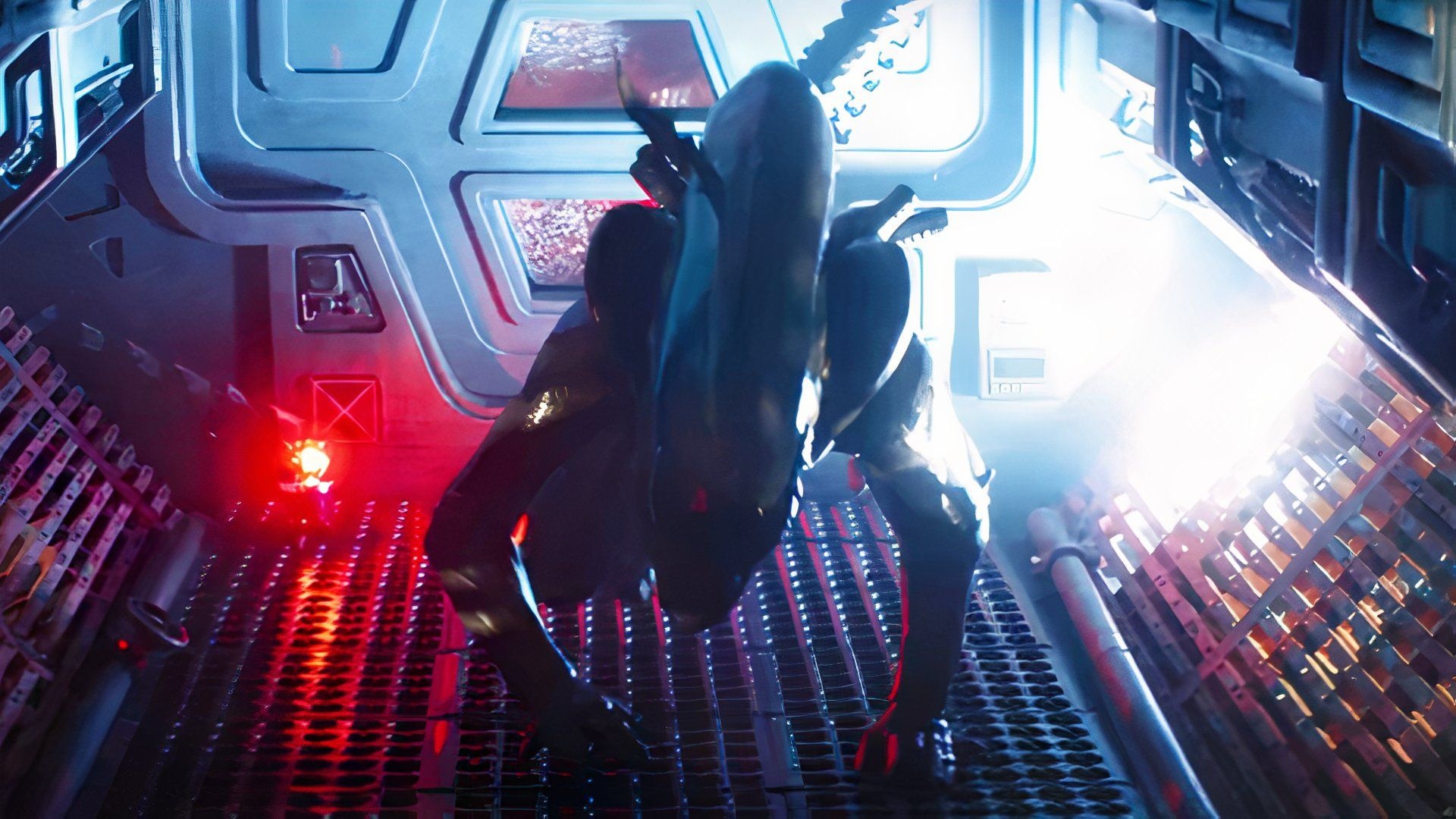
Brown estimated the production used practical effects for most of the creature action: “I would say 90% of the action in the show we did practically,” and noted the physical challenges of working with rigged pieces: “Some of the movements were just tricky in the suit,” including sequences where hooks and attachments translated movement through his body.
Not every Xenomorph on the show was the same size. For example, stuntwoman Jayde Rutene performed as Wendy’s smaller Xenomorph. The series also features the t. ocellus, which showrunner Noah Hawley nicknamed “Eye Midge”. Cameron Brown said the creature’s intelligence and movement were striking, calling it “pretty terrifying.”
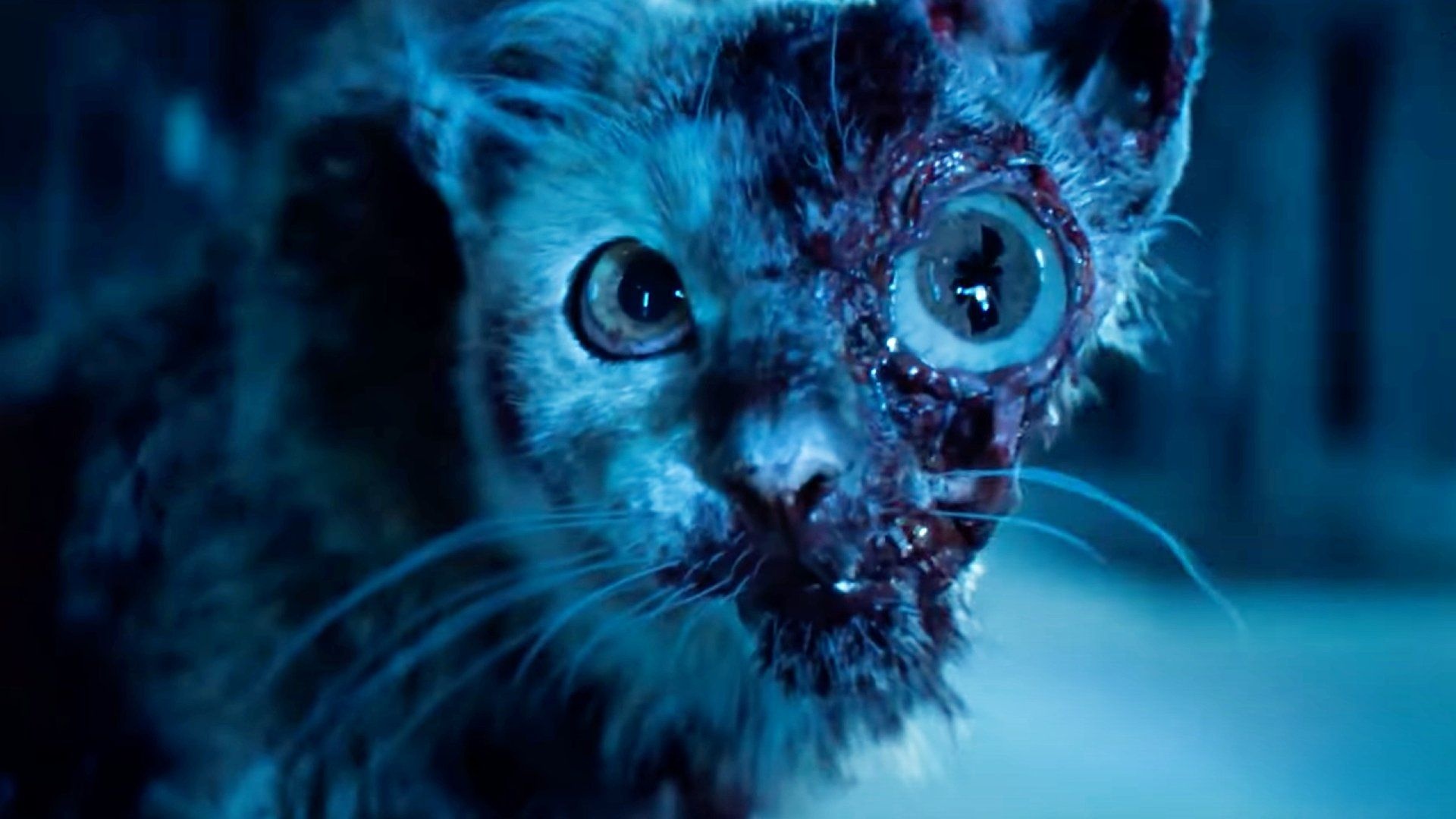
Finally, Dunckley said he worked with Marco Witzig, H.R. Giger’s former assistant, and added that he was told “I actually have it on authority from Marco that Giger would have loved the Eye Midge,” as a sign that the team aimed to respect the original aesthetic while expanding the creature roster.