Anime Piracy Crackdown: Your Streams and Downloads Could Land You in Legal and Security Trouble
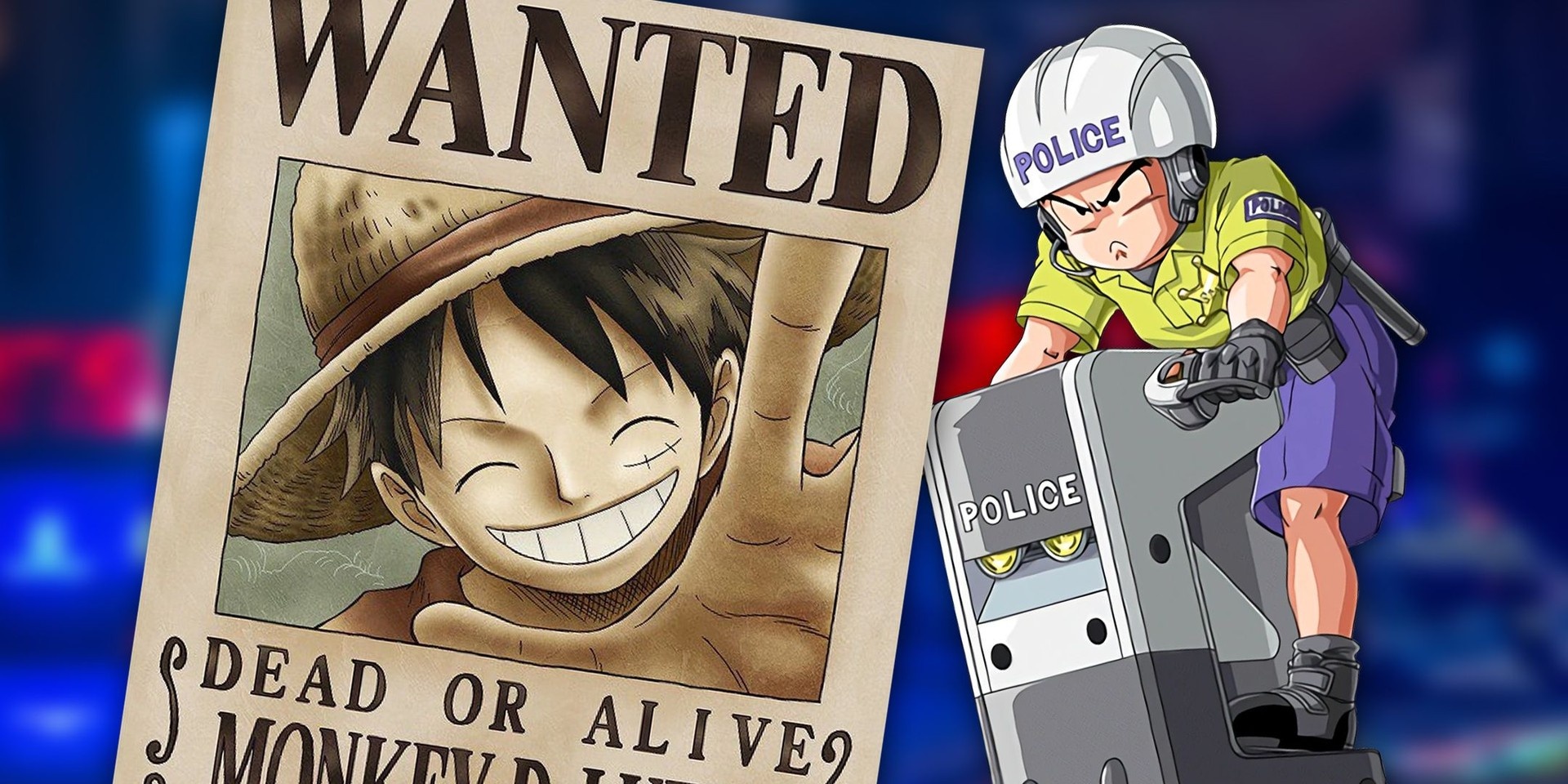
If you get your anime and manga from unofficial sources, you might want to pause and read this. Copyright holders, platforms, and sometimes law enforcement keep pushing back against piracy, and there are real risks — from legal exposure to malware and low-quality releases. So, even if the latest episode is tempting, it’s worth knowing the facts.
What is happening
Rights holders and platforms continue to pursue piracy through takedown notices, court actions, and site seizures. In addition, many streaming and distribution platforms remove unauthorized uploads after notices under copyright law.
What rights holders are doing
Publishers and studios commonly use DMCA-style takedown processes to remove infringing uploads from hosting sites and social platforms. Moreover, some companies work with domain registrars and payment processors to cut off services that support pirate sites.
At times, governments and law enforcement also get involved. This can lead to domain seizures, criminal investigations, or civil lawsuits against operators of large piracy sites. However, actions vary by country and by case.
Risks of pirated anime and manga
Legal risk: Downloading or distributing copyrighted works without permission is copyright infringement. That can lead to civil liability, and in some jurisdictions, criminal charges.
Security and quality: Pirated files sometimes include malware, and fan-made releases (such as unofficial subtitles or scans) can be low quality or incomplete. Therefore, you may put your device and personal data at risk, and you may not get a reliable viewing or reading experience.
Community and creators
Piracy affects the people who make the content. Revenue from legal sales and streaming supports studios, translators, and publishers. Consequently, widespread unauthorized distribution can reduce official funding and affect future releases.
Safer alternatives
There are several legal ways to get anime and manga. Official streaming services frequently offer simulcasts, while digital storefronts and book retailers sell licensed volumes and chapters. Libraries and subscription services are also legitimate options.
In short, using licensed services supports creators and reduces legal and security risks. For those who want the newest episodes or chapters quickly, many official platforms now provide near-simultaneous releases.