Anno 117: Pax Romana Stuns with Gorgeous Roman Cities — Deep Systems and a Brutal Tutorial
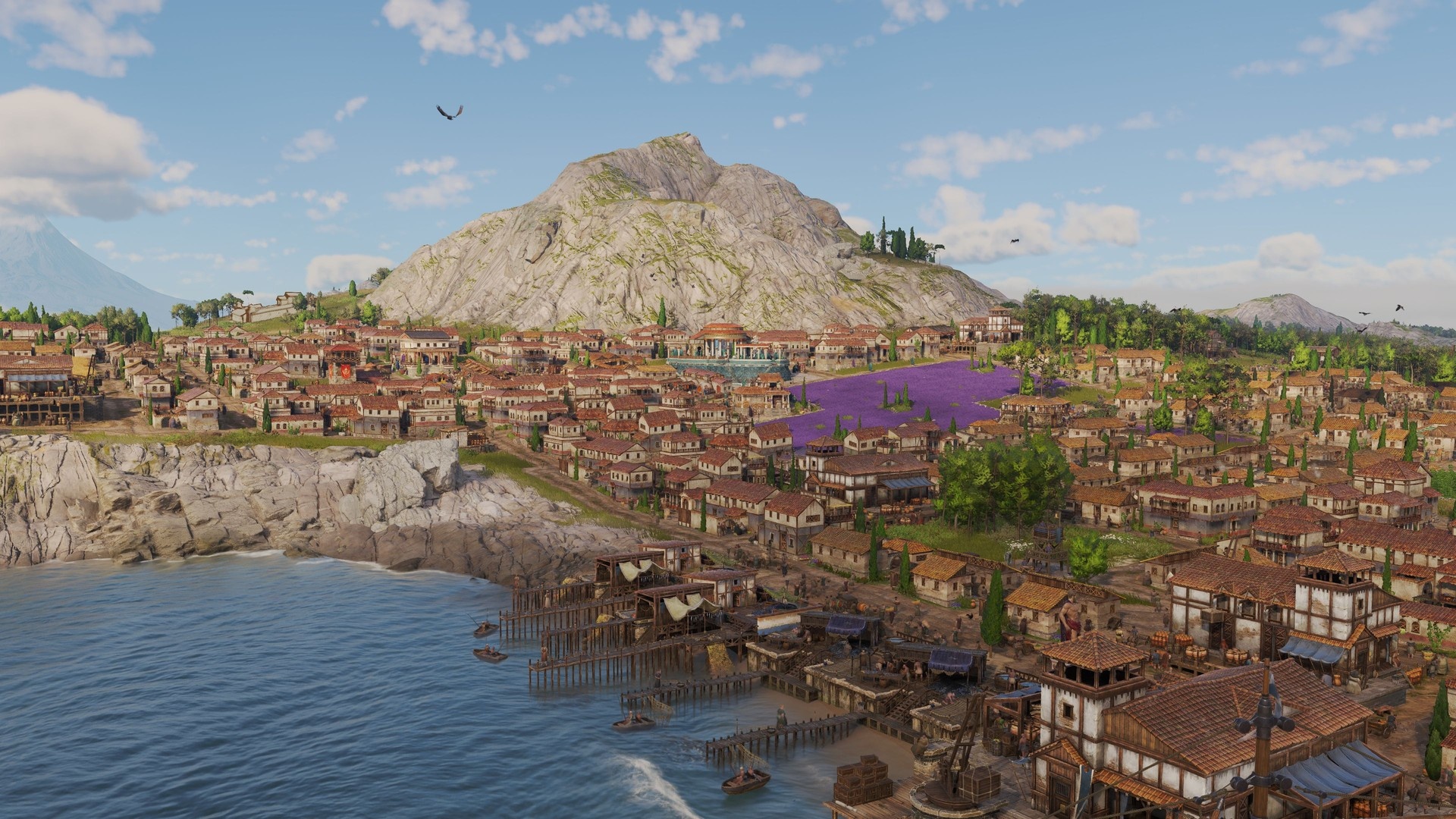
In a first look at Anno 117: Pax Romana, the game presents Ancient Rome as a detailed city-builder with a clear focus on historical layout, modular building models, and island-wide resource management. The preview covered graphics, interface choices, core systems, the tutorial, and both campaign and endless modes.
- Tutorial and learning curve
- Core systems: resources, warehouses and effects
- City planning, road grids and regions
- Campaign and endless modes
Visuals and models
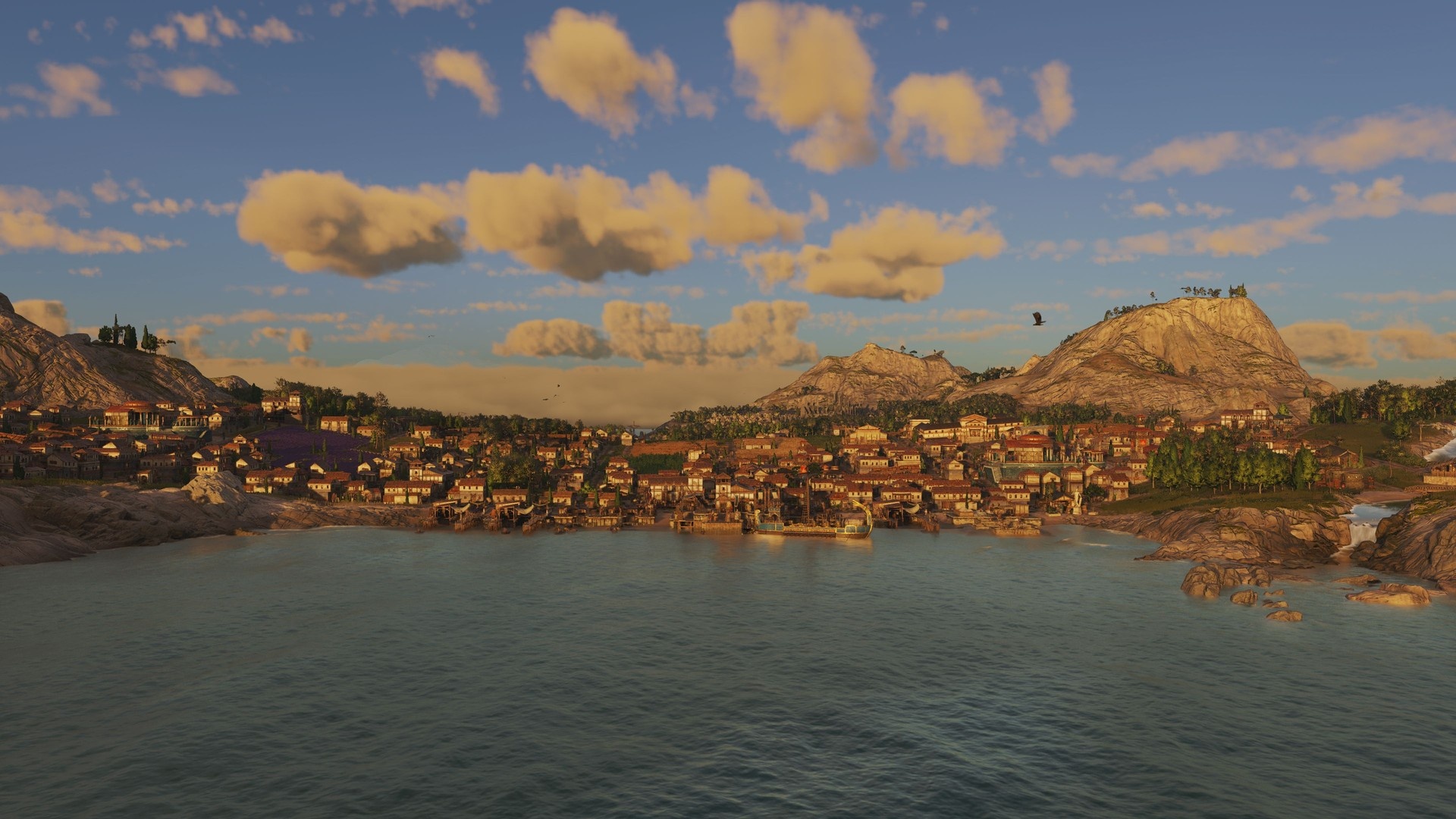
The game renders Roman towns with high-detail building models. Each house type has seven different appearances, including elements such as gardens, amphoras, decorative tile flooring, fountains, and food on tables. Moreover, one standout model is a pleasure barge that reviewers compared to Emperor Caligula’s Nemi ships.
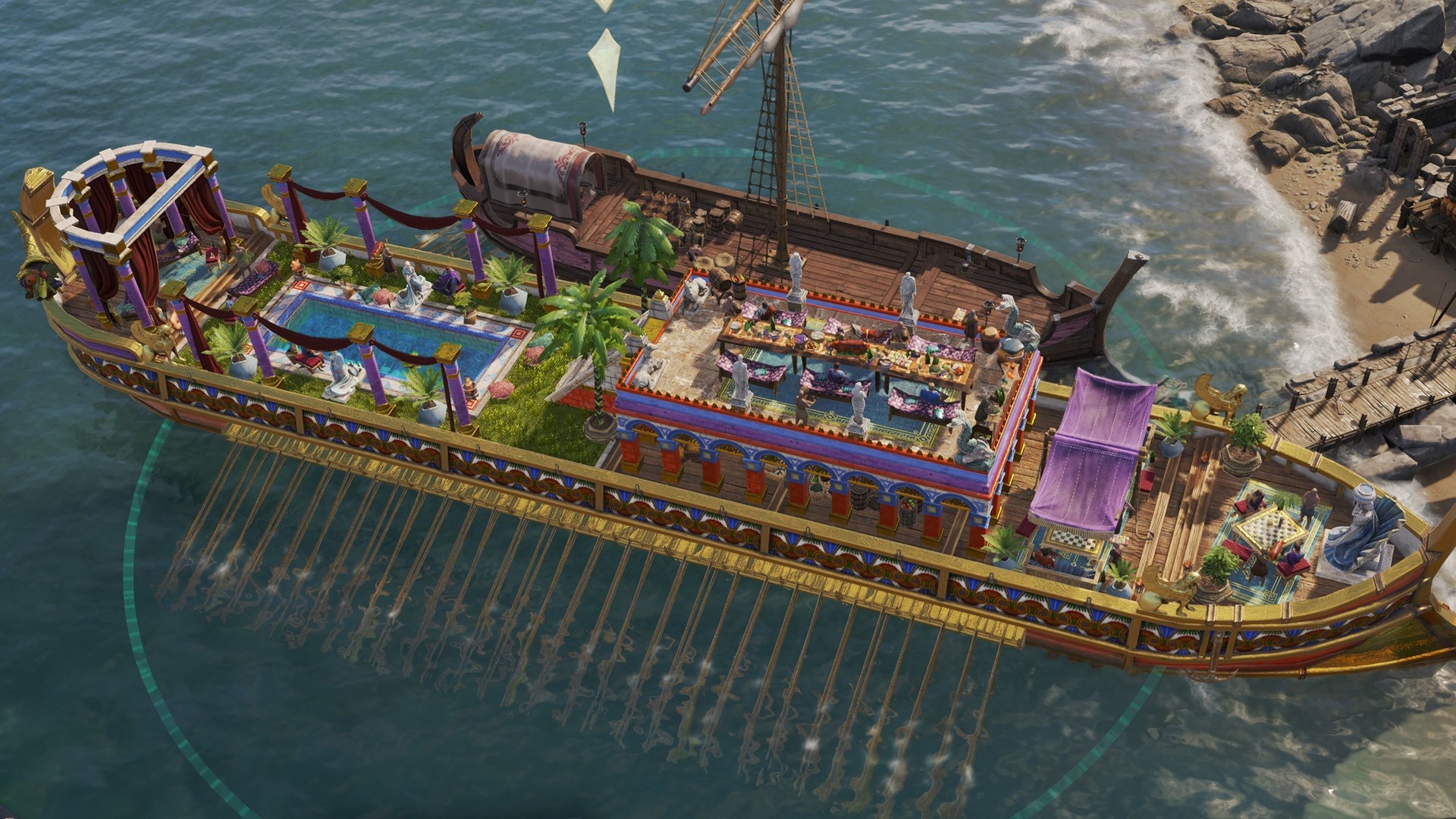
Overall scenery includes a shimmering ocean and varied flora and fauna. However, some textures — notably sea and barren rock — look less detailed up close. In contrast, zooming in reveals small details like shiny hides, weathered wood, and animals. Importantly, crowd density settings affect how many citizens are visible; even at the lowest setting, the world retains moving carts and visible objects.
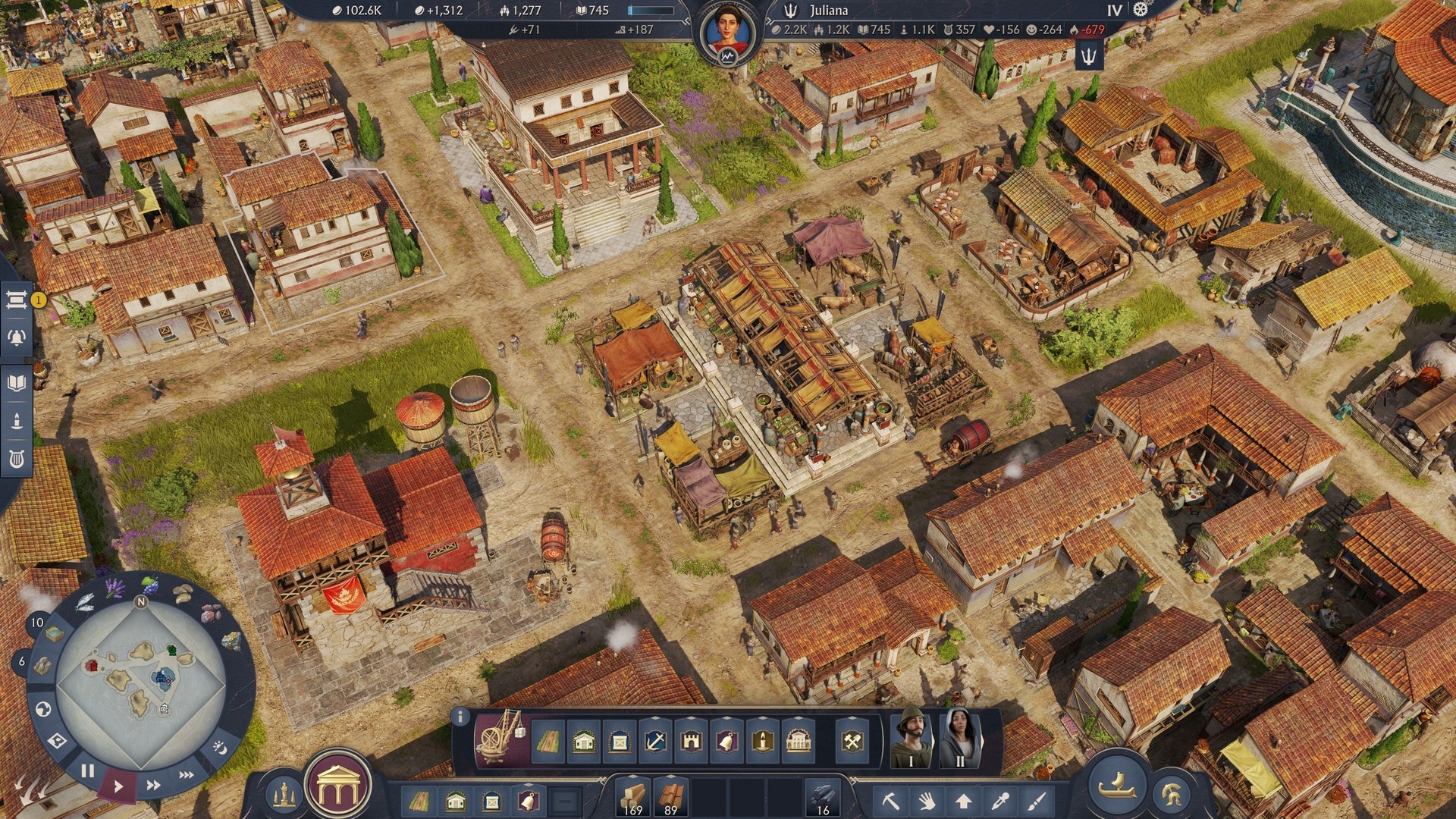
UI, mini-map and icons
The interface places basic information at the top, important menus on the left, and three large buttons at the bottom to separate troops, ships, and buildings. There are also shortcuts for roads, residential buildings, and warehouses. This layout is intentionally simple.
Nevertheless, some UI elements lack thematic detail. For example, the user index uses plain white icons on a blue background and does not include Roman-themed decoration. Additionally, the mini-map combines a square map inside a circular frame — a design choice that drew attention without explanation.
Tutorial and learning curve
The in-game tutorial provides brief pop-ups with objectives, but it does not always show where to find buildings or how to complete tasks. For instance, the first tutorial objective asks players to place a woodcutter and a sawmill without indicating their locations in menus. Likewise, missing citizen products do not always trigger clear warnings; players may need to consult the statistics menu to identify shortages.
Core systems: resources, warehouses and effects
Resource trees follow the series’ established interconnected approach. To build certain production, players must select the correct civilian group and trace products through resource chains. As an example, building a pig farm involves selecting a civilian group (plebeians), choosing the end product that needs pig hides, and then locating the pig icon to place the farm.
Two shared systems aim to simplify management: a shared warehouse inventory and a free relocation feature. These allow inventory to be managed island-wide and let players move buildings without rebuilding from scratch. In addition, the game includes area effects: lavender fields improve nearby happiness, and sandal shops can affect population growth in their radius.
City growth carries trade-offs. Specifically, one status called “city status” increases citizen unhappiness as the city gets larger, so rapid expansion is not always beneficial.
City planning, road grids and regions
Town layouts are based largely on rectangular grids with support for diagonal placement. However, the game does not automatically adjust building models to fit triangular or 45-degree corner spaces. This limits organic, circular town shapes and makes the grid format more suitable for regions modeled after Roman city planning.
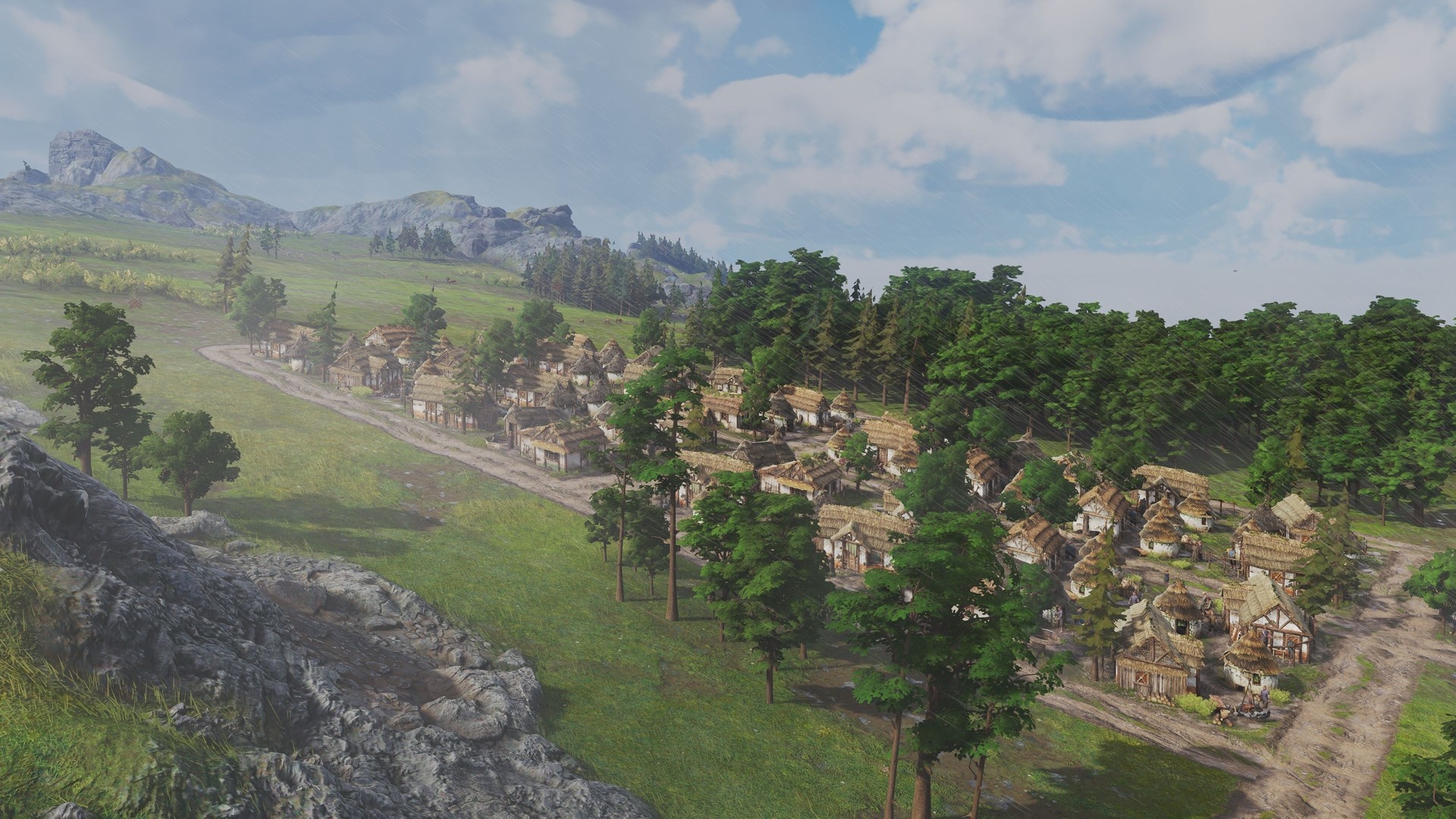
Two playable regions mentioned are Latium (Roman) and Albion (Celtic). Latium favors neat, rectangular layouts consistent with Roman forums and block plans. Albion presents wetter, marsh-like terrain and introduces different citizen types, resources, and production chains. When playing Albion, governance choices include options to “Romanize” the population or maintain Celtic traditions.
Campaign and endless modes
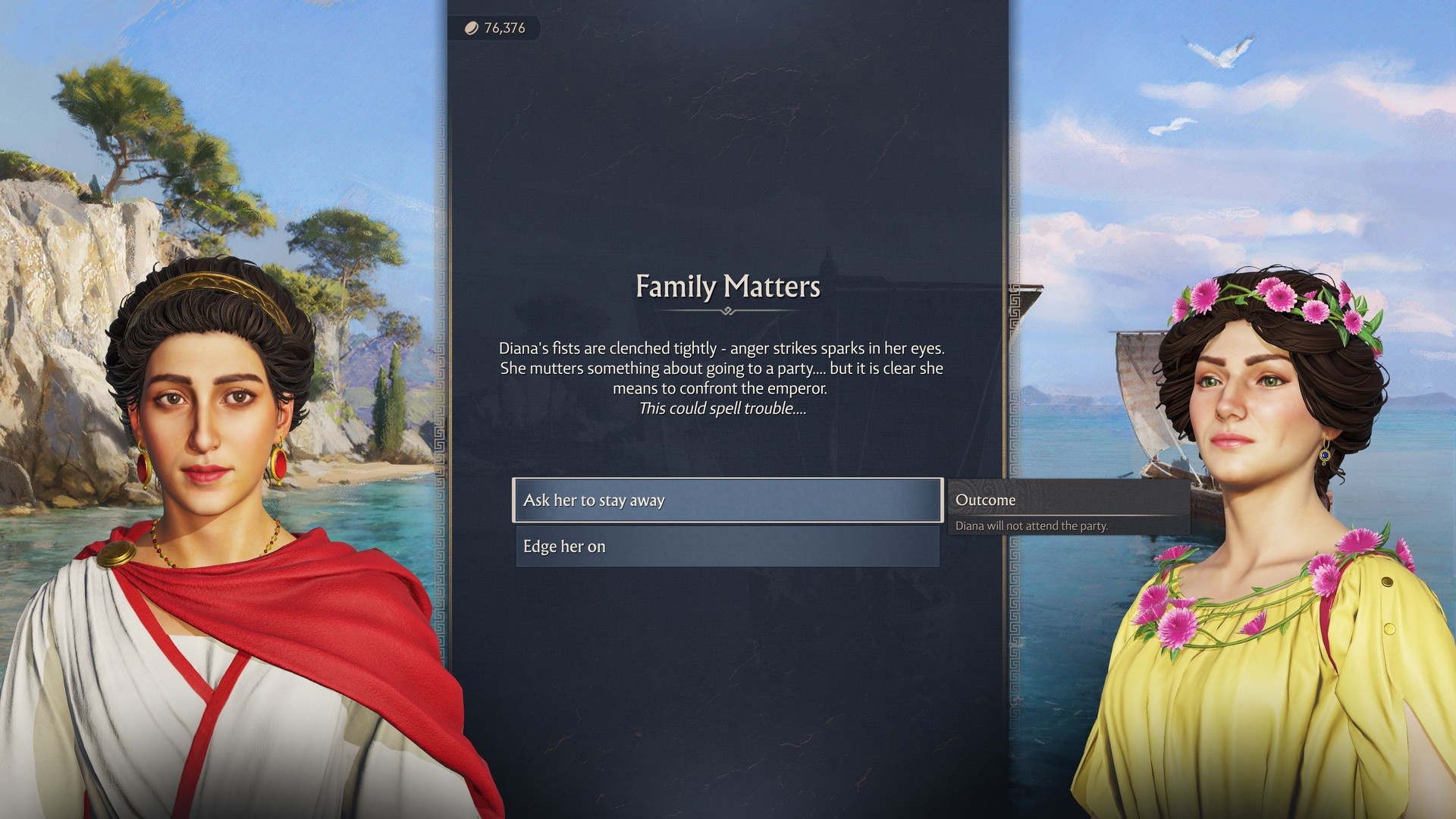
The game offers a campaign and an endless mode. The campaign includes a non-time-sensitive storyline with characters and quests; it is designed so players can pause the plot to focus on town management. Endless mode allows region swapping and flexible play, unlocking additional citizen types and resources when moving between regions like Latium and Albion.
In summary, the preview described Anno 117: Pax Romana as a visually detailed city-builder with traditional Anno systems, a simplified main UI, a sparse tutorial, and regional differences that affect layout and governance choices. The game aims to balance historical grid-style design with island-wide resource planning and modular building aesthetics.