Baby Pichu Is Breaking Pokémon Legends: Z-A — EXP Share and Speed Let It Dominate
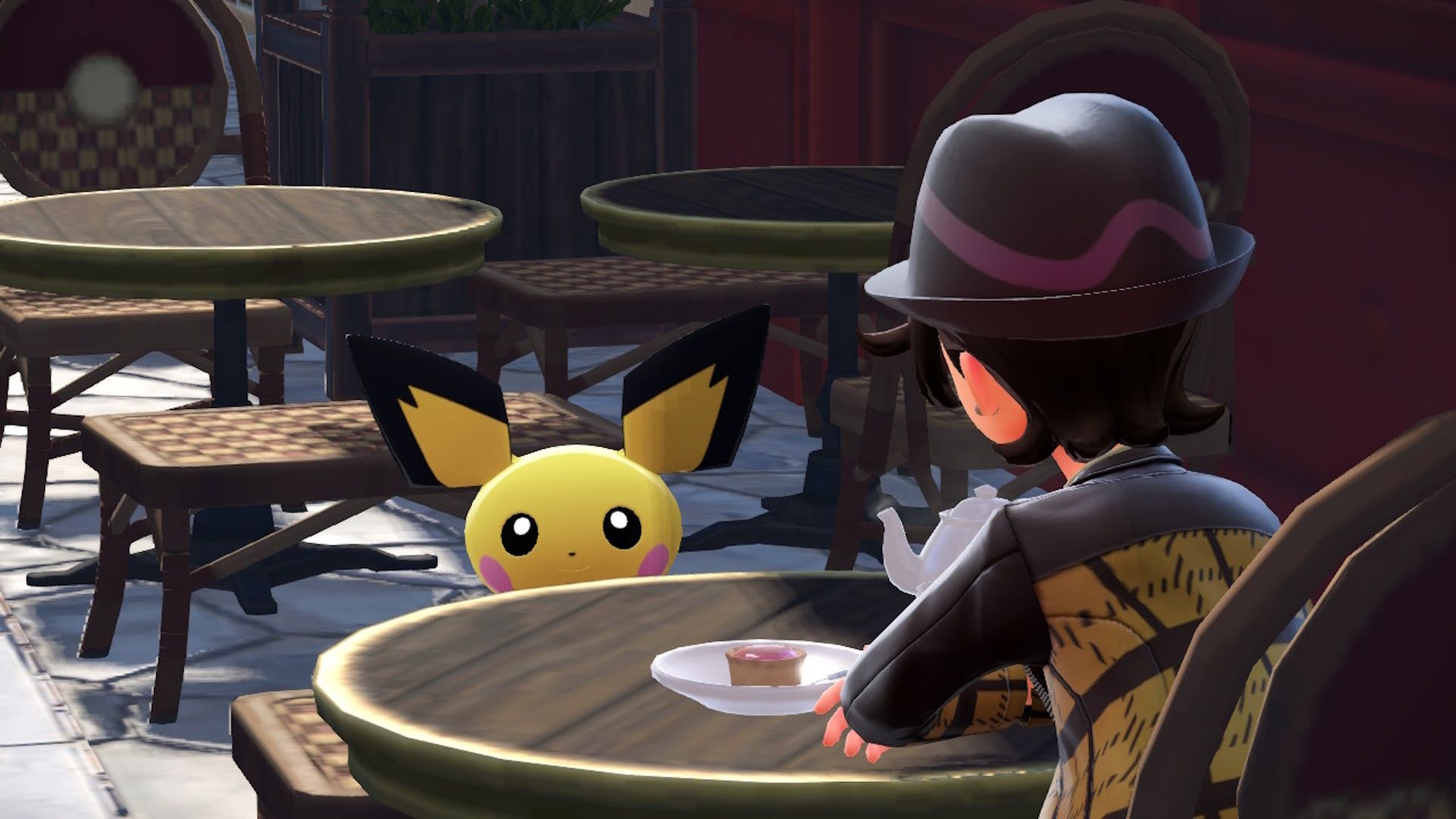
Players have discovered that baby Pokémon — notably Pichu — can become unexpectedly powerful in Pokémon Legends: Z-A because of how the game shares experience, handles cooldowns, and stacks debuffs. These interactions let a low-stage Pokémon level up and act quickly in real time, which can change how trainers approach battles in Wild Zones and the Z-A Royale.
How babies break combat
The game uses a real-time action system with cooldown timers similar to other action-RPGs. Importantly, speed affects cooldown length: higher speed reduces a Pokémon’s cooldowns, while speed debuffs increase an opponent’s cooldowns. At the same time, the party-wide experience share allows Pokémon that don’t participate directly in fights to still gain EXP and level up.
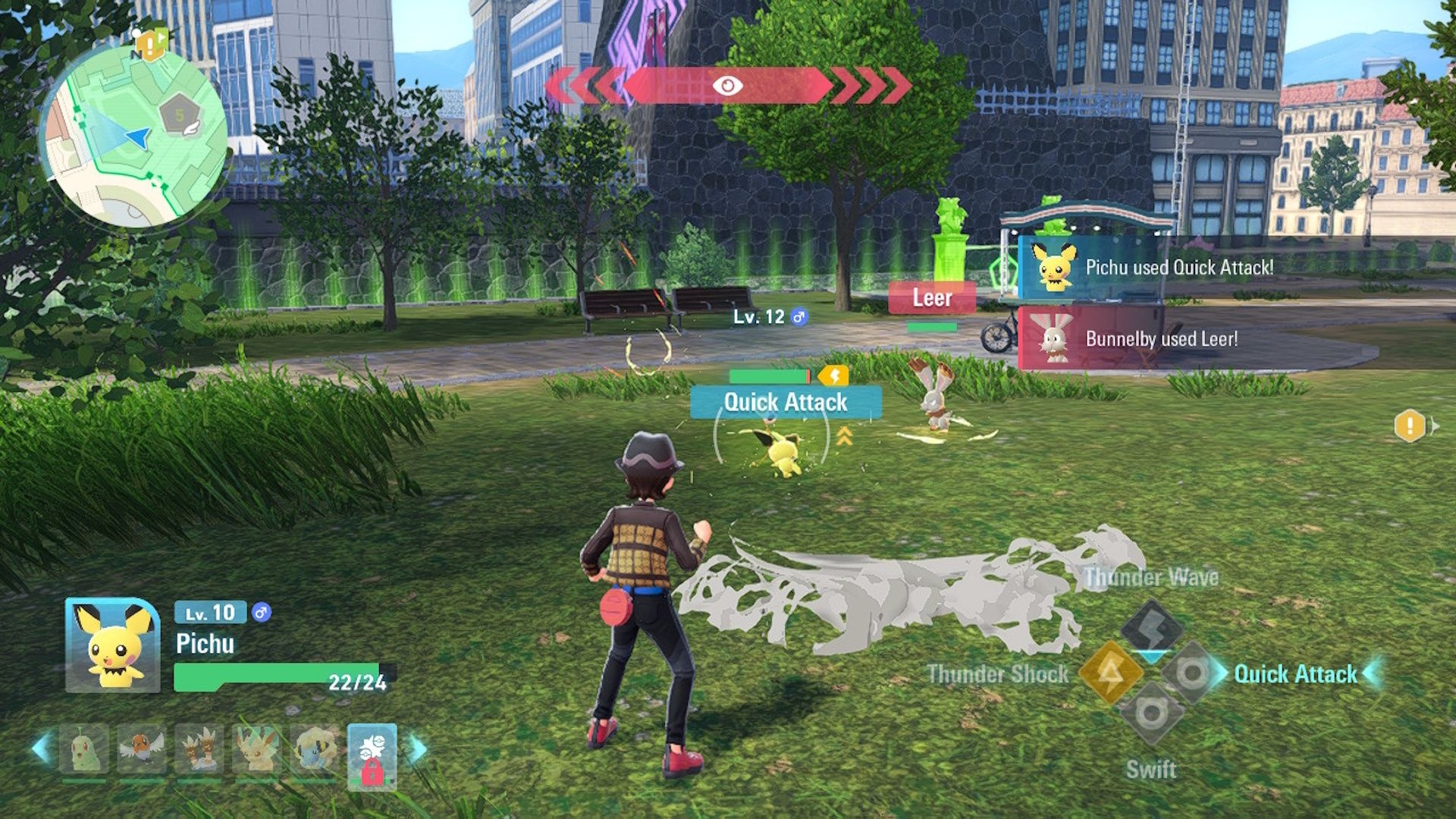
As a result, baby Pokémon that normally would be slow to scale can quickly reach competitive levels. For example, players have reported training a Pichu via EXP share and then using its fast cooldowns plus simple moves like Quick Attack to chain actions. Combined with status effects such as paralysis and other debuffs, these chains can let a baby Pokémon act repeatedly and outpace opponents.
Mechanics and examples
Concrete mechanics involved include:
- EXP share — grants passive EXP to party members not directly fighting, enabling off-field leveling.
- Cooldown timers — actions are gated by cooldowns that are shortened by the user’s speed stat.
- Debuffs and status — effects like paralysis or speed reduction raise enemy cooldowns and slow actions.
Because of those systems, a simple sequence can be effective: apply a debuff, then follow up with several high-damage or high-priority moves while the opponent’s actions are delayed. Players have noted that this pattern can be repeated across encounters until a tougher foe forces a different approach.

Team building and viability
Consequently, some Pokémon that were less used in previous games are now more viable. For instance:
- Binacle and Barbaracle can perform short, hard hits when supported by debuffs and quick follow-ups (examples include using Screech then Rock Throw or Bulldoze).
- Gourgeist, Inkay, and Malamar are getting more play because the system rewards quick setups and niche strategies rather than raw bulk or traditional turn-based roles.
Moreover, when a baby evolves (for example, Pichu into Pikachu), its increased base stats make continued dominance more likely, especially if the same cooldown and debuff strategy is kept.
Counters and limits
There are still built-in checks. Rogue Pokémon and higher-difficulty Wild Zone encounters hit harder and often require planning beyond simple debuff-and-rush tactics. In addition, strong type matchups and focused counters (for example, fast priority moves or status immunity) can interrupt these chains.
Also, the system’s pace means sustained success depends on managing cooldowns, predicting opponent actions, and sometimes swapping Pokémon when faced with significant type disadvantages.
Takeaway
In short, the interaction of EXP share, speed-based cooldowns, and debuffs has created situations where baby Pokémon can perform above expectations in Pokémon Legends: Z-A. As a result, players are using a wider variety of team members and experimenting with nontraditional strategies, while tougher opponents remain the main check on these methods. Moving forward, this set of mechanics is likely to shape both casual experimentation and calls for balancing adjustments.