Boys Go to Jupiter Is E.T. Meets The Sims — Would You Sell a Donut‑Shaped Alien for $5,000?

Boys Go to Jupiter is an indie animated film from Julian Glander now playing in select theaters. The movie follows a 16-year-old named Billy 5000 who discovers a donut-shaped alien and faces a choice between selling it for cash or protecting it, while the film uses a top-down, early-3D game aesthetic and voices from alt-comedians and indie actors.
- What: An indie animated film directed, written, and produced by Julian Glander.
- Plot: Billy 5000 meets a donut-shaped alien called “Donut” and is offered $5,000 to sell it.
- Cast & creators: Billy is voiced by Jack Corbett; Joe Pera, Chris Fleming, Janeane Garofalo, and Miya Folick appear in roles.
- Style: Visuals recall early PlayStation-era 3D and a top-down, isometric look similar to The Sims; the creatures use a garbled language like Simlish.
- Where to see: Playing in select theaters now.
What it’s about
The film is set in central Florida during the week between Christmas and New Year’s. Billy (voiced by Jack Corbett) spends his time making deliveries for a DoorDash-like app called Grubster, which creates a frame for episodic encounters across the town.
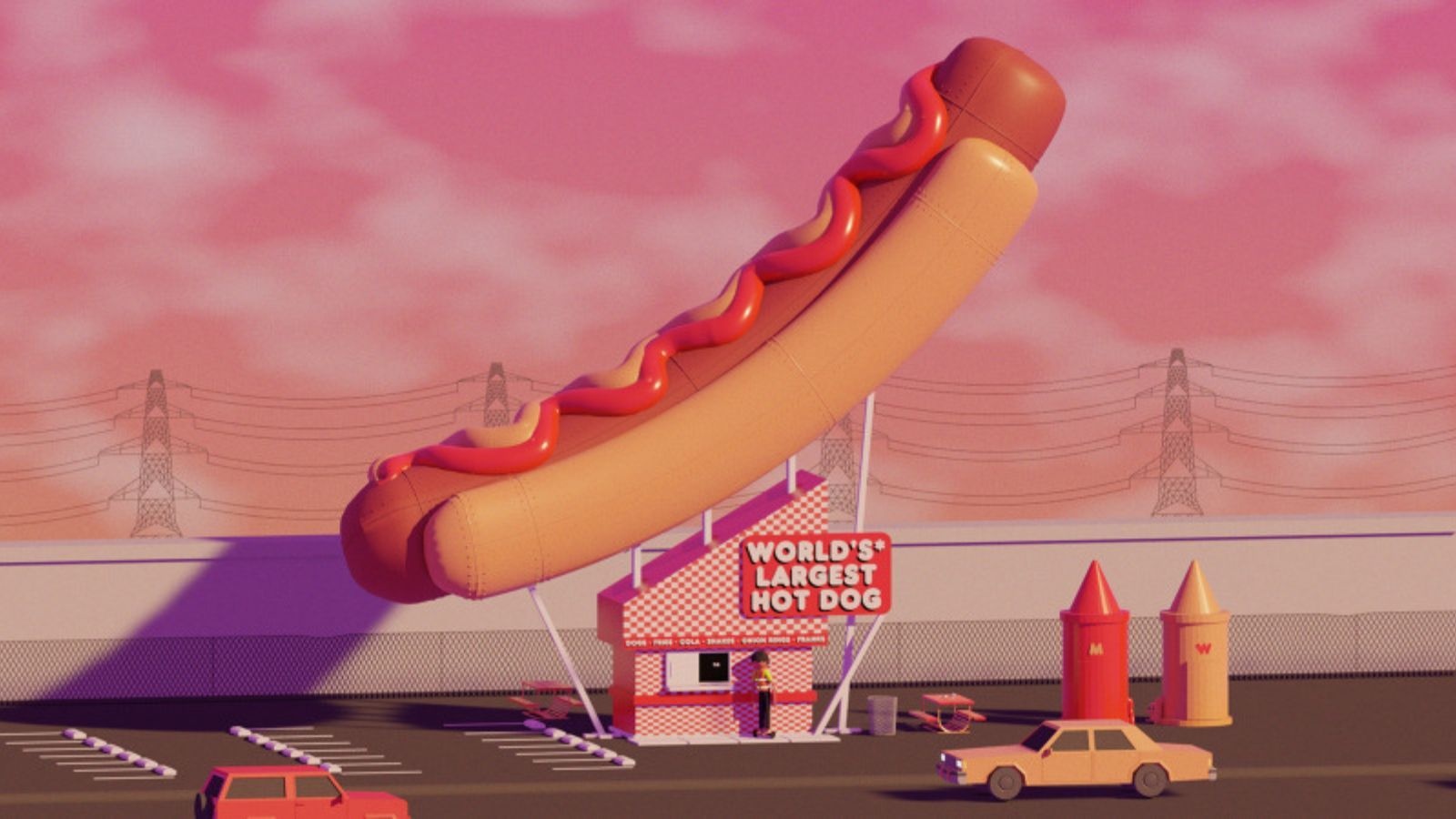
Along the way, Billy delivers to a dinosaur-themed mini-golf course run by Herschel Cretaceous (Joe Pera) and to a hot dog stand run by Weenie (Chris Fleming). One delivery brings him to an orange juice factory owned by Dr. Dolphin (Janeane Garofalo), where he meets Dr. Dolphin’s daughter Rozebud (Miya Folick) and the glowing alien Billy names “Donut.”

Key scene and dilemma
Dr. Dolphin offers to buy Donut for $5,000, which creates the central conflict: keep the new friend or accept the money. The offer is presented as a concrete choice in the story and drives Billy’s decisions in the final act.
Style and influences
Visually, the film uses bright neon colors and blocky, simplified 3D shapes. Many scenes use a top-down or isometric perspective, and the animation resembles early real-time 3D games from the mid-1990s. In addition, small UI elements appear on screen to convey information, such as a dead-battery icon when Billy’s phone runs out of power.
The creatures in the film speak in a garbled language that recalls Simlish, and the overall aesthetic has been compared to The Sims because of its overhead perspective and simplified models. In an interview with the podcast Cinema File, Glander confirms that The Sims influenced the film and says:
“One game I played a lot is The Sims, which really informed this sort of top-down isometric look, and The Sims is also a very sly and funny and silly critique of consumerism that sort of implicated you because you’re enjoying the pleasure of consumerism, but you also see how cheap and empty it is. That’s my read of The Sims that I had when I was 11.”
Themes
The film presents a view of contemporary consumer life through its settings and plot points. It stages everyday economic transactions—delivery work, offers to buy a discovered creature, corporate interest—and thus raises questions about value, ownership, and choice without prescribing a single answer.
Overall, Boys Go to Jupiter combines episodic town encounters, a clear financial offer that creates the film’s central tension, and a distinctive game-like visual style. For more on the director’s comments about The Sims influence, see the Cinema File interview linked above.