Bring Back Blackstar: The Real Steps That Could Make a Reboot Happen
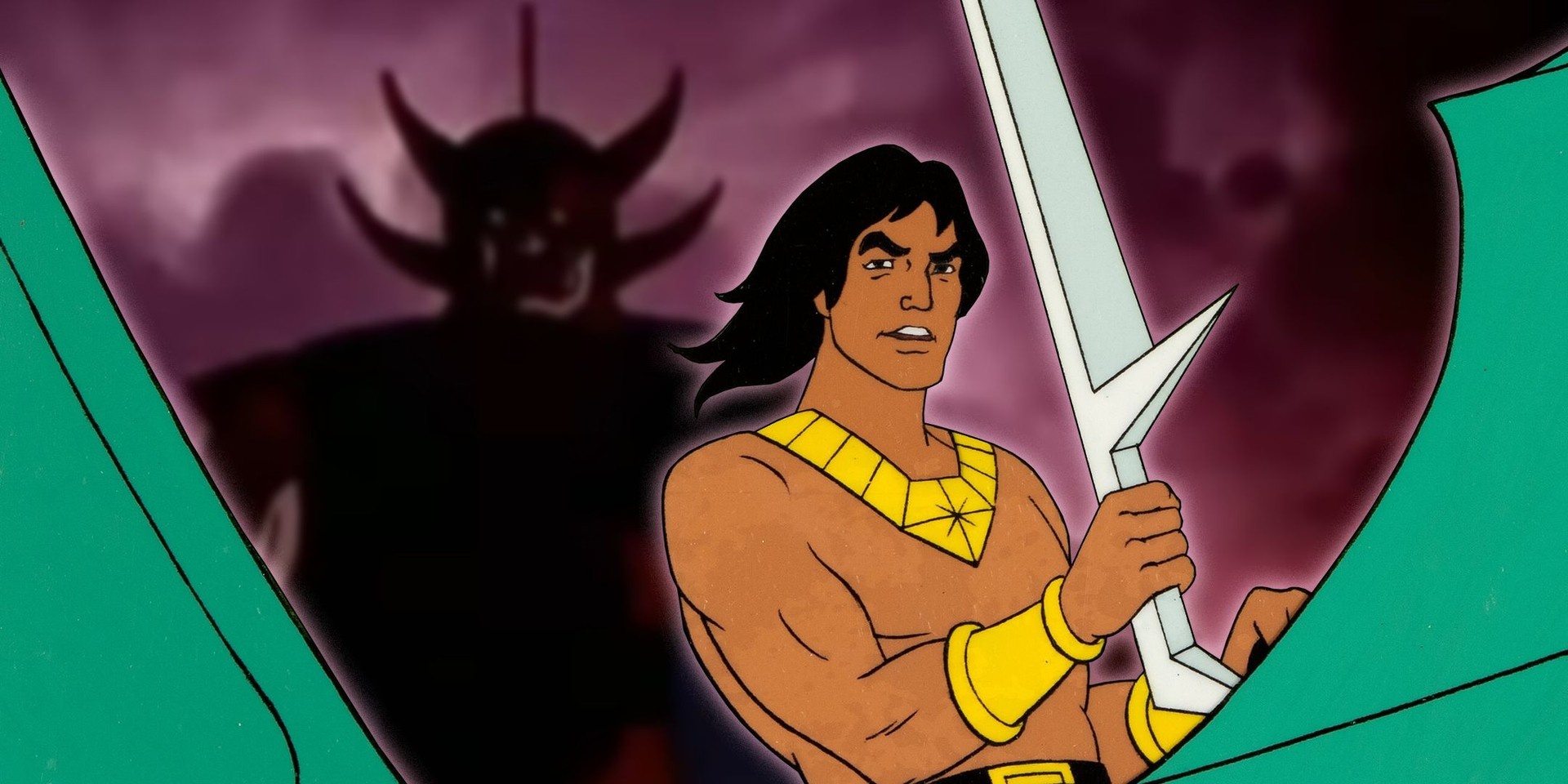
If you’re asking whether a game or franchise called Blackstar should be rebooted, there are several concrete industry facts to consider first. Below I’ll lay out what a reboot is, how studios approach reboots, real-world examples, and the practical steps needed to make one happen — so you can judge whether a reboot is realistic rather than just desirable.
- Definition: what a reboot means in games and how it differs from a remake.
- Industry context: why publishers reboot or remake existing IP and examples from recent years.
- Legal and practical requirements: IP ownership, market testing, budget, and developer choice.
- Concrete steps a reboot proposal typically follows before it gets greenlit.
What a “reboot” actually is
In the games industry, a reboot restarts a franchise’s narrative, mechanics, or tone rather than faithfully recreating a specific older game. By contrast, a remake reproduces an earlier title with updated technology and assets while keeping the original story and structure.
Reboots can be either soft (adjusting tone and systems while keeping recognizable characters) or full reimaginings (changing core lore or character backgrounds). Studios choose between these approaches based on audience expectations and commercial strategy.
Why publishers reboot or remake IP
Publishers often consider reboots and remakes because they work with existing intellectual property, which can lower marketing risk compared with launching a brand-new IP.
Additionally, reboots can target both returning fans and new players by modernizing gameplay and presentation. Several well-known titles show how different approaches play out in the market.
Notable examples
Recent industry examples include:
- God of War (2018) — a soft reboot that shifted gameplay and narrative tone; it received broad critical acclaim and won multiple industry awards.
- Resident Evil 2 (2019) — a remake that rebuilt the 1998 game using modern systems and was both a critical and commercial success.
- Tomb Raider (2013) — a reboot that relaunched the Lara Croft franchise with a new origin story and survival-focused gameplay, and it revived the series commercially.
- DmC: Devil May Cry (2013) — a reimagining by a different developer that received mixed responses from longtime fans despite some critical praise.
Legal and practical hurdles to a Blackstar reboot
Before any reboot can move forward, the factual, non-negotiable legal and practical issues must be resolved.
- IP ownership: The rights holder must permit a new production. Rights can be fully owned by a publisher, split between creators and publishers, or licensed across regions, which complicates permission.
- Licensing and contracts: If third parties hold parts of the IP (music, characters, trademarks), separate licensing agreements are required.
- Budget and publisher interest: Reboots need publisher funding or an alternate financing route; publishers assess projected sales and development cost before greenlighting projects.
- Developer availability and fit: A studio with the right experience must be attached or hired, since different studios specialize in different genres and production scales.
Concrete steps to get a reboot greenlit
If someone wants a Blackstar reboot taken seriously, the standard industry path involves several factual stages.
1. Verify rights and ownership
Confirm who owns the Blackstar IP and whether active licensing agreements exist. Without clear ownership, development cannot legally proceed.
2. Market research and pitch
Publishers typically request market analysis demonstrating audience size, demographic interest, and potential sales. A concise pitch or design document follows, outlining scope, tone, and proposed platforms.
3. Prototype or vertical slice
Studios often build a playable prototype or vertical slice to show gameplay direction. This is commonly required to secure funding or a publishing deal.
4. Budgeting and scheduling
If a publisher signs on, the next steps are contract negotiation, production planning, and assigning a development team with milestones and QA processes.
Objective summary
Whether a Blackstar reboot should happen is ultimately a business decision based on factual items: who owns the IP, whether a clear audience exists, whether a developer and publisher can agree on scope and budget, and whether a prototype convinces funders. Reboots have worked well for some franchises and struggled for others — the outcome depends on execution and those concrete preconditions.