Bring It Back: How Gears of War’s Active Reload Turned a Boring Reload into Pure Fun
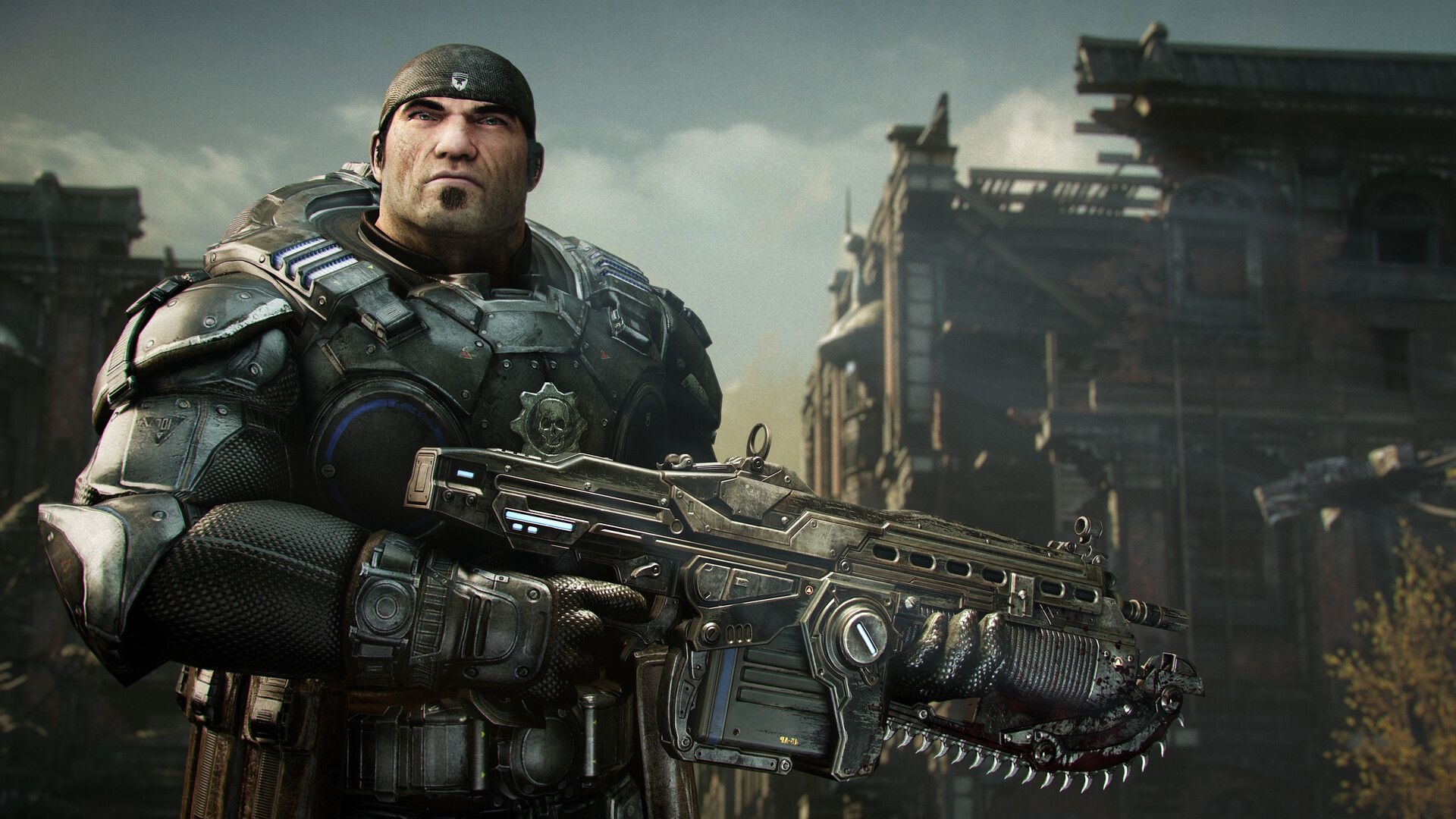
Gears of War left a clear mark on third-person shooters, and one of its clearest fingerprints is the Active Reload system. It’s a timing mini-game built into reloading that rewards precise input with faster reloads and a short damage boost, while a miss causes a weapon jam.
What is Active Reload?
Active Reload is a reload mechanic introduced in the original Gears of War (2006). Instead of a single reload button that simply refills a clip, the system gives the player a visual timing cue. If the player presses the button again within a small timing window, the reload finishes faster and the next shots deal more damage. If the player misses that window, the weapon can jam and require extra time to clear.
How it works
The mechanic is straightforward and consistent across weapons, though the timing window changes by weapon type. In practice:
- Press reload once to start the animation.
- Watch the on-screen indicator — a line with a small pip or zone that moves during the animation.
- Press again when the indicator hits the pip to get the bonus: faster reload plus a short damage increase.
- Fail to time it correctly and the weapon can jam, adding delay.
Active Reload therefore turns a normally passive moment into a quick risk-versus-reward choice without stopping the action.
Where you’ve seen similar ideas
Timing-based bonuses similar to Active Reload have appeared in other games. For example:
- The Star Wars Battlefront remakes (2015 and 2017) included reload and cooldown interactions that reward timing.
- Enter the Gungeon (2016) uses fast reloading and timing-based weapon interactions as part of its combat feel.
Additionally, many RPG series use timing windows for stronger attacks or better defenses — the Mario & Luigi games and several action-RPGs are notable examples of that broader design pattern.
Why it matters
Active Reload matters for a few concrete reasons. First, it makes a common, repeated action—reloading—feel interactive. Second, it introduces a short, repeatable reward that players can learn and chase, which helps pacing. Finally, it integrates risk and skill without creating long downtime: a bad timing costs only a short jam, not the entire match.
Short summary
Gears of War (2006) popularized an Active Reload system that converts reloading into a timing mini-game. Pressing the reload button at the right moment grants faster reloads and a temporary damage boost; missing the window can cause a weapon jam. Variants of timing-based mechanics have appeared in later shooters and roguelikes, and the system remains a clear example of making small moments feel meaningful.