Chainsaw Man Movie Goes Hybrid — MAPPA Mixes Hand-Drawn Characters with Cinematic 3D, Evoking Demon Slayer: Infinity Castle
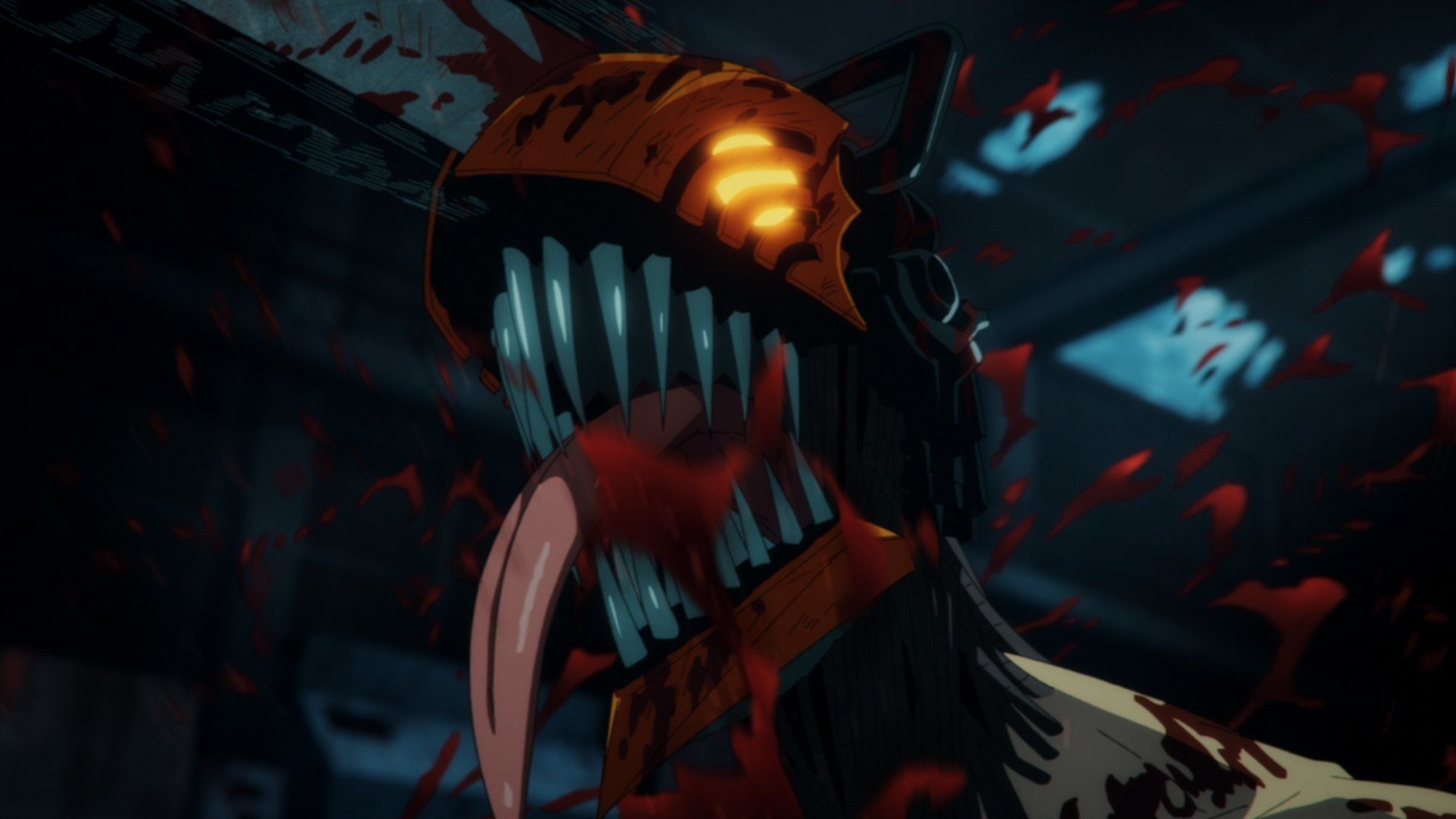
MAPPA showed early work on Chainsaw Man – The Movie: Reze Arc at New York Comic Con, revealing how the studio mixes hand-drawn characters with 3D CG backgrounds and guide models. The panel included assistant director Masato Nakazono, supervising producer Manabu Otsuka, and CGI producer Yusuke Tannawa, and it featured blueprints, prototype footage, and on-stage explanations for attendees.
Panel details
MAPPA’s panel presented multiple production staff and material. Specifically, the panel featured assistant director Masato Nakazono, supervising producer Manabu Otsuka, and CGI producer Yusuke Tannawa. During the session, the team showed early blueprints and prototype footage, and they read subtitles aloud for attendees while answering technical questions.
Techniques used
The studio explained how 3D CG supports hand-drawn animation rather than replacing it. As CGI producer Yusuke Tannawa said, “In the Reze Arc, the role of CGI is to complement each production process in a balanced way, in order to maximize the artistic expression of the hand-drawn animation,” which highlights the production goal.
In practice, MAPPA creates 3D background models for key scenes to keep placement and scale accurate. For example, Tannawa noted that 3D layouts help maintain precise positioning in indoor scenes like the cafe and the nighttime classroom, and that “[during] the city battle sequences, it enables dynamic camera movements that would be difficult to achieve otherwise.”
Moreover, the team uses 3D guide models during layout so animators can plan compositions before drawing. As Tannawa explained, “Although all the characters in this film were drawn by hand, 3D CG guide models were extensively used during the layout stage to simulate the best possible compositions before moving into the drawing phase,” and additional models were created for Reze/Bomb and Beam. Vehicles are also modeled in 3D to add realism.
Finally, the team said they reproduce hand-painted background textures in CG for battle scenes. In their words, “In particular, for the battle scenes, we reproduce the texture of hand-painted backgrounds in CG, allowing for dynamic visual composition within the aesthetic of traditional animation,” which indicates an effort to match the film’s traditional look.
Comparison to Demon Slayer: Infinity Castle
MAPPA’s approach shares clear similarities with Ufotable’s method in Demon Slayer: Infinity Castle: both pair 2D character animation with 3D environments to enable dynamic camera work. For example, Infinity Castle uses constantly shifting 3D corridors and cinematic CG to enhance scale, reflections, and action — notably during the Shinobu vs. Doma sequence — and those techniques produce moments where 2D and 3D blend.
However, MAPPA indicated a different balance for Reze Arc. Specifically, they said that while 3D guide models were used heavily in production, actual instances of fully visible 3D models on screen are fewer and farther between than in Infinity Castle. Thus, the studios use similar tools but apply them at different levels of on-screen visibility.
Footage shown and models
The footage displayed at the panel included 3D layouts of classrooms and cityscapes, plus a sweeping camera shot over a damaged section of street. Attendees also saw T-posing models of the Bombs and Denji as Chainsaw Man, presented alongside fully 3D-rendered vehicles of various types.

In summary, MAPPA described a workflow that uses 3D to support composition, camera movement, and realistic objects, while keeping character animation hand-drawn.