Choosing the Hero’s Path in Baldur’s Gate 3 Left Me With the Saddest Ending Possible
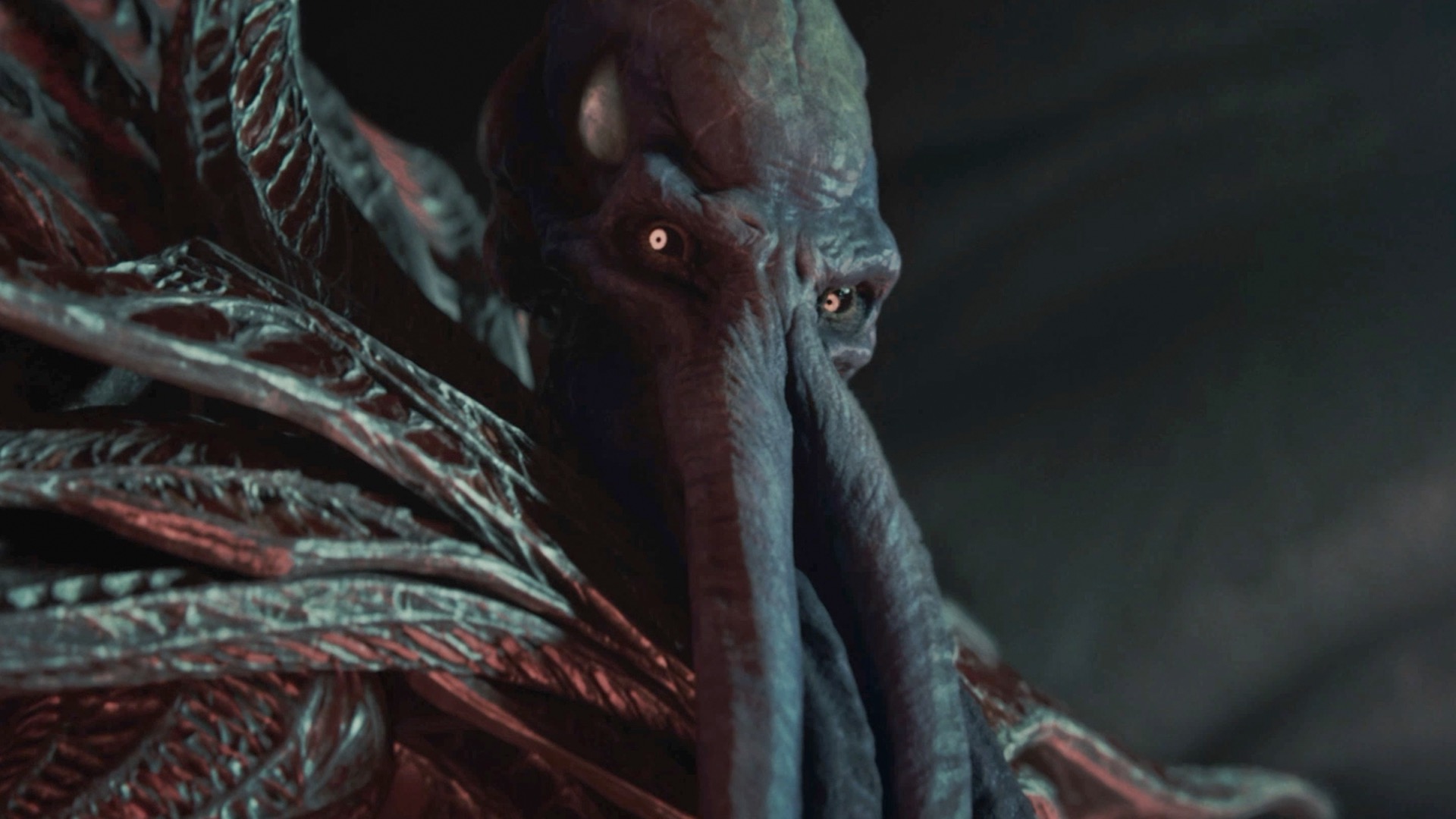
Ever wondered what happens if you always make the most heroic, selfless choices in Baldur’s Gate 3? One player decided to do just that—and the consequences were not what they expected. Dive in to see how being a hero in BG3 can sometimes lead to the most bittersweet ending.
- How a selfless path in Baldur’s Gate 3 can impact your ending
- What happens when you free Orpheus and make the ultimate sacrifice
- Why some companions may not react as you expect
- Discussion about the game’s multiple endings and storytelling risks
The Heroic Path—And Its Price
Let’s be honest—finishing a massive RPG like Baldur’s Gate 3 isn’t easy, especially if you started back in early access in 2020. For one dedicated player, it took almost five years and over 200 hours to finally reach the end credits. The excitement was huge, especially for someone who loved Baldur’s Gate 2. But did playing the hero pay off? Well, not exactly.
When Choices Shape Everything
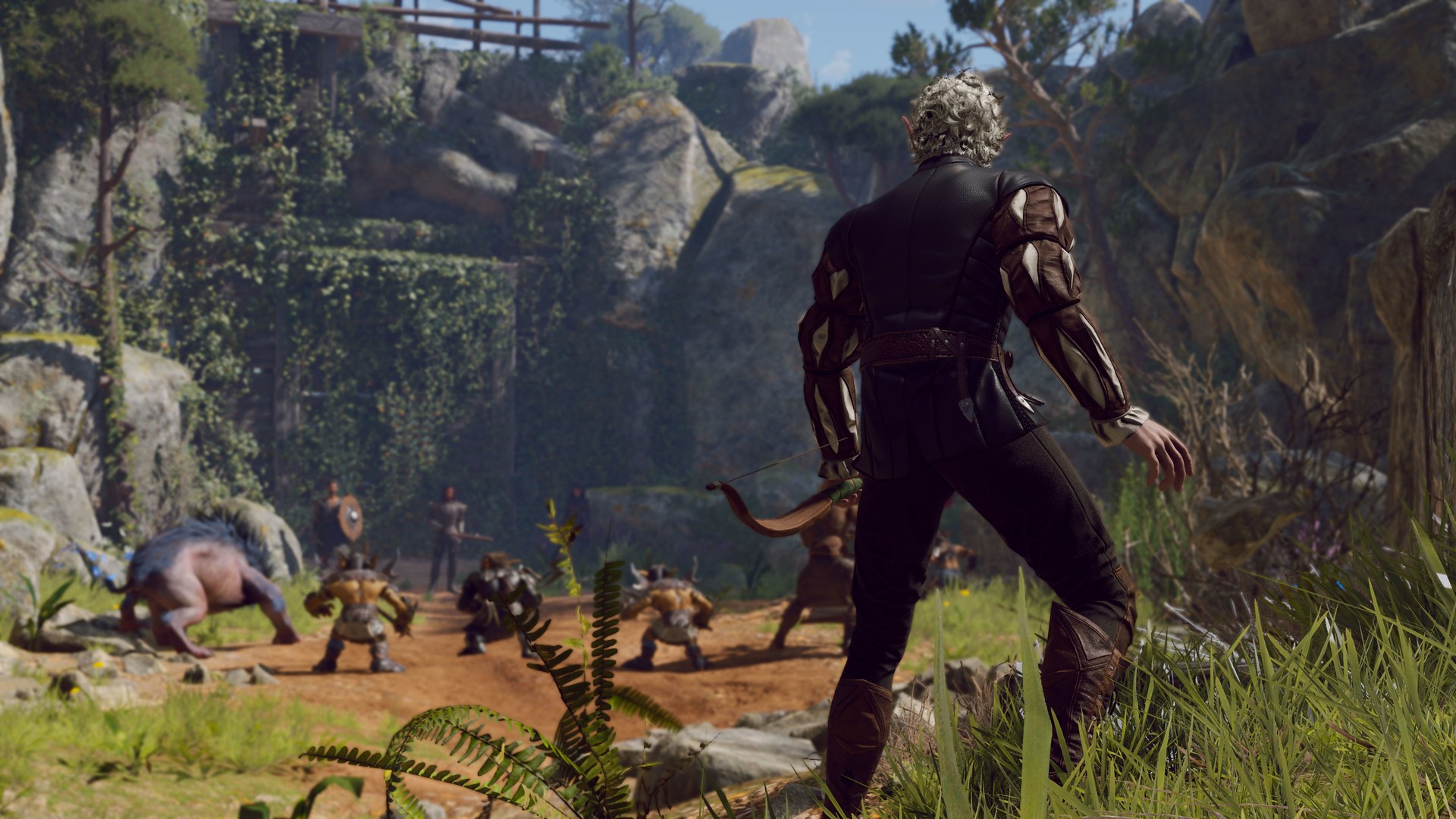
After years of anticipation, the final confrontation with the Netherbrain was supposed to be the big payoff. The player chose a Bard-Paladin multiclass—known in the community as a “Bardadin.” It sounded fun, but in the end, it made things a bit too easy and didn’t fit the classic D&D vibe: Bards are all about freedom, while Paladins are bound by oaths. Still, the journey continued until it was time to free Orpheus, the Githyanki leader imprisoned in the Astral Prism.
If you haven’t met Orpheus yet, he’s at the heart of the late-game story. Freeing him is technically optional, but if you’ve had Lae’zel in your party from the start, it’s hard not to want to help. Plus, freeing an entire species from tyranny just feels right. But then comes the real kicker: to defeat the Netherbrain, you must either turn Orpheus into a Mind Flayer or sacrifice yourself and become one. The decision comes fast, with little time to think.
Making the Ultimate Sacrifice
Choosing self-sacrifice, the player turned into a Mind Flayer, giving up their own freedom for the greater good. It’s a classic hero move, and you’d expect some epic reactions from your companions, right? Not so much. Even Karlach, the romance partner, had no comment on the transformation. It felt like Larian Studios missed a beat here—no words, no emotional payoff, just silence.
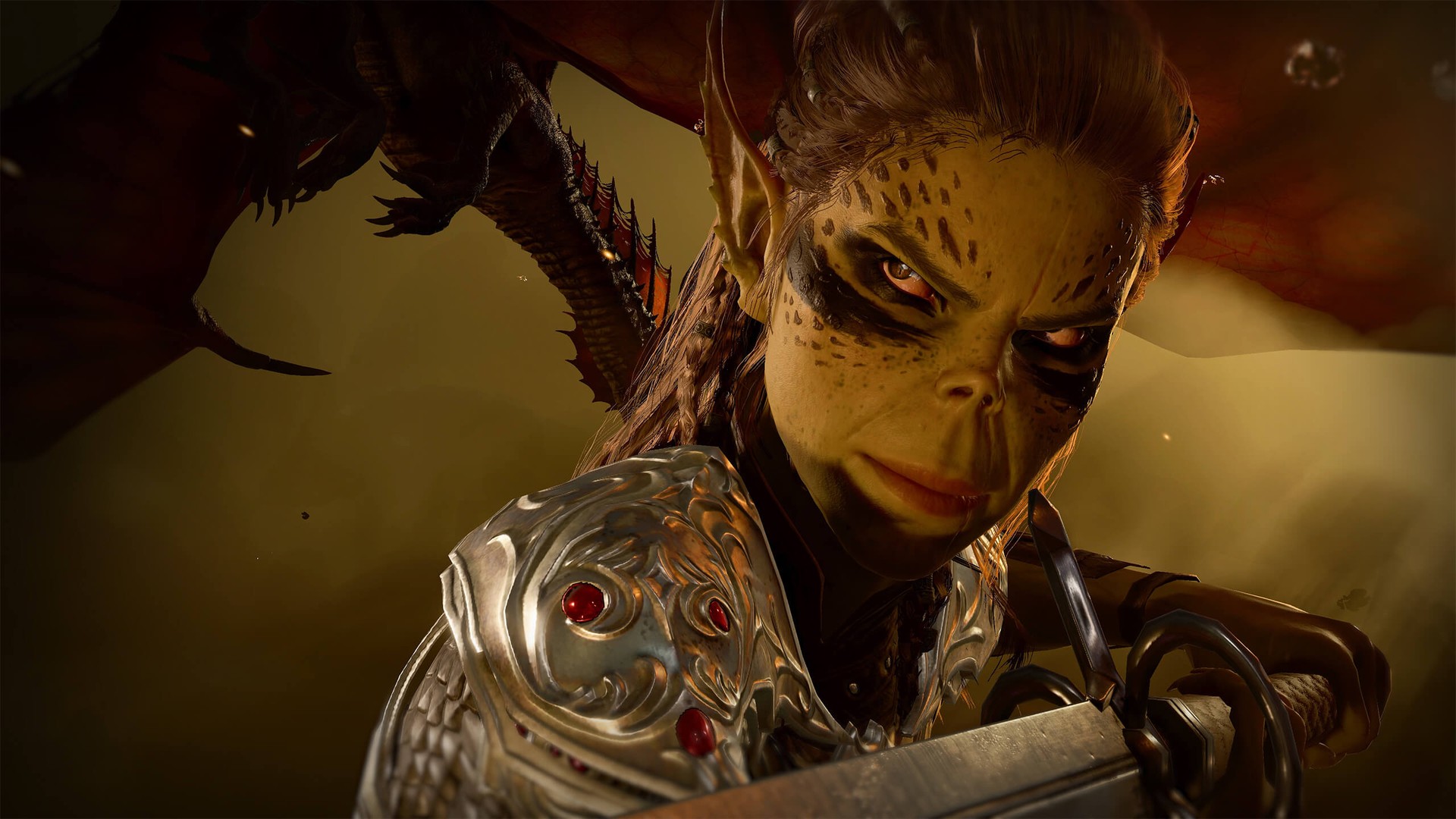
The final battle played out in Illithid form (but without using the new powers), and then came the ending. Here’s where things got even more disappointing. Lae’zel and Orpheus left for their own adventure without a second glance, and the hero stood alone on the docks. The last choice? Live on as a Mind Flayer and risk hurting loved ones, or end it all. The player chose the latter, sticking to the hero’s path to the very end.
No Happy Ending for Heroes?
Once again, there was no reaction from Karlach as the hero took their own life. Without the main character, Karlach had no one to help her make her own critical decision, so she also met a tragic fate. Instead of the much-anticipated playable epilogue from patch 5, the player got a short scene with Withers and missed out on all the new content—because, well, they were dead.

After all those hours and the most selfless choices possible, the ending felt empty and disconnected. There was no grand recognition, no closure with the companions, and none of the satisfying wrap-ups seen in other endings. The game’s world, full of magic and resurrection spells, offered no way back. Even the final sequence with Withers showed that Illithids do have souls, so there could have been room for more hope or at least a meaningful goodbye.
The Double-Edged Sword of Choice
Baldur’s Gate 3 is still a landmark RPG, with dozens of endings and a huge range of choices. But this story shows that when you give players so much freedom, sometimes the most “heroic” path can lead to the loneliest, least rewarding outcome. It’s a risk that comes with branching narratives—sometimes the dice just don’t roll in your favor.
So, if you’re planning your own epic BG3 playthrough, remember: being the hero doesn’t always mean you’ll get the happiest ending. Sometimes, the most selfless choices are the hardest ones to live with.