Could the U.S. Survive a ’28 Years Later’ Outbreak? Jodie Comer and Aaron Taylor-Johnson Weigh In
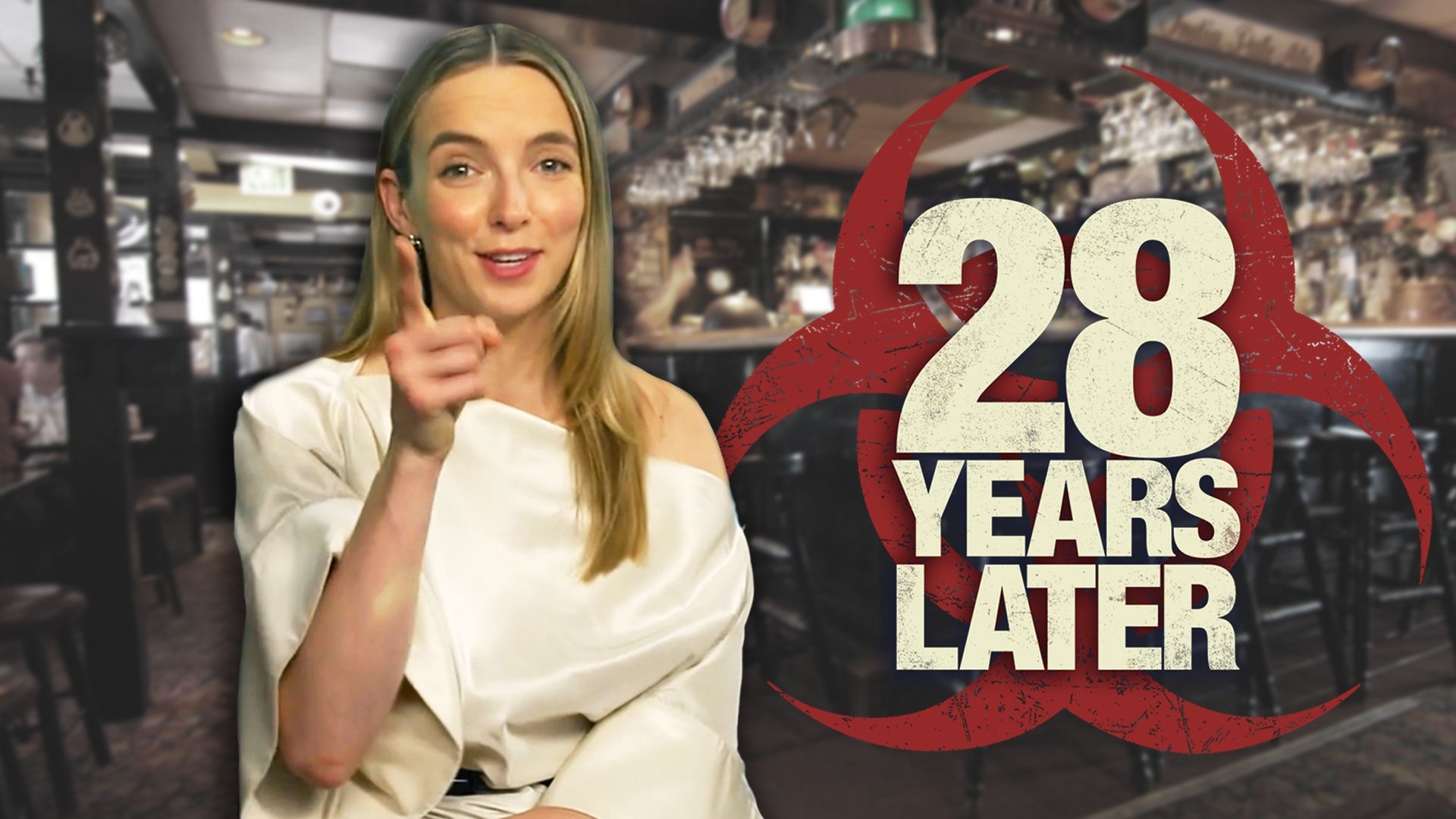
We asked Jodie Comer and Aaron Taylor-Johnson whether the U.S. could handle an infected outbreak like the one that swept Britain in 28 Days Later and the newer 28 Years Later. They were asked in the context of the films’ premise, which imagines a fast-moving, violent infection that overwhelms normal social order.
What we asked
We put the question directly to the actors: could the U.S. handle an outbreak like in the films? In press contexts, actors are typically asked to relate on-scene fiction to real-world concerns. However, the films are fictional scenarios designed to tell a story, not predictive models.
Fiction vs. real outbreaks
First, the infection in 28 Days Later / 28 Years Later is a fictional pathogen created for dramatic effect. Real-world pathogens follow biological rules and documented transmission patterns.
Second, the rapid, universal breakdown of infrastructure and instant, extreme aggression shown in those films has no direct real-world parallel among known human pathogens.
U.S. public health capacity
The United States maintains federal agencies and systems that are designed to respond to infectious disease threats.
- The Centers for Disease Control and Prevention (CDC) coordinates disease surveillance, guidance, and laboratory support. For general information see the CDC website.
- Federal Emergency Management Agency (FEMA) coordinates disaster response across agencies and supports state and local efforts; see the FEMA website.
- The U.S. Department of Health and Human Services (HHS) oversees federal health policy and programs, and maintains the Strategic National Stockpile of medical materiel; more details are available at HHS and the HHS page on the Strategic National Stockpile.
- Emergency management uses standardized structures such as the National Incident Management System (NIMS) and the Incident Command System (ICS) to coordinate multiagency responses.
What history shows
Past U.S. responses to infectious disease events provide concrete examples of strengths and challenges.
For instance, public health systems mobilized for the 2009 H1N1 influenza pandemic and for COVID-19 beginning in 2020. Those responses involved surveillance, vaccine development and distribution, public guidance, and coordination between federal, state, and local authorities.
At the same time, COVID-19 revealed supply chain issues, uneven local response capacity, and communication challenges between jurisdictions. These are documented facts from government after-action reports and public records.
Bottom line
In short: the U.S. has agencies, plans, and stockpiles intended to manage infectious disease threats. However, fictional outbreaks like those in the films are not direct analogues to real pathogens, and real-world responses have shown both capabilities and limits.
If you want to dig into official preparedness documents, start with the CDC and FEMA sites linked above for primary sources and guidance.