Criminally Underrated: Why Pokémon Mystery Dungeon Is the Roguelike You’re Missing
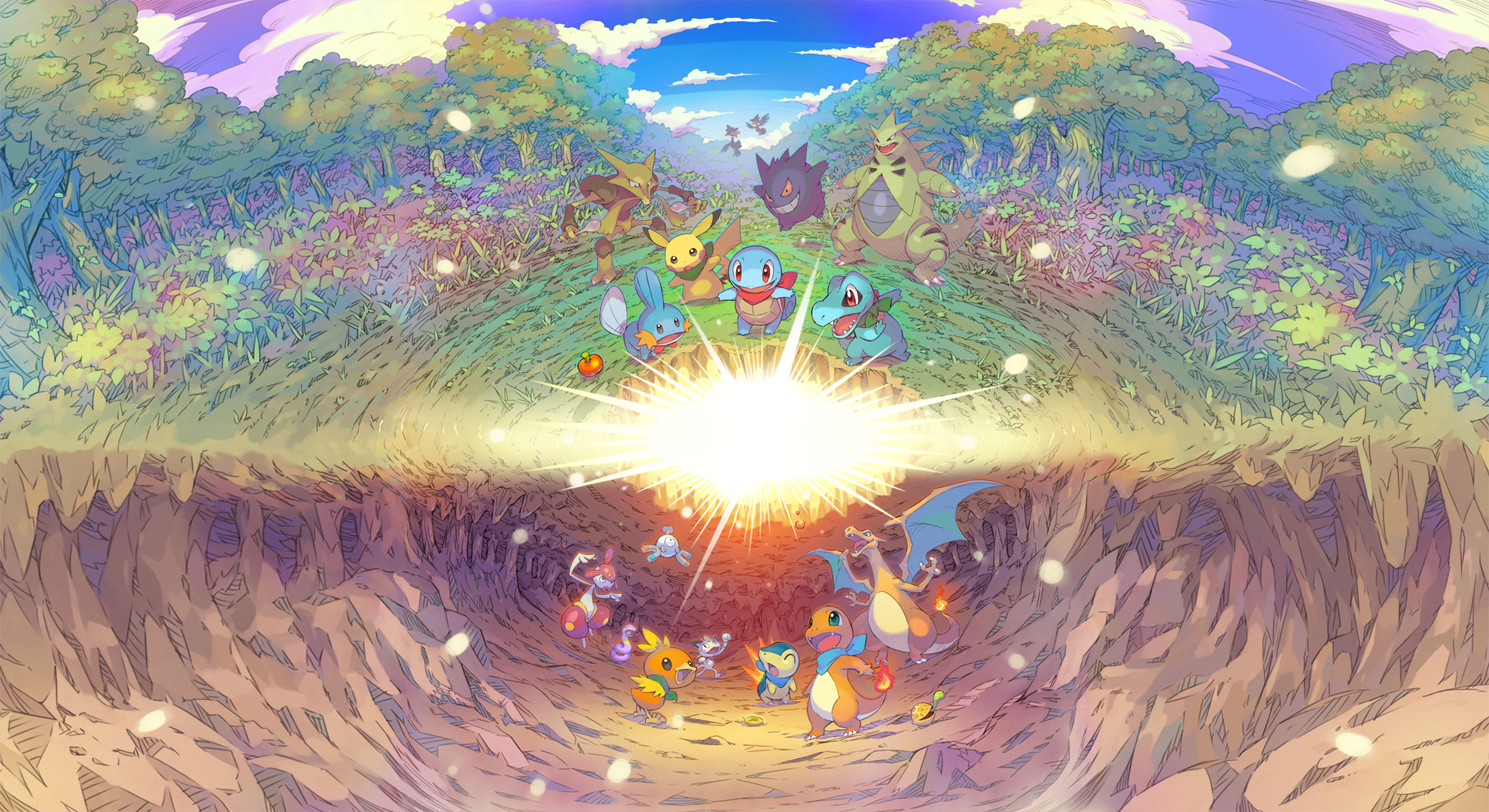
Pokémon Mystery Dungeon mixes Pokémon characters with roguelike dungeon crawling. In clear terms: you become a Pokémon, pick a partner, and go into procedurally generated dungeons to rescue other Pokémon and learn why you changed. Across the series, developers have changed mechanics, roster size, and presentation, while keeping rescue missions and randomly generated floors at the core.
- What the series formula is and how it plays.
- How key entries changed mechanics and roster size.
- Which features were added, removed, or restored across games.
- The series’ lasting elements and a brief look at legacy features.
Core formula and gameplay
The Mystery Dungeon games use a grid-based, turn-by-turn system. Each step you take counts as a turn for enemies, and objectives typically include finding a staircase, a target Pokémon, or an item. Furthermore, most games use a town hub where you can accept rescue missions and store items. If you fail a dungeon run, you return to town and lose carried money and items unless those were placed in the town storage box between runs. This combination of procedural dungeons and a hub-based economy is a consistent part of the series.
Key entries and the changes they brought
Red & Blue Rescue Team
The franchise began with Red & Blue Rescue Team, released on Game Boy Advance and Nintendo DS. These first games introduced the series’ grid-based exploration, partner selection, and rescue mission structure.

Explorers of Time, Darkness, and Sky
Explorers of Time and Explorers of Darkness expanded the formula by adding fourth-generation Pokémon and larger dungeons. They also introduced the hunger meter and Monster Houses (rooms crowded with enemies). Additionally, Explorers of Sky is an enhanced version that keeps gameplay intact while adding extra story content and post-game quests.
Gates to Infinity (2012)
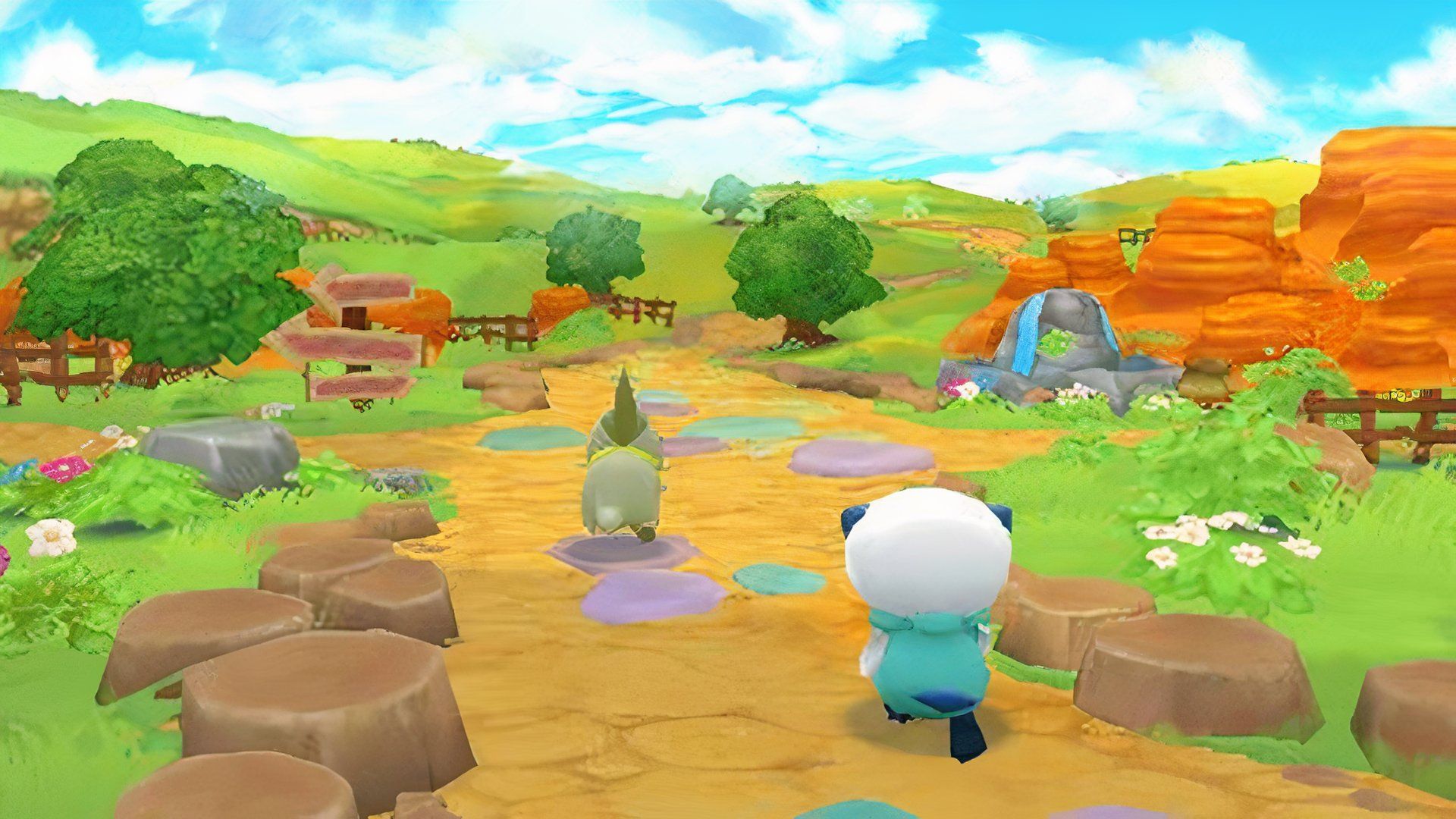
Gates to Infinity moved the series into full 3D on the Nintendo 3DS. The game simplified several systems: it removed the ability to take on multiple jobs at once and changed experience so earned points are shared among team members. The roster focus for that title was primarily on fifth-generation Pokémon, and some systems were streamlined compared with earlier entries.
Super Mystery Dungeon (2015)
Pokémon Super Mystery Dungeon returned to a broader roster by making Pokémon from Generation I through Generation VI recruitable. The game reintroduced many traditional systems and included extended tutorials and story sequences early on. Its dungeons remain randomized, though some players note repeated floor patterns across runs.

Rescue Team DX (2020)
Pokémon Mystery Dungeon: Rescue Team DX is a 2020 Nintendo Switch release that remasters the original Rescue Team games. It includes quality-of-life improvements such as streamlined menus, refreshed art, and an option to skip the personality quiz in favor of choosing a starter directly.
Legacy and lasting features
There are 11 entries in the Mystery Dungeon spinoff series. Across them, the franchise consistently blends Pokémon franchise elements with roguelike mechanics: procedural dungeons, rescue missions, and permadeath-style penalties for failed runs. Meanwhile, several entries also increased the emphasis on narrative, adding emotional stakes and extended character interactions. For example, some games include long gauntlets such as the 99-floor Destiny Tower challenge, while others focus more on shorter rescue missions.
In short, the series keeps a steady core formula but experiments with roster size, presentation, and difficulty across releases. As a result, players can choose a more streamlined or a more traditional roguelike experience depending on which entry they play.