Critical Role Campaign 4: 10 Things to Know About Aramán, Wild Magic, and Thjazi’s Fate
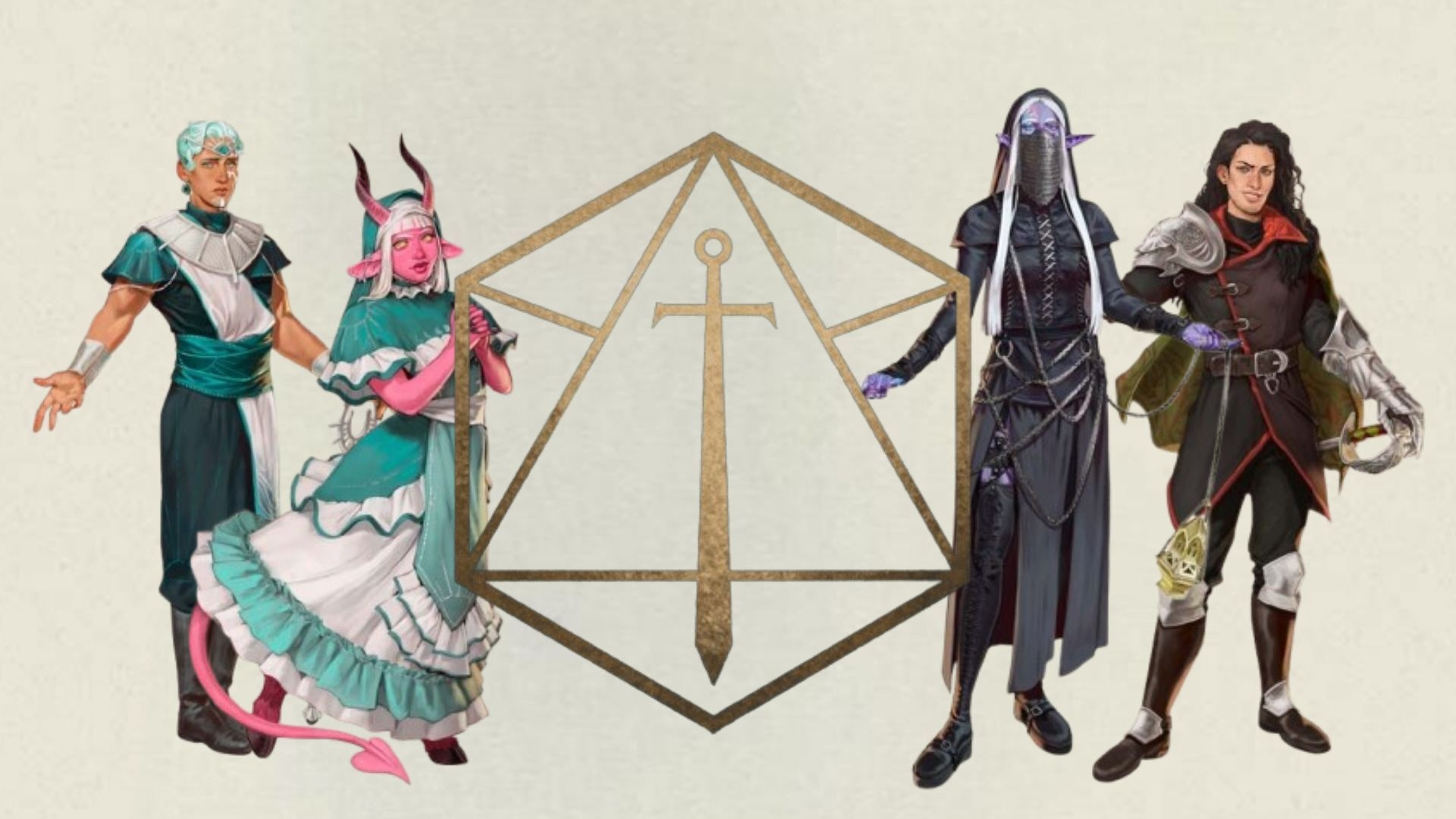
Critical Role Campaign 4 introduces a new setting called Aramán, where the gods were killed 70 years ago and the city of Dol-Makjar is the main focus so far. This piece summarizes what the first few episodes establish about locations, key events, people, and factions — all in plain facts.
- The World of Campaign 4
- The Story and Lore of Campaign 4
- The People of Campaign 4
- Factions in Campaign 4
The World of Campaign 4
The campaign is set in Aramán, a world altered after the death of the gods. The main city shown so far is Dol-Makjar, located on the eastern edge of a region called Kahad. The river Vrosh runs through the city, coming out of the surrounding mountains.
Within Dol-Makjar, neighborhoods and sites named in the opening episodes include the Rookery (the artistic quarter) and the theater Dithyramb of Azgra. The Archanade is a museum in the Lugzash neighborhood that stores dangerous magical artifacts; the character Bolaire resides there. The high western ward Mirzhash, on the via Aurora, is the seat of House Halovar and the Candescent Creed. The campaign also names the academy Penteveral, a place for studying magic, and notes the academy’s dean, Tallbarrel, who is a halfling required to resign under advisement from the Revolutionary Council via the Chamber of the Lords Advisory if the ability to cast magic is to remain allowed.
Other locations referenced in the early episodes: Dol-Rungja, the vanished realm Tir Cruthu (a Faerie realm that is stated to be closed), Venatus (at least two weeks from Dol-Makjar, where a silver box was recovered), and Mournvale, the distant home of Vaelus and the Sisters of Sylandri.
The Story and Lore of Campaign 4
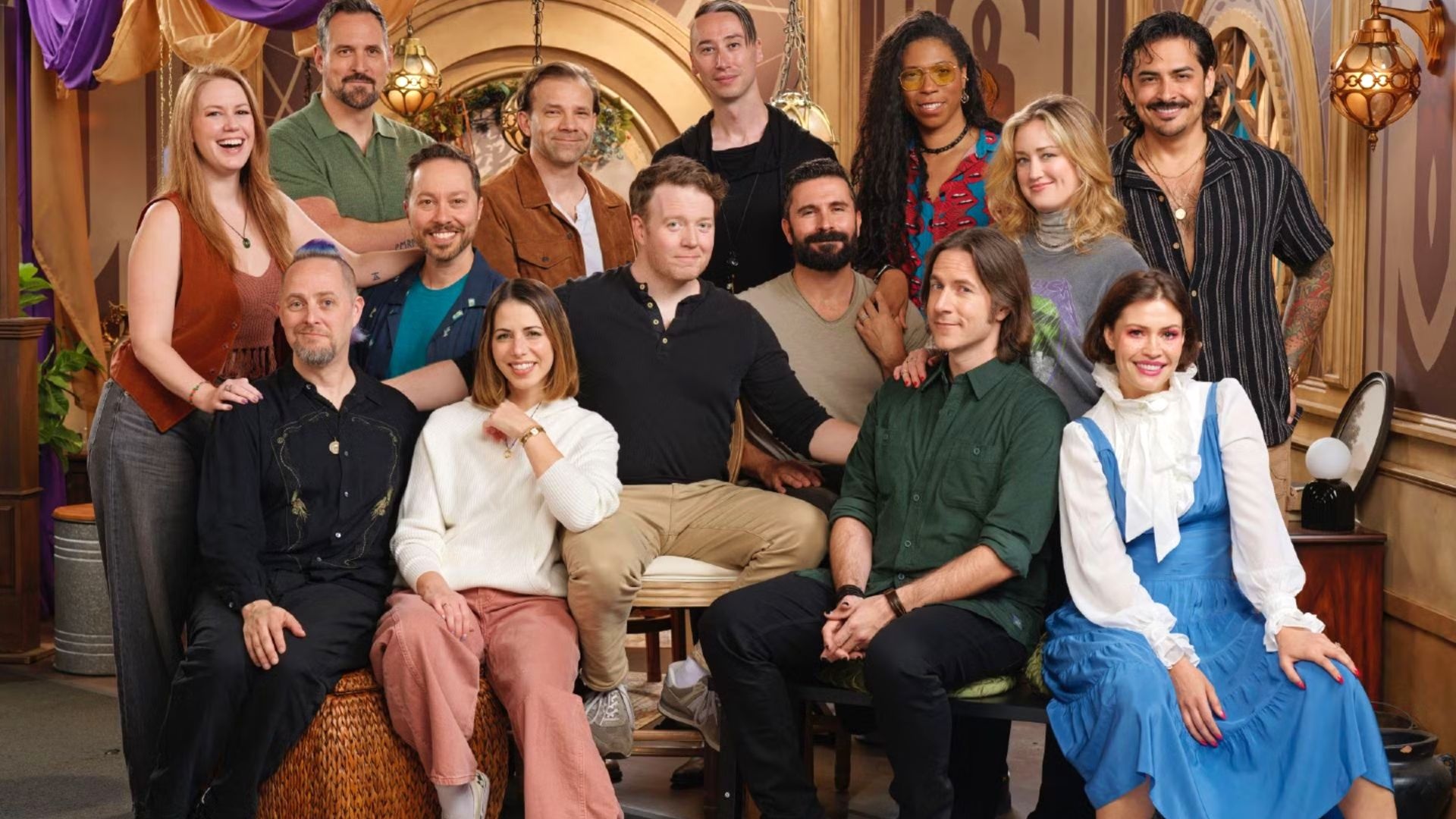
The campaign opens in Dol-Makjar at the execution of Thjazi Fang. The herald announces Thjazi as “a traitor, arcanist, murderer, and open sedition against the city and its people.” Thirteen individuals connected to him gather for the event; those people form the core adventuring cast for the campaign.
In Aramán’s history, the conflict known as the Shapers’ War ended when mortalkind killed the last gods, referred to as the Shapers, roughly 70 years before the present events. The Pariah Blades—forged by House Lloy—are identified as the weapons used to slay Azgra, Shaper of War.
The death of the Shapers altered the metaphysical order. The realm of the dead is called Obsidia or the Tenebral Reaches. Historically, celestials created by the Shapers acted as psychopomps and guided souls to divine realms; two named psychopomps are the Nightsong (for elves) and Olbalad (for halflings). After the gods’ deaths, those celestial servants became feral in places.
Campaign dialogue includes the Photarch of House Halovar, Yanessa, describing portions of the world as “half-poisoned, wastelands, ruins, magic chaos, and eternal night.” The early episodes also reference the Falconer’s Rebellion, a later conflict in which Thjazi participated. Thjazi’s final words include the line “Sundered Houses are stronger than ever.”
The People of Campaign 4
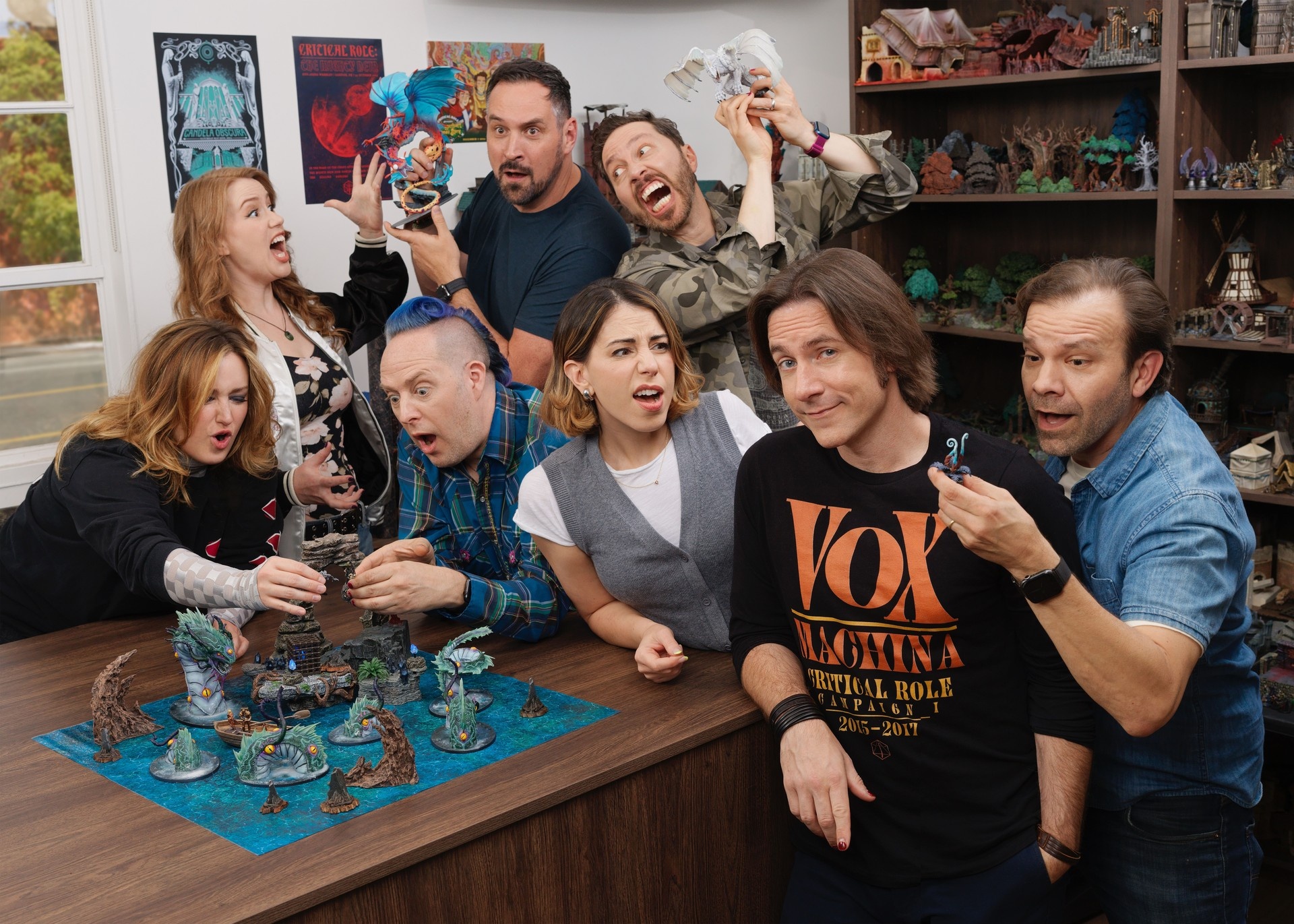
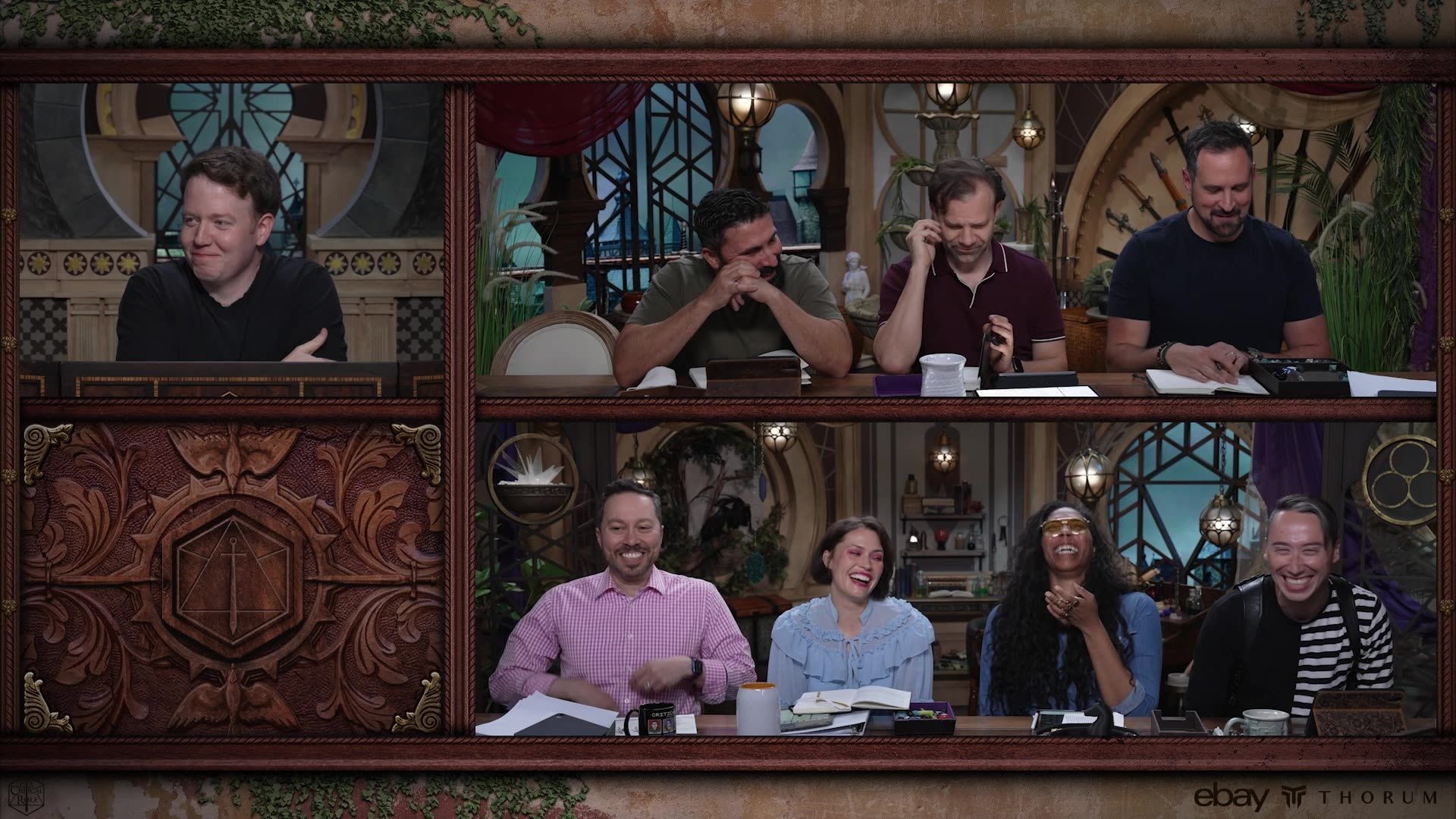
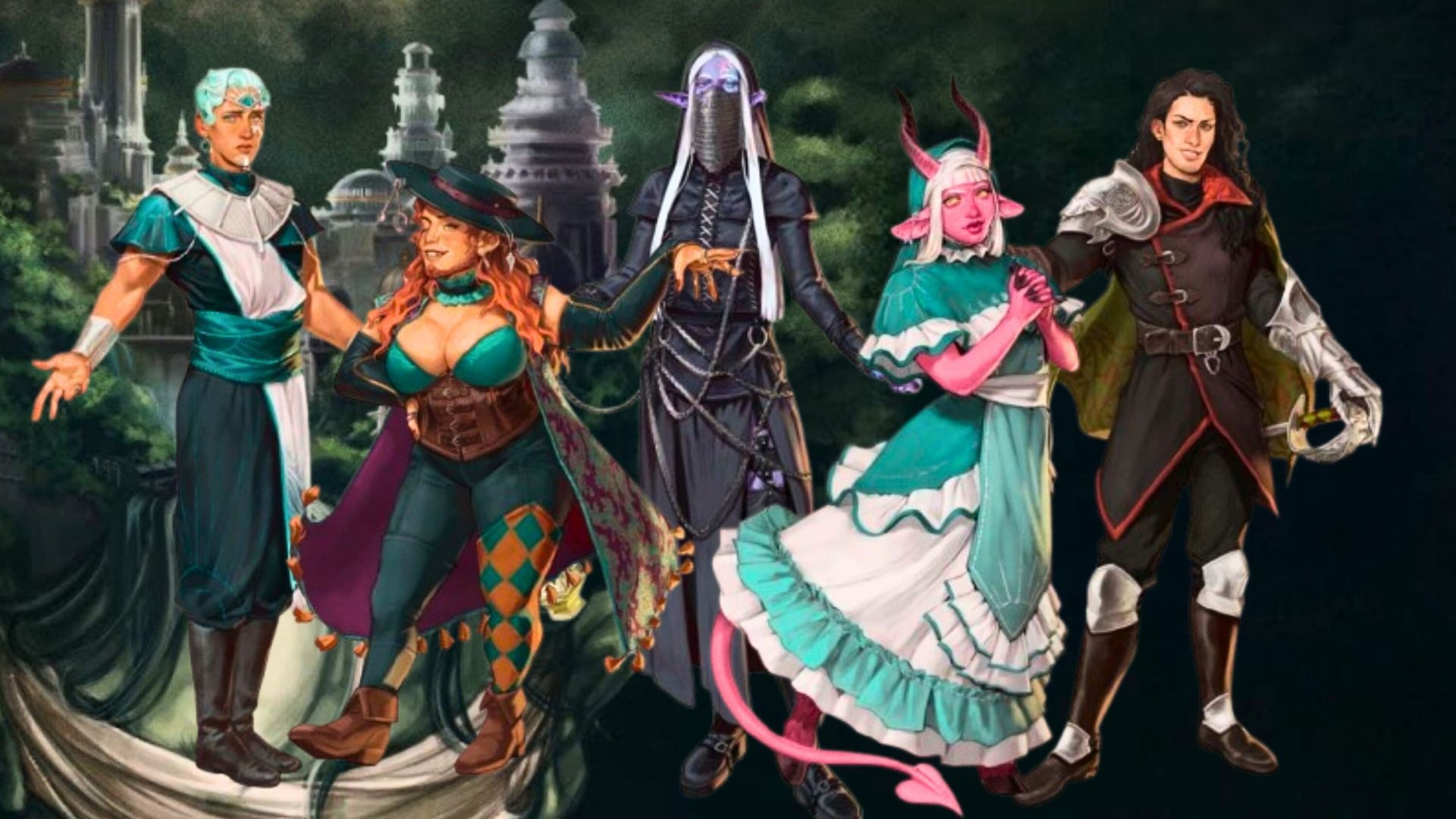
The core adventuring party present at the execution consists of Azune Nayar, Occtis Tachonis, Thaisha Lloy, Halandil Fang, Thimble, Murray Mag’nesson, Wicander Halovar, Teor Pridesire, Tyranny, Sir Julien Davinos, Bolaire Lothaire, Kattigan Vale, and Vaelus. These twelve names appear on-screen as the primary cast gathered for the opening events.
Thjazi Fang is shown as a former war hero from the War of Axe and Vine, later tried for his role in the Falconer’s Rebellion and executed after an attempted rescue failed. Thjazi was married to Aranessa Royce; Aranessa is recorded as having gifted Thjazi the fae Thimble at their wedding. After the rebellion, Thjazi and Thimble were pardoned, then lived in Dol-Makjar.
Other named people and relationships introduced in the early episodes include:
- Halandil Fang — parent of Shadia, Hero, and Alogar.
- Thaisha Lloy — mother of Shadia and Alogar; associated with House Lloy.
- Alogar — placed under the tutelage of Sir Julien Davinos.
- Loza Blade — orc leader of the mercenary group the Torn Banner, who fought in the Falconer’s Rebellion.
- Sir Einsfasen of House Einfasen — member of the Chamber of the Lords Advisory and described as Security Overseer of Dol-Makjar.
- General Raimond Davinos — head of House Davinos and father of Sir Julien Davinos.
- Yanessa — Photarch of the Candescent Creed and matriarch of House Halovar.
- Godard Halovar — Wicander’s father; shown to wear a blindfold because he can emit beams of light from his eyes.
Factions in Campaign 4
Early episodes identify several named factions and power centers in and around Dol-Makjar.
Sundered Houses
The Sundered Houses are named as a set of powerful families with deep influence in Dol-Makjar. Houses introduced by name include Tachonis, Halovar, Royce, Einfasen, Cormoray, and March. House Halovar and House Tachonis are presented as particularly influential in the early episodes.
Candescent Creed and House Halovar
The Candescent Creed is led by Yanessa of House Halovar. Its symbol is described as a point of light above a pillar, resembling a sun or candle. The Creed trains aspirants; the aspirants shown so far are named Tyranny, Enmity, Agony, and Cruelty, and they are identified as coming from a place called the Pit.
House Halovar operates a device called the Prismatic Retort, described as a 30-foot “angel” with taps that draw blood and a means to distill a filament from cosmic energy. That filament is used in rituals and is stated to be the substance behind certain individuals’ magical tattoos, including Wicander’s.

Revolutionary Council and Revolutionary Guard
The Revolutionary Council is the governing body in Dol-Makjar. Its military arm is the Revolutionary Guard, which houses the Arcane Marshals, a unit tasked with dealing with magic-related crime and incidents.
Other groups
The Torn Banner is a former mercenary group led by Loza Blade; several main characters are veterans of that group. The Crow Keepers are named as the city’s oldest thieves’ guild and are linked to possession of the Stone of Nightsong. The Sisters of Sylandri are identified as keepers of the Stone of Nightsong and are based in the Mournvale.
Finally, arcanists and occultists appear throughout the city. Magic is regulated in Dol-Makjar; public performance and certain uses are restricted, and notices against open casting appear in public spaces.