Critical Role Campaign 4 Makes Death Matter — Souls Are Stuck, Gods Are Dead, and Artifacts Could Rewrite the Afterlife
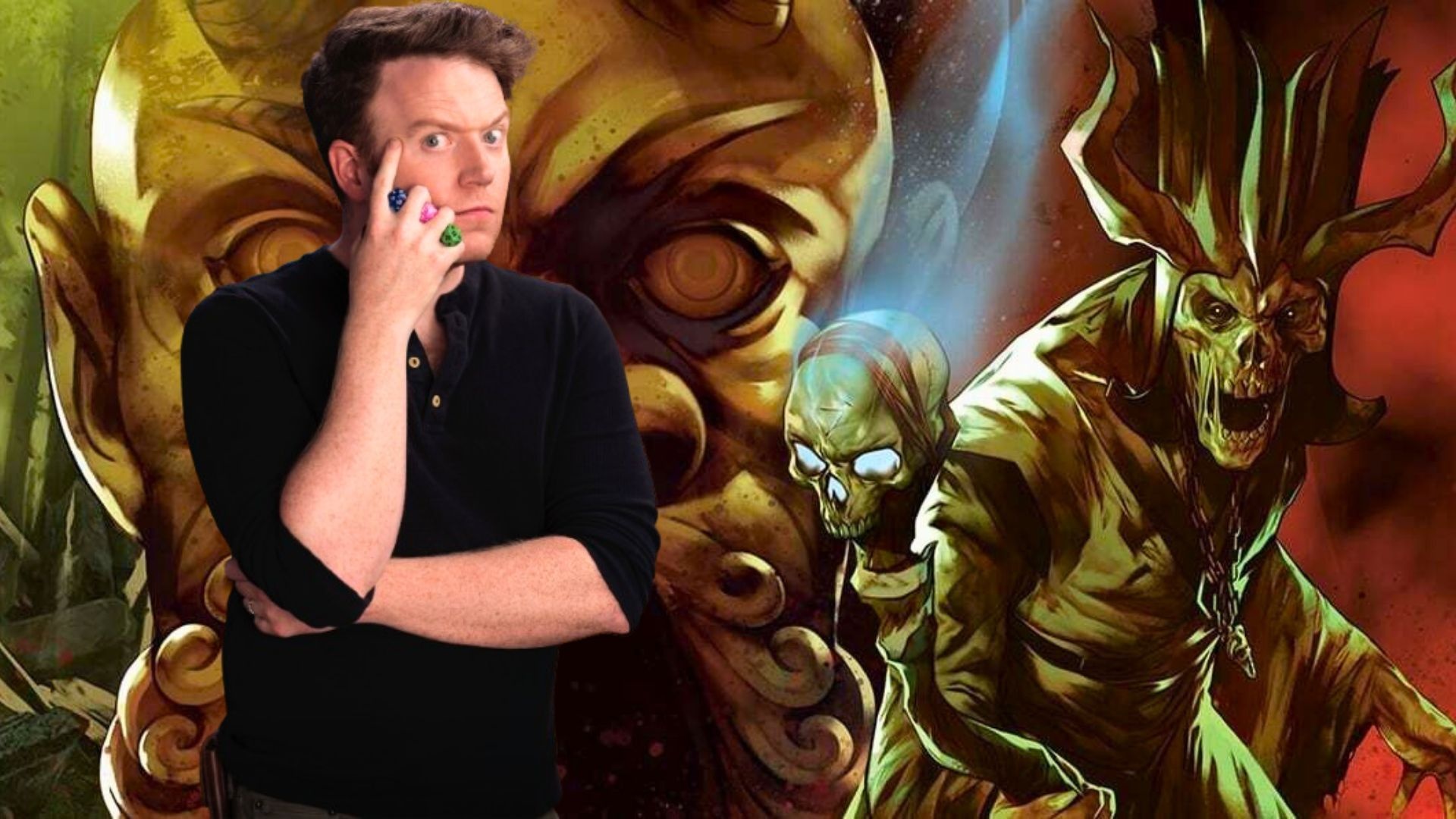
Critical Role’s Campaign 4 foregrounds death and the afterlife as concrete world-building elements. The season opens with the death of Thjazi Fang, and the show’s lore links that event to a larger history in which mortalkind killed the gods during The Shapers’ War, with ongoing consequences for souls, magic and specific noble houses.
- Death and the afterlife in Campaign 4
- The world after the gods
- Stuck souls and House Tachonis
- Artifacts and their names
- What the show shows (episodes)
- Gameplay and narrative stakes
Death and the afterlife in Campaign 4
Campaign 4 presents death and the afterlife as systems affected by historical events. Before The Shapers’ War, celestials acted as psychopomps, ferrying souls to their proper divine realms and keeping them from getting stuck in The Tenebral Reaches, a purgatory-like place. After the gods were slain, those celestials largely turned mad or monstrous and many were put down, leaving the realm of death altered.
The world after the gods
The campaign’s lore states the Shapers’ War ended roughly 70 years before the current story. As a result, several regions have been transformed: some locations are described as ruins or wastelands, magic is unstable, and specific areas such as Obridimia—ancestral lands of House Halovar—are said to be “cast in eternal darkness.”
Stuck souls and House Tachonis
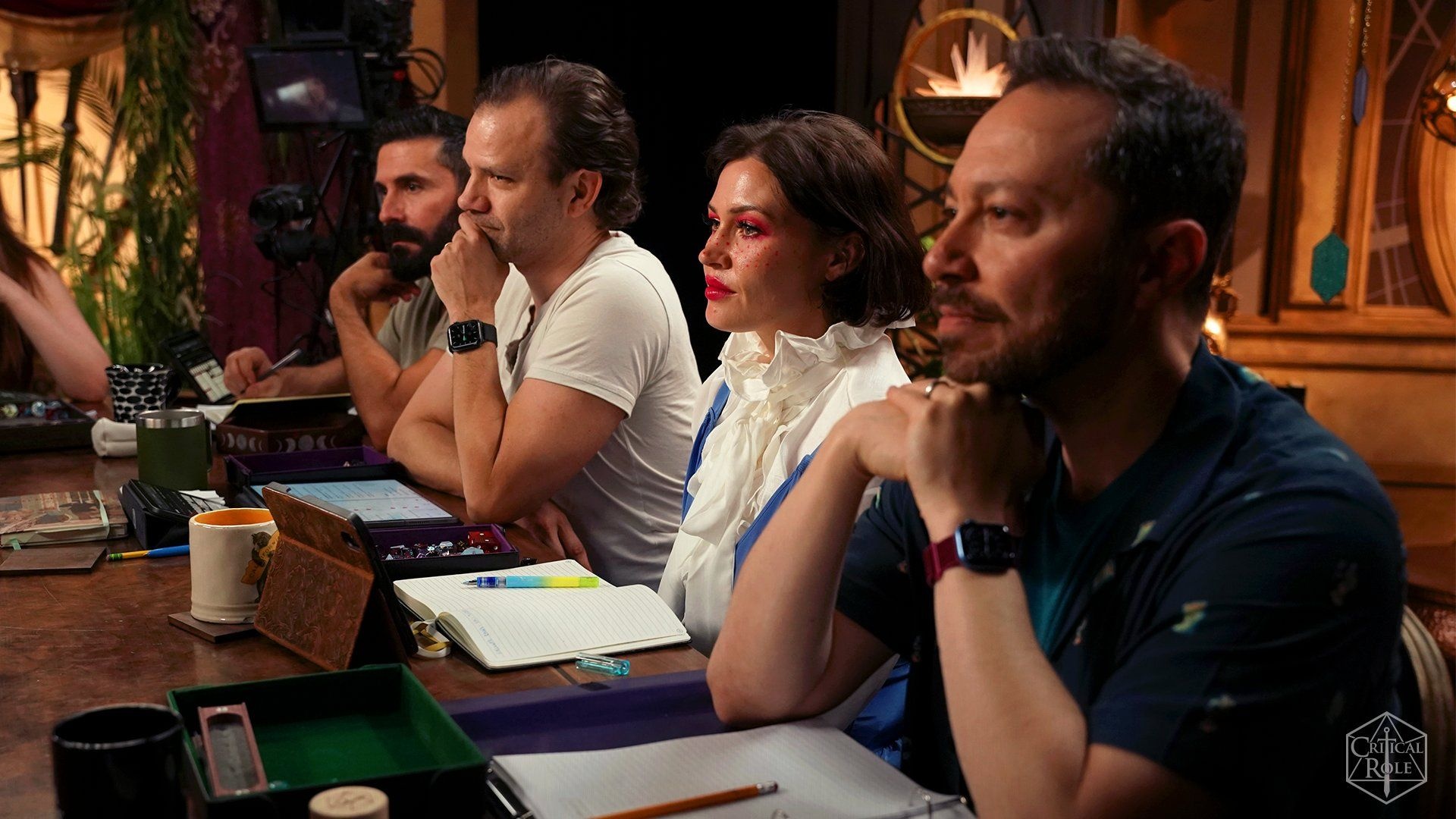
On-screen dialogue and scenes establish that the realm of death is overloaded. Aranessa Royce tells Occtis Tachonis that the realm is “so choked with souls that cannot move to an afterlife because we killed the gods.”
Additionally, Vaelus uses a class feature, Divine Sense, to detect the presence of restless dead near the living world. The show also describes House Tachonis as a “priestly family of Shadow,” and presents them as a house that has benefited from many souls being stuck in limbo.
Artifacts and their names
Two artefacts introduced in the Campaign 4 premiere are the Coffin of Olbalad and the Stone of Nightsong. The series explains these namesakes as psychopomp celestials: Olbalad ferried the souls of halflings, while the Nightsong did the same for elves. The artefacts were shown as items Thjazi Fang either had or sought for his collection.
What the show shows (episodes)
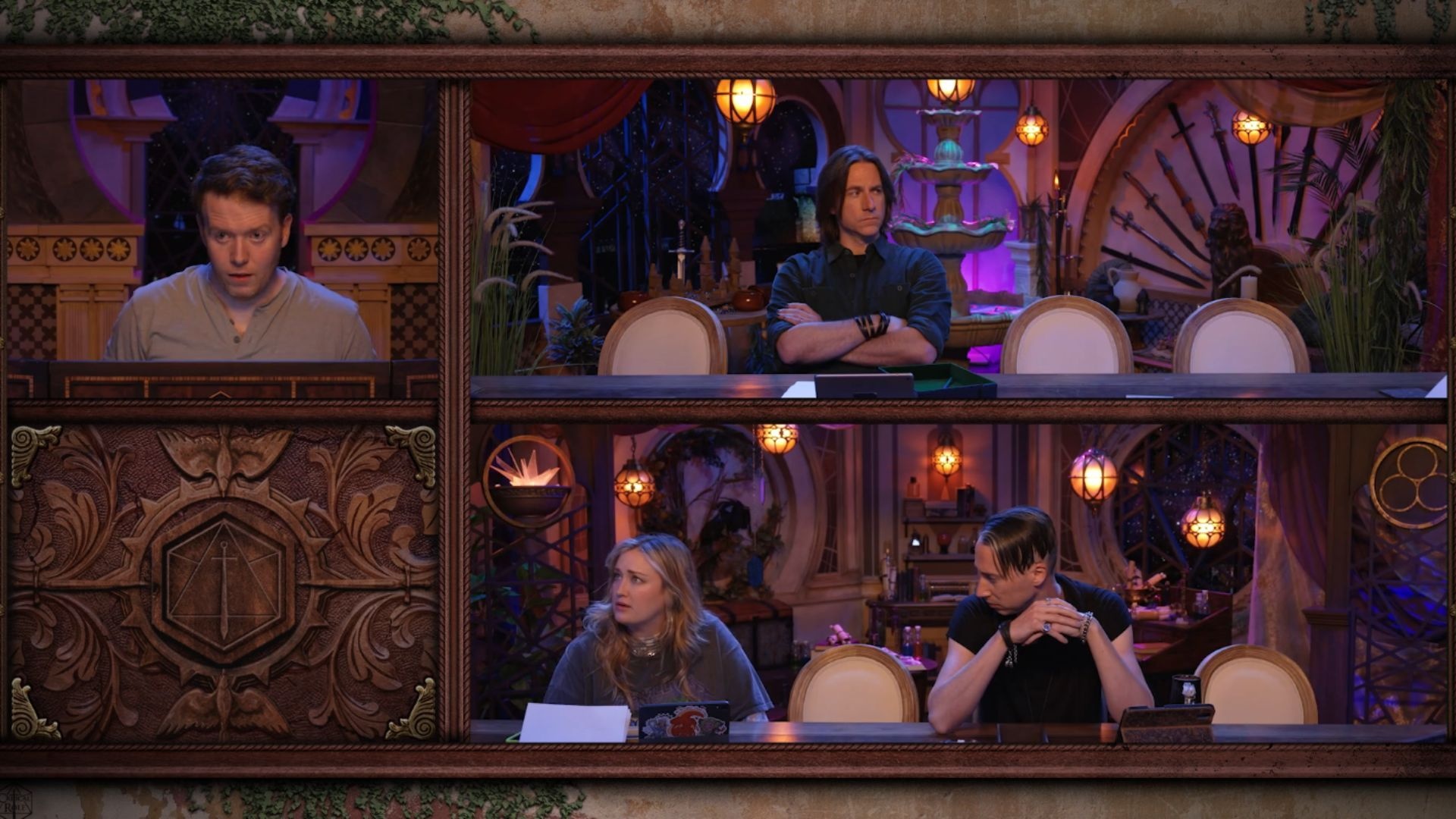
The premiere establishes the artefacts and the wider stakes. By the end of episode three, a cliffhanger scene shows Occtis’s family prepared to cut him open and place the Stone of Nightsong inside him. Earlier, episode two ended with at least one celestial still alive.
Those on-screen events connect the campaign’s immediate plot to the larger lore about dead souls, psychopomps and artefacts named after them.
Gameplay and narrative stakes
For context, standard Dungeons & Dragons rules allow access to resurrection spells beginning at character level 5. Critical Role’s fiction also includes its own limits: the series has previously shown that if resurrection attempts fail a certain number of times, a soul cannot be returned. Campaign 4 therefore places an in-world reason for death to have lasting, mechanical and narrative consequences.
In short, the season links in-game mechanics and show lore to make death a visible, recurring element in the plot. The result is a campaign that treats souls, psychopomps and death-related artefacts as concrete parts of the setting rather than background flavor.