Critical Role Campaign 4 Rewrites Tiefling Lore — Demon Souls, the Pit and Ksha’aravi’s Deal
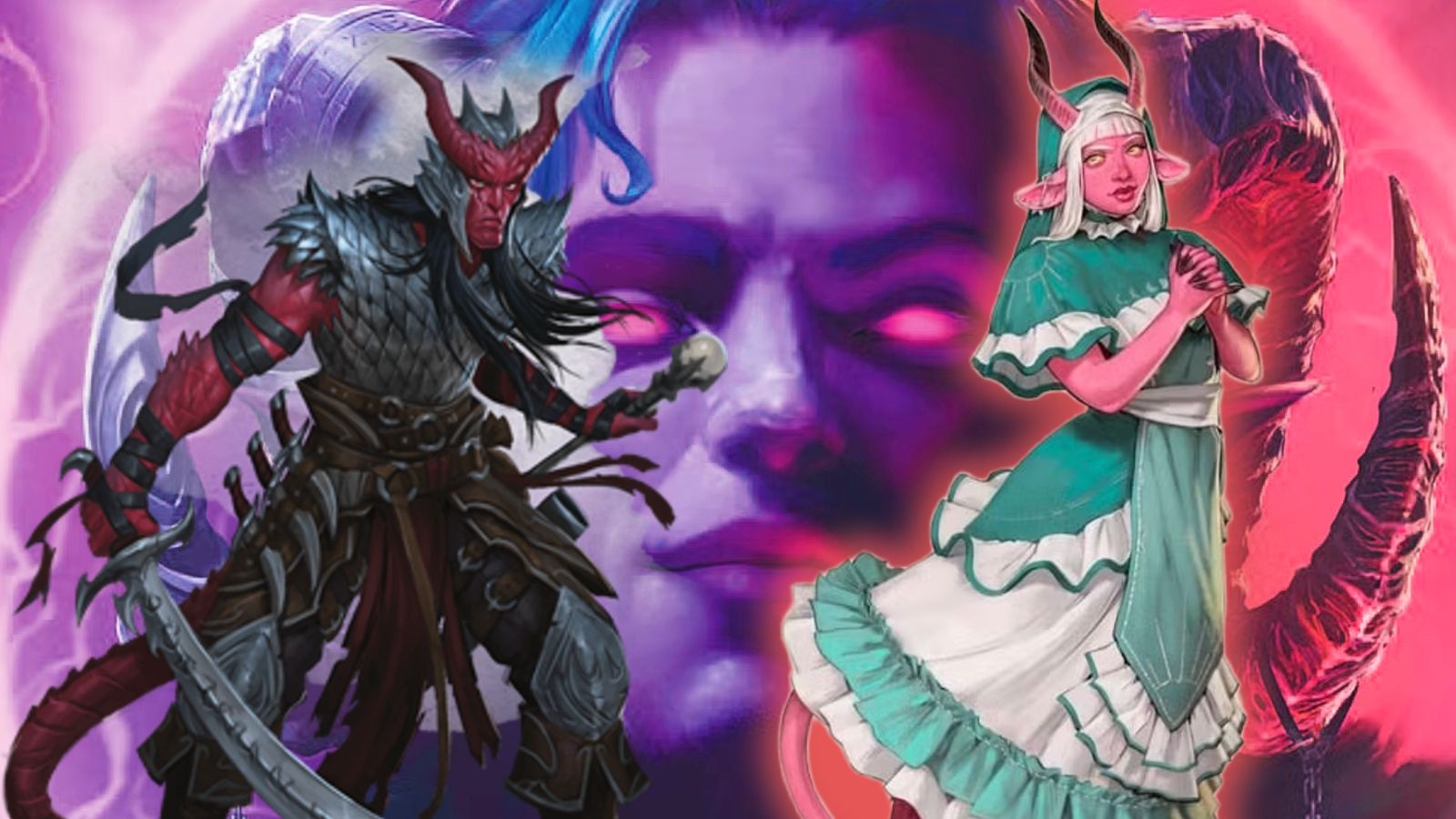
Critical Role Campaign 4 is showing a new, concrete take on tieflings: in Aramán, they can be *true demons* whose souls inhabit mortal bodies after bargains, rather than just mortals with fiendish blood. Episode 3, “The Snipping of Shears,” introduced the Pit, the High Prince Ksha’aravi, and a deal with House Halovar that ties demons, mortal souls, and a divine substance called the Filament together — and the episode also introduced the demon warlock Tyranny, played by Whitney Moore.
- What Campaign 4 shows
- The Pit and High Prince Ksha’aravi
- House Halovar deal
- Tiefling origins and Planescape
- How this differs from other settings
What Campaign 4 shows
Campaign 4 presents tieflings in Aramán as beings that can be *demons inhabiting mortal bodies* after making deals. In episode 3, the series names demons broadly, but it also ties that term to characters who would be called tieflings in other D&D settings. For example, the character Tyranny is described as a demon warlock in the show; the role is performed by Whitney Moore. This framing appears on-screen and is part of the season’s unfolding lore. 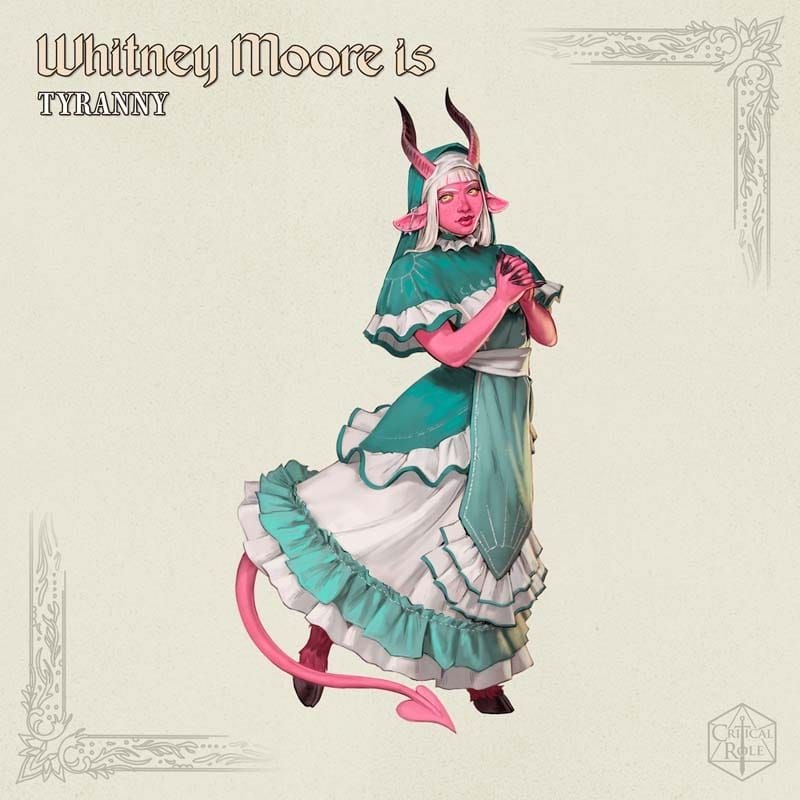
The Pit and High Prince Ksha’aravi
Episode 3 introduces a realm called the Pit. According to the episode, the Pit is where these demons reside. It is ruled by a figure named High Prince Ksha’aravi, also called the Shadow of Suffering. The episode shows Ksha’aravi as a being who bargains for souls and resources. This is presented directly in the narrative and on-screen dialogue.
House Halovar deal
The show states that Ksha’aravi struck a deal with House Halovar. Under that pact, Ksha’aravi supplies demons to House Halovar to use as agents and as *paragons of redemption* for the Candescent Creed. In return, Ksha’aravi receives mortal souls and portions of the Filament, which the Halovars produce and which the show describes as having divine properties. Mulligan reveals these points gradually across episodes, and episode 3 lays out the basic terms of the bargain.
Tiefling origins and Planescape
Historically, tieflings first appeared in 1994 in the Planescape Campaign Setting for AD&D 2nd edition. In that source, tieflings were described *vaguely* as humans with otherworldly heritage, which could include devils, demons, or other planar beings. Later commentary from Planescape author Zeb Cook explained that the vagueness was intentional, aiming to create an archetype suited to reformed-devil or antihero characters; see this interview for Cook’s remarks. Over subsequent editions, D&D mechanics and lore often narrowed tiefling origins toward Lower Planes ancestry.
How this differs from other settings
In most D&D settings, tieflings are principally described as mortals with Fiend ancestry — that is, humans with fiendish blood or heritage. Fiends are generally the inhabitants of the Lower Planes (for example, the Nine Hells). By contrast, Campaign 4 portrays some tieflings as literal demon souls that inhabit bodies due to bargains. The show also draws a comparison in tone to classic infernal rulers; for instance, Ksha’aravi’s soul-bargaining role resembles the scheming of Asmodeus in the Forgotten Realms, though Campaign 4’s Pit and its mechanics are presented as distinct within Aramán’s own cosmology. 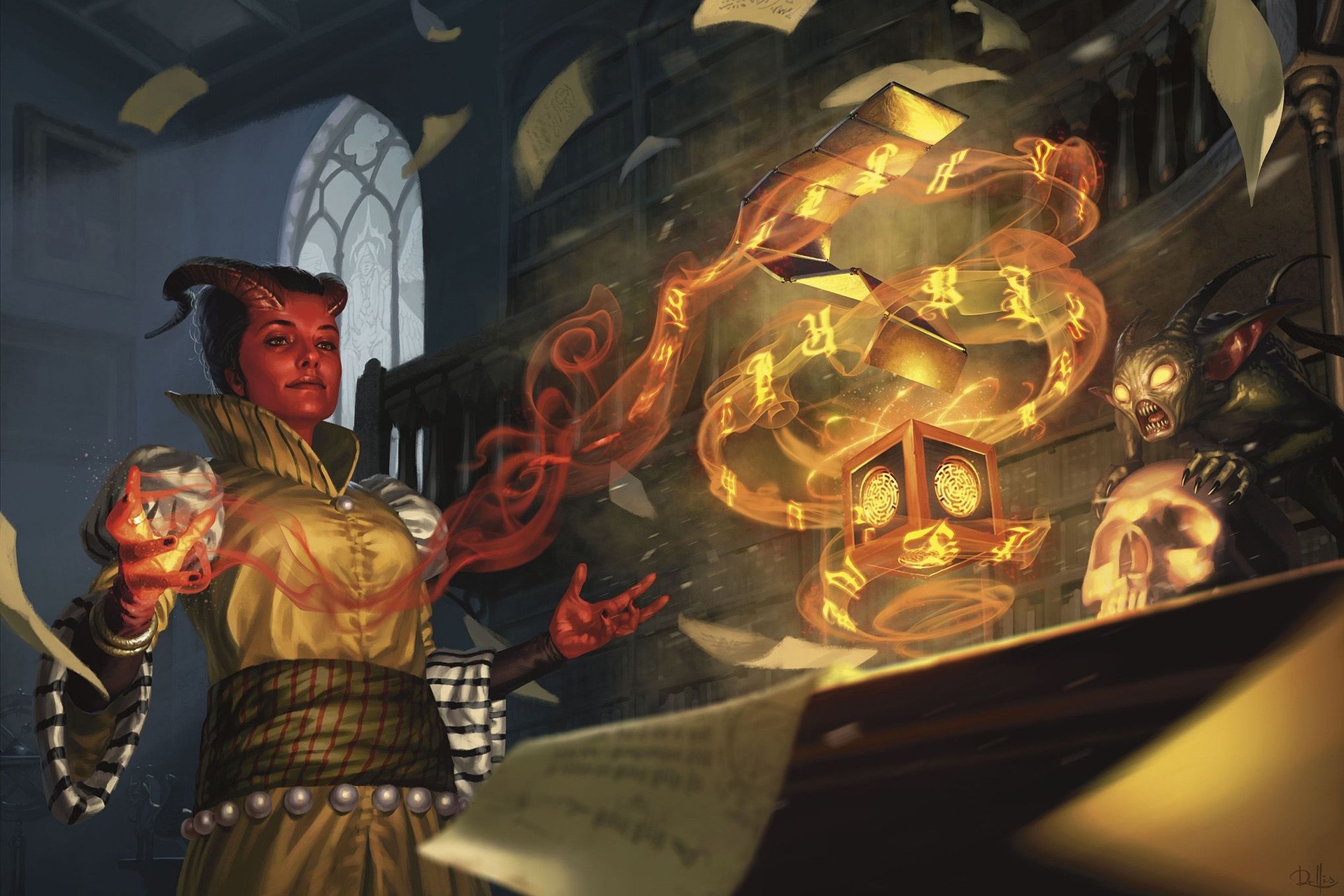
Summary of concrete points
To be clear: Campaign 4 shows (1) a place called the Pit, (2) a ruler named High Prince Ksha’aravi, (3) a bargain with House Halovar trading demons and mortal souls for Filament, and (4) characters like Tyranny who are presented as demons-in-bodies rather than only mortals with fiendish ancestry. These points are onscreen facts from episode 3 and from the campaign’s revealed lore.