Critical Role Turns Angels Into Monsters — Campaign 4’s Brutal Reimagining of D&D Celestials
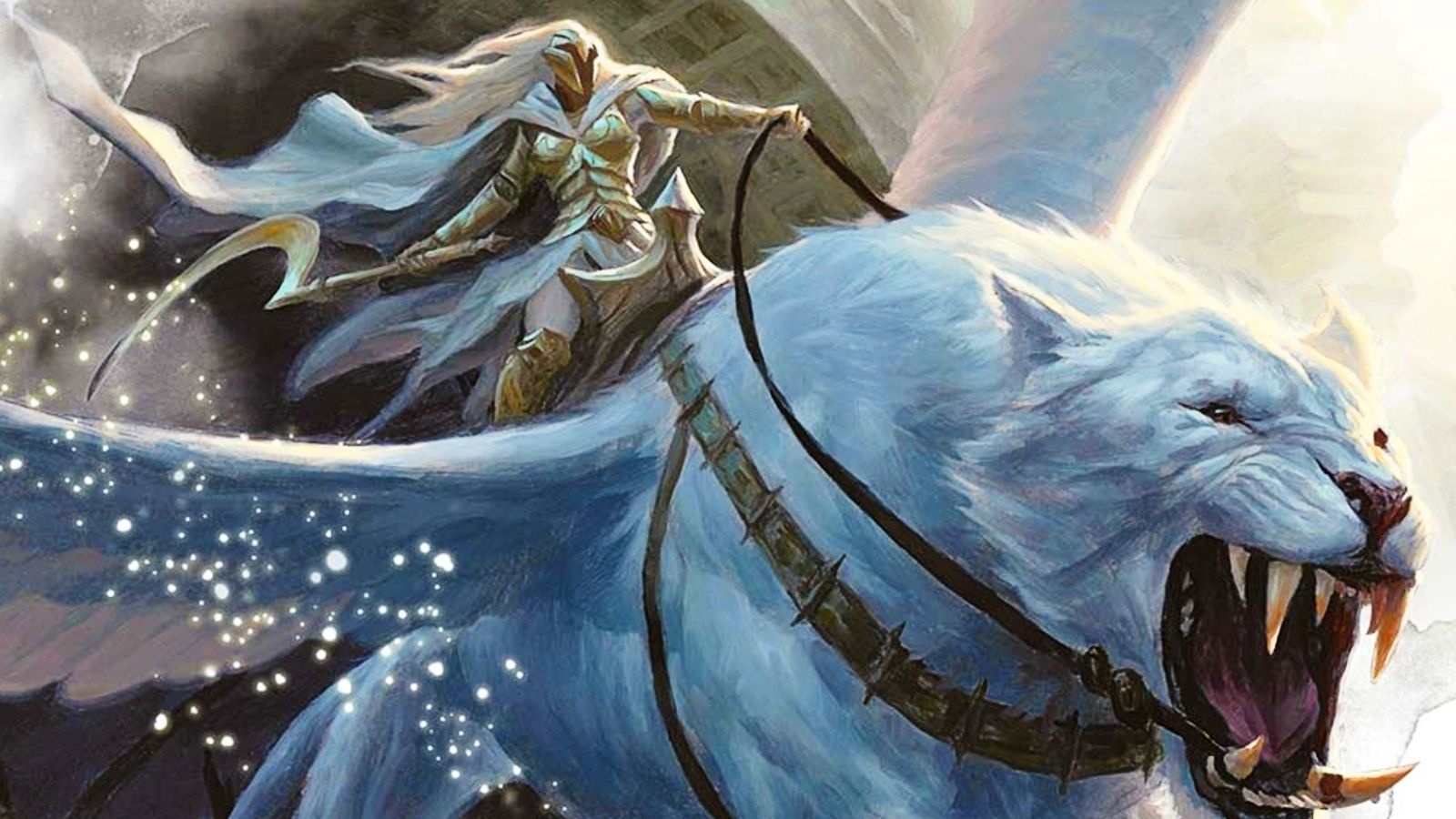
Critical Role Campaign 4, set in Brennan Lee Mulligan’s world of Aramán, presents a clear, factual change to how *celestials* appear and behave: in that setting, the gods were killed before the campaign and many celestials later became violent and destructive. This article summarizes the concrete facts from Dungeons & Dragons history and from Campaign 4’s early episodes.
- History of celestials in Dungeons & Dragons
- How Campaign 4 portrays celestials
- Examples and related D&D lore
- Practical implications for play
History of celestials in Dungeons & Dragons
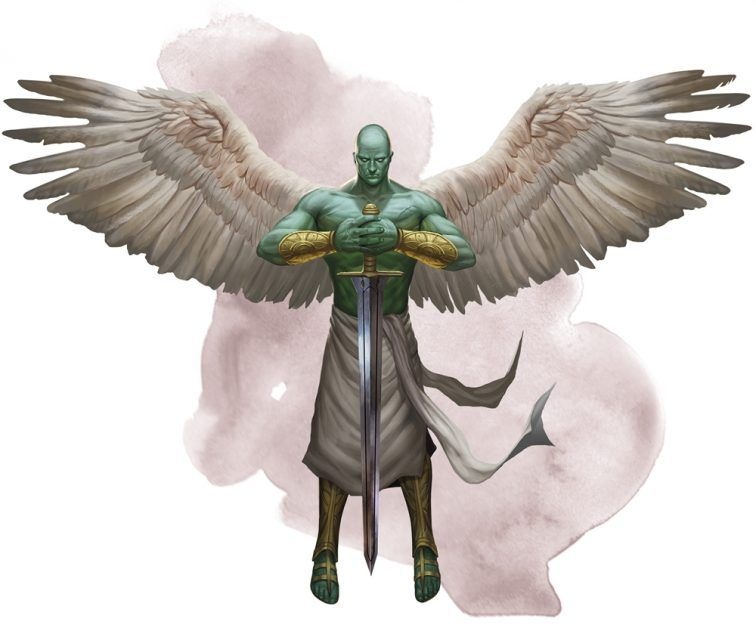
Fiends (demons and devils) have been part of D&D since the mid-1970s. In contrast, named “angelic” or celestial-type creatures appeared a little later in the game’s publications. Early angel-like entries showed up in Dragon magazine in 1978, and a set of new celestial creature types — including the deva, planetar, and solar — were introduced in material tied to the 1983 Monster Manual II after Gary Gygax’s 1982 “Featured Creatures” column.
In D&D rules and setting material, celestials are typically described as beings created by or serving good-aligned deities. They appear in many campaigns as messengers, guardians, commanders, or champions of lawful or good causes. However, published lore for celestials is less extensive than the published lore for many fiendish creatures and planes.
How Campaign 4 portrays celestials
Campaign 4 of Critical Role takes place in Aramán, a setting created by Brennan Lee Mulligan. In that setting, the gods were killed in a conflict known as the Shapers’ War roughly 70 years before the campaign begins. As presented on the show, one documented consequence is that many celestials became feral and destructive after the gods’ deaths.
In episode 2 of Campaign 4, a scene shows a chained celestial in a large coffin; the character Wicander, played by Sam Riegel, encounters this being as part of the episode’s events. Thus, the show explicitly depicts at least one celestial that has become dangerous in the post-god world of Aramán.

Examples and related D&D lore
There are several canonical D&D examples of celestials with notable story arcs. For instance, Zariel appears in Forgotten Realms material as a celestial being who later becomes an archdevil in canon stories. Another less-known example is Fazrian, a planetar with a distinct narrative in specific setting material.
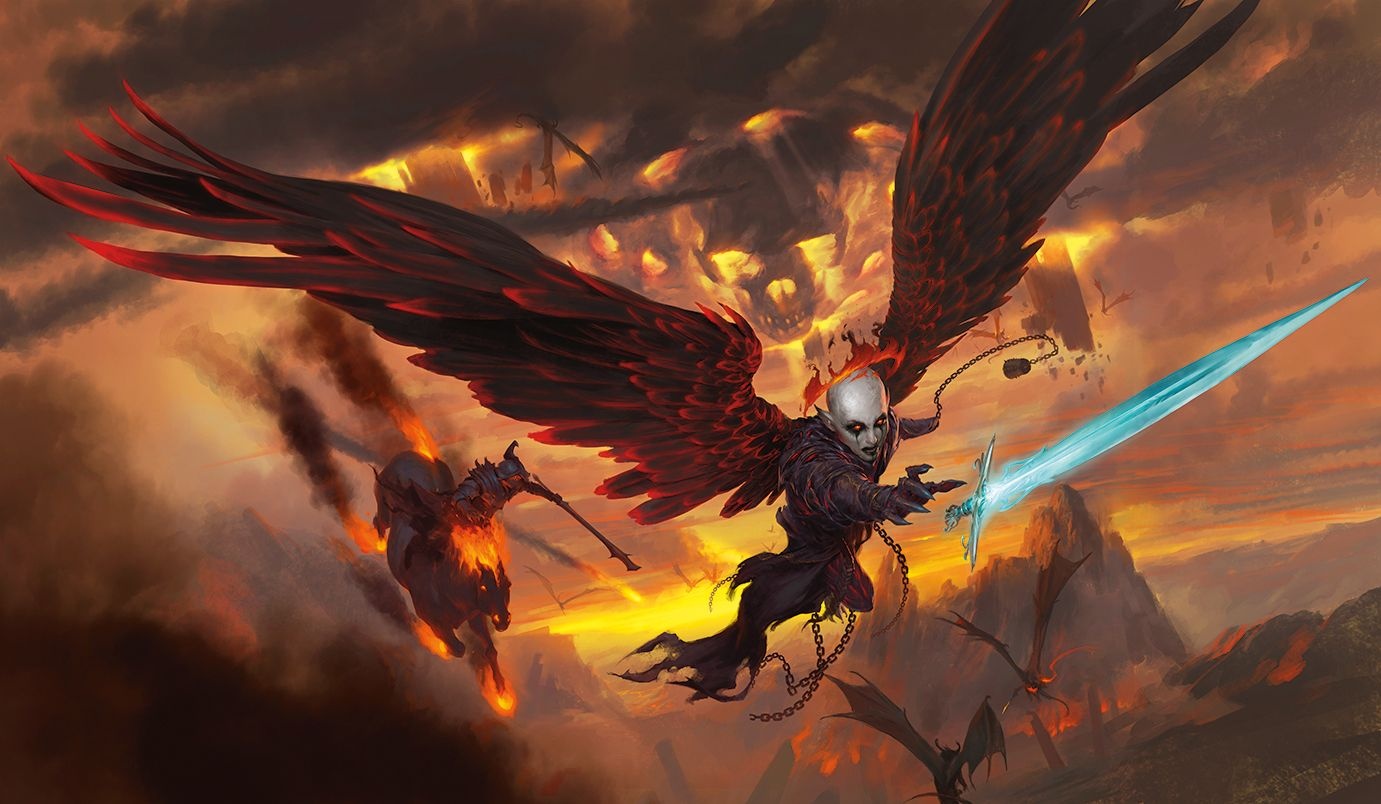
Additionally, published art and setting guides have depicted planes and battles connected to celestial and infernal themes. For instance, Avernus, the first layer of the Nine Hells, is commonly illustrated in D&D products and tie-ins.
Practical implications for play
From a practical perspective, Campaign 4’s portrayal gives Dungeon Masters a concrete option: celestials can be presented as unpredictable or hostile if their creators (the gods) are absent or destroyed. This is a setting-specific choice in Aramán, and it is now an on-screen example that DMs can reference when designing encounters or campaign history.
Meanwhile, existing D&D lore still documents celestials as servants of good deities in most published materials. Therefore, DMs who prefer classical celestials retain the same canonical options, while DMs who like Campaign 4’s approach can adopt the feral-celestial angle for Aramán-style stories.