Critical Role’s Campaign 4 Goes West Marches — 13 Players, 3 Tables, and a Living World

Critical Role has announced Campaign Four will launch on Oct. 2, 2025, and it will use a West Marches-style format: 13 players split across three tables, with Brennan Lee Mulligan as Game Master and Matt Mercer moving to a full-time player role.
- What West Marches means and who created it.
- How the original game handled scheduling, players and information sharing.
- Why Critical Role is adopting the style for Campaign Four and how the three-table setup will work.
What is West Marches?
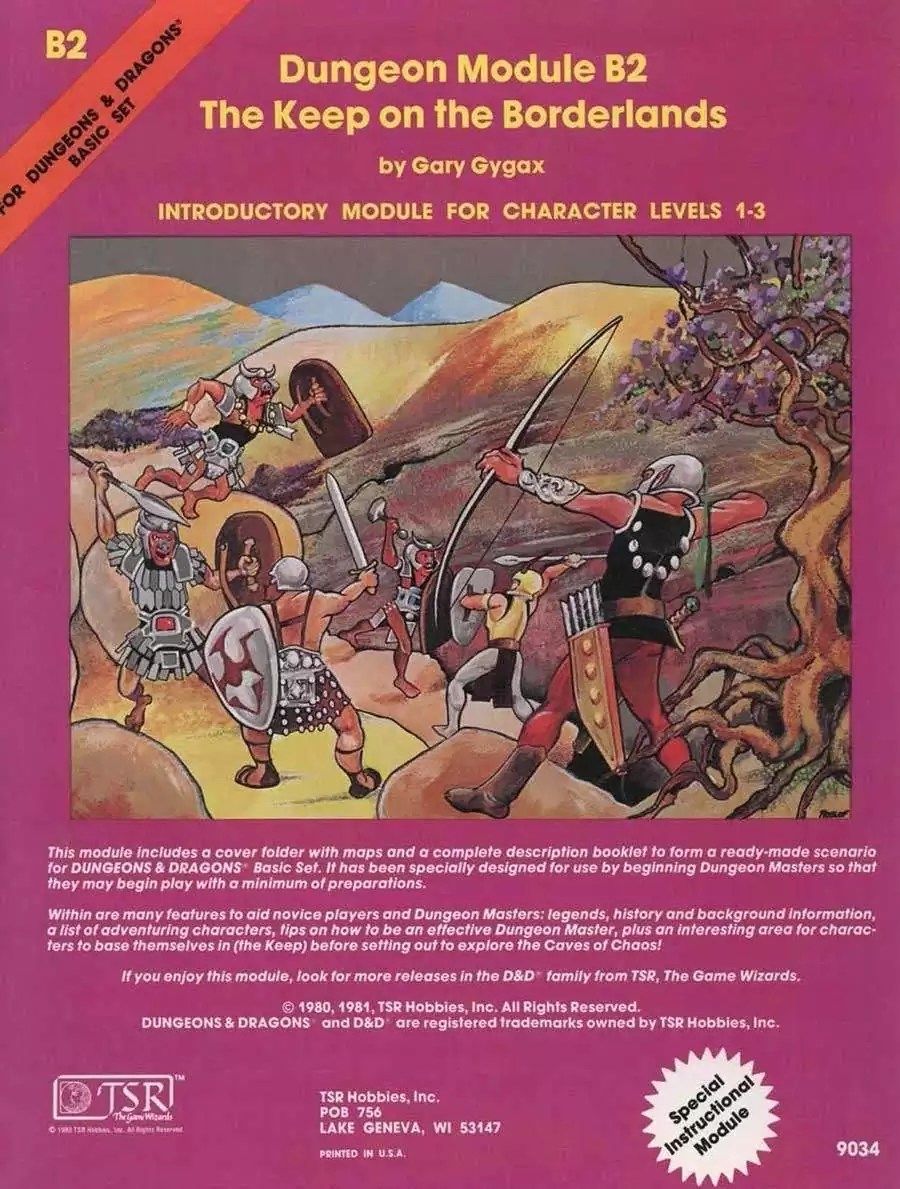
West Marches is a sandbox TTRPG format created by game designer Ben Robbins. In short, it centers on a frontier town at the edge of civilization, and players set out from that hub to explore a dangerous wilderness with minimal GM direction. The idea echoes old modules like The Keep on the Borderlands, but the emphasis is on player-driven exploration rather than a scripted plot.
How the original game worked
Robbins ran West Marches with a large pool of players and no fixed party. Therefore, each session had a variable table made up of whoever could attend. According to Robbins, this arrangement aimed to solve two practical problems: player apathy and conflicting schedules.
Robbins explained the motivation plainly: “My motivation in setting things up this way was to overcome player apathy and mindless ‘plot following’ by putting the players in charge of both scheduling and what they did in-game. A secondary goal was to make the schedule adapt to the complex lives of adults. Ad hoc scheduling and a flexible roster meant (ideally) people got to play when they could but didn’t hold up the game for everyone else if they couldn’t. If you can play once a week, that’s fine. If you can only play once a month, that’s fine too.”
Because players attended irregularly, sharing information was essential. Parties reported back to the town, and discoveries were recorded on a shared map so future groups could build on what others had learned. According to Robbins, this led to a world with “history and interconnected details. Tidbits found in one place could shed light elsewhere. Instead of just being an interesting detail, these clues lead to concrete discoveries.”
Why Critical Role is using West Marches for Campaign Four
Critical Role’s Campaign Four will be set in a new world called Aramán, created by Mulligan. Building a fresh homebrew world is time-consuming, and a West Marches framework lets the setting grow through player exploration. In other words, the world will develop organically as players uncover locations and secrets, and viewers learn alongside them.
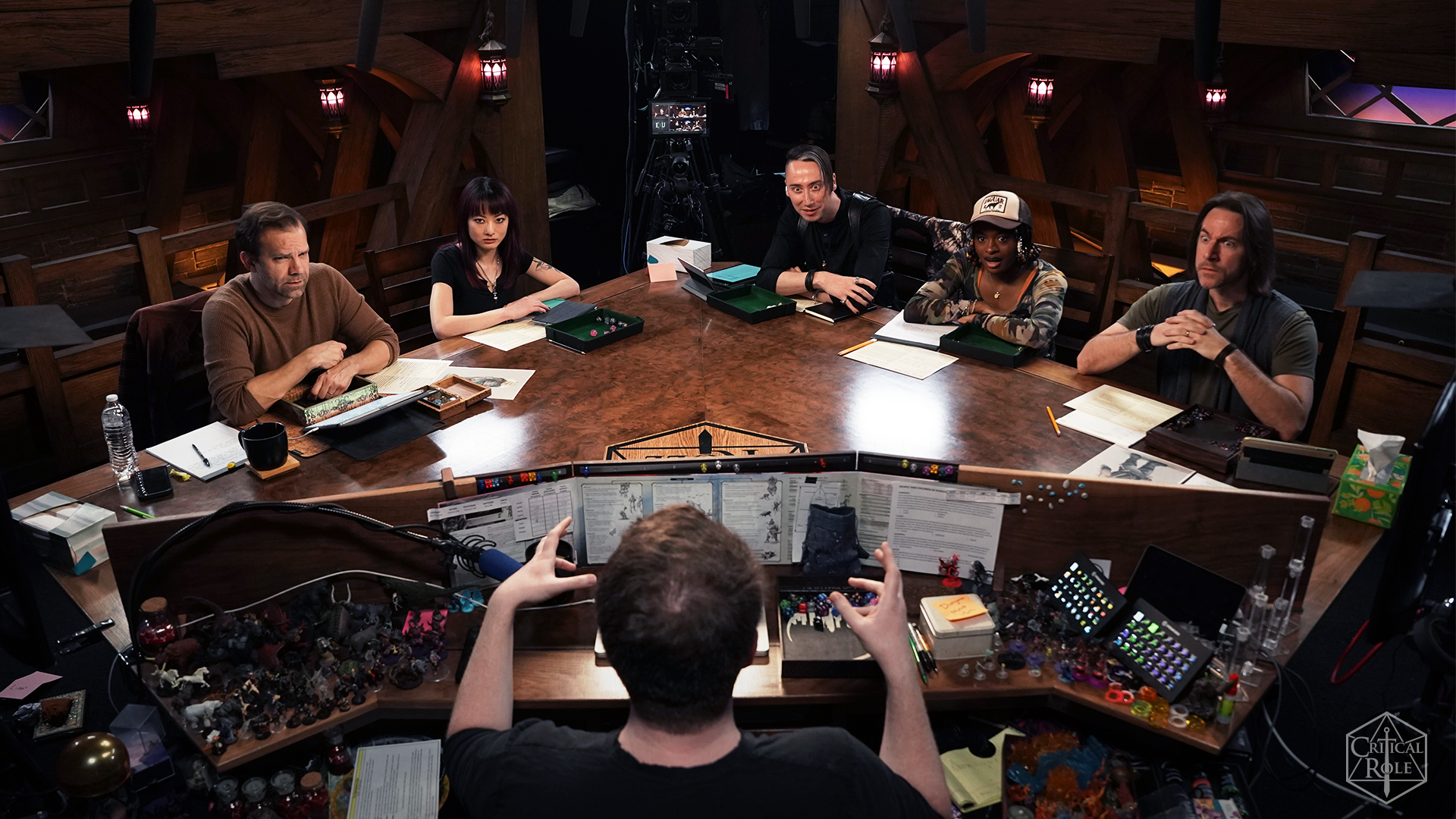
Practically speaking, the format also accommodates a large cast. Critical Role confirmed 13 players split into three groups named the Soldiers, the Schemers, and the Seekers. Each group will run at its own table, which reduces crowding and keeps sessions focused.
Moreover, the plan appears to encourage cross-table impact: discoveries by one group could change what another group finds. Thus, while scheduling for Critical Role will be regular (unlike the original West Marches ad hoc scheduling), the campaign retains the sandbox and information-sharing features that made West Marches influential.
Format and what to expect
Campaign Four officially starts Oct. 2, 2025. Brennan Lee Mulligan will GM, and Matt Mercer will participate as a player. The three-table arrangement lets the show feature many players while keeping each session manageable. Additionally, the shared-world approach means actions at one table should have consequences elsewhere, which could help the world of Aramán feel more alive.
Where to learn more
If you want a deeper explanation of West Marches and its ideas, Matthew Colville’s explainer is a straightforward place to start, and Robbins’ own blog goes into the design in detail.