Critical Role’s Campaign 4 Rotates Players — But It’s Not West Marches. Here’s How to Run the Real Thing

Critical Role Campaign 4 uses rotating players, but it is not a true West Marches campaign. Instead, the show presents a 13-player cast split into three rotating groups while following a clear, plot-driven story and heavy pre-existing lore—features that differ from the original West Marches playstyle.
- What West Marches is
- Why Critical Role Campaign 4 isn’t West Marches
- How to run a West Marches-style campaign
- Starter sets and tools
What West Marches is
The West Marches format was created by game designer Ben Robbins to handle inconsistent player availability. In short, it is a sandbox campaign built around a rotating player pool and ad hoc session scheduling. Players choose when to form a group, go out exploring, then return to a central town between sessions. This design reduces problems that come from relying on a fixed group of players, while letting exploration drive the game.
Key features include: a shared hub or town, a large map of nearby locations, session scheduling that depends on who is available, and a focus on player-driven exploration rather than a fixed, continuous plot.
For the original description and details from Robbins, see this write-up by Robbins: “There was history and interconnected details. Tidbits found in one place could shed light elsewhere. Instead of just being an interesting detail, these clues lead to concrete discoveries.”
Why Critical Role Campaign 4 isn’t West Marches
First, the facts: Campaign 4 features 13 players and three rotating groups. That rotation matches the West Marches idea of flexible attendance. However, the show’s execution differs in important ways.
Critical Role Campaign 4 opens with heavy, pre-existing lore and a strong, overarching plot that actively drives character decisions. By contrast, West Marches minimizes an imposed main plot so that sessions do not hinge on a single character or player being present. In other words, rotation alone does not make a campaign West Marches; the campaign structure and narrative approach matter too.

How to run a West Marches-style campaign
If you want to run one at your table, focus on these concrete steps.
1. Build a hub town
Make a clear home base where parties return after each session. The town should offer supplies, rumors, quest notices, and a map or place to record discoveries. This keeps progress persistent even when different players show up from week to week.
2. Prepare many short locations
Stock the nearby wilderness with lots of interesting places to explore. Because play is location-based, the last thing you want is an empty response when your players say, “Let’s check the mysterious ruins.” Therefore, have multiple sites ready at varying difficulty levels.
{internal-art-for-dungeons-dragons-module-b2-the-keep-on-the-borderlands-with-adventurers-fighting-an-owlbear_20251005_183037.webp}
3. Encourage player information sharing
Use a shared map or a physical board in the tavern where players update discovered routes, hazards, and secrets. This lets parties benefit from each other’s sessions and helps the world grow organically over time.
4. Balance hooks and sandbox
West Marches doesn’t mean “no story.” Sprinkle clues and local history across locations so that discoveries can link to larger mysteries. As Robbins has said in other notes about the format, designing interlocking details rewards exploration while keeping player agency high. For more on his design reasoning, see Robbins’ original essay.
5. Plan for rotating groups
Because you won’t know which characters will appear, avoid session beats that require a particular PC to be there. Instead, create scenes that any party can handle or that can be paused without breaking the campaign.
Starter sets and tools
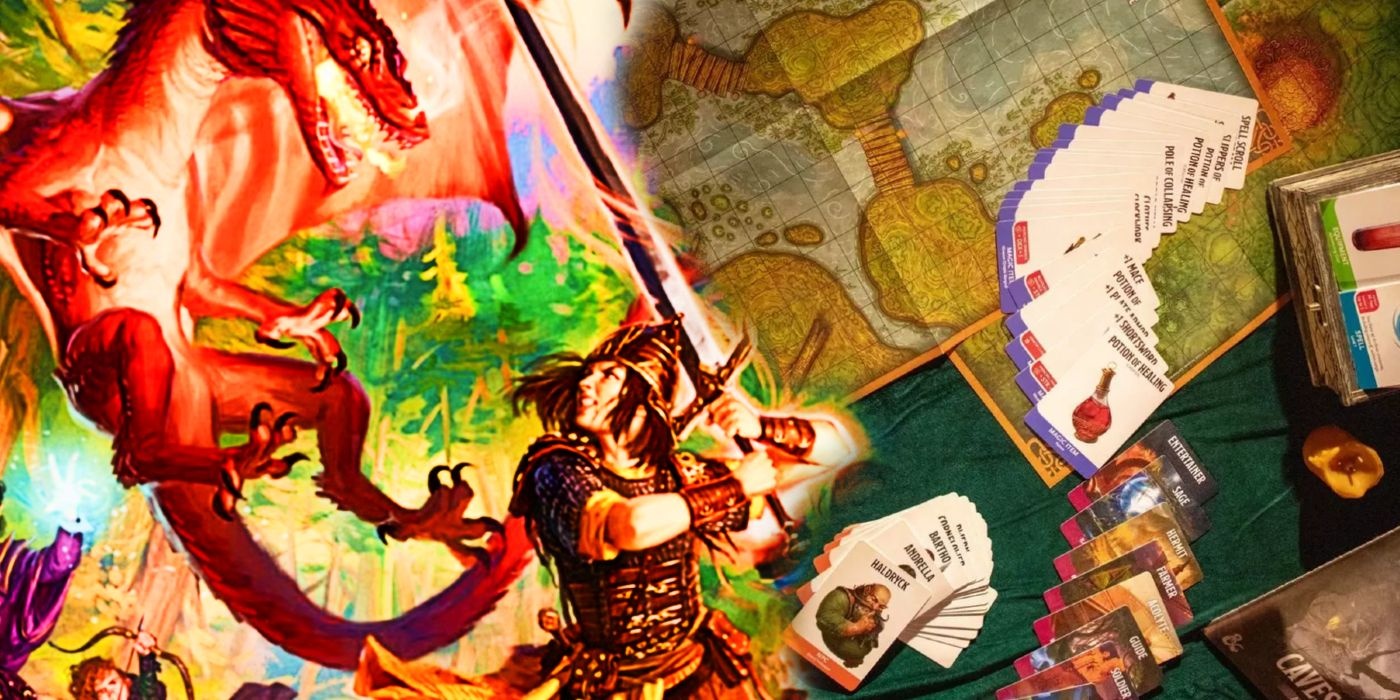
Right now, there are practical options to help you begin. Wizards of the Coast released a new starter set that revisits Keep on the Borderlands. This kind of product provides a ready-made frontier town, nearby dungeons, and modular locations—exactly the components a West Marches game needs.
In addition, simple tools help: a shared online or physical map, a session sign-up list, and a log of discoveries. These let players coordinate and let the DM reuse and expand content without rebuilding everything each week.
In short, Critical Role Campaign 4 borrows the rotating-cast idea but keeps a narrative-first design. Meanwhile, West Marches remains a distinct sandbox method focused on exploration, shared mapping, and flexible scheduling. If you want a campaign that grows as players explore, West Marches is worth trying.