D.Va’s Boosters Turn Her into the Ultimate Flying Tank — 24 Meters of Knockback and Mayhem
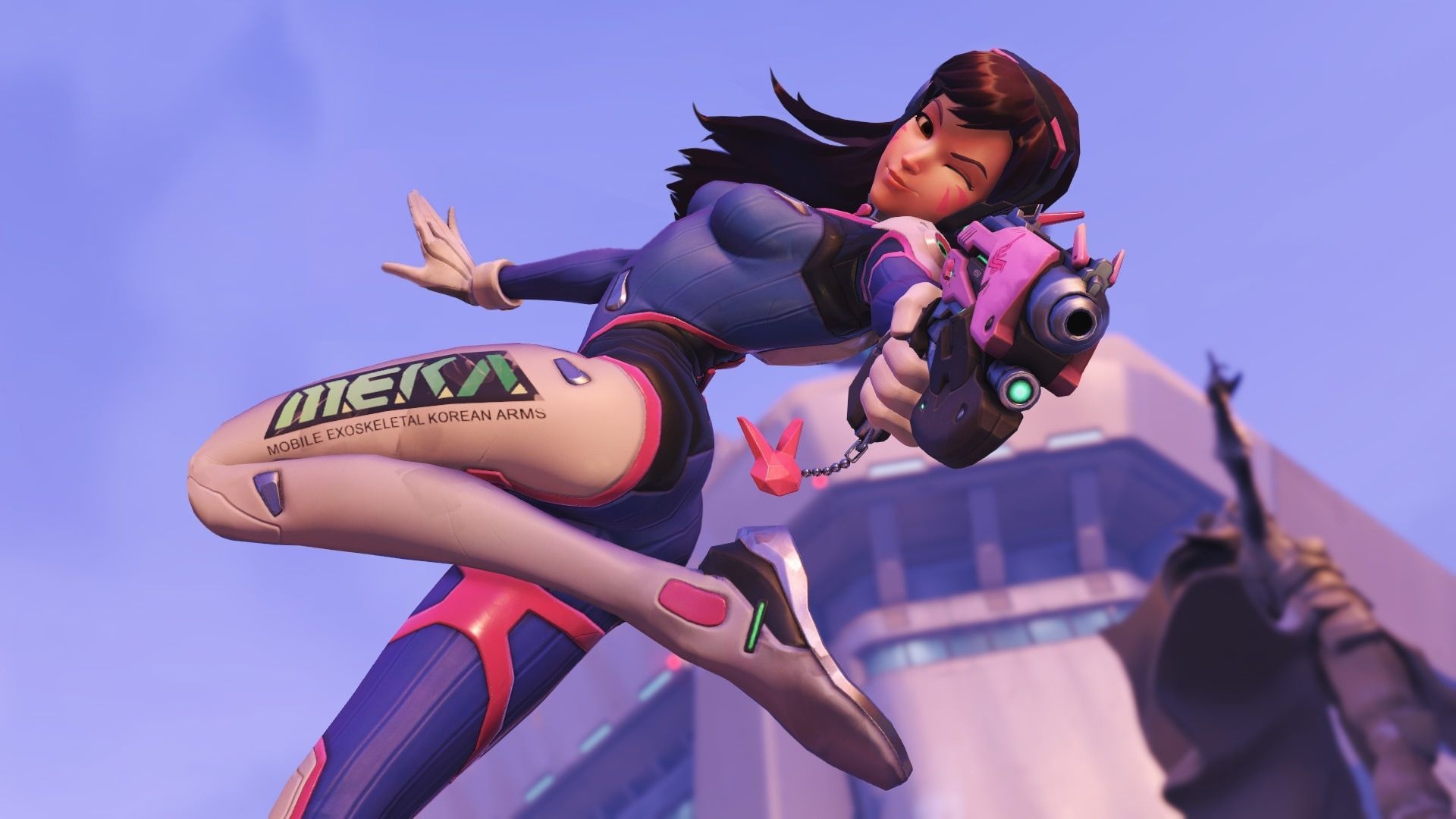
D.Va’s Boosters are one of Overwatch’s clearest examples of a movement ability that also shapes play. In plain terms, Boosters let D.Va fly forward in her MEKA, change direction mid-flight, and push enemies while dealing a fixed amount of damage.
Sick Tech
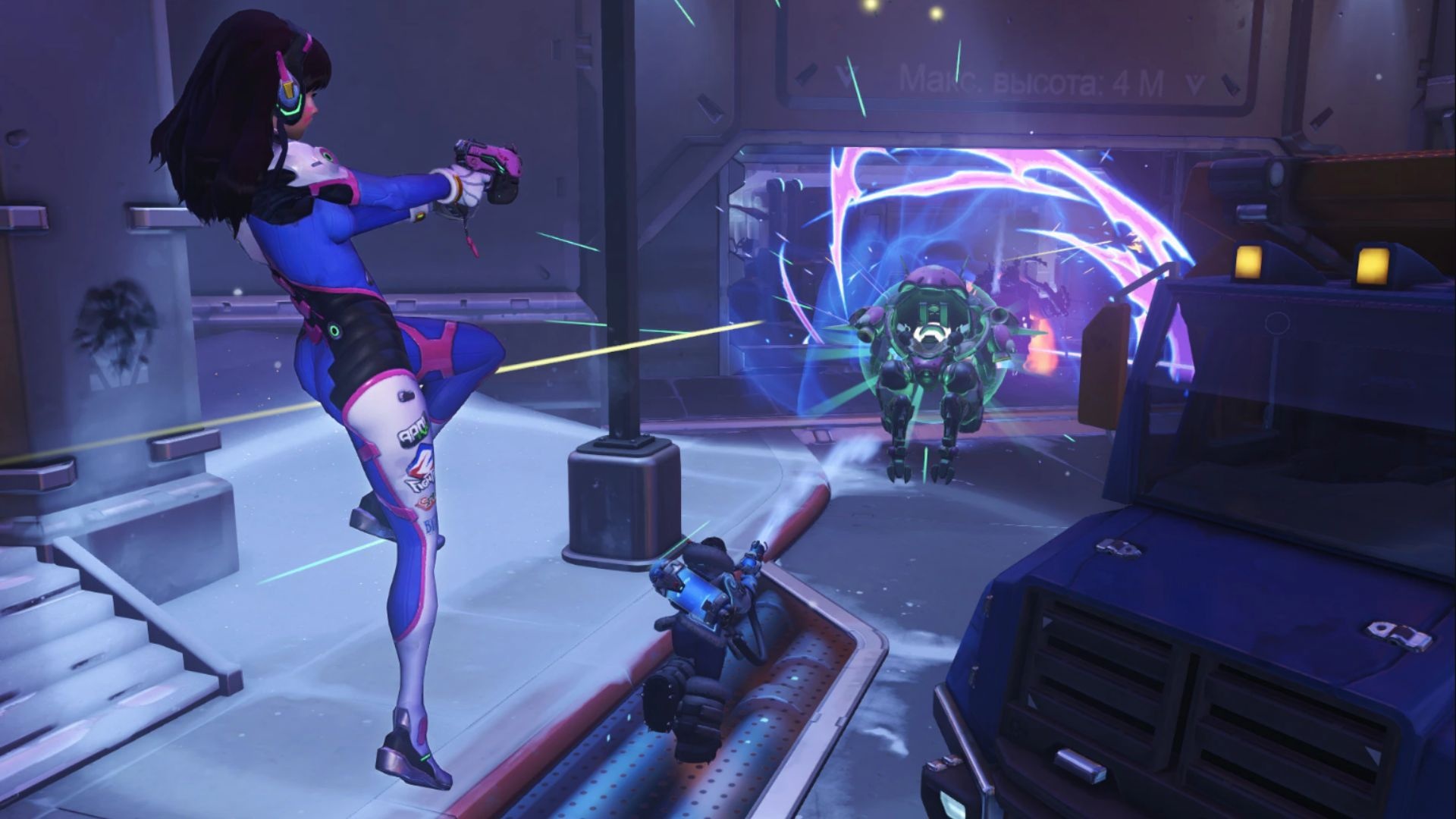
D.Va first appeared in Blizzard’s Overwatch at launch in 2016 and remains a playable tank in Overwatch 2. She has two playable states: a pilot carrying a handgun and a seated pilot inside a mech called a MEKA. Only while in the MEKA does she have access to Boosters, her dedicated mobility and melee tool.
Boosters are notable because they combine movement and impact. Specifically, the ability propels D.Va forward for a measured distance, and it can be steered partway through the dash. As a result, Boosters are both a repositioning tool and a short-range crowd-control option.
How Boosters work
Here are the concrete mechanics you need to know:
- Availability: Boosters are only available when D.Va is in her MEKA (mech) form.
- Distance: The ability moves D.Va forward for 24 meters per use.
- Steering: Players can change directions mid-flight to ascend, turn corners, or move around obstacles.
- Impact damage: If the MEKA collides with an enemy during Boosters, it deals 25 damage and knocks the target backwards.
Because Boosters affect both movement and enemy positioning, they are routinely used for engagement, disengagement, and environmental plays such as knocking opponents off ledges or interrupting channelled abilities.
Play and balance notes
In practice, Boosters serve multiple roles. First, they act as a defensive escape: a player can launch into the air and out of immediate danger, then steer to cover. Second, they are offensive: Boosters let D.Va close gaps quickly to protect teammates or pursue lone targets. Third, they provide utility in objective fights because the knockback and 25 damage can disrupt enemy positioning.
Meanwhile, Overwatch 2 includes other tank heroes with different design priorities. For example, Reinhardt’s Charge is a forward-moving ability with a different risk profile, and tanks such as Orisa and Ramattra emphasize raw defensive tools. Therefore, Boosters are best understood as a mobility-and-disruption mechanic rather than a straight defensive stat advantage.
Ultimately, the facts are straightforward: Boosters give D.Va mobility that is measurable (24 meters), interactive (mid-air steering), and damaging (25 impact). These properties are what make Boosters distinct among tank abilities in Blizzard’s team shooters.