D&D Players Are Missing Sunderfolk — The Digital TTRPG That Fixes Remote Game Night (and Lets You Name Quest Items Anything)
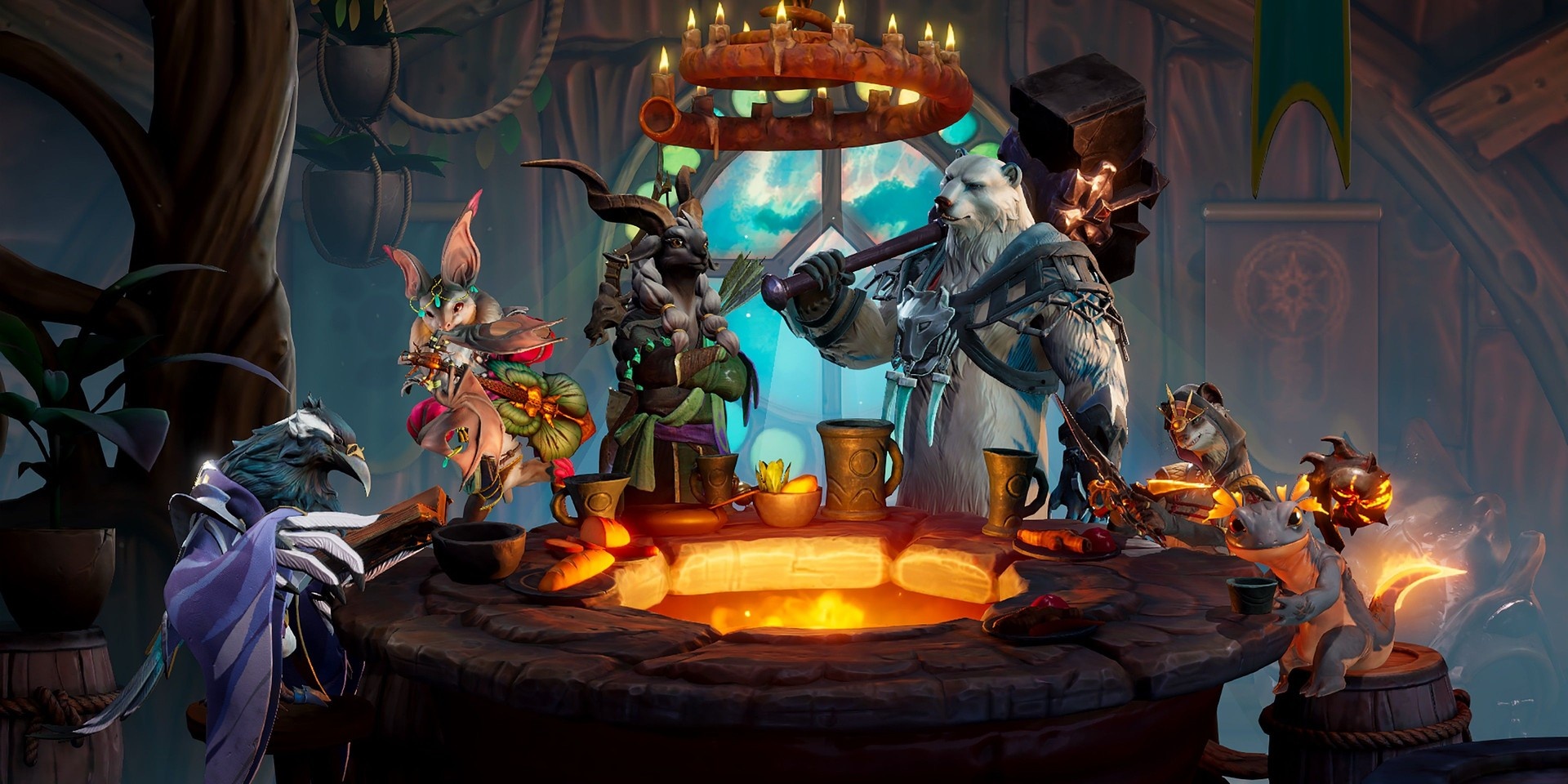
Sunderfolk is a fully digitized tabletop-style RPG that runs on consoles and PC but is controlled through a companion mobile app. It uses a hexagonal board for missions, a deckbuilding twist on dice, and voiced narration that covers every character. The game aims to make group sessions easier to schedule while keeping many familiar TTRPG elements intact.
1. Overview
2. Gameplay and mechanics
3. Classes and characters
4. Social features and accessibility
5. Developer plans and links
Overview
Sunderfolk is built as a multi-chapter campaign that can be played locally or with friends at a distance. Missions take place on a hexagonal board and include fights, boss battles, puzzles, and rescue objectives. Moreover, the game keeps TTRPG staples like initiative and chance-driven outcomes, but it changes how randomness works by using a deck-based system.
Gameplay and mechanics
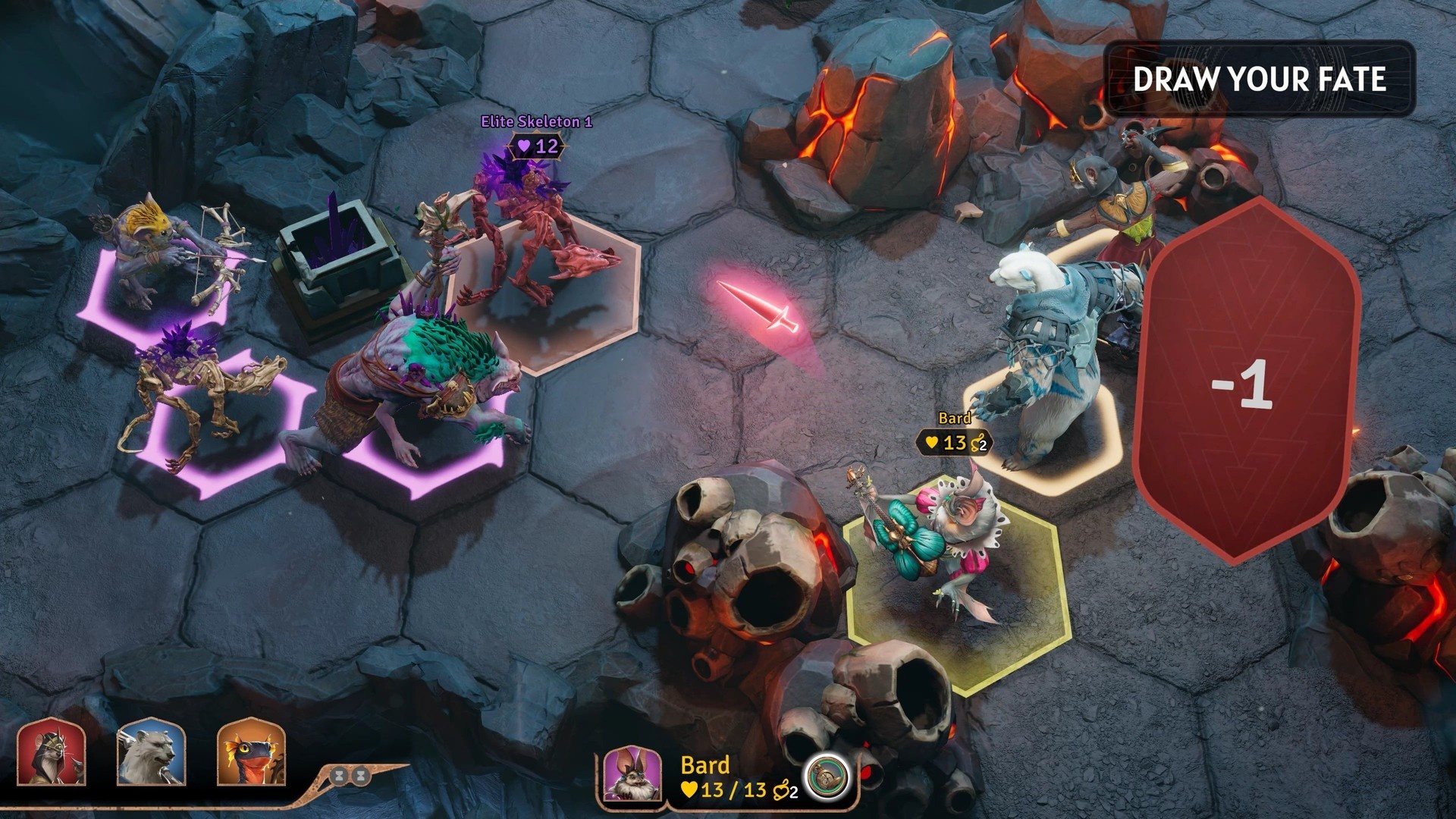
The game runs missions on a hex grid. Players move pieces, target enemies, and coordinate tactics. Importantly, randomness comes from a Fate Deck that each player builds. Instead of rolling dice, players draw cards; as a result, outcomes feel like chance but also reward strategic deck choices.
For example, players can add cards with numeric modifiers and secondary effects — a -2 card that also sets nearby tiles on fire is available for the Pyromancer class. Consequently, players must weigh raw probability against extra effects. In addition, missions scale to party size, and the game allows players to join or leave campaigns without breaking progression.
Classes and characters
Sunderfolk offers six playable classes: Ranger, Bard, Arcanist, Berserker, Pyromancer, and Rogue. Each class has distinct abilities and interactions with the Fate Deck. For instance, the Pyromancer focuses on area and control with fire, while the Arcanist can create decoys and manipulate positioning.
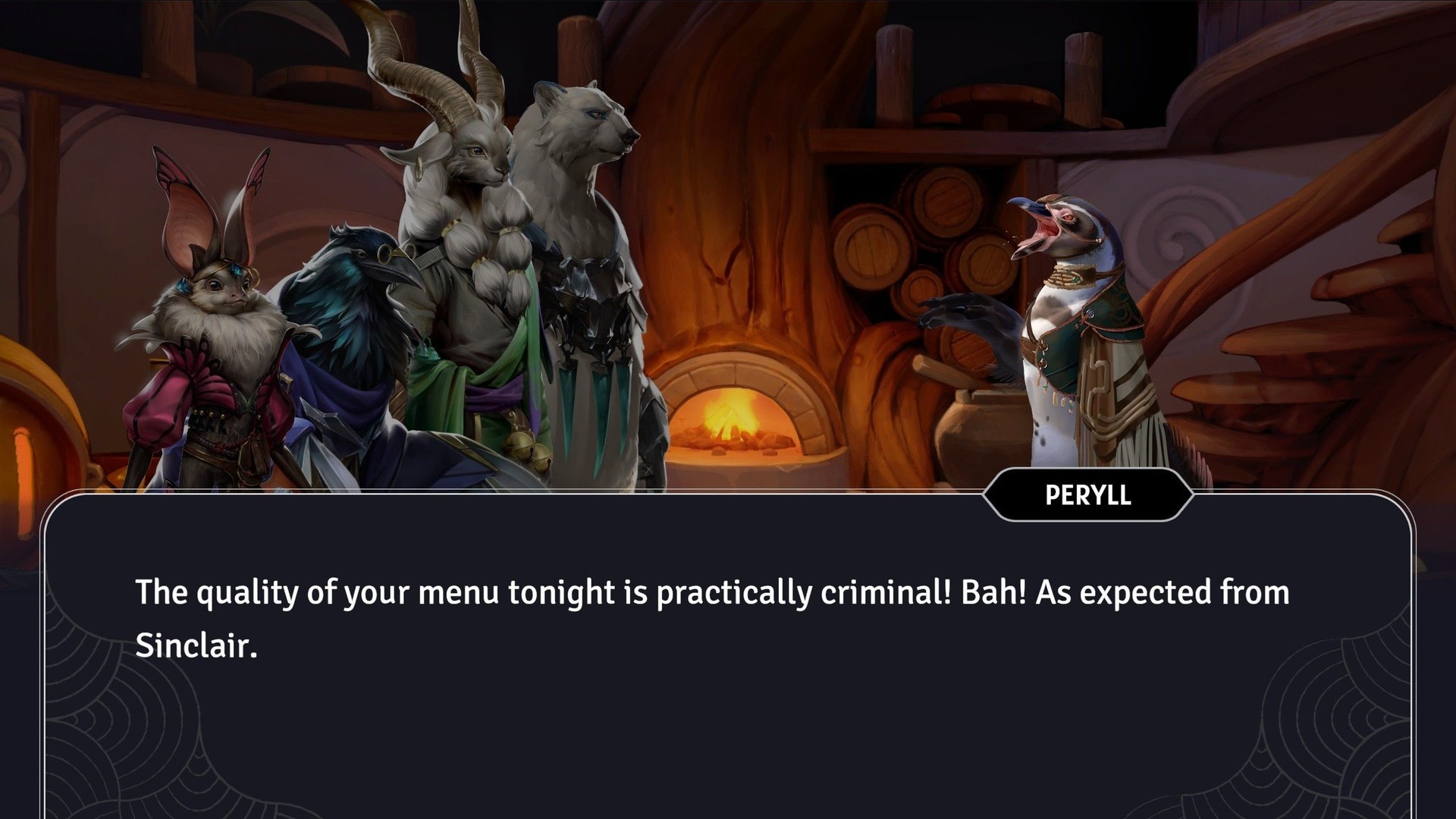
Also, narration and character voices are handled by Anjali Bhimani, who voices the narrator and all named characters in-game. This design choice keeps the narrative consistent and gives town NPCs a unified performance quality.
Social features and accessibility
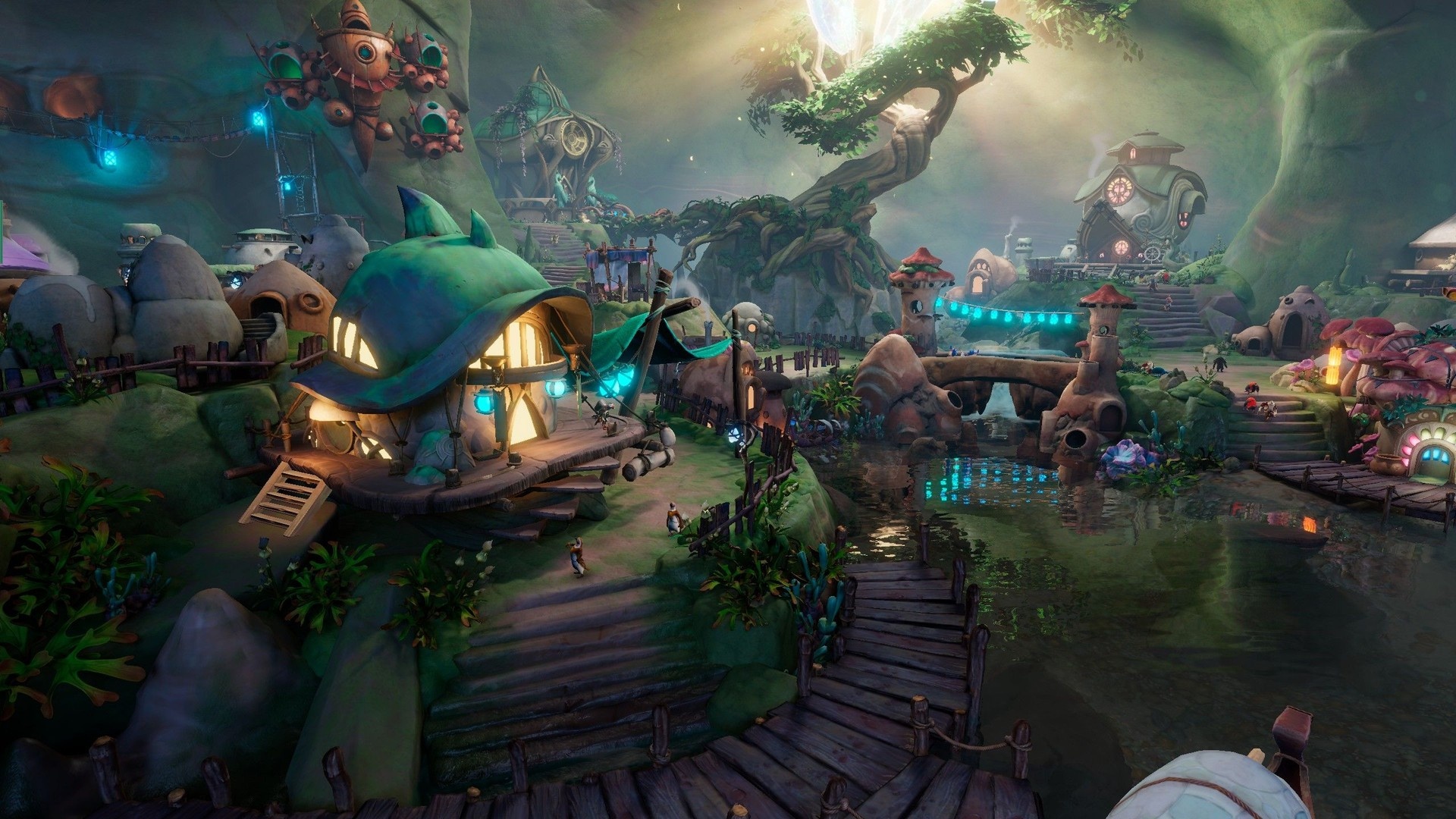
Between missions, players return to the village of Arden. There, they can visit shops, talk to anthropomorphic residents, and form relationships that affect later story beats. Players can also name items, characters, and locations, which the game accepts without an in-game language filter.
Controls work through a mobile app that mirrors the board and offers a coordination mode for marking paths and targets. Because of that feature, the app supports long-distance planning and reduces confusion during remote play. Additionally, the game supports drop-in/drop-out multiplayer; returning players are leveled to match the group, and missions retune to party size. Finally, Sunderfolk can be played solo, where one player controls two party members.
Developer plans and links
Secret Door developed Sunderfolk. The studio describes itself as a team of long‑time tabletop fans. In a press release, studio head Chris Sigaty said: “As long-standing tabletop gaming fans, we at Secret Door know all too well how difficult it can be to get new players together for a shared experience. Learning rules, perceived complexity, and setup times can create challenges for playing with our loved ones. Our goal with Sunderfolk is to leverage modern technology to make game night something everyone can enjoy.”
According to developer updates, planned additions include a new character, a community-designed mission, and a One Shot Mode aimed at single-session, high-score runs. More details can be found on this Dreamhaven news page and in a recent Reddit AMA.