Diablo 3’s Skill Runes Turn Every Skill Into Five Distinct, Balanced Playstyles
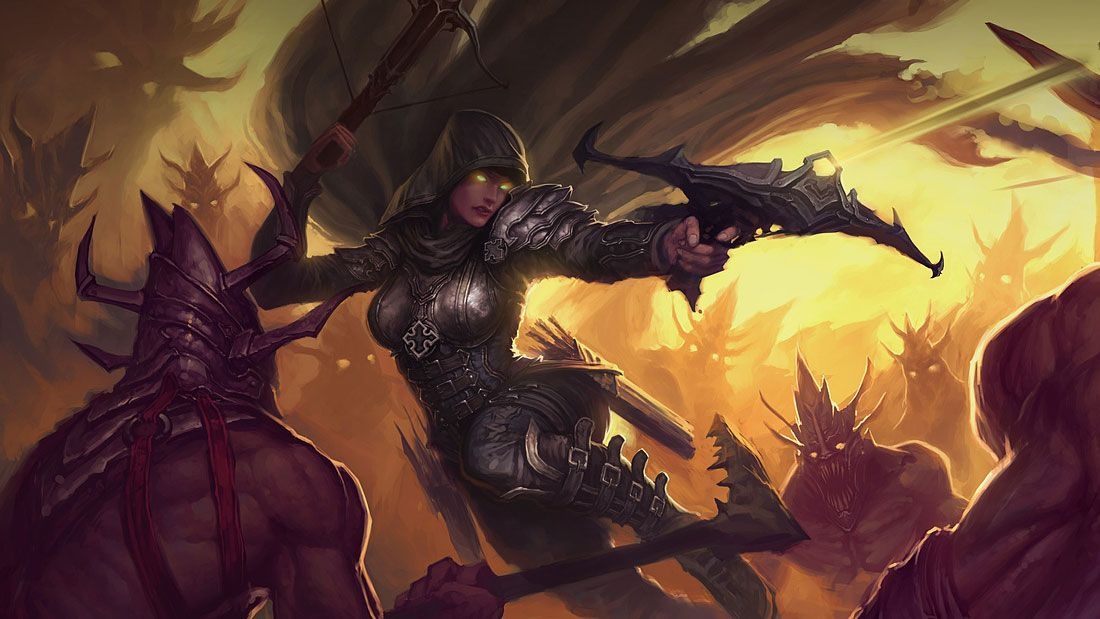
Diablo 3’s Skill Runes started as an item-based system at the game’s 2008 unveiling and, by the time of launch in 2012, became built-in skill variants — five options per skill that unlock as a character levels. This change replaced the earlier socketed-item approach with designed alternatives that alter how each skill behaves.
- What are Skill Runes
- How they changed before launch
- How runes work in-game
- Example: Demon Hunter’s Vault
- Design and balance notes
What are Skill Runes
Originally presented as collectible rune items that players could socket into skills, Skill Runes in the released Diablo 3 are *variants* tied to each skill. Each skill in the game has five distinct runes that modify its behavior. In short, a single skill becomes five alternate versions that the player can choose between.
How they changed before launch
At the 2008 reveal, runes were meant to be item drops that you could attach to skills, similar to equipment sockets. However, that system was removed before release. By 2012, Blizzard implemented runes as predetermined variants unlocked through leveling. Thus, the system shifted from randomized, item-based customization to curated, built-in choices.
How runes work in-game
In the launched game, runes unlock as characters level and are selectable without material cost. Players can swap runes freely outside of immediate combat, because swapping a skill or a rune triggers a short *10-second cooldown* on that skill. There is no permanent talent tree for swapping; instead, the system allows players to change their build on the fly to match gear or situations.
Example: Demon Hunter’s Vault
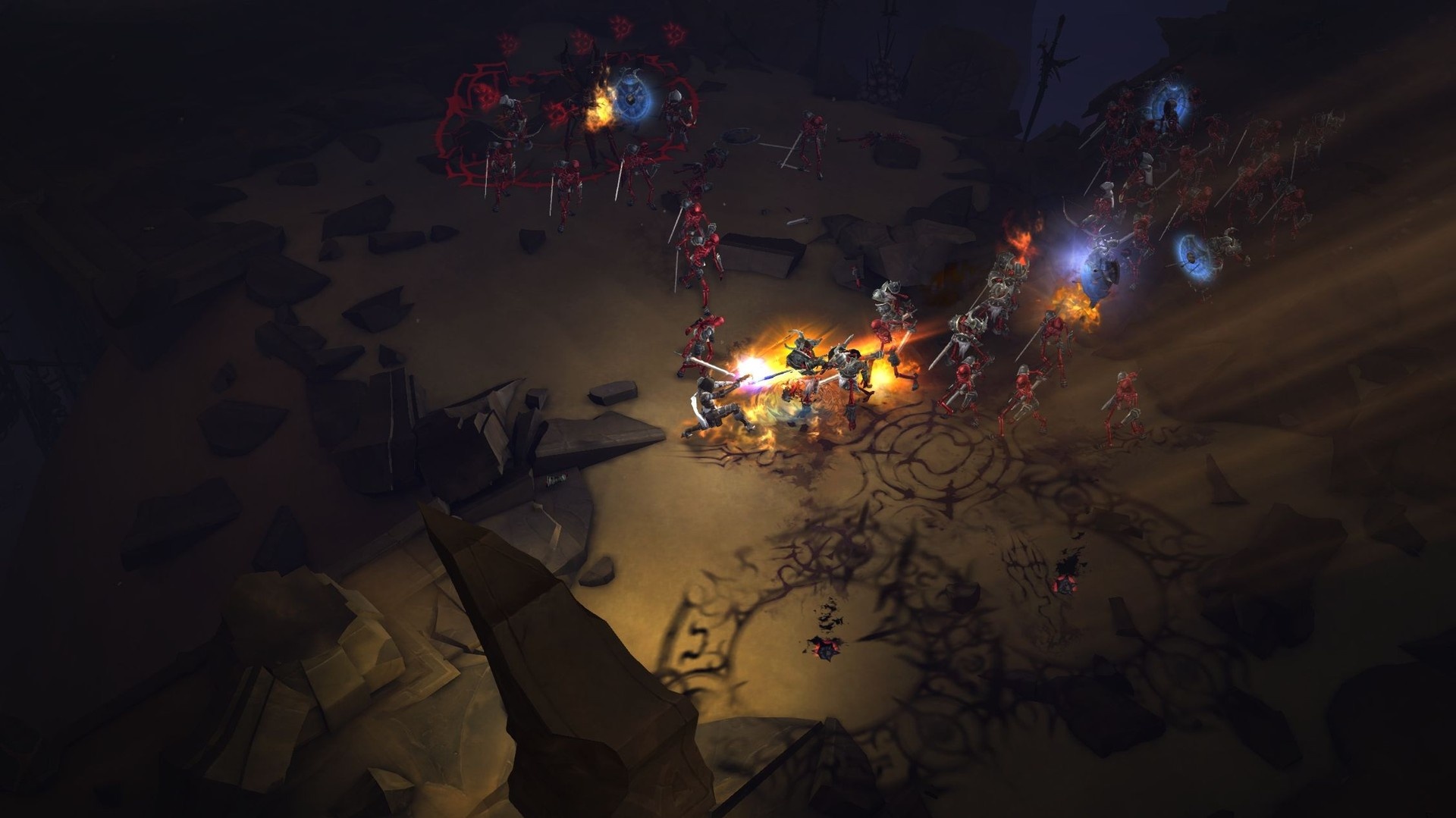
To illustrate the system, consider the Demon Hunter’s movement skill, Vault. Vault costs the Demon Hunter’s resource *Discipline* and moves the character quickly to reposition or avoid damage. The five rune options for Vault are concrete in effect:
- Action Shot — Fires arrows at nearby enemies while vaulting, allowing damage during movement.
- Rattling Roll — Stuns and knocks back enemies passed through, useful for crowd control.
- Tumble — Reduces the Discipline cost of a consecutive Vault if used immediately.
- Acrobatics — Removes the Discipline cost and replaces it with a cooldown.
- Trail of Cinders — Leaves a line of fire along the Vault path, dealing damage in its wake.
Each rune produces a distinct gameplay effect while preserving the core function of the original skill.
Design and balance notes
Blizzard moved from item-based customization to curated variants in order to standardize and streamline skill options. Consequently, designers created multiple, balanced alternatives for each skill rather than relying on randomized item outcomes. The result is that most skills have multiple viable rune choices rather than a single default pick.
Practical outcomes
As a result, players can specialize or shift playstyle quickly: change a rune to adjust resource use, crowd-control potential, damage output, or utility. Moreover, because there are no material costs and only a brief cooldown penalty for swapping, builds can be adapted frequently.