DM Burnout? 4 Easy Fixes That’ll Make Running D&D Fun Again
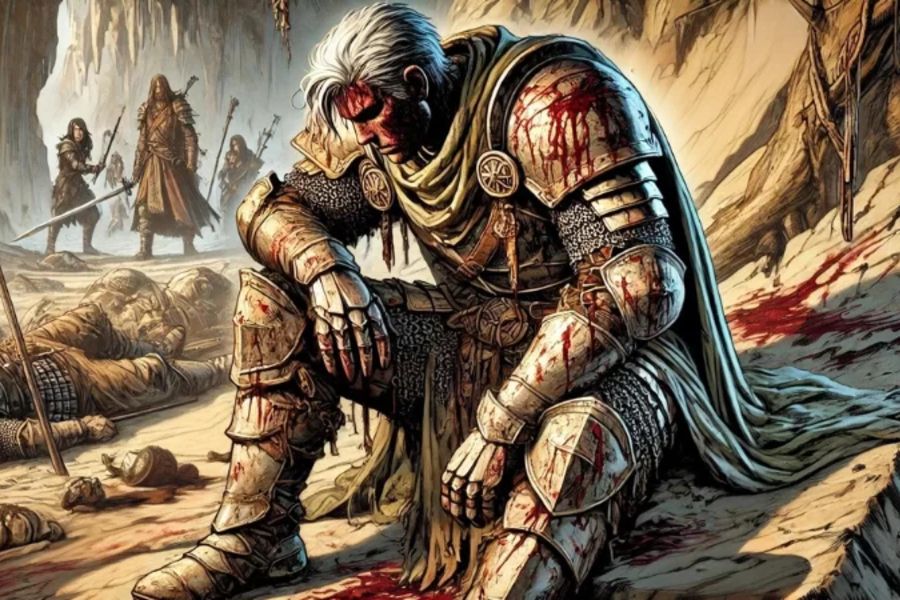
Being a Dungeon Master requires preparing sessions, running rules, narrating scenes, and mediating player interactions; over time, that workload can cause DM burnout. Based on eight years running a weekly D&D game, the author shares four practical steps to reduce fatigue and keep sessions enjoyable.
- Why DM burnout happens and who it affects
- Four concrete tips: timing, health, system variety, and playing instead of running
- Examples and short, actionable suggestions to try at your table
Keep it short and sweet
Sessions often lose momentum when they run too long. Energy drops, player focus wanes, and small details get forgotten. Therefore, plan with a target time in mind. The author’s reported sweet spot is between two-and-a-half and three hours. If you expect a major reveal late in the session, you can speed things up by trimming side encounters or cutting a dungeon room to make room for that finale. In short, timing your session structure helps maintain engagement from start to finish.
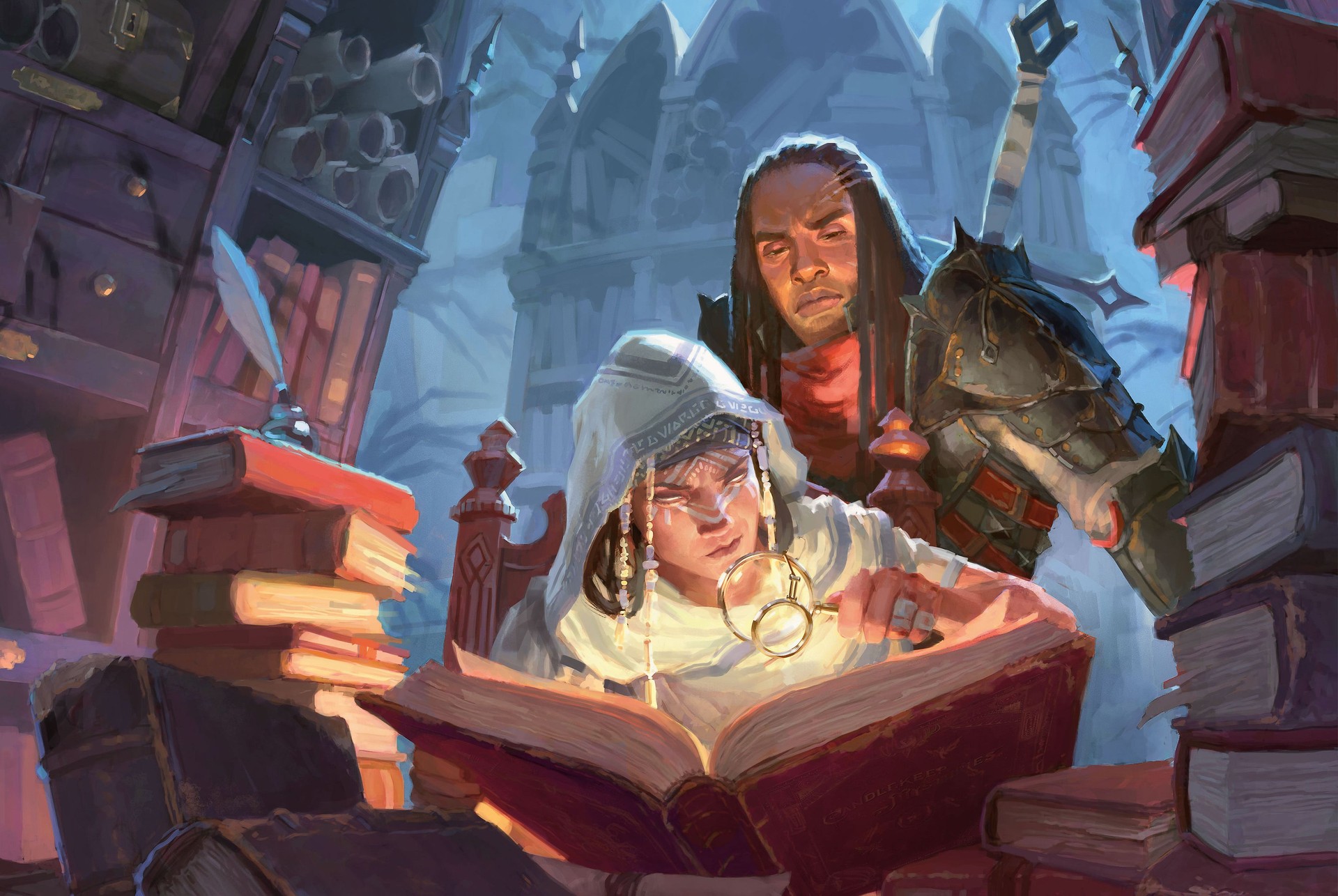
Image: Clint Cearley /Wizards of the Coast
Keep your mind and body fresh
Long sessions affect cognitive sharpness. Therefore, consider treating game night like light exercise: eat beforehand or choose easy, healthy snacks such as fresh or dried fruit, and drink water throughout the session. The author recommends water as the best in-game drink and suggests moderate coffee consumption to stay alert. By contrast, the author reports avoiding energy drinks. These choices help maintain focus during late-session combat or story climaxes.
Switch it up
Burnout can come from the game system itself. For example, the author reports that after many sessions of D&D 5e, combat started to feel repetitive. Consequently, rotating systems for a short one-shot or mini-adventure can refresh the table. The author tried a break with Dungeon Crawl Classics and said it felt invigorating due to its faster, more lethal approach to dungeon crawling. In addition, modern indie RPGs with minimalist rules — such as Shadowdark and MÖRK BORG — are suggested as compact alternatives. Conversely, complex rulesets like Rogue Trader (Warhammer 40k) may not be ideal when you need a quick break from a long campaign.
Step to the other side
Stepping off the DM chair and playing a session as a player reduces stress and provides learning opportunities. While running a game, you manage NPCs, monsters, and the story; but as a player you can observe what parts of play others respond to. The author recommends asking a player to run a short adventure or one-shot so you can recharge. However, some DMs find it hard to give up control; the author quotes Bilbo Baggins to illustrate that feeling: “After all, why not? Why shouldn’t I keep it?”
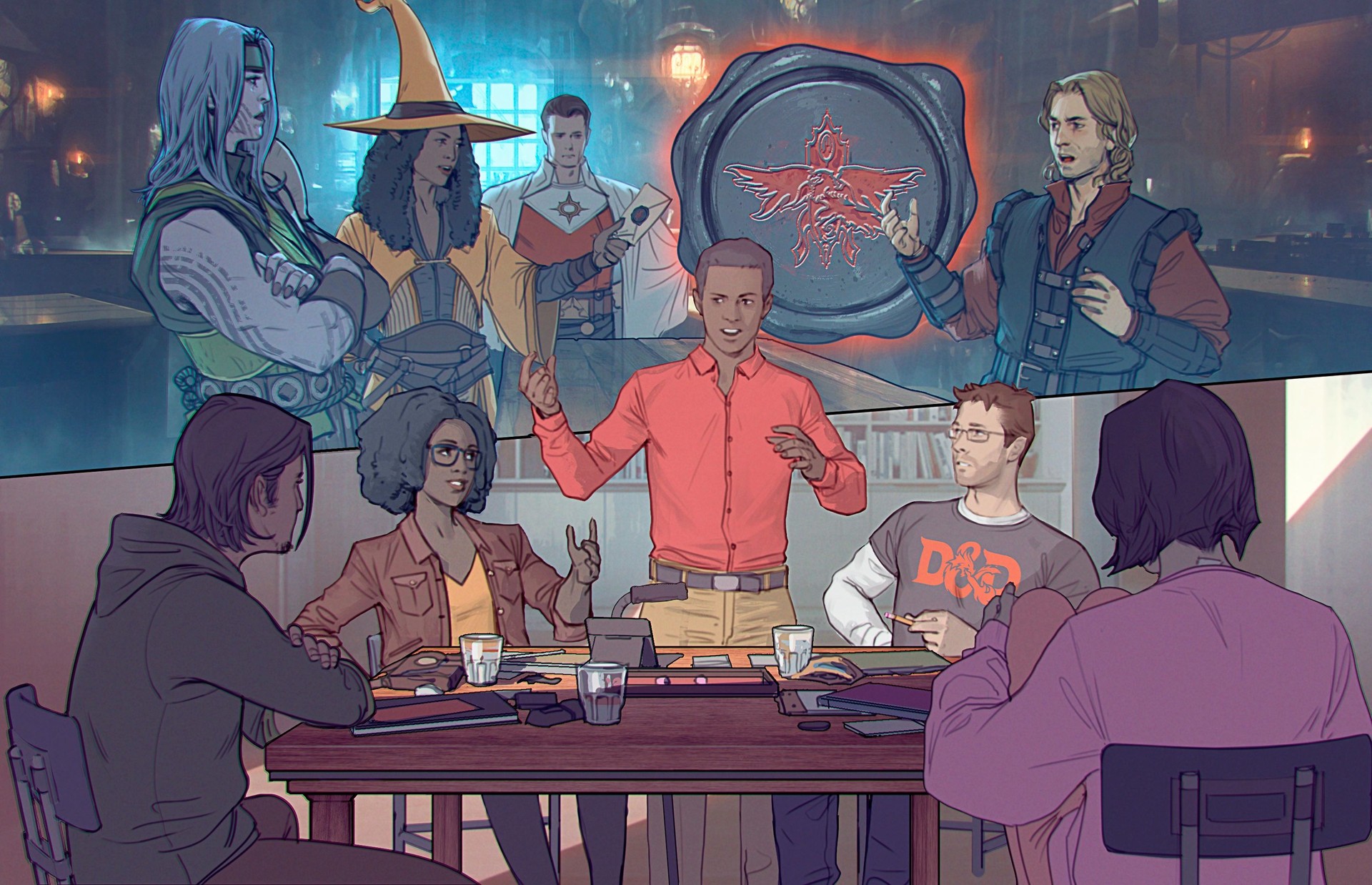
Image: John Grello/Wizards of the Coast