Donkey Kong Bananza Ignores the Wild 1983 Album Where Pauline Fed DK Pizza
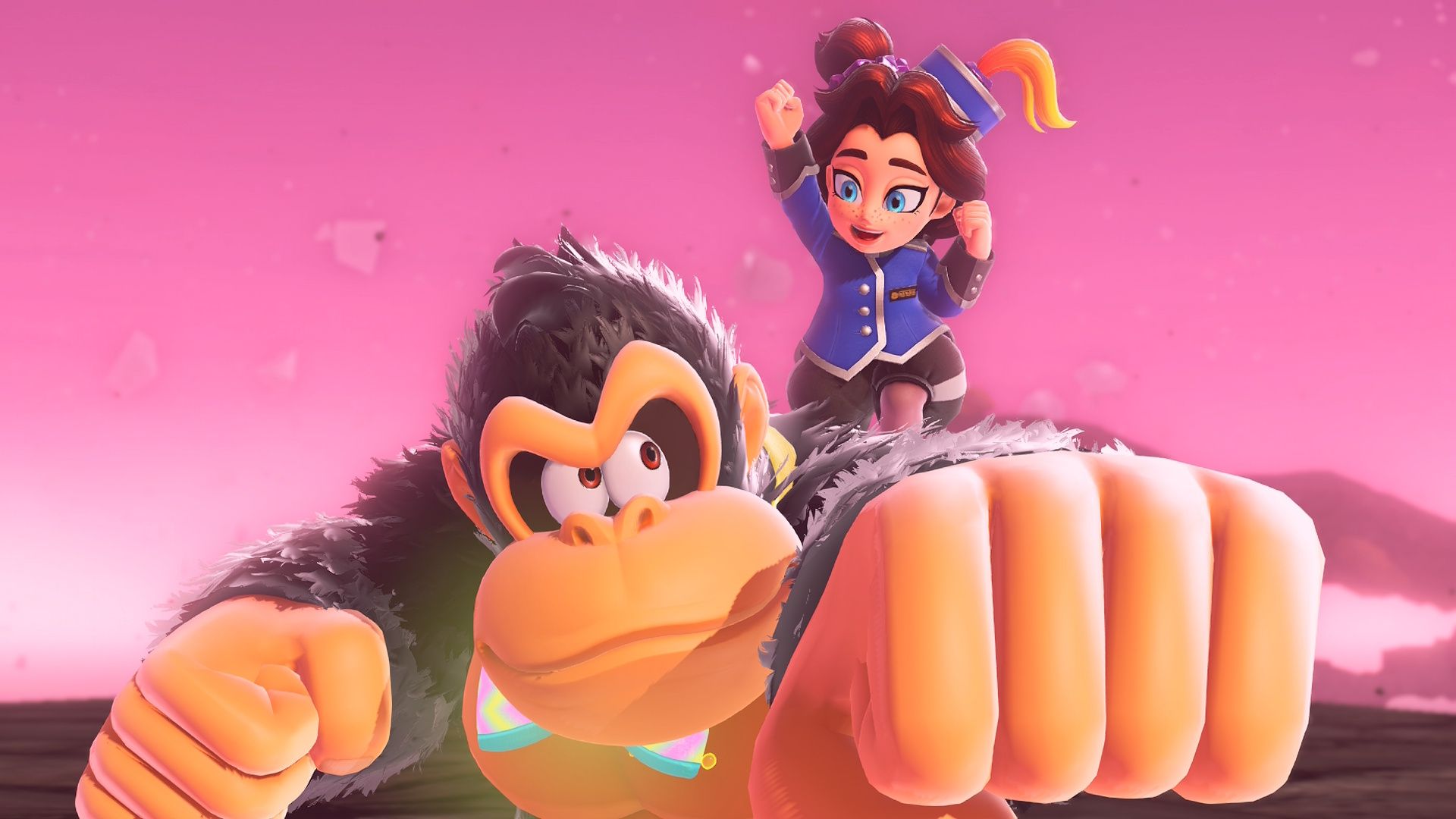
Donkey Kong Bananza, released recently, takes a different approach to Donkey Kong and Pauline’s early backstory than a long‑forgotten 1983 children’s record called Donkey Kong Goes Home.
- What the 1983 Kid Stuff Records album says about Donkey Kong and Pauline.
- How Donkey Kong Bananza presents a different timeline.
- Why the album matters as a piece of licensing history.
What Donkey Kong Goes Home describes
Donkey Kong Goes Home was recorded and released in 1983 by Kid Stuff Records. The album contains original children’s songs and a narrated story that presents a specific origin for the arcade Donkey Kong game characters. According to the album’s narrator, Donkey Kong grew up in the city of Gamesville, living in a zoo across the street from Mario’s pizza parlour. Later, the zoo closed and the animals — including Donkey Kong — were sold to a circus. The album says the circus animals parade through Gamesville once a year.
Crucially, the record says Mario and his delivery girl used to visit Donkey Kong at the zoo and bring him food. That delivery girl is explicitly identified as Pauline. The album’s story continues: Donkey Kong gets homesick during a parade, escapes his cage to return to the zoo, and climbs a construction site when he finds the zoo gone. At the same time, Mario sends Pauline to deliver a pizza to a character named Jake the Watchman. Donkey Kong meets Pauline, takes her to the top of the construction site, and Mario rescues her after a misunderstanding. The album ends with a duet listing pizza orders, including the lyric: “a cheese and sausage, peppercini on the side.”
How Donkey Kong Bananza differs
Donkey Kong Bananza, which has been available for about a month, connects to modern Donkey Kong titles and Super Mario Odyssey in its own way. However, it does not follow the specific narrative details presented in Donkey Kong Goes Home. In particular, Bananza does not use the album’s account that Donkey Kong and Pauline knew each other from visits to a zoo in Gamesville or the album’s origin setup for their meeting.
Context about Kid Stuff Records and licensed records
Kid Stuff Records was known in the 1980s for producing vinyl records that adapted popular characters from cartoons and video games into original children’s songs. Many licensed recordings from that era featured stories and lyrics created by the record label without tight creative oversight from the rights holders. As a result, these records often contain unique, non‑canonical takes on established characters.
Why the album is notable
Donkey Kong Goes Home is a concrete example of how licensed products in the 1980s could create alternate backstories for video game characters. The album documents a particular moment in Nintendo’s licensing history, when third parties could produce widely distributed material that treated characters like Donkey Kong and Pauline in unofficial ways. While later corporate practices have tended to curate and protect flagship characters, the 1983 record remains a preserved artifact of that earlier, looser era of licensed content.
Bottom line
Donkey Kong Bananza and Donkey Kong Goes Home present different origin details for Donkey Kong and Pauline. The 1983 Kid Stuff album offers a specific, if unofficial, narrative that places Donkey Kong in a zoo in Gamesville and identifies Pauline as the delivery girl who visited him. Meanwhile, Bananza follows its own continuity and does not reproduce the album’s storyline. Together, these items show how licensed works and official releases can diverge over time.