Don’t Ditch Turn‑Based: Why Pokémon Legends: Z‑A’s Real‑Time Combat Can’t Replace Classic Strategy
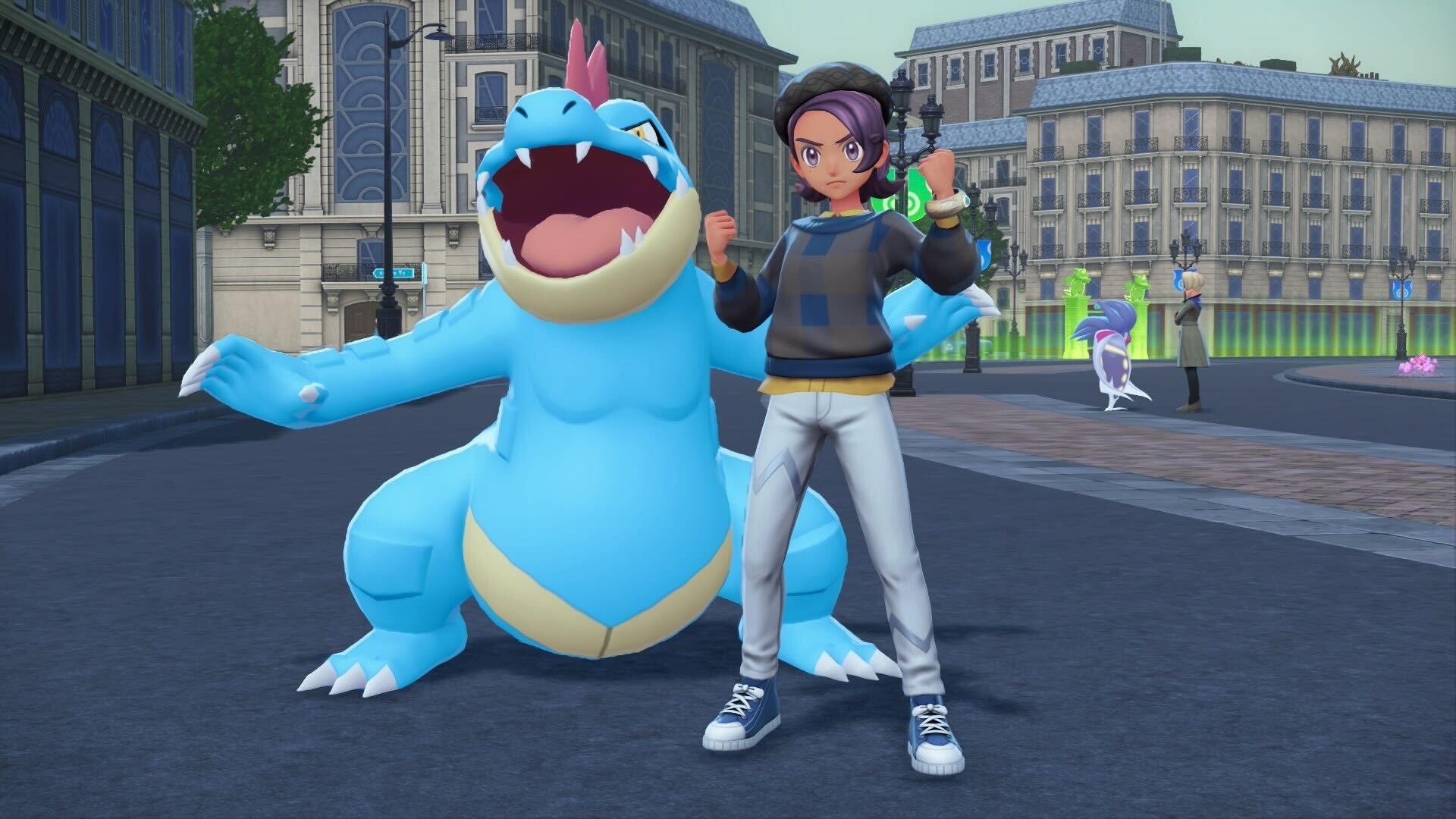
Pokémon Legends: Z-A changes the series by putting battles and catches into real time, while classic Pokémon games keep turn-based combat. This piece lists the main factual differences between the two approaches, explains how each represents the trainer’s role, and summarizes what those differences mean for gameplay pacing and decision-making.
Combat and catching
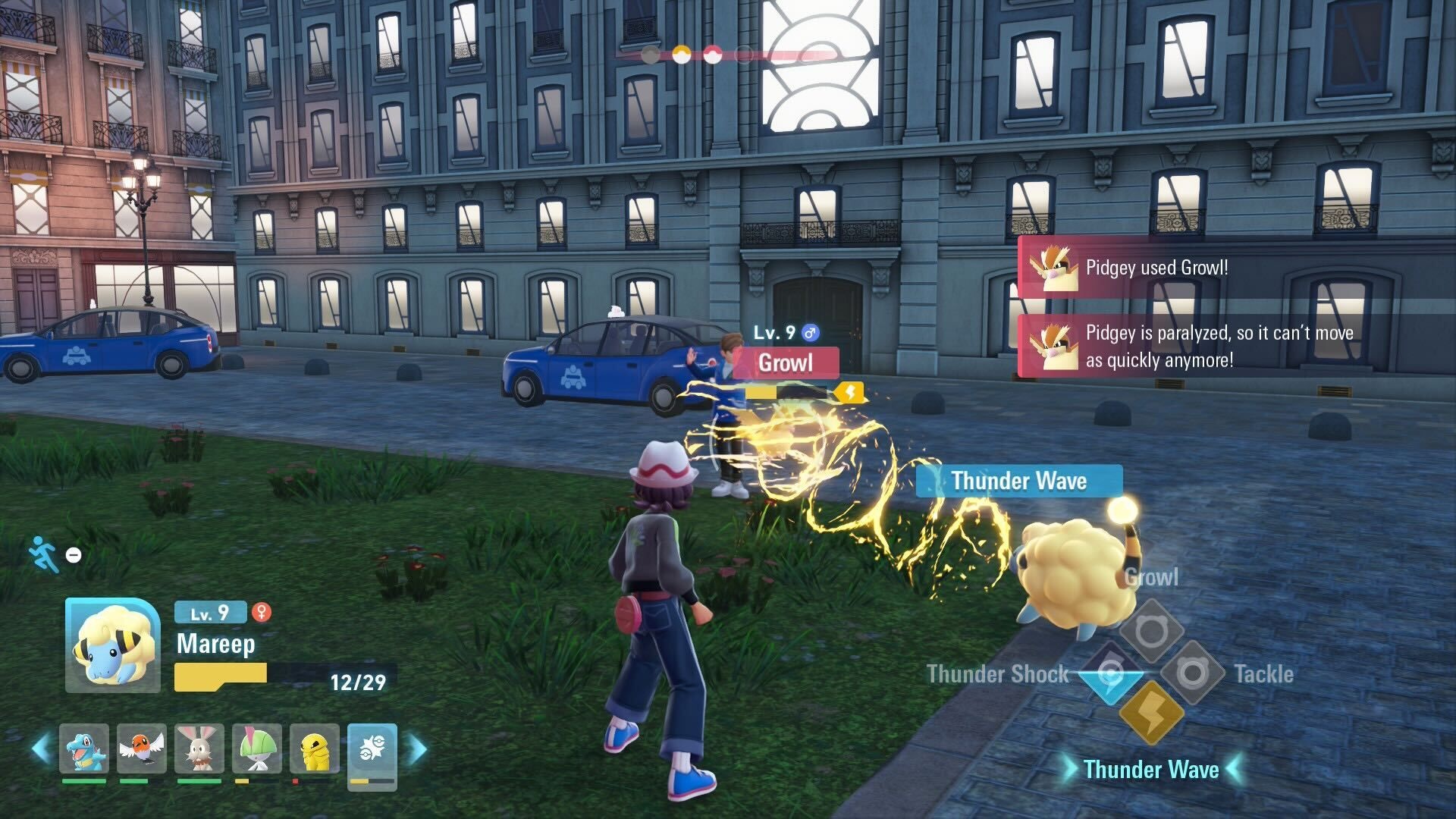
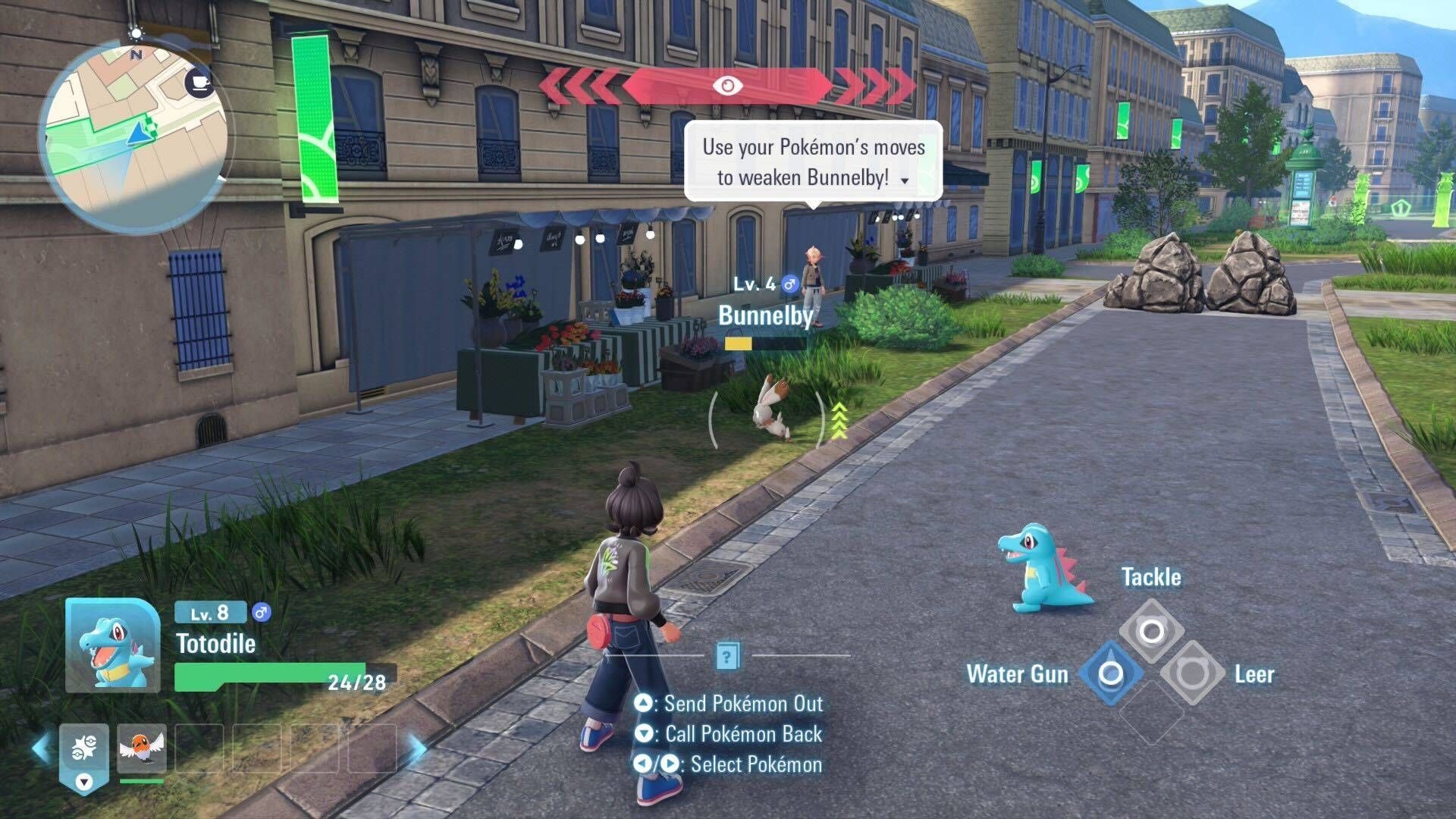
Pokémon Legends: Z-A uses real-time action for battles and allows players to catch wild Pokémon directly in the field. In practice, this means players give commands while two Pokémon clash onscreen, and the targeted Pokémon will move into position and perform the selected move. Additionally, wild encounters can be resolved by approaching and throwing a Poké Ball at a roaming Pokémon instead of entering a separate battle menu.
Therefore, the game reduces menu navigation and accelerates interaction. Moves like Earthquake are executed as visible actions by the summoned Pokémon, and catches occur without first switching to a turn-based battle interface. Images credited to Game Freak, Nintendo, The Pokémon Company, and ILCA Inc. appear alongside coverage of these mechanics.
Turn-based and the trainer role
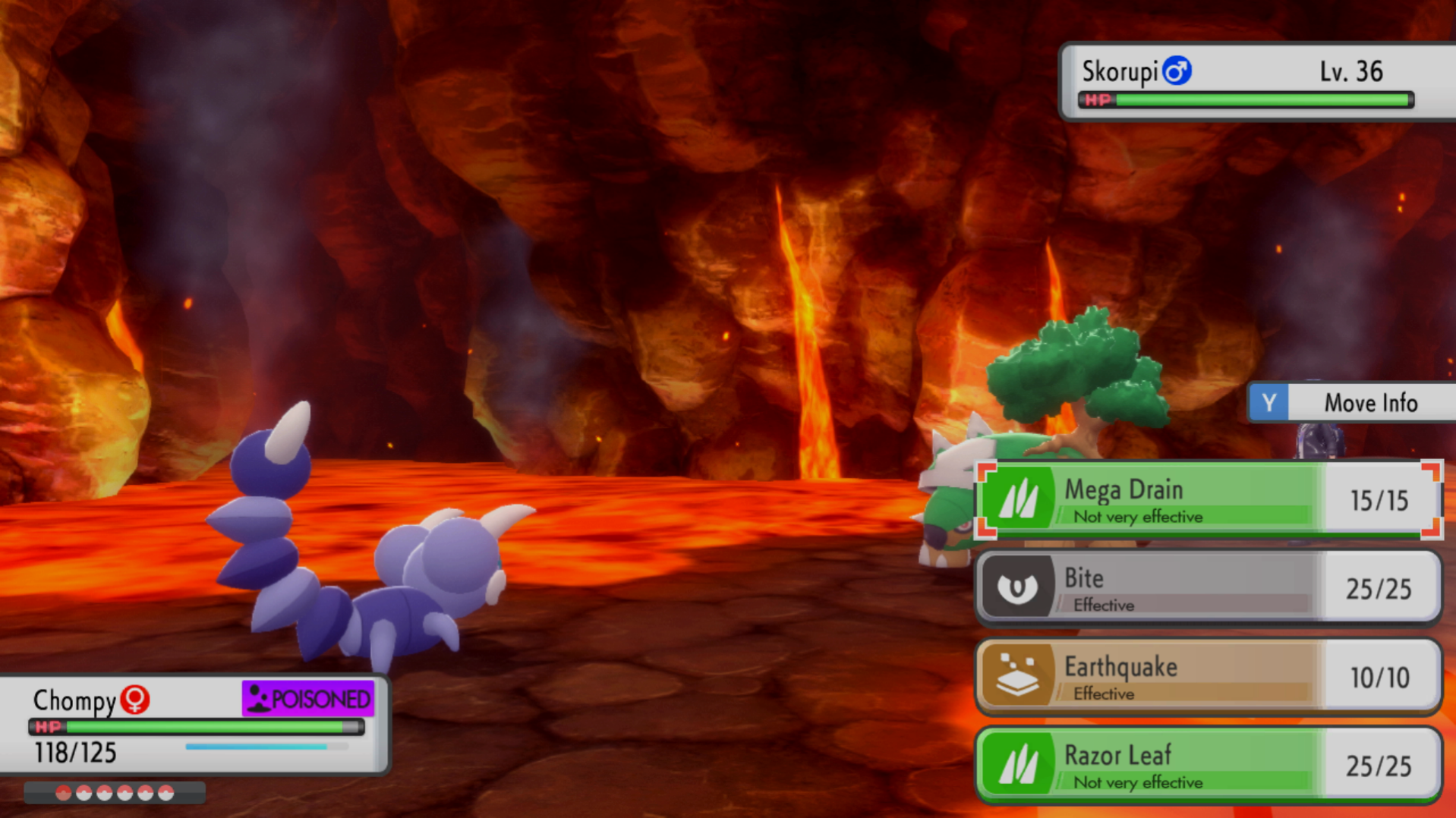
Traditional mainline Pokémon titles use turn-based combat. In that format, the player selects moves, items, or switches from a menu; then the game resolves actions according to speed, accuracy, and other mechanics. Consequently, decision-making centers on planning and prediction rather than on reflexes.
For catching in turn-based games, players commonly manage a wild Pokémon’s HP and status effects before throwing a Poké Ball. Moves such as False Swipe (which leaves a target at 1 HP) and status-inflicting moves like Thunder Wave (paralysis) are often used to increase capture odds. Thus, catching itself becomes a multi-step strategic process that interacts with party composition and move choices.
Differences and trade-offs
The most concrete difference is pace. Z-A favors faster, continuous action. Turn-based games favor slower, deliberative decisions. As a result, Z-A minimizes menu-driven planning, and turn-based titles preserve menu-based strategy and explicit resource management (for example, choosing when to buff or heal).
Moreover, certain planning elements—such as calculating damage ranges, predicting opponent switches, and building teams around specific capture strategies—remain central to turn-based games. In contrast, Z-A shifts some of that emphasis toward positioning, timing, and immediate command execution. Therefore, each format emphasizes different player skills: strategic foresight in turn-based systems, and timing plus situational reaction in real-time systems.
Practical implications for players
Players who prefer fewer menus will notice less micromanagement in Z-A. Conversely, players who rely on explicit turn-based calculations and controlled catch setups will find those exact mechanics preserved in mainline Pokémon titles. Both formats retain core franchise systems—type matchups, move categories, and status effects—but they present and prioritize them differently.
Summary
In short, Pokémon Legends: Z-A implements real-time combat and in-field catching to deliver a faster, menu-light experience. Traditional Pokémon RPGs keep turn-based battles and detailed capture strategies that emphasize planning and prediction. Therefore, each style offers distinct, factual differences in pacing and player responsibilities, and both coexist as concrete design options within the franchise.