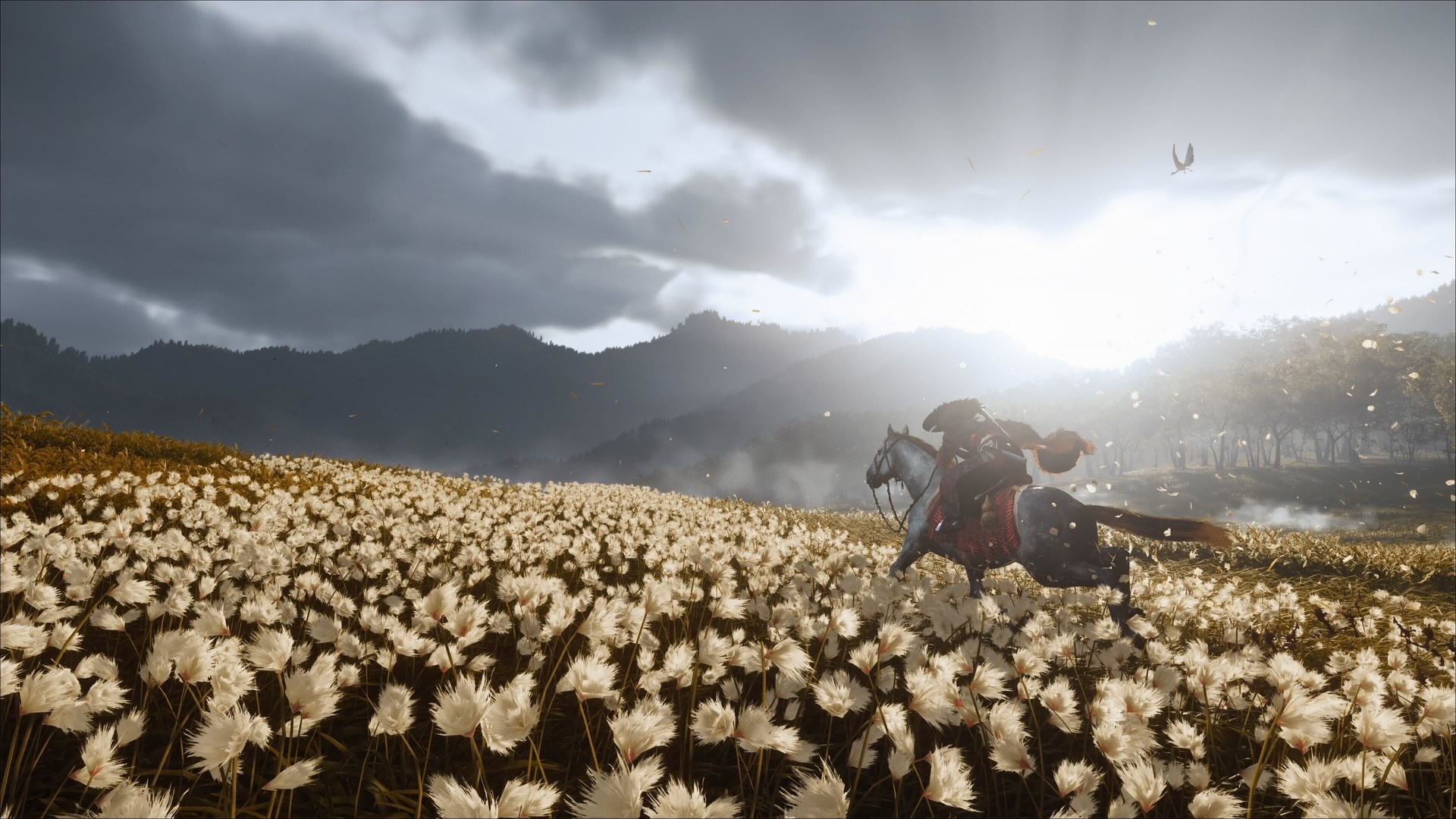
Don’t Open the Map Yet — 10 Ghost of Yōtei Tips That’ll Save Your Hide in Ezo
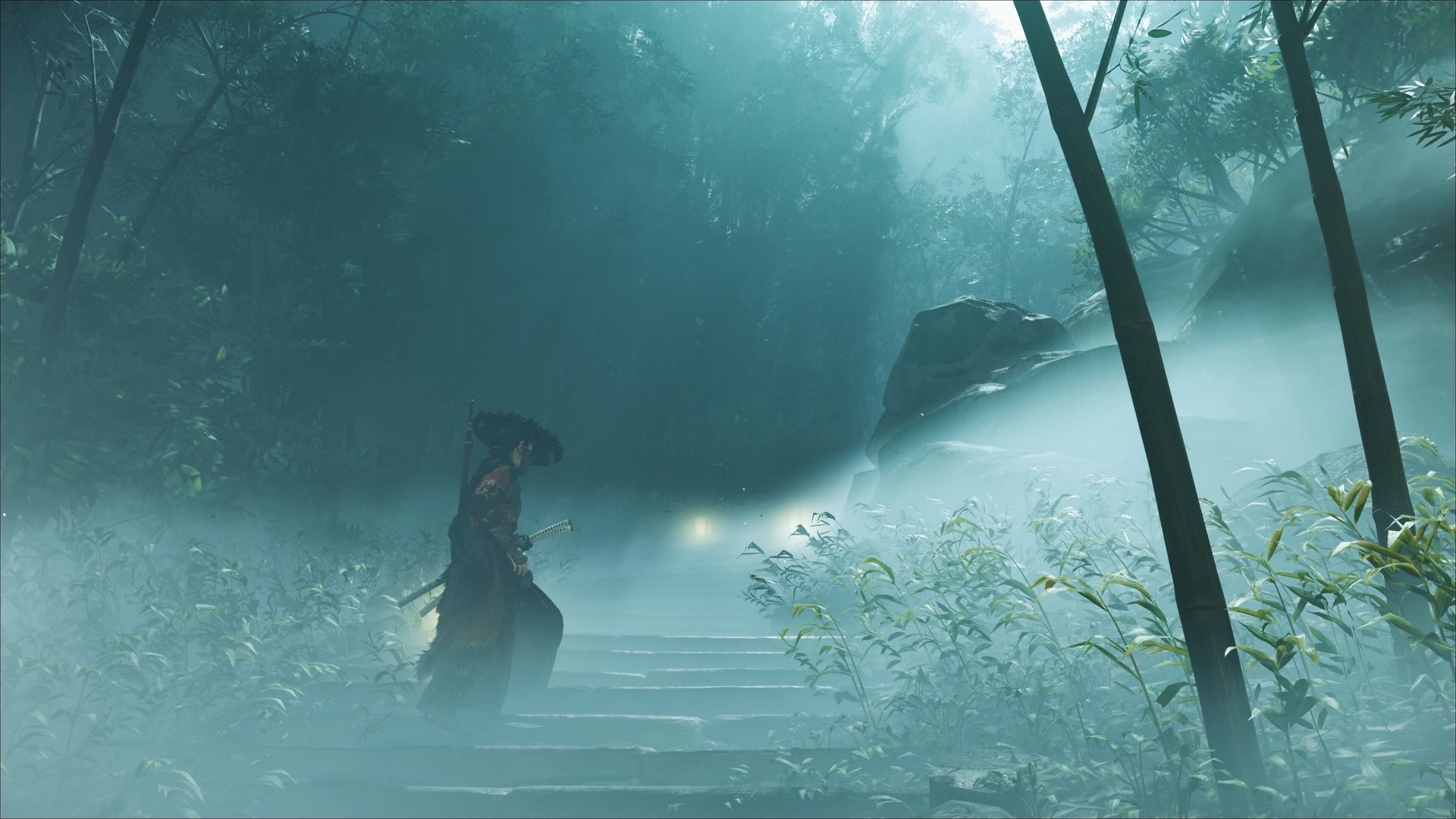
Starting Ghost of Yōtei? Here are clear, practical tips to help you get going in Ezo — from reading the world to where to find useful vendors. Keep these basics in mind, and you’ll waste less time and die less often.
- Talk to every NPC
- The cartographer
- Do your weapon quests early
- Quest cards and rewards
- Skill trees: standoff vs stealth
- Camping and what it does
- Shamisen songs and perks
- Photo mode for planning
Don’t stress about the map
The map looks enormous at first, but you don’t actually need to explore all of it. In practice, you move through a handful of interconnected biomes and only occasionally enter the grayed-out areas for specific platforming challenges or side missions. Therefore, treat the map as a guide, not a checklist.
Hot springs and bamboo strikes
There are several open-world activities, but two are especially useful early on.
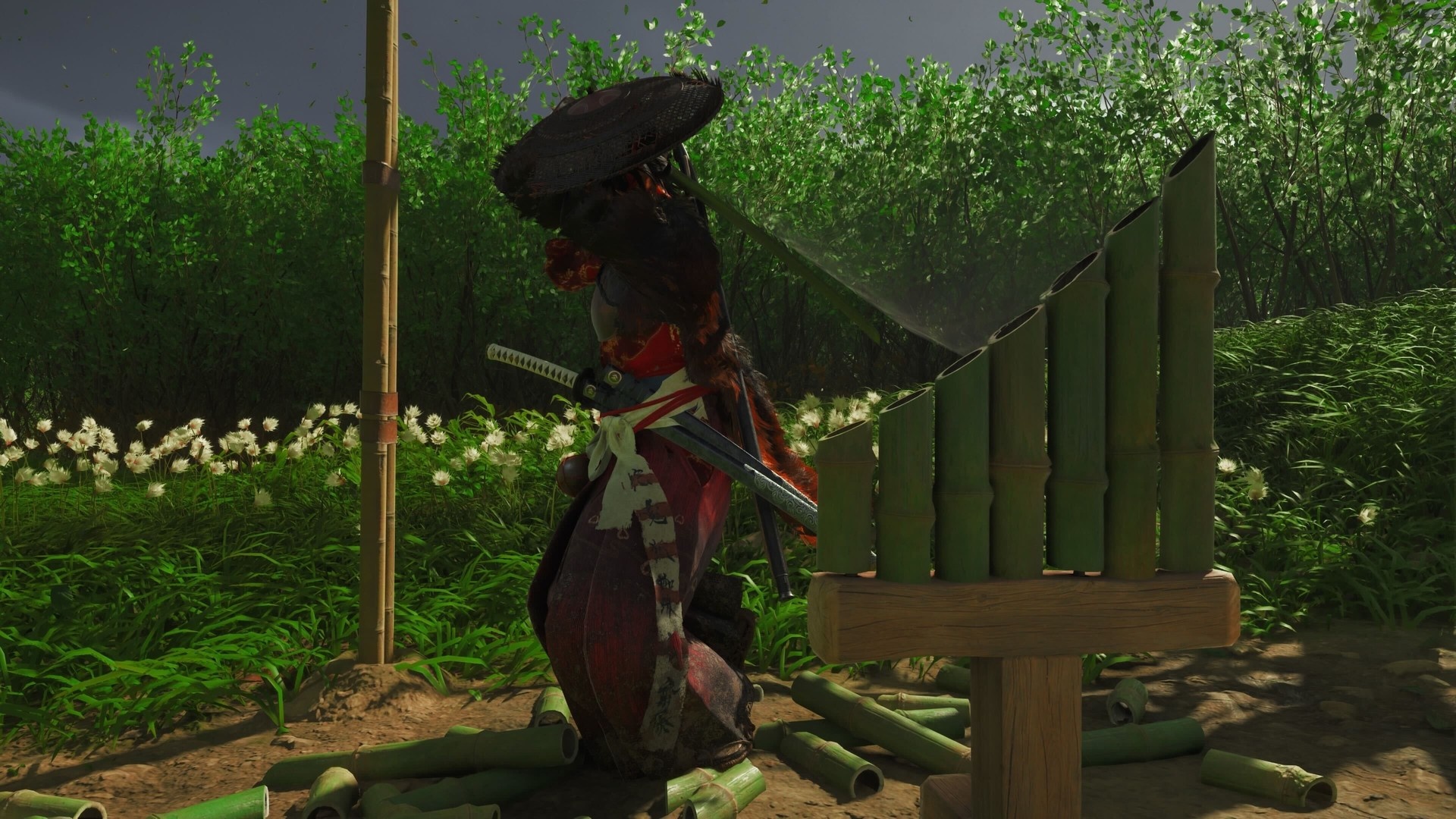
Hot springs restore and increase your maximum health, which helps in duels and tougher fights. Meanwhile, bamboo strikes are short button-pressing minigames that reward resolve points. Use those resolve points to unleash special attacks during combat.
Read the environment
Yōtei signals objectives with visual cues instead of heavy UI. For example, follow a golden bird to find a world activity, or follow the wind’s direction to reach your next marked quest. Also, steam rising in the distance usually marks a hot spring. So, pay attention to those world tells early on.
Talk to every NPC
Conversations are key. Talking to NPCs reveals side missions, activity locations, and leads for main story quests. In short, don’t skip random talk — it’s how you uncover many objectives.
The cartographer
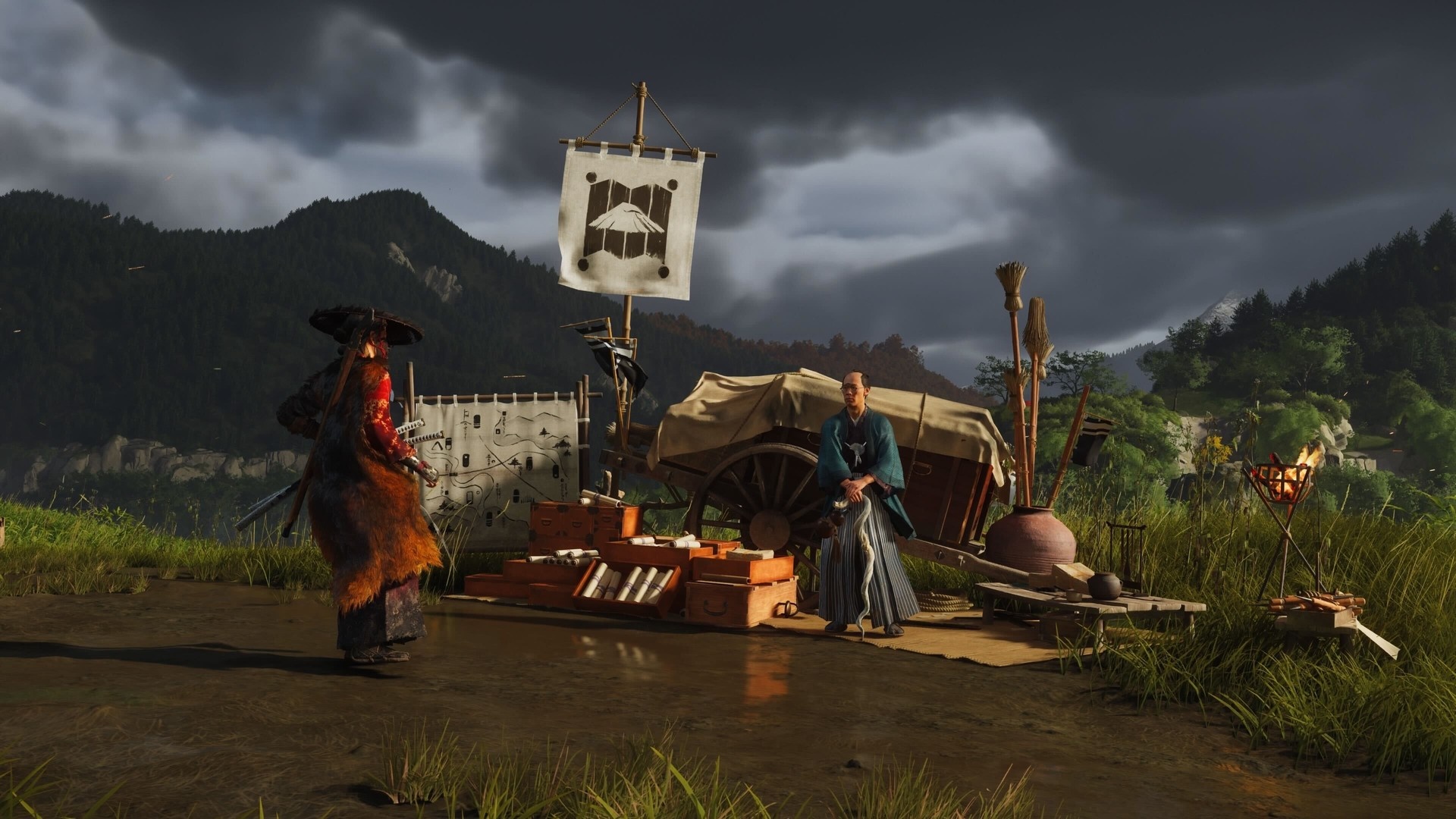
The wandering cartographer sells paper maps that reveal locations of activities like bamboo strikes. After you buy one, you must match the paper scrap to the in-game map to find the activity.
You can only buy a few maps at a time, but you can return to the cartographer and buy more as soon as you clear the ones you have. If you want upgrades and collectibles quickly, prioritize clearing these maps in new regions.
Do your weapon quests early
Unlike Ghost of Tsushima, Atsu swaps between distinct weapons rather than switching stances. Each weapon is strong against certain enemy types. Consequently, pick up and complete each region’s weapon quest early so you have the right tools for encounters.
Quest cards and rewards
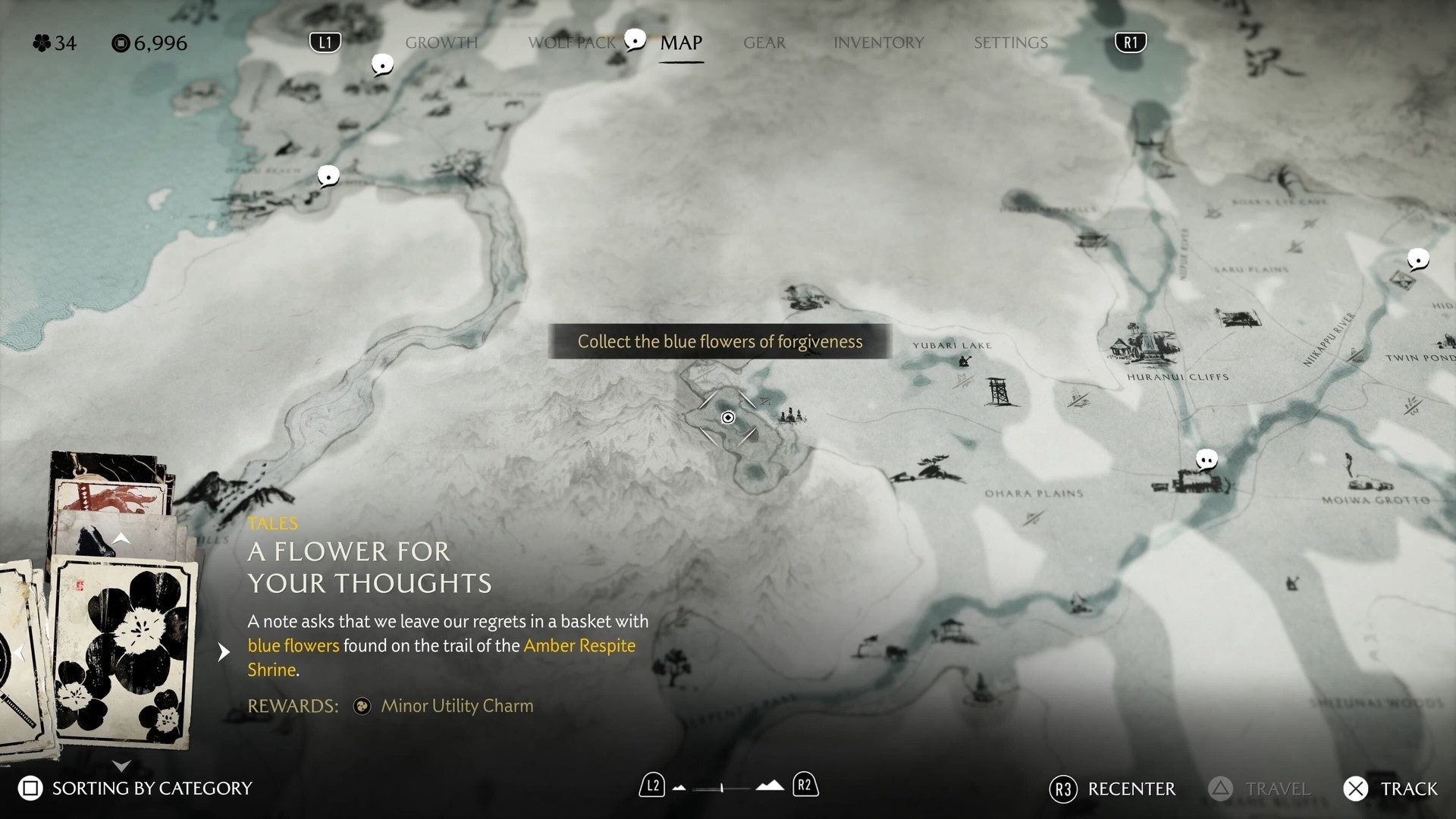
Yōtei uses a card system on the map to represent quests. You can scroll through cards and track quests directly from the map screen. Importantly, the bottom of each card lists the reward type, such as a new throwable or a charm, so check that before committing.
Skill trees: standoff vs stealth
Atsu has multiple skill trees tied to weapons and playstyles. Early on, focus on either the standoff or stealth assassination tree depending on your preferred approach.
The standoff tree lets you kill multiple enemies quickly (up to four total with specific requirements), while stealth upgrades let you chain more silent kills. Both are effective for thinning enemy numbers before full fights.
Camping and what it does
Hold the left D-pad in the open field to set up camp. At camp you can restore health and resolve, and you can also change the time of day. In addition, wandering vendors visit camp and sell charms, costume pieces, weapon skins, and other items.
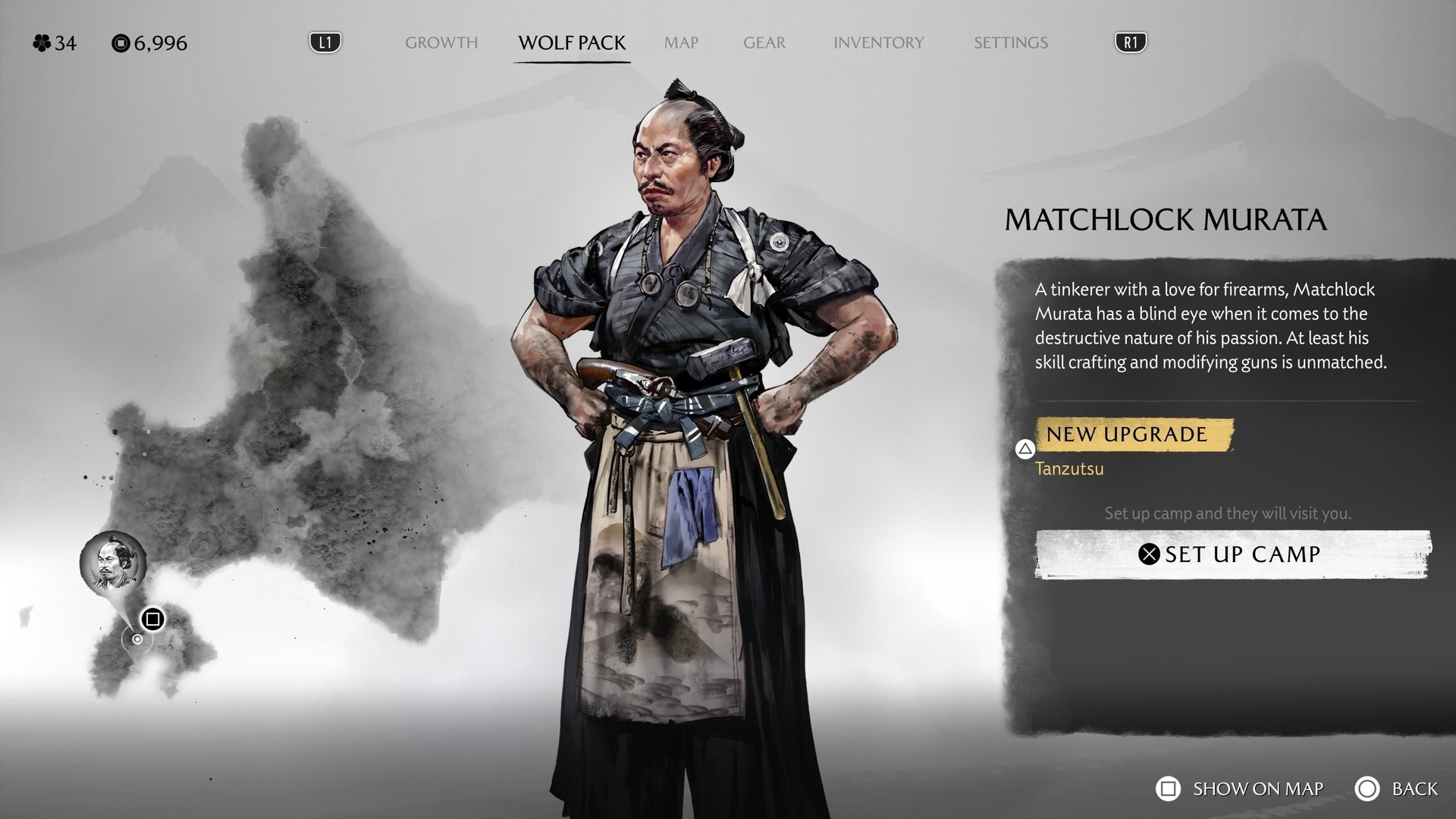
To see if a vendor will visit, check the Wolf Pack tab in the menu: characters with a speech bubble above them are potential visitors.
Shamisen songs and perks
Swipe left on the DualSense touchpad to bring out the shamisen and play learned songs. At first it appears cosmetic, but songs can later help you locate hard collectibles and wolf dens, which are useful for upgrading your wolf companion.
Photo mode for planning
Photo mode lets you zoom out far enough to get a clear lay of the land. Use it to spot enemy positions, platforming routes, and hiding spots. In other words, photo mode is both practical and beautiful.