Dying Light: The Beast Is September’s Undead Surprise — Gorgeous Alps, Thrilling Parkour, and an Overpowered Beast Mode
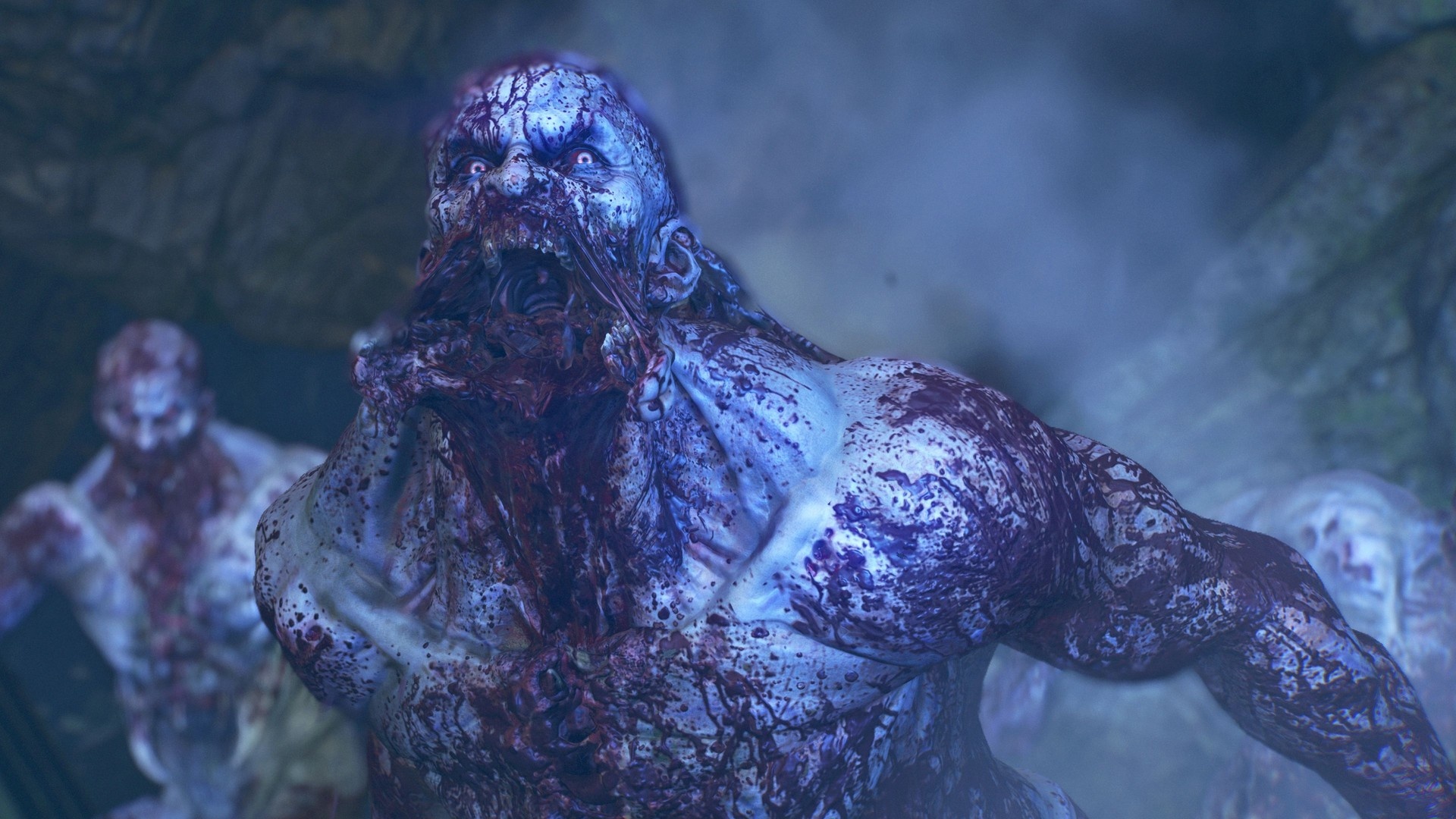
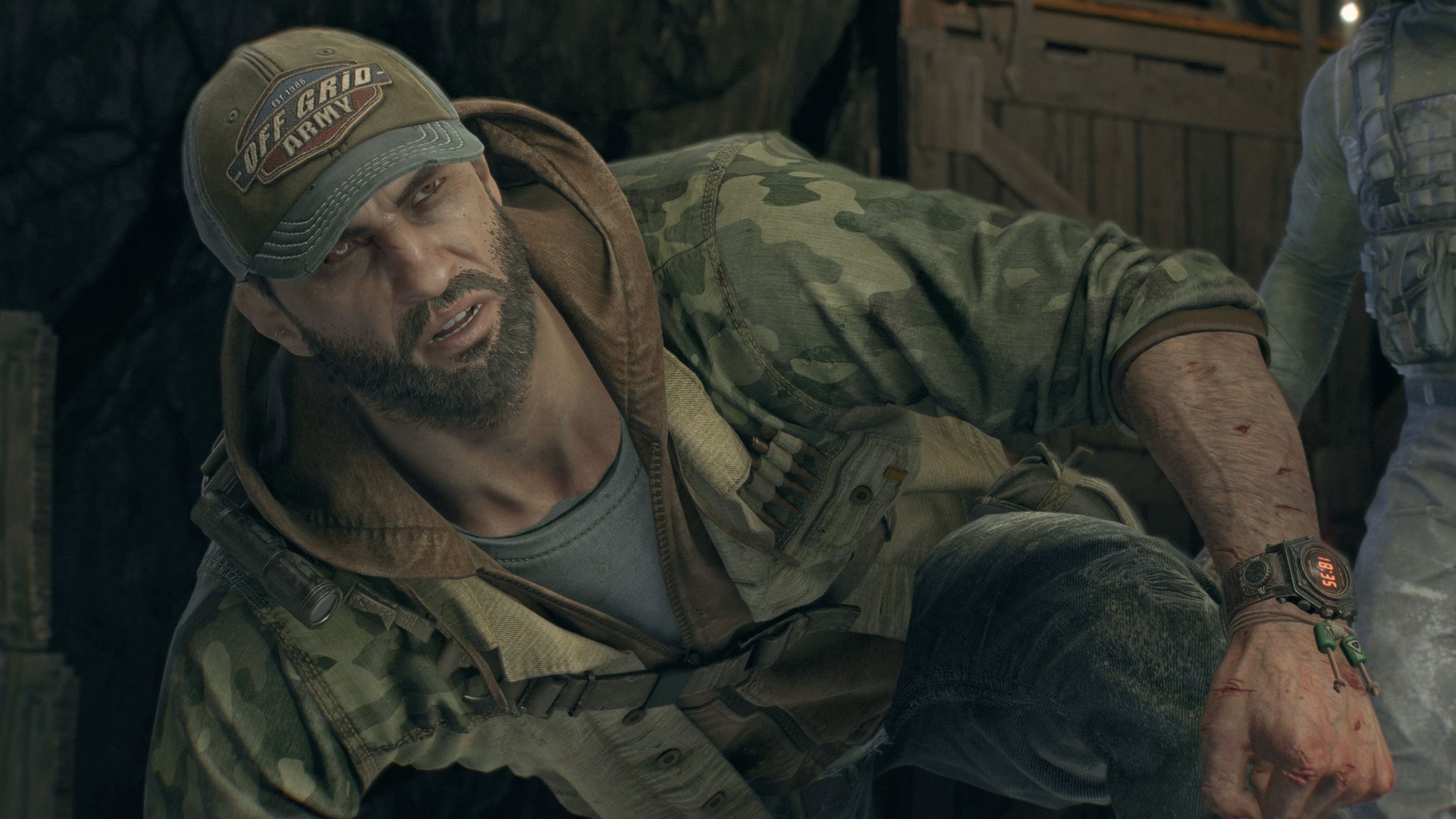
Techland released Dying Light: The Beast in September 2025. The game is a first-person, open-world action-adventure that brings back protagonist Kyle Crane from the 2015 Dying Light and places him in a zombie-infested version of the Western Alps.
Overview
Released during a very crowded September 2025 window, Dying Light: The Beast is developed by Techland and runs from a first-person perspective. Players control Kyle Crane, who returns after the events of the first game and, according to the game, has been experimented on for 13 years and transformed into a human-zombie hybrid. The game combines open-world exploration, parkour movement, and melee-focused combat.
Setting and traversal
The game is set in an open-world take on the Western Alps. Early in the campaign players secure an old monastery, and later explore an Old Town village and wide countryside with snowy mountain backdrops. The map includes woodland, countryside, and the denser Old Town area, where rooftop parkour opportunities are most common.
Traversal options include driving abandoned vehicles and a full parkour kit: running, jumping, climbing and sliding. Rooftop sequences emphasize risk and reward, while long stretches of highway or countryside often favor vehicles. The Old Town is the primary area for sustained rooftop movement.
Combat and tools
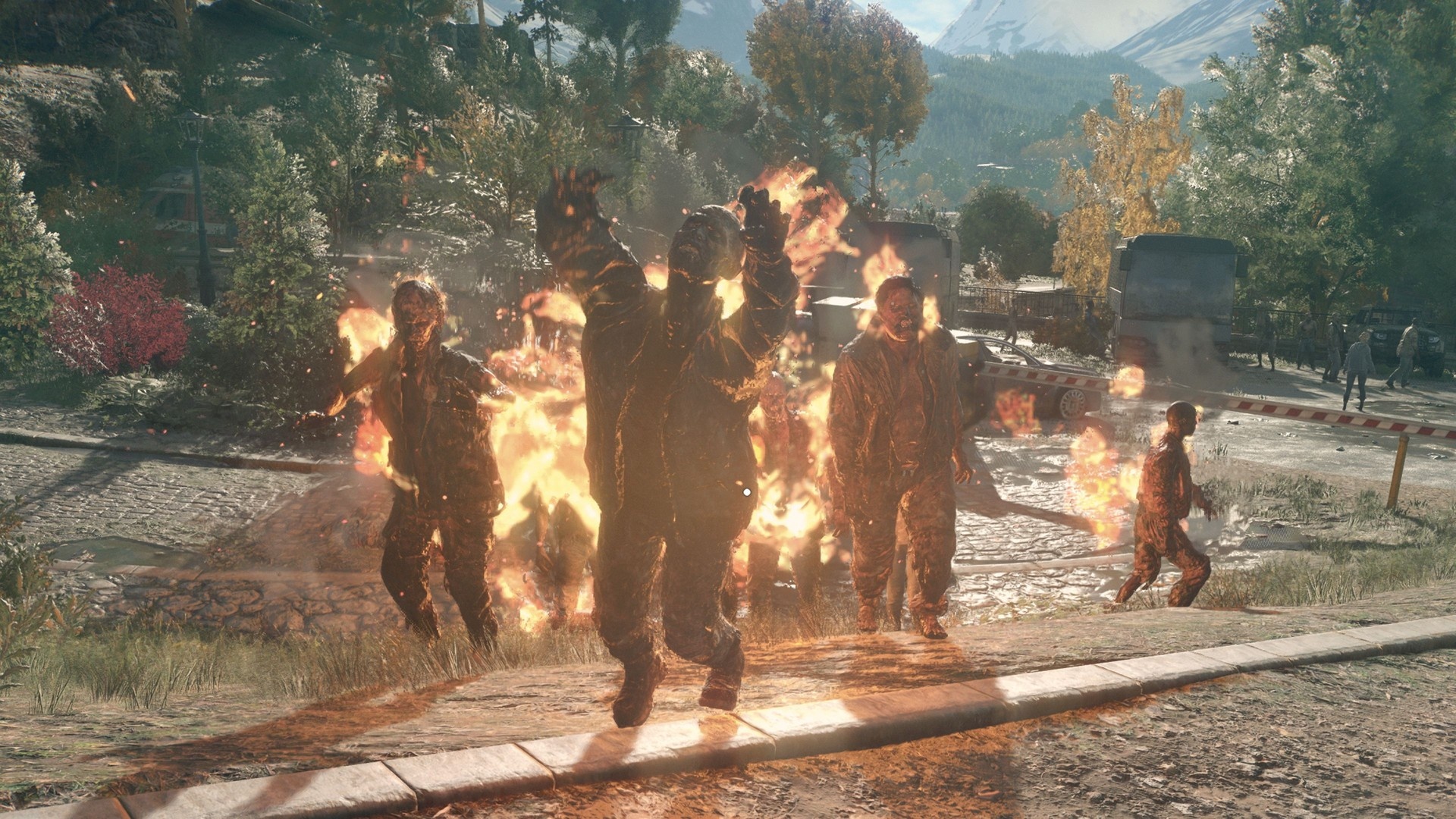
Combat leans heavily on melee weapons because firearm ammunition is scarce and gunfire attracts zombies. The melee systems show visible damage on enemies and provide tactile feedback, especially with blunt weapons. Ranged options exist, but are secondary by design.
Players also get a selection of tools and gadgets, such as grenades, molotovs, decoys, and throwing knives. These tools are intended to support different playstyles: stealth, traps, direct confrontation, or distraction. Throwing knives are noted for single-target, quiet takedowns.
Abilities and balance
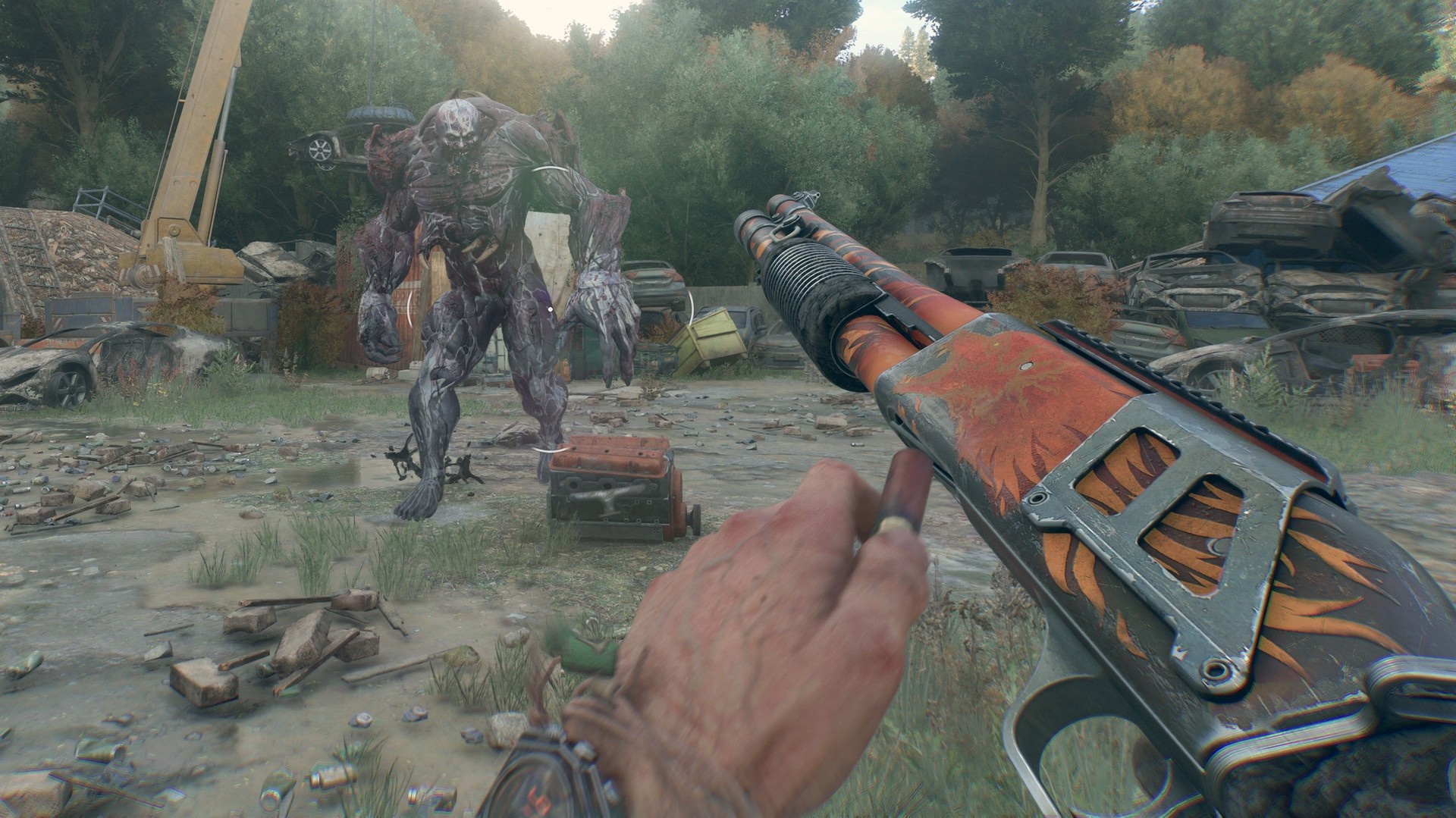
The game’s signature ability is Beast Mode. At the start of the game, Beast Mode charges automatically through taking and dealing damage. Later, players can invest in a skill tree to control when it activates. While Beast Mode grants significant temporary strength and can clear groups of enemies quickly, it also changes encounter balance by providing a powerful, repeatable option.
Another ability, Survivor Sense, scans the area and highlights nearby items and certain types of zombies. Specifically, it marks “volatile” zombies — faster enemies that can alert others — while leaving regular infected less visible. Items appear with a small grey dot when marked.
Difficulty and accessibility
There are named difficulty options that affect game systems. For example, playing on brutal (hard) increases challenge compared to survival (normal). In brutal mode, loot, shop supplies, and the player stamina bar are subject to tighter restrictions. These adjustments aim to increase the tension and make combat encounters harder.
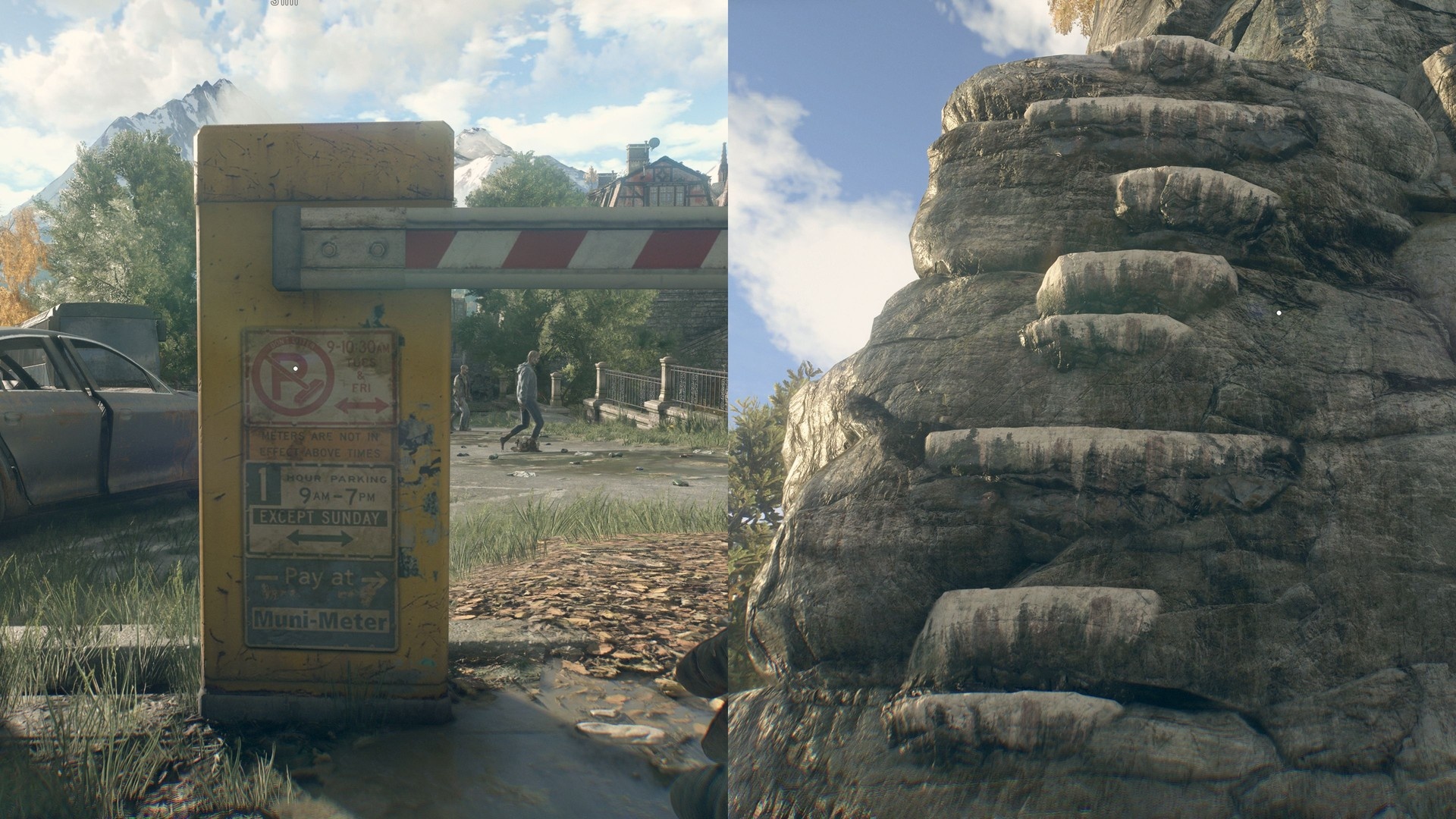
On accessibility and convenience, the game does not include some expected features at launch: there is no built-in auto-loot option and no universal fast travel system. In addition, item markers from Survivor Sense use a small grey dot that can be easy to miss, and there are no in-game settings to change that marker style.
Story and missions
The main narrative centers on Kyle Crane seeking revenge against the Baron, the character responsible for his experiments. The mission structure includes standard objectives such as finding survivors, retrieving items, and searching locations. The story presents familiar character roles: a vengeful protagonist, an authoritarian antagonist, and an allied scientist who assists Crane.
Overall, the game combines open-world traversal, melee-focused combat, and two core abilities — Beast Mode and Survivor Sense — while offering distinct difficulty settings and a traditional mission structure.