EA’s $55B Saudi-Led Takeover: $20B Debt Could Mean Deep Cuts — Is BioWare, The Sims or Apex Next?
On Sept. 29, 2025, Saudi Arabia’s Public Investment Fund (PIF), private equity firm Silver Lake, and Affinity Partners — led by Jared Kushner — announced a planned $55 billion buyout of Electronic Arts. Once the deal closes, EA would go private. Analysts say that the takeover will bring big changes, especially given roughly $20 billion of B-rated debt attached to the transaction.
Deal basics
The acquisition was announced publicly on Sept. 29, 2025. The buyer group includes the PIF, Silver Lake, and Affinity Partners. Affinity Partners is led by Jared Kushner. The price announced for the transaction is $55 billion, and the plan is to take EA private once the deal completes.
Debt and finances
Analysts point out that the buyout will include about $20 billion of B-rated debt. Rhys Elliot, head of market analytics at Alinea, wrote that “The $20 billion in debt looming over this transaction flies in the face of this advantage.” You can read Elliot’s full post on LinkedIn.
Despite the debt, EA still shows strong cash flow. Analysts have cited EA’s roughly $2 billion cash flow figure and its status as a top publisher in many markets. For example, Newzoo ranks EA highly across dozens of markets, and it reports a large portion of active players engage regularly with at least one EA title; see more from Newzoo.
EA Sports
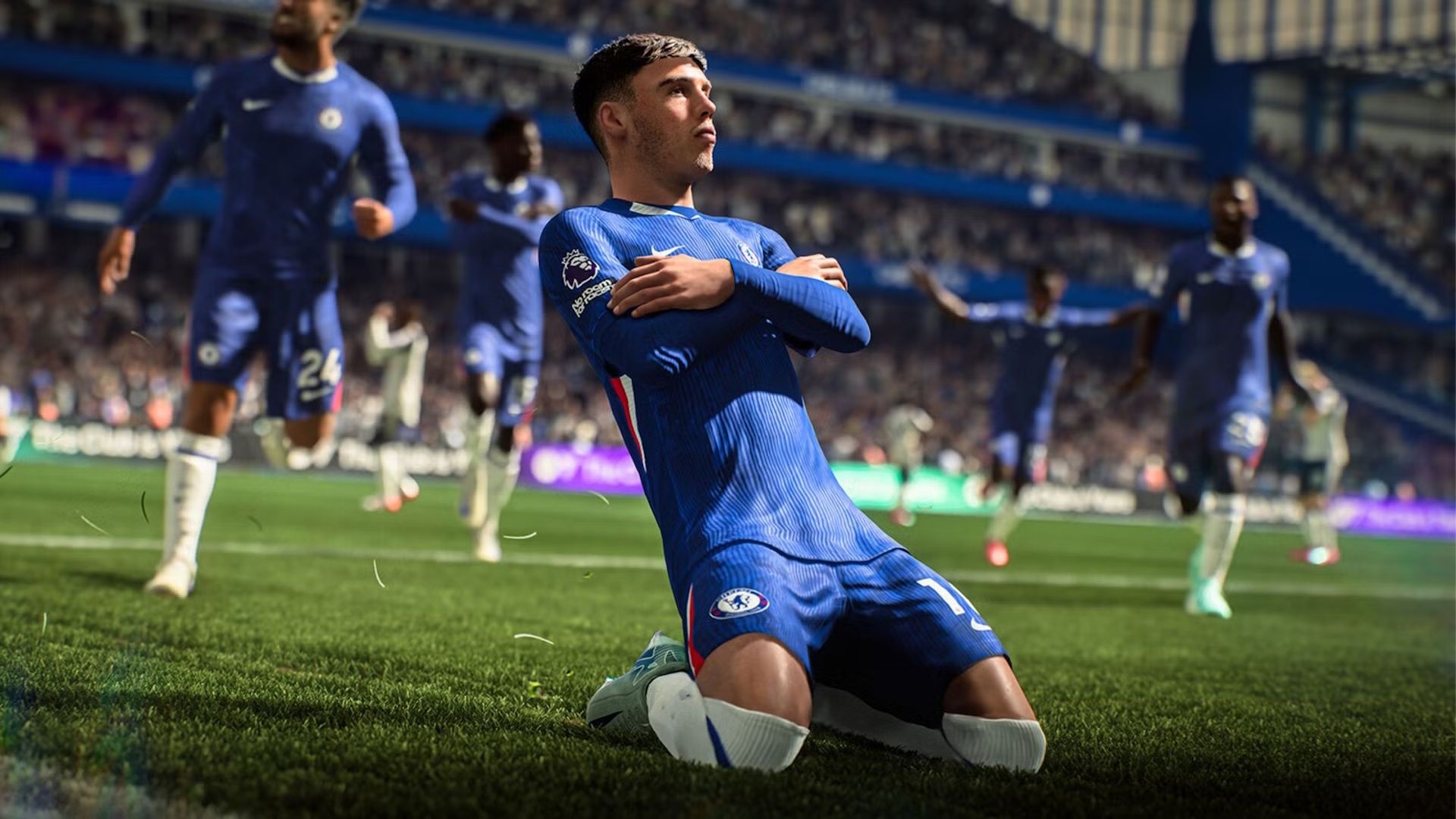
Experts generally expect EA’s major sports franchises — including Madden NFL and EA FC — to remain core assets. DFC Intelligence president David Cole noted that leveraged buyouts “are historically followed by cutbacks and the sell of non-essential assets in the short-term,” and that, long term, this can allow a company like EA to focus on more creative risky ventures. In the nearer term, however, the focus is likely to be on reliable money-makers.
Freedom Capital Markets also flagged EA’s dependence on annual sports releases and microtransactions as a business risk. EA’s own preliminary January 2025 report showed pressures related to that model; read the company release here.
Apex and Battlefield
Apex Legends remains one of EA’s notable live-service successes historically. EA reported that Apex had generated over $2 billion since launch, and the company has worked on changes to stabilize the title after revenue and player challenges. In 2024 EA announced lower predicted revenue and discussed adjustments; see the company’s Q2 FY25 slides here.
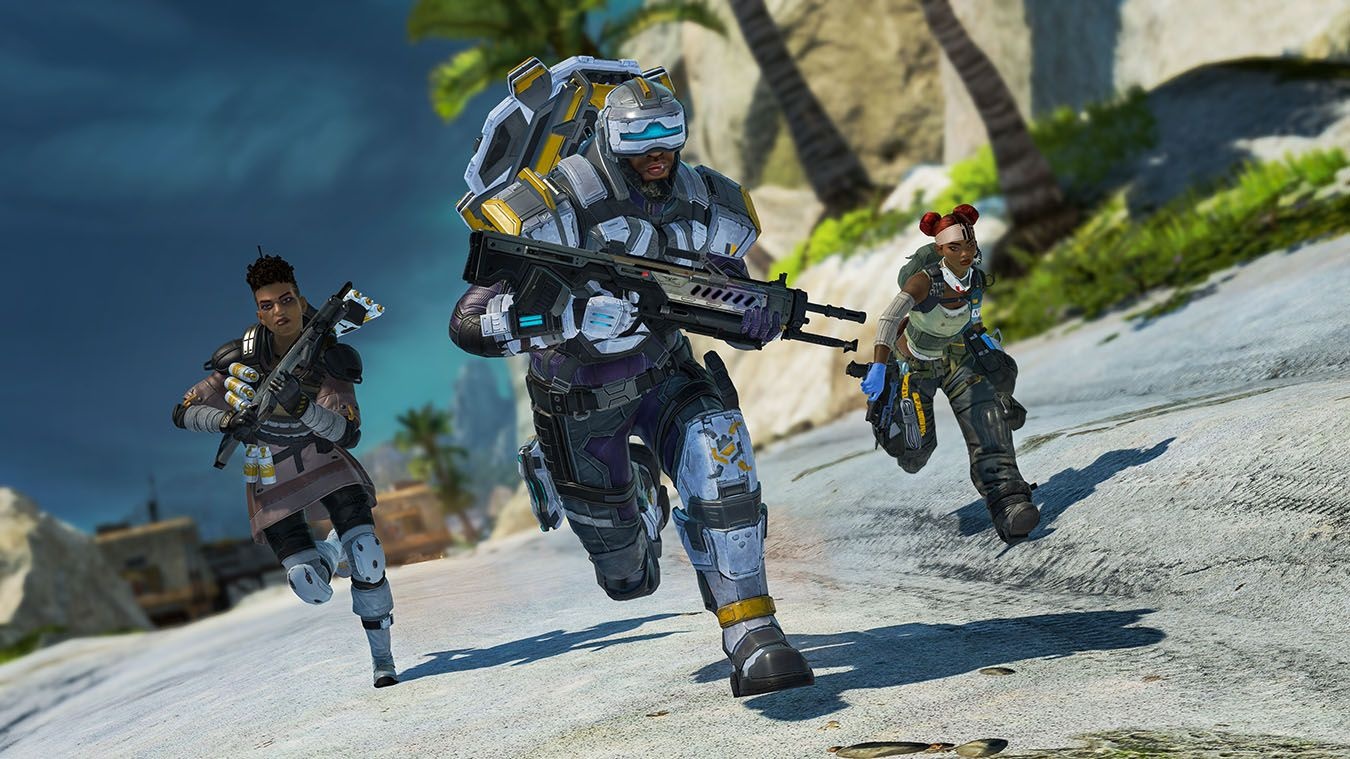
Analysts say Apex or Respawn could still be sold if the right offer arrives. Meanwhile, DICE’s future looks tied to Battlefield 6’s performance. Some see Battlefield 6 as EA’s experiment to move beyond its sports-heavy model. David Cole said EA will weigh whether it wants to keep competing with Call of Duty and noted that if Battlefield doesn’t gain momentum, DICE could be sold.

The Sims and BioWare
The Sims 4 is a large earner for EA and was among the company’s top-performing games between August 2024 and August 2025. Analysts say EA would likely keep The Sims core franchise unless a very high offer appears, but smaller Maxis properties could be sold. Additionally, Maxis research cited by the studio showed substantial representation among the player base; see Maxis’ inclusive gaming notes here and their GDC presentation here.
Concerns about the new ownership’s political ties have circulated among players and some workers. Several EA employees have expressed worry that inclusivity and representation could be de-emphasized; one report on employee concerns is available at GameFile. Human Rights Watch coverage of Saudi Arabia’s record was also cited by industry commentators; read HRW’s 2025 country chapter here.

BioWare’s future looks especially uncertain. Analysts say BioWare is likely to be sold after the deal closes. Rhys Elliot suggested BioWare had already been in EA’s “crosshairs” following difficult development cycles. David Cole described BioWare and its franchises as “prime candidates” for sale. Dragon Age: The Veilguard missed EA’s internal player-count expectations by about 50%; see the Q3 FY25 transcript here.
Timeline and outlook
The acquisition is expected to close in EA’s fiscal first quarter of 2027, which begins April 1, 2026. Analysts expect cost cuts, layoffs, and possible studio sell-offs before and after closing, and many predict those effects could continue into 2028. Some firms, such as Freedom Capital Markets, say the deal could free EA from public market pressures and allow riskier projects over the long term, but others warn that the heavy debt load will drive short-term cuts and a focus on core revenue sources.
For more reading on the financial discussion, see the Freedom Capital Markets note here.