Final Fantasy Tactics Remake: Even Easy Mode Isn’t a Walk in the Park
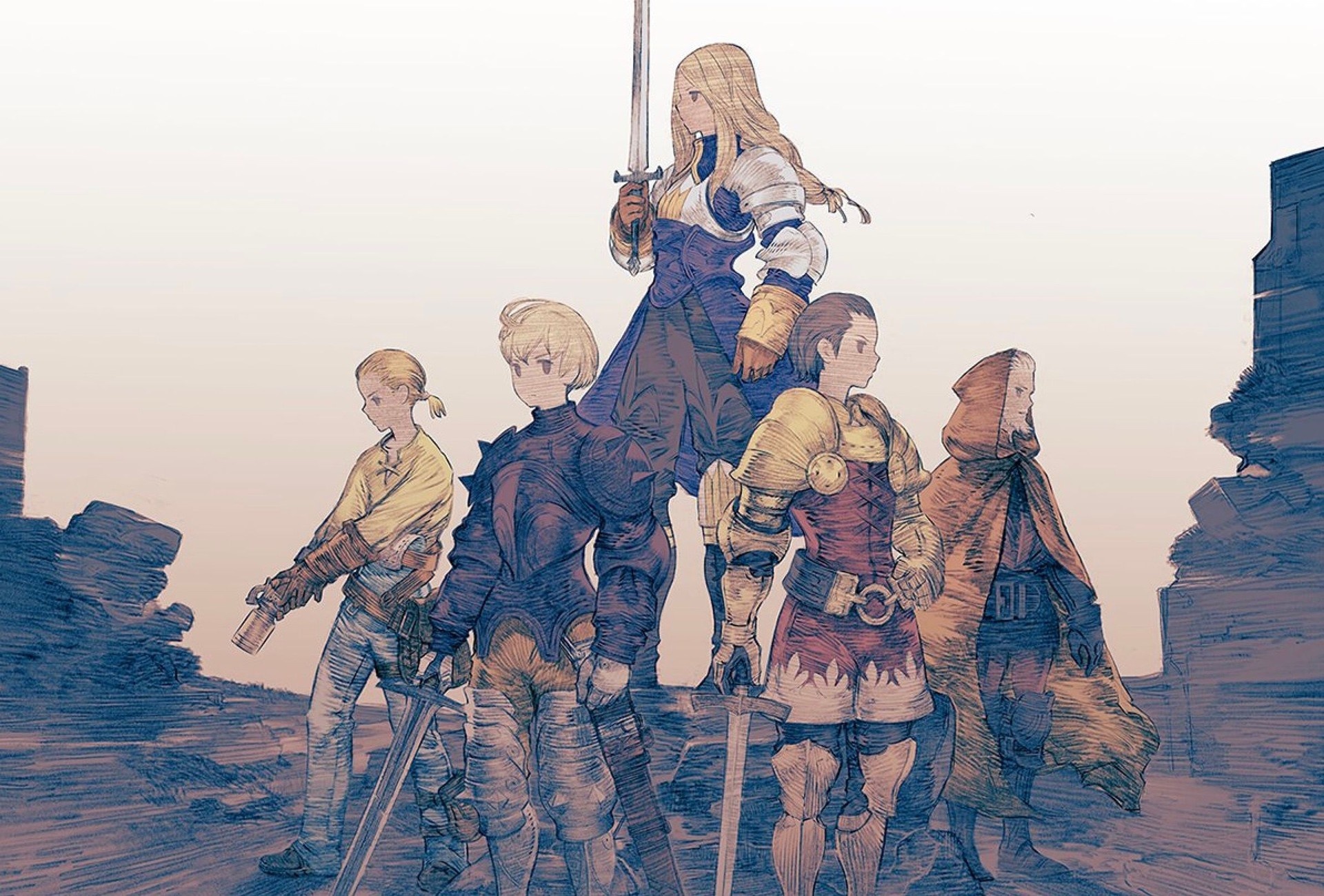
Final Fantasy Tactics: The Ivalice Chronicles keeps the old game’s challenge, but it also gives players options to dial that challenge up or down as they go. You can change difficulty outside of battles, encounter multi-stage fight sequences, and face bosses with very large HP pools and lethal abilities. Below is a clear breakdown of how the remake handles difficulty and what that means in practice.
1. Difficulty settings and how they work
2. Why Squire (easy) still feels challenging
3. Multi-battle sequences and map restrictions
4. Bosses, revival rules, and one-shot risks
5. Practical tips for managing difficulty
Difficulty settings and how they work
Final Fantasy Tactics: The Ivalice Chronicles offers three difficulty presets: Squire, Knight, and Tactician. These map to traditional easy, medium, and hard modes. Importantly, you can switch between these settings at any time, but only while you are outside of a battle. That means the game lets you adjust the challenge based on a specific fight or section without restarting the game entirely.
Why Squire (easy) still feels challenging
Squire reduces enemy damage and some other pressures, yet it is not a guaranteed breeze. Enemies still use status ailments, targeted tactics, and job-specific strengths like samurai, summoners, and time mages. As a result, even on Squire you will need to plan jobs, equipment, and positioning. In short, Squire gives you more breathing room, but it does not remove the need for strategy.
Multi-battle sequences and map restrictions
The game contains several stretches where you are locked into a chain of three or four fights in a row. Between those fights, your party’s HP and MP are restored, and characters who have been knocked out for fewer than three turns are revived automatically. However, if you lose one fight in the sequence, you will restart at that specific battle, and you cannot return to the world map to buy equipment or grind without reloading a save and losing some progress.
Bosses, revival rules, and one-shot risks
Many late-stage bosses have thousands of HP and a toolkit of powerful spells and techniques. Some of these enemies can one-shot party members, which triggers the game’s revival countdown mechanic: you typically have three turns to revive a fallen ally before they remain out of commission. Early on, three turns can feel generous, but when multiple allies fall or there are few enemies left to target, that window can close very quickly.
Practical tips for managing difficulty
If you hit a wall during a gauntlet of fights, you can lower the difficulty from Knight to Squire to reduce enemy damage and make those encounters more manageable. Be aware that lowering difficulty after starting a multi-battle run means replaying the entire sequence from its start point. Therefore, save before long fight chains if you want the option to change settings without losing much progress.