Fionna and Cake Season 2 Reveals Huntress Wizard’s Mystery — Plus a Jaw-Dropping Guitar-Fueled Opening
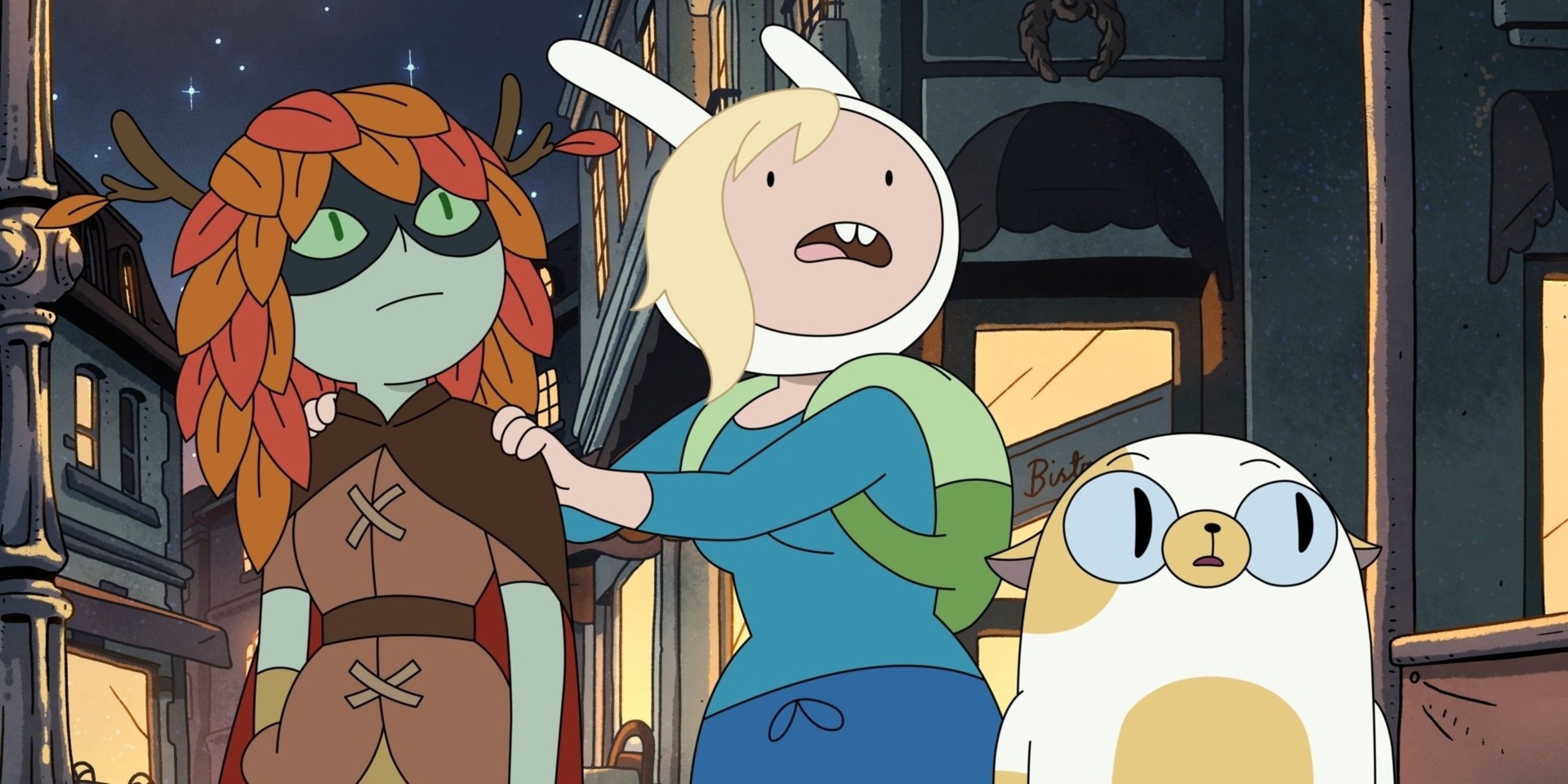
Fionna and Cake season 2 is now streaming on HBO Max, and it opens with a brand-new, high-energy title sequence built around fast guitars and quick-cut visuals. Showrunner Adam Muto discussed the new theme, the season’s focus on Huntress Wizard, how the show balances its own world with the original land of Ooo, and what the Adventure Time franchise might look like going forward.
Getting to know Huntress Wizard
The season gives much more screen time to *Huntress Wizard*, a character who was mostly an enigmatic presence in the original series. In season 2 she becomes central to a plot thread in which she travels between realities to help save Finn from a poisonous injury. According to Muto, this was a chance to expand a character who previously appeared only briefly, and to build a version that feels like a natural evolution rather than a straight copy.
“It was a cool opportunity,” he says. “It was also sort of risky to take a character who’s mostly known for like, ‘Oh, that’s a very cool character design.’ She’s in a couple episodes — just enough to have a fan base of her own, but not necessarily enough that they know the ins and outs of her character. Certainly her backstory was left very mysterious.”
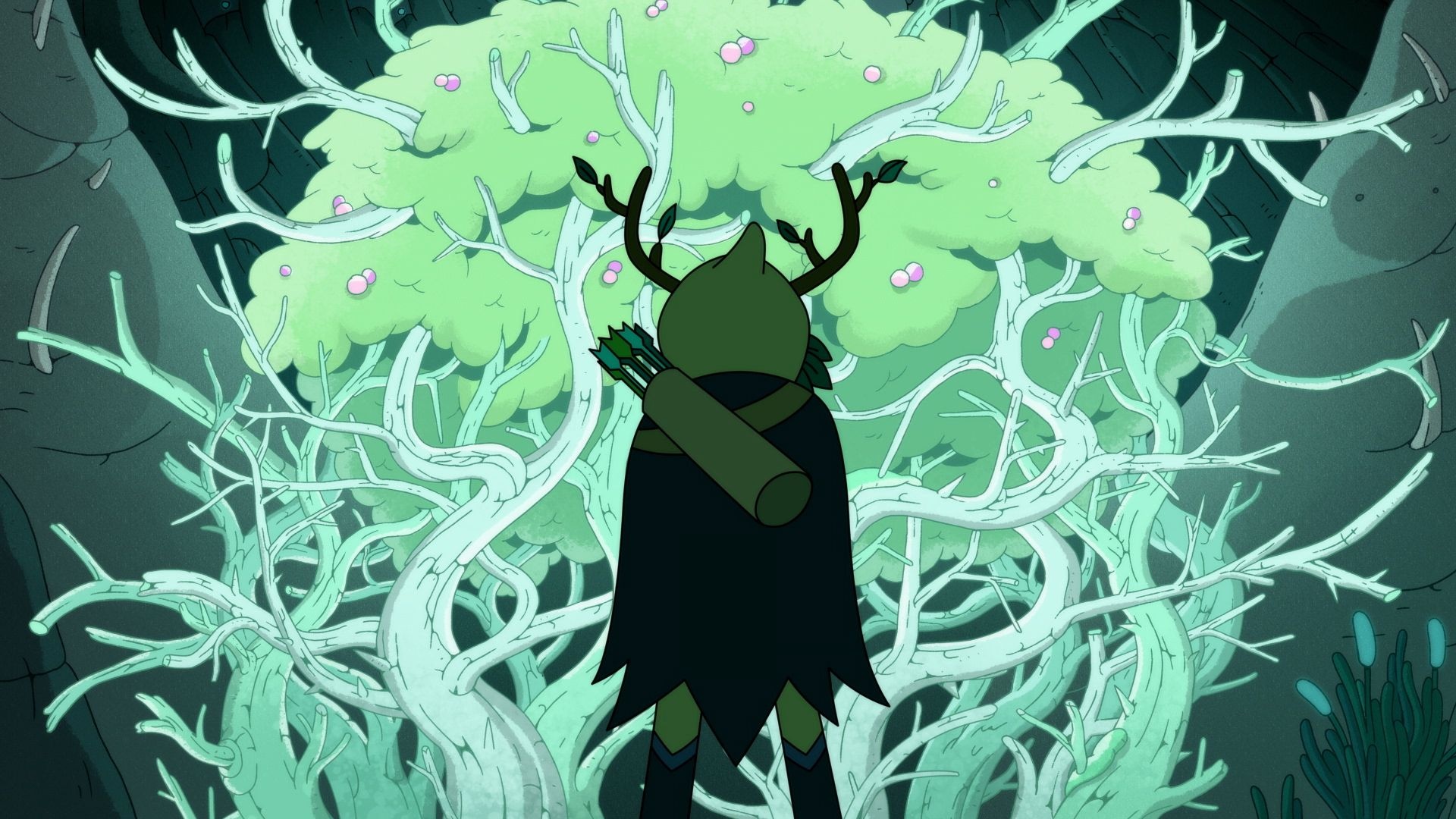
The season also expands the concept of alternate takes on established characters. For example, Fionna and Cake season 2 explores gender-bent and multiversal variants of familiar figures, including a version of Hunson Abadeer. These explorations are deliberate: the show balances new interpretations with recognizable traits to keep continuity and surprise.
Finding the right balance
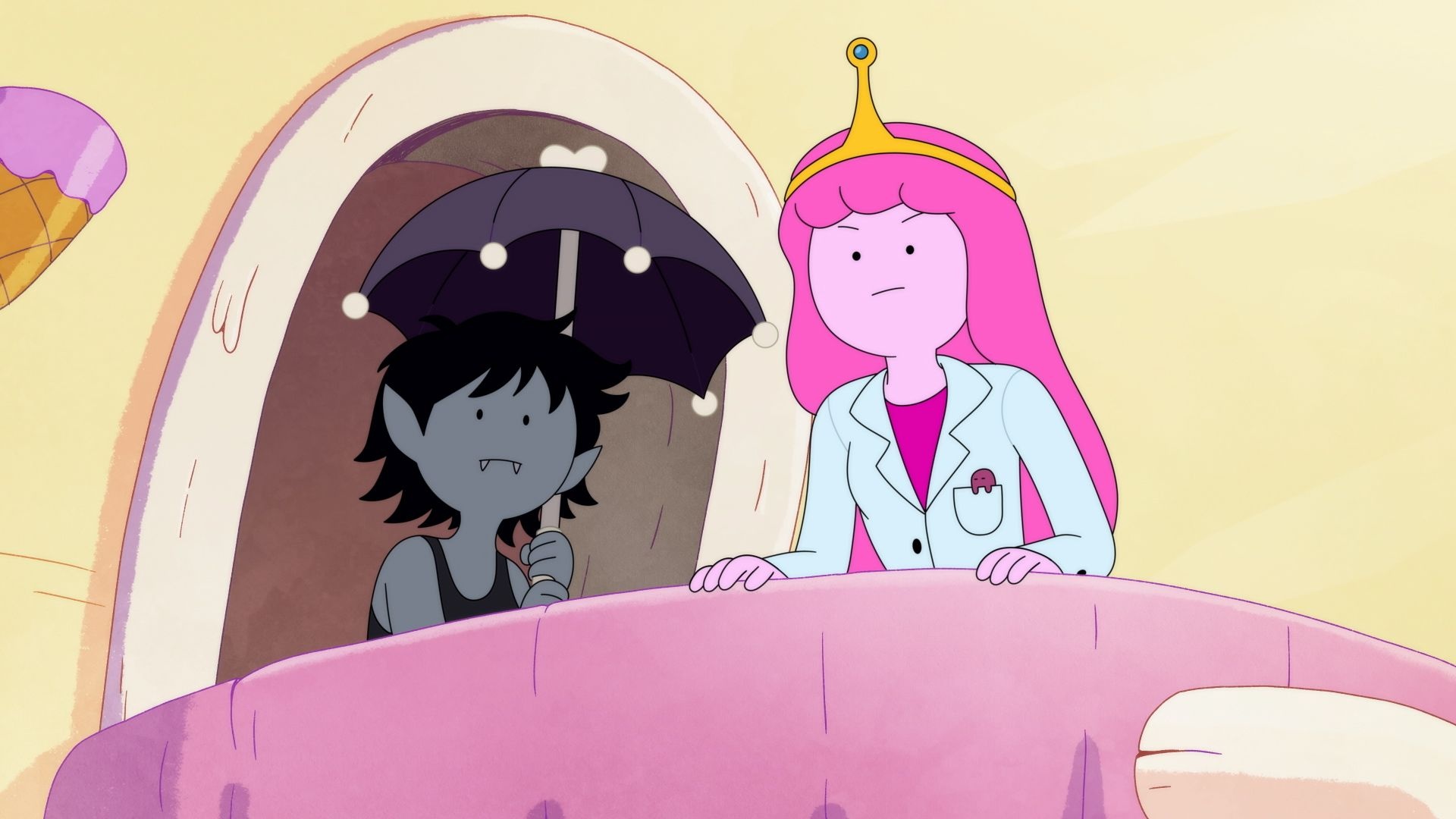
Season 1 ended with a multiversal threat averted, which left the creative team with a choice: tell low-stakes, cozy stories in Fionna’s dimension or raise the stakes again. The team chose a middle path, keeping action and tension while also letting characters breathe in their own world.
“I was not bold enough to just say, ‘We’re going to do a very cozy season. Every episode’s going to be kind of boring, but it’ll be fun,’” he says. “There’s definitely the temptation to just do a slice of life thing and just keep it completely low stakes, just about Fionna and her friends, and that could be satisfying in some way, but I feel like they would not have greenlit that show. Finding a middle ground was sort of the challenge.”
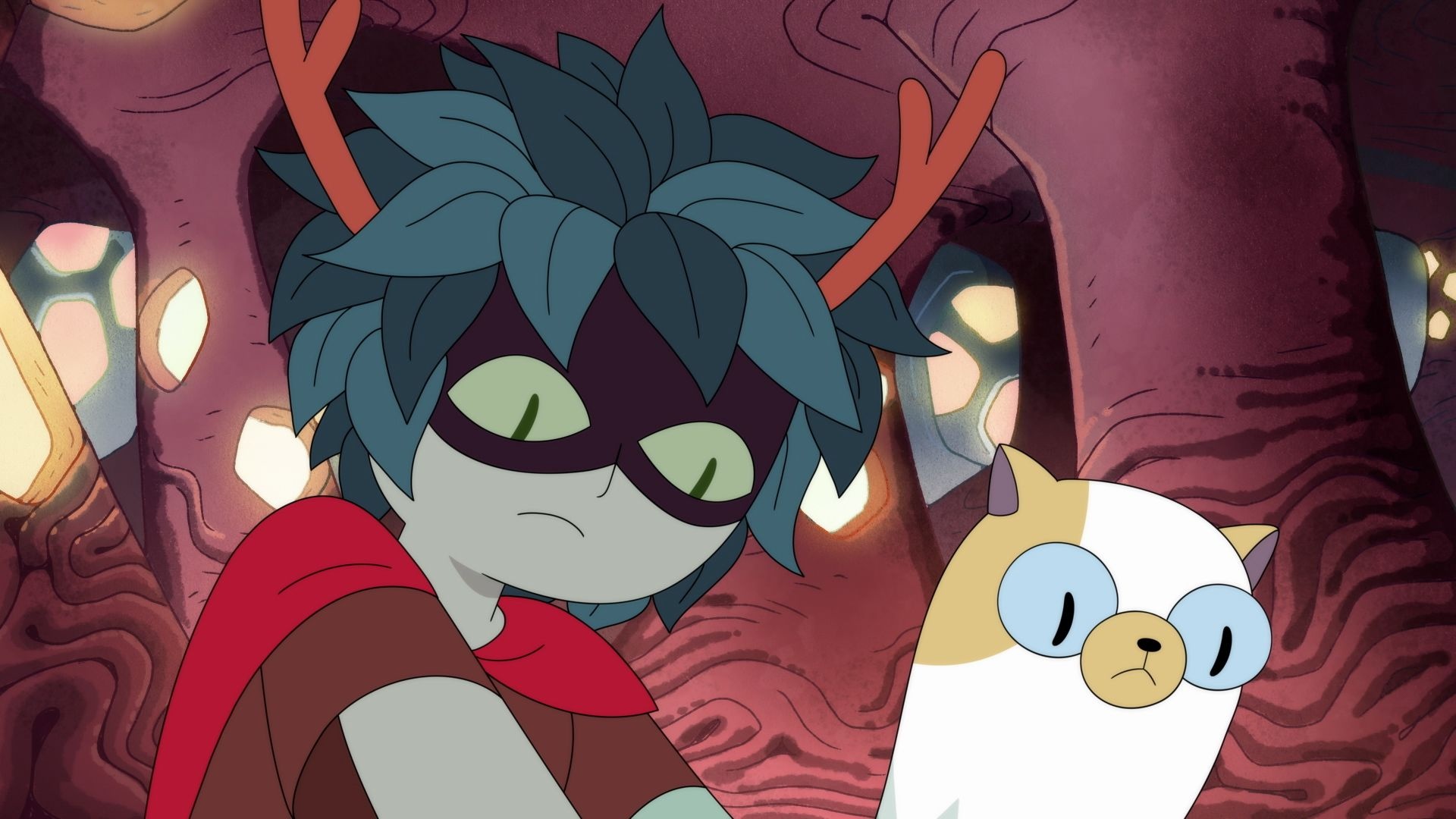
At the same time, the series does return to Ooo periodically. Muto says the team watched how often they cut back to the original setting and trimmed Ooo scenes when they started to feel like mere fan service. In short, the show aims to advance Fionna’s story first, while using Ooo moments only when they serve the plot.
“Whenever it felt like we were going to Ooo too often, that was usually a sign we had to bolster something in the Fionna-world side,” he says. “I think the risk is just to show old favorites and just say, ‘Oh, you missed these characters, let’s see more of them!’ In the end, it was easier to cut the Ooo stuff if it felt like it was encroaching upon what Fionna was doing.”
The future of Adventure Time
Season 2’s opening was developed with a different musical approach than season 1. Muto said the team moved away from a more synth-heavy temp and landed on a guitar-driven arrangement composed by Amanda Jones, who worked on Distant Lands and season 1 of Fionna and Cake. He described the edit and storyboard pacing as driving the final musical choice.
“We had a propulsive theme for the first season,” showrunner Adam Muto tells Polygon, “but obviously we couldn’t reuse a lot of the same visuals. It was not trying to copy that, but also not downshift it dramatically. A lot of it was driven by the storyboards that [director] Ryann Shannon did, and then once we had edited it in, we had a temp track, and it felt better if it was cutting a lot faster. That dictated what kind of music we ended up going with.”
He also commented on the freedom that came with moving the franchise to streaming. With fewer constraints from broadcast Standards and Practices, the team can explore more mature themes — but Muto says limits are often *self-imposed* to keep the show tonally consistent.
“A lot of it is less about how crass you can go, but more the stuff that you kind of intuitively do that usually got put in check by Standards and Practices notes, which were copious when you’re doing a six to 11 show, you wouldn’t even think about it,” Muto says. “Like if you wanted a character to draw blood, or go without a seatbelt, or stuff that seems sort of petty, but you spend so much time just in these long email chains discussing all this horse trading about what exactly you can do and what you can’t do. Removing that as a constraint was a lot more freeing.”
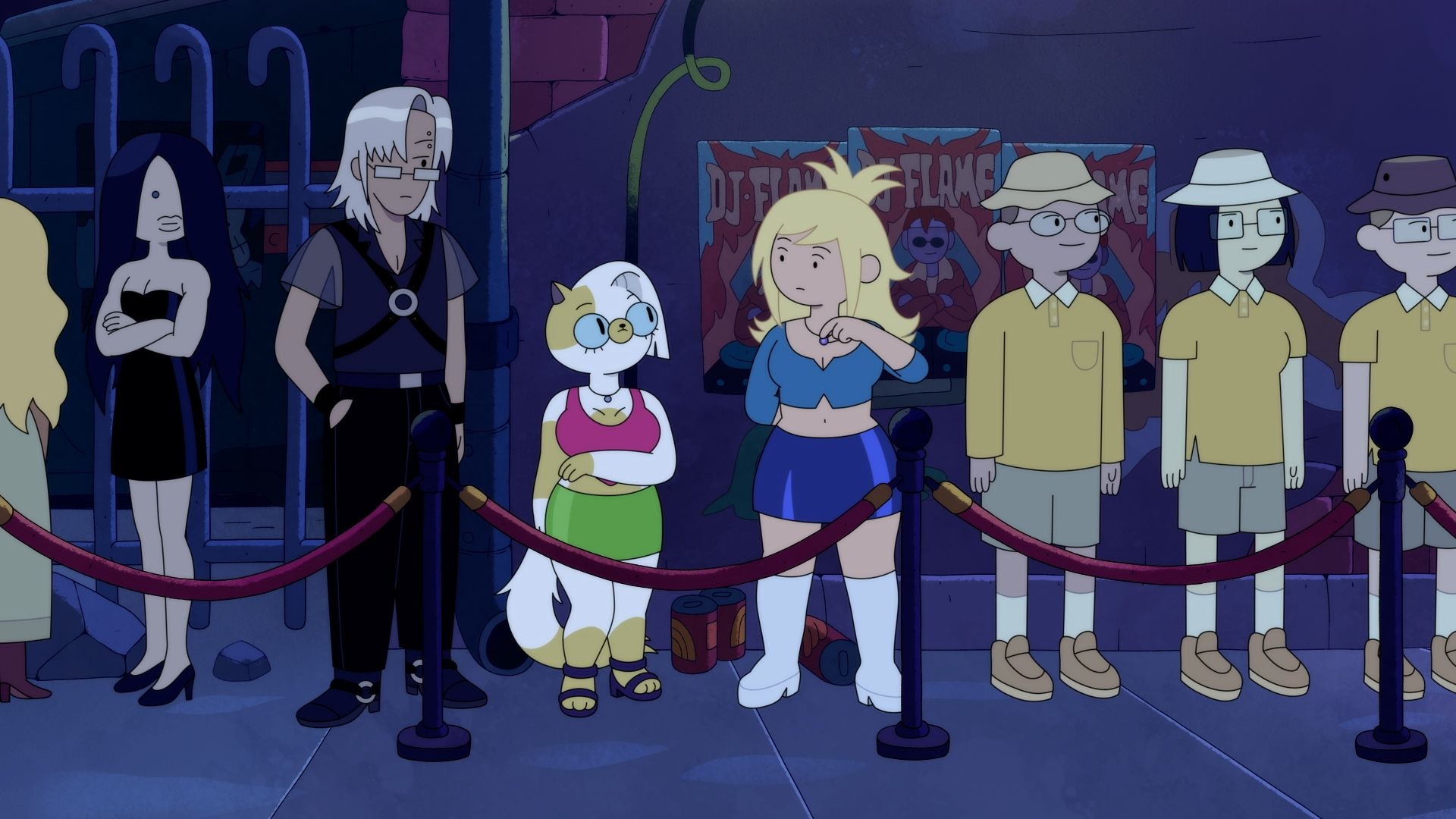
“The limitation is self-imposed,” he says “It’s like: ‘We can swear. Are we swearing too much? Does this feel off-show now?’ They could be completely foul-mouthed now, and that would technically fall under the rating, but that would feel like a different show.”
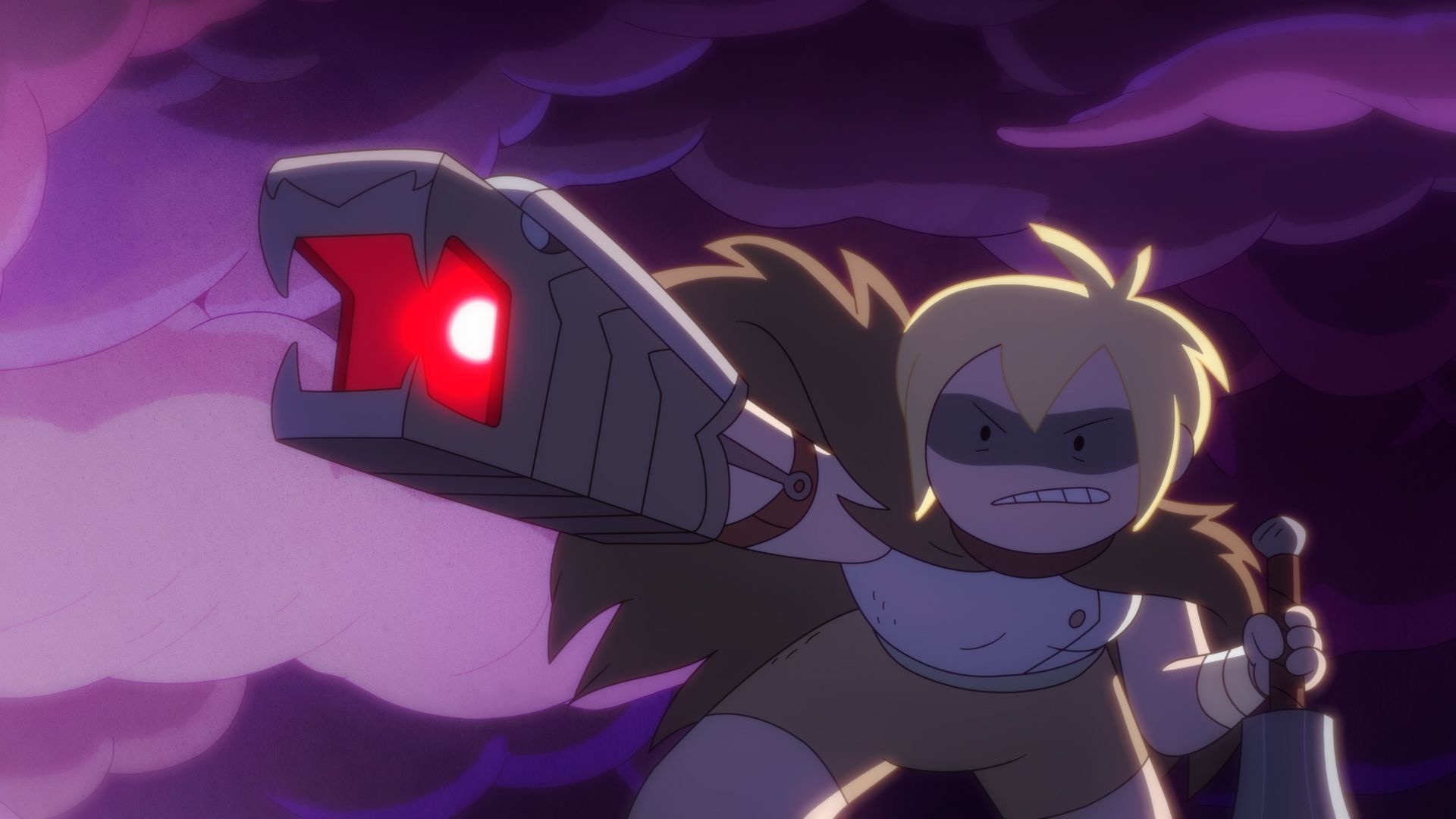
Muto also spoke about broader franchise plans and development realities. He noted that being part of Warner Bros. Animation makes it possible to pursue different formats — like a promised Adventure Time movie and the kids-focused cartoon Heyo BMO — but that development and approvals now take longer and require different kinds of greenlighting.
“Development takes forever — it takes even longer now,” he says. “Becoming part of WBA more officially has made it possible for the show to exist in different platforms and in different formats, because when we were the original series, there was no movie, there were no spinoffs. It was just linear, just make more episodes, and then eventually they decided they had enough episodes, and why make more?
“So it’s strange now to be in a situation where we can sell it to different platforms, and it can exist in different forms, but we still have to get permission and actually actively sell it as opposed to having Cartoon Network there as the sort of home. But yeah, at this point it’s just — things move a lot slower than maybe we’d like, and also things get announced way earlier than they probably should be, so I think it’s a combination of those two things.”
Finally, Muto previously spoke about avoiding repetitive retreads of Adventure Time stories in a 2024 interview with Deadline, and season 2 reflects that intent by balancing new, Fionna-focused storytelling with occasional returns to Ooo.
Practical notes: Fionna and Cake season 2 episode 1 is streaming now on HBO Max. New episodes arrive weekly on Thursdays.