From Harry Potter Fanfic to $3M Movie Deal: The Wild Rise of Alchemised
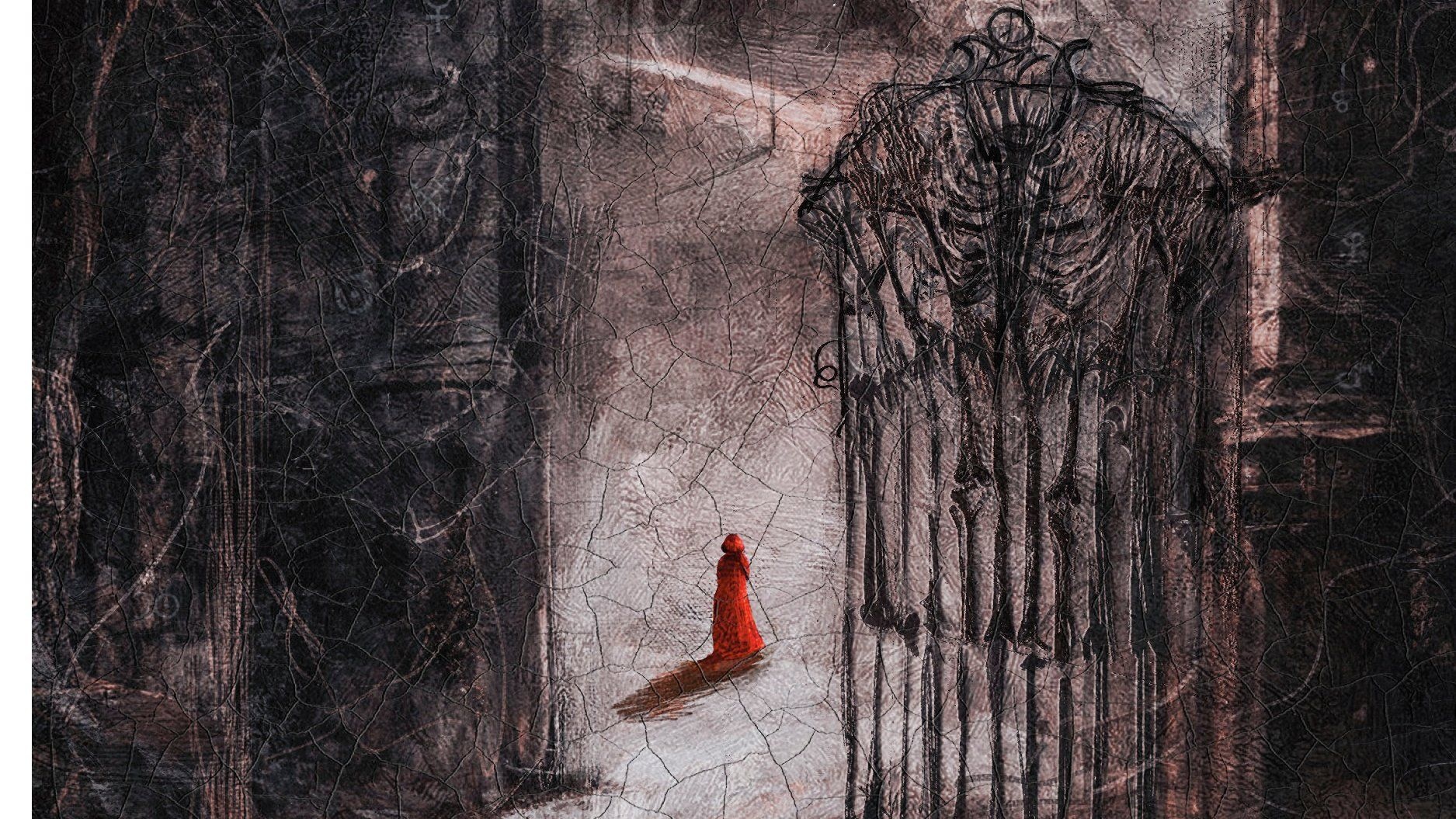
SenLinYu’s dark fantasy novel Alchemised exploded into the mainstream after debuting on the New York Times bestseller list in September, selling 300,000 copies in North America in its first week and reaching 1 million copies sold in the U.S. by early October. Meanwhile, Legendary reportedly bought the film rights for more than $3 million, and the book’s author originally built an audience through fanfiction. For more about the author, see SenLinYu’s site.
- Book success and film deal
- Fanfiction origins and early audience
- From Manacled to Alchemised
- Influences and worldbuilding
- Themes, content, and tone
Book success and film deal
Alchemised entered the New York Times bestseller list in September and posted rapid sales growth. Specifically, it sold 300,000 copies in North America during its first week, and reached 1 million U.S. sales by early October. Additionally, Legendary acquired the film rights, with reports stating the purchase was for more than $3 million. That acquisition was first reported by industry outlets, including a piece in The Hollywood Reporter, which covered the rights deal in detail.
Fanfiction origins and early audience
Before publishing Alchemised, the story began as fanfiction shared on the Archive of Our Own under the pen name SenLinYu. The original fanfic, titled Manacled, reworked J.K. Rowling’s world to imagine what would happen if Voldemort and the Death Eaters won. As SenLinYu recalled, “When I wrote the story, I was in what was considered a pretty niche fandom,” and the story grew from there. After the fanfic gained traction, parts of its distribution were commercialized without the author’s full legal recourse; in response, SenLinYu later posted about signing a book on their Tumblr.
For the author’s announcement, see this Tumblr post.
{manacled_20251014_203034.jpg}
From Manacled to Alchemised
Alchemised keeps some framing from Manacled but introduces an original setting and characters. Instead of Harry Potter characters, the novel sets its conflict between a religious group of alchemists called the Order of the Eternal Flame and necromancers known as the Undying. The book opens after the war’s defeat, with Helena Marino among the last survivors. She is sent to live with Kaine Ferron, a former classmate, so he can extract secrets from her mind — a setup that echoes the power-imbalanced dynamics of the earlier fanfic.
SenLinYu has pushed back against simple labels for the book, and also against comparisons to other fanfic-origin books. For example, they said, “People always want writers to be doing something solely out of passion. That’s literally what fanfiction writers are doing. They’re not looking for their marketability.”
Influences and worldbuilding
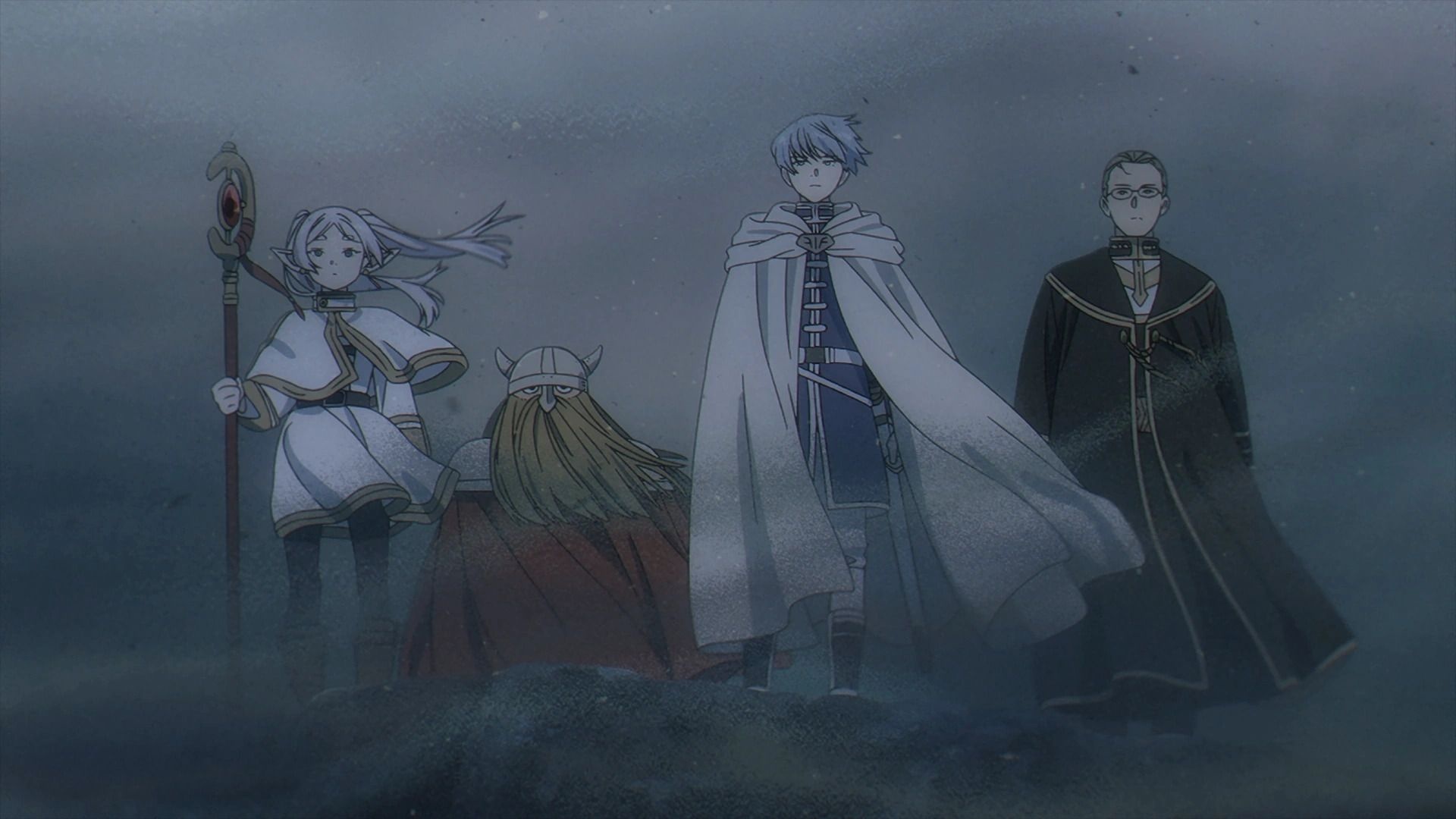
SenLinYu drew on a range of influences outside of the original Harry Potter framework. The author cited action and design elements from anime such as Castlevania, Fullmetal Alchemist, and Fate/Zero for combat and power ideas. In particular, the novel’s alchemy takes inspiration from Neo‑Platonic and Aristotelian concepts, which informed how the magic system treats gender and social roles.
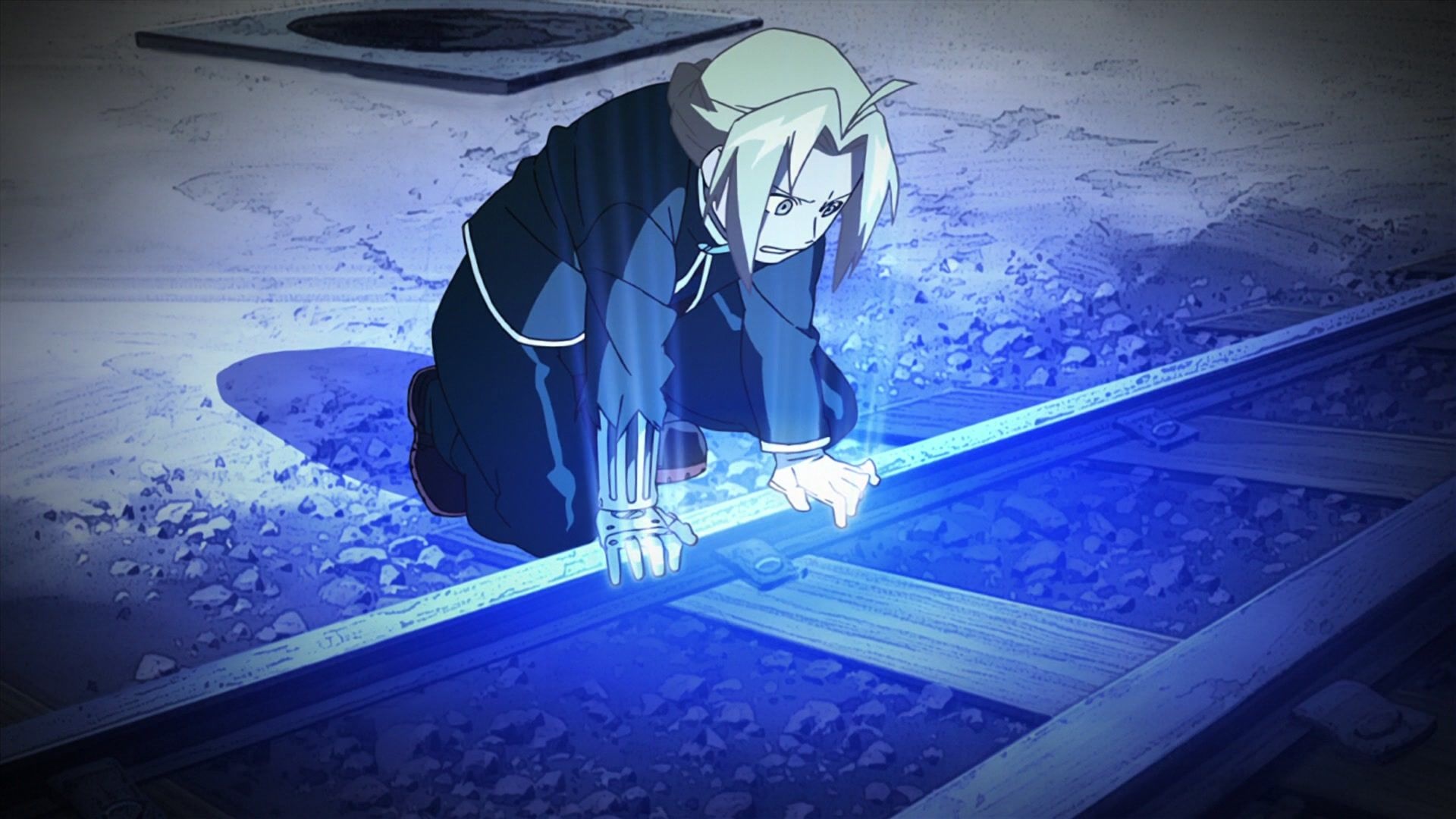
Because the story relies on older philosophical and mythological sources, SenLinYu incorporated sexism present in historic alchemical thought into the fictional Order’s laws and customs. Consequently, the setting is markedly more patriarchal than the relatively egalitarian environment in the Harry Potter books.
Themes, content, and tone
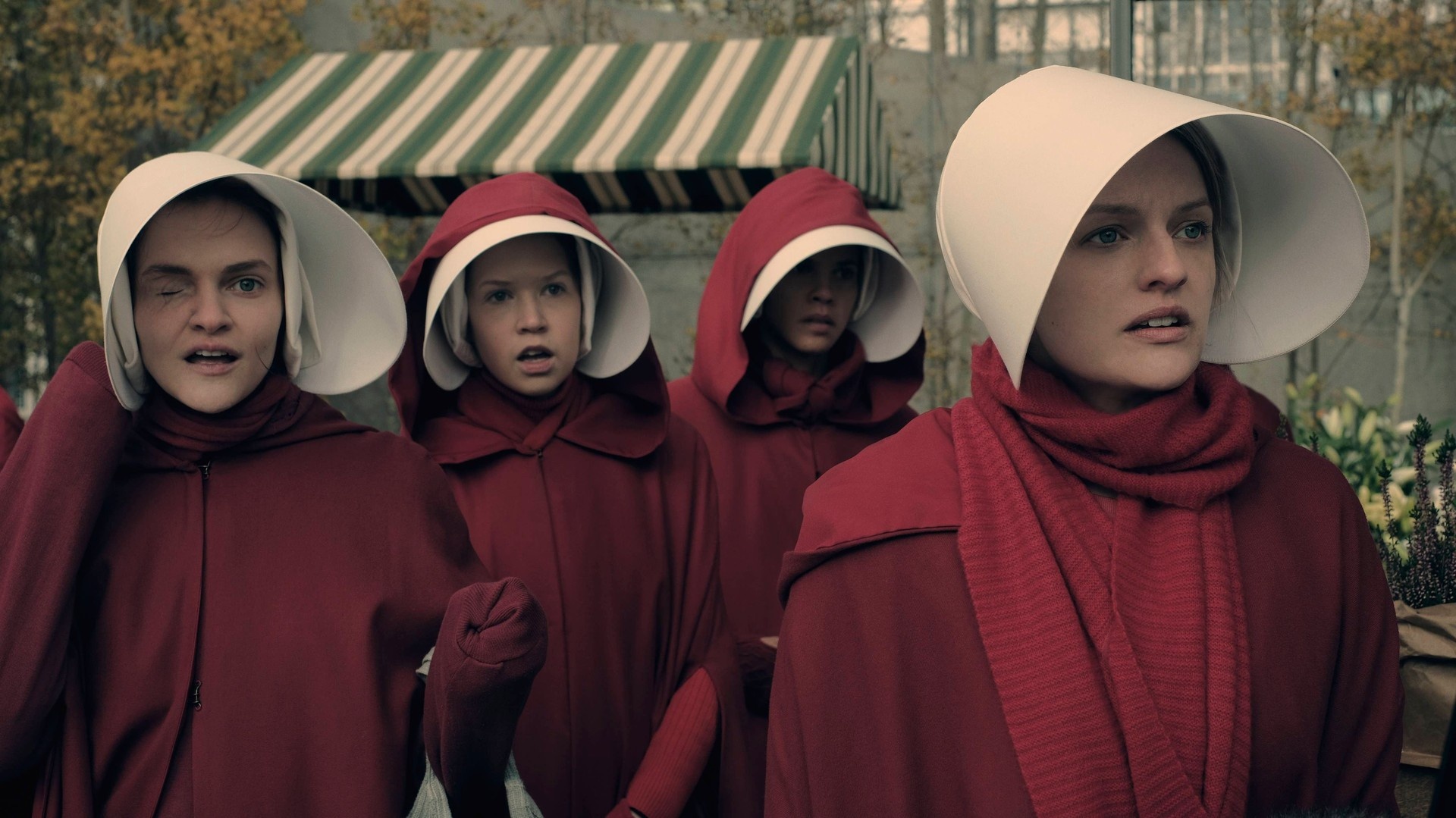
The book addresses dark topics explicitly. SenLinYu adapted a plot element inspired by Margaret Atwood’s The Handmaid’s Tale into an in‑world eugenics program: members of the Undying rape captive women to produce children with targeted alchemical affinities, intended as future hosts for necromancers. Helena’s rare affinities — animancy (mind manipulation) and vivimancy (manipulation of living flesh) — make her a target for forced participation, even as the Order permits her to heal their wounded.
On the book’s treatment of war and trauma, SenLinYu said, “We as a society are so obsessed with war. It’s something that’s constantly going on in the news,” and explained that the novel intends to engage with moral grayness and trauma rather than smoothing them over. The book uses flashbacks and fallen characters to build emotional weight for figures who are already dead at the start, following a structure similar to some contemporary anime narratives.