GDC Renamed Festival of Gaming for 2026 — Cheaper Tickets, Networking Hubs, and Five Expo Neighborhoods
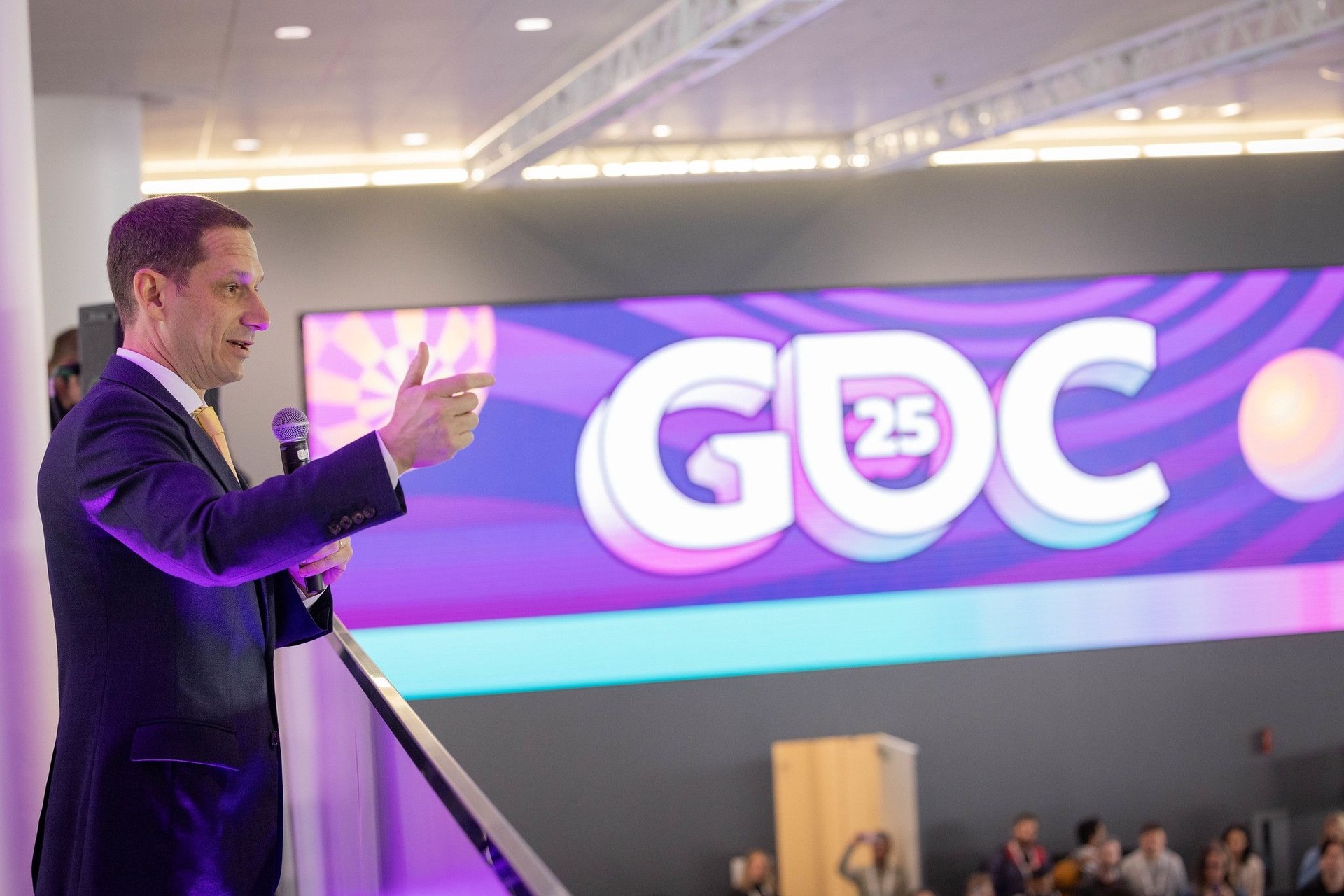
The Game Developers Conference is getting a new name and a new format for 2026: it will be called GDC Festival of Gaming and run March 9–13, 2026 around San Francisco’s Moscone Center. Organizers say the event will focus more on networking, lower some attendance costs, and reshape the expo into topic-driven neighborhoods.
- GDC Festival of Gaming 2026 — quick overview
- When and where
- Expo neighborhoods and focus areas
- Pass types and prices
- Who it’s aimed at and travel notes
- Talks, keynotes and planned experiments
GDC Festival of Gaming 2026 — quick overview
GDC is rebranding as GDC Festival of Gaming for 2026 and changing the event layout to emphasize in-person networking and deal-making, while keeping its technical talks and developer sessions. The organizers say the goal is to respond to how people now get information online and to make the live event more useful for face-to-face connections.
When and where
The Festival will take place March 9–13, 2026, in and around the Moscone Center in San Francisco. For the foreseeable future, the show will remain in San Francisco because organizers call the city “the center for game development in the U.S.,” though they also note the high local costs and say they’re working to balance that.
Expo neighborhoods and focus areas
Instead of one big, undifferentiated expo floor, the Festival Hall will be split into five themed “neighborhoods” to help attendees find what matters to them:
- Game development
- Future tech
- Indie and education
- International
- Monetization and player engagement
These neighborhoods aim to group similar exhibitors and sessions together, so networking and discovery are more focused.
Pass types and prices
Organizers simplified attendance options and introduced a lower-cost pass. The main options announced are:
- Festival Pass ($649) — Full-week access to sessions, Festival Hall, networking programs, and nightly celebrations. This pass is 45% lower than 2025’s All-Access.
- Game Changer Pass ($1,499) — Everything in the Festival Pass, plus premium seating and lounges, fast-track entry to keynotes/concerts/awards, access to the Luminaries Speaker Series, eligibility for GamePlan, and GDC Vault access.
- Digital Pass ($799) — Online-only networking during the event and on-demand GDC Vault access after the show.
- Application-based options — Support slots for early-stage indies, startups, and academia to widen participation.
Who it’s aimed at and travel notes
The Festival is framed to serve both ends of the industry. On one hand, organizers are explicitly courting studio heads, executives, and investors to create a space where deal-making is easier. On the other hand, the cheaper Festival Pass and application-based spots aim to help indies, students, and smaller teams attend.
Organizers also plan to reduce friction around in-city meetings—offering organized spaces instead of leaving attendees to book private hotel rooms—because many execs were hopping between hotels and meeting spaces across the city.
Talks, keynotes and planned experiments
Core developer talks and the Luminaries series will remain part of the program. However, organizers say they want to experiment with formats and topics, mixing up traditional sessions with more fireside chats, debates, and cross-discipline conversations about where engineering, art, sound, and production overlap.
Quoted directly from Mark DeLoura on the need for change:
“I’ve been involved with GDC since 1997 in various ways as an attendee, as an advisory board member, as somebody buying booth space for Sony back in the day. I think that the conference hasn’t really evolved a lot over the years. Of course, the content’s changed dramatically, but as far as the show itself, it’s still a bunch of talks and an expo floor. So it was due.”
He also noted attendee behavior and the reason for shifting emphasis:
“People get information online and they might go to conferences for different reasons.”
On solving logistical pain points for executives, DeLoura said:
“One of the big pieces of feedback I got from the studio heads I talked to was: I go from hotel room, somebody’s bedroom to over here in St. Regis, to one at the Intercontinental, so I’m running around the city and I’m going into people’s hotel rooms, which is kind of creepy. You guys could just give me a space. That seems like an easy one. So we’re trying to solve these sorts of things. The important part is that we’re talking to people and figuring out Why do you come? Why have you come? How can we help you make this a more valuable experience? We’re trying really hard to do that.”
On keeping the show in San Francisco while addressing cost issues, he said:
“San Francisco is the center for game development in the U.S. From that perspective, having [GDC] in San Francisco has always made a ton of sense. It’s been in Moscone for a while. Makes a ton of sense. But then you look at the cost and you’re like, Wow, that doesn’t make a ton of sense. So it’s a balancing act. We’re doing the things that we can do. One of those is dramatically reducing the price of the conference this year. Of course, people have got to pay for flights and hotels, and San Francisco’s not cheap. We’re going to do what we can on the front to try to make it more acceptable for people to come.”
Finally, on programming and topics organizers want to push this year:
“We’re looking at keynotes. [GamesBeat’s] Dean Takahashi does fireside chats and they’re always great. We should have more fireside chats. We’re talking about debates. We haven’t really quite figured out what the topics are for debates, but we should have debates. We’re all here, we should be able to have a discussion about things.”
“In terms of the structure of talks, that’s what we’re looking at, mixing it up, [adding] more variety. GDC is really the place we want people to come to be able to talk about what’s going on right now. AI is a thing that we’re always talking about. We did a lot of Web3 crypto stuff, and I think that’s sort of tailed off a bit over the years. We talk about the overlapping, cross-discipline, multidisciplinary stuff, which we’ve never done before. We’ve always said, OK, it’s engineering, it’s art, it’s sound. What’s the overlap between engineering and production? What’s the overlap between art and sound? Are there interesting things to talk about there? Finding the right people to address [people] who live in those spaces and can share with the community, I think is going to be a big part of this year.”
In short, GDC Festival of Gaming 2026 aims to keep the conference’s learning and history while reshaping the show floor and pricing to better suit networking and deal-making—yet still leave room for indies and students. The event will act as a test of this new format, and organizers say more experimentation is planned if the changes succeed.