Ghost of Yōtei Makes Exploration Fun Again — Cute Foxes, Wolf Battles, and Traveler’s Maps
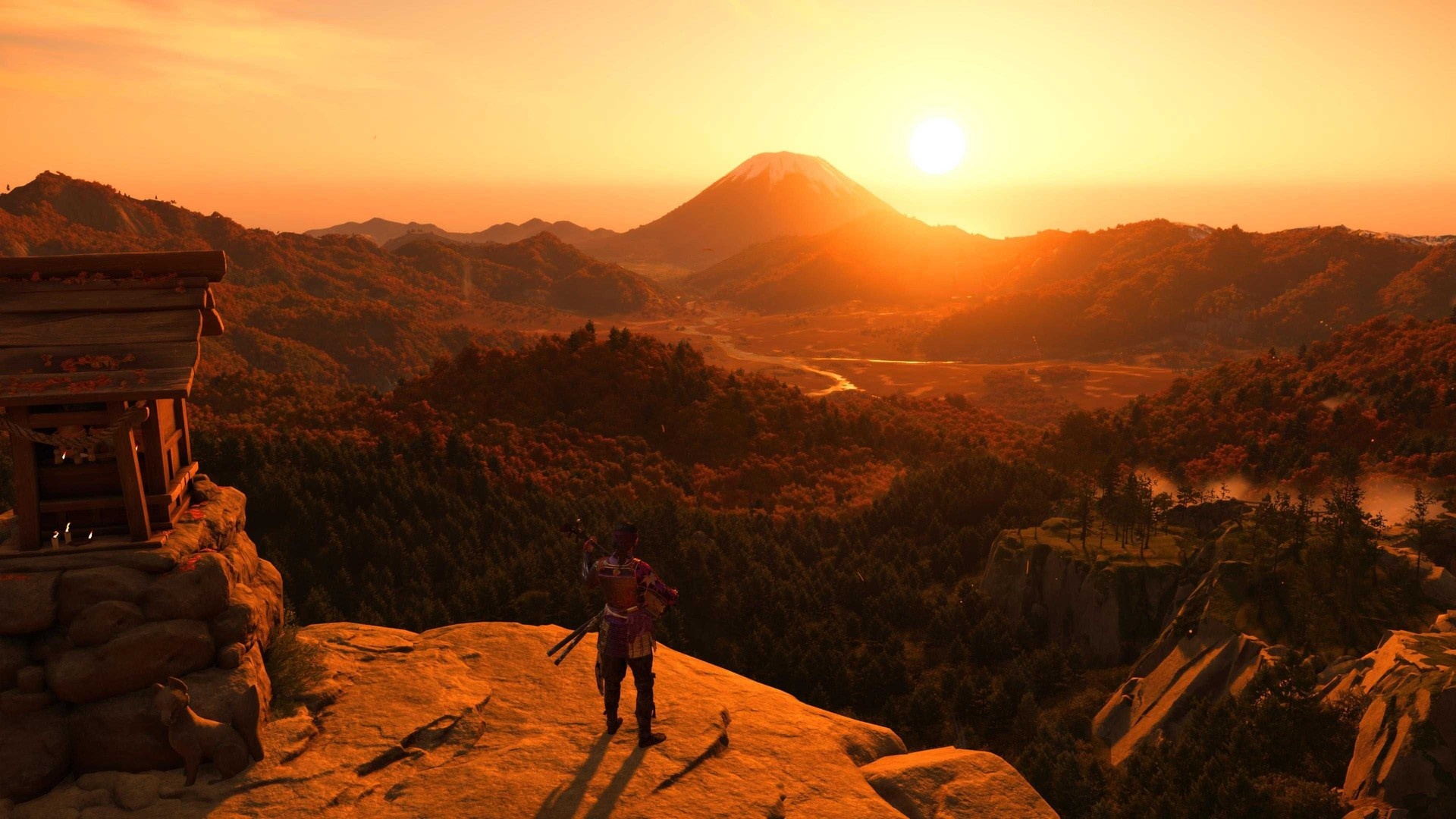
Ghost of Yōtei, developed by Sucker Punch Productions, leans heavily on open-world exploration and a set of familiar design choices while adding specific mechanics and encounters that change how players discover its world. A reviewer spent about 18 hours with the game and reported a mix of standard open-world systems and some notable variations, such as animal-led side objectives and a memory-based time-travel mechanic.
- Open-world design and influences
- Encounters and animal interactions
- Progression: Altars of Reflection and skill trees
- Maps, traveler’s maps, and discovery
- Memory mechanic and story context
Open-world design and influences
Ghost of Yōtei uses many conventions found in modern open-world games. For example, it includes parkour routes, regional collectibles, and enemy outposts. Moreover, the game’s structure is influenced by mechanics common to Ubisoft-style open worlds, which focus on points of interest and emergent encounters. However, Sucker Punch adds specific twists to those conventions rather than removing them entirely.
Encounters and animal interactions
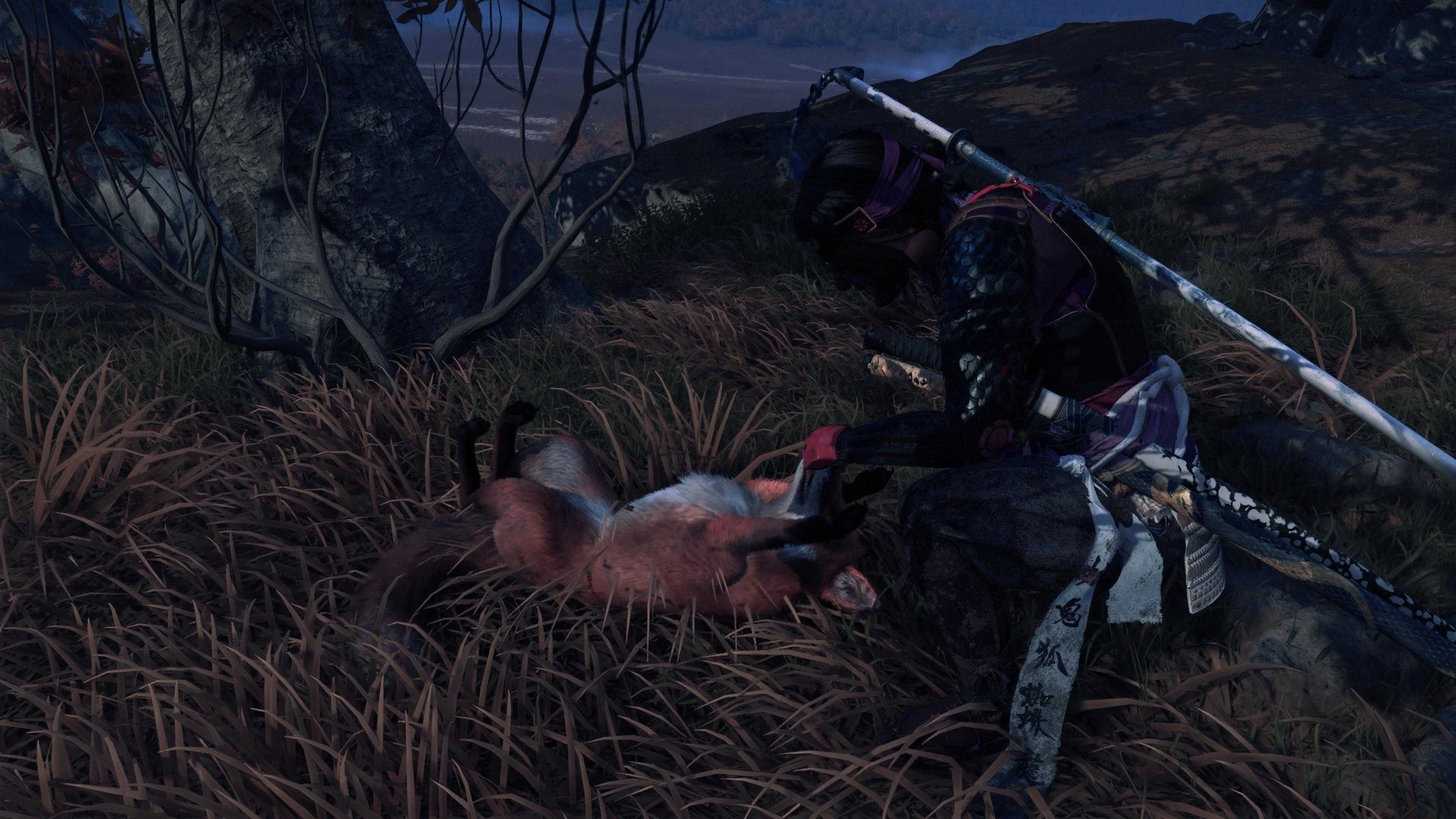
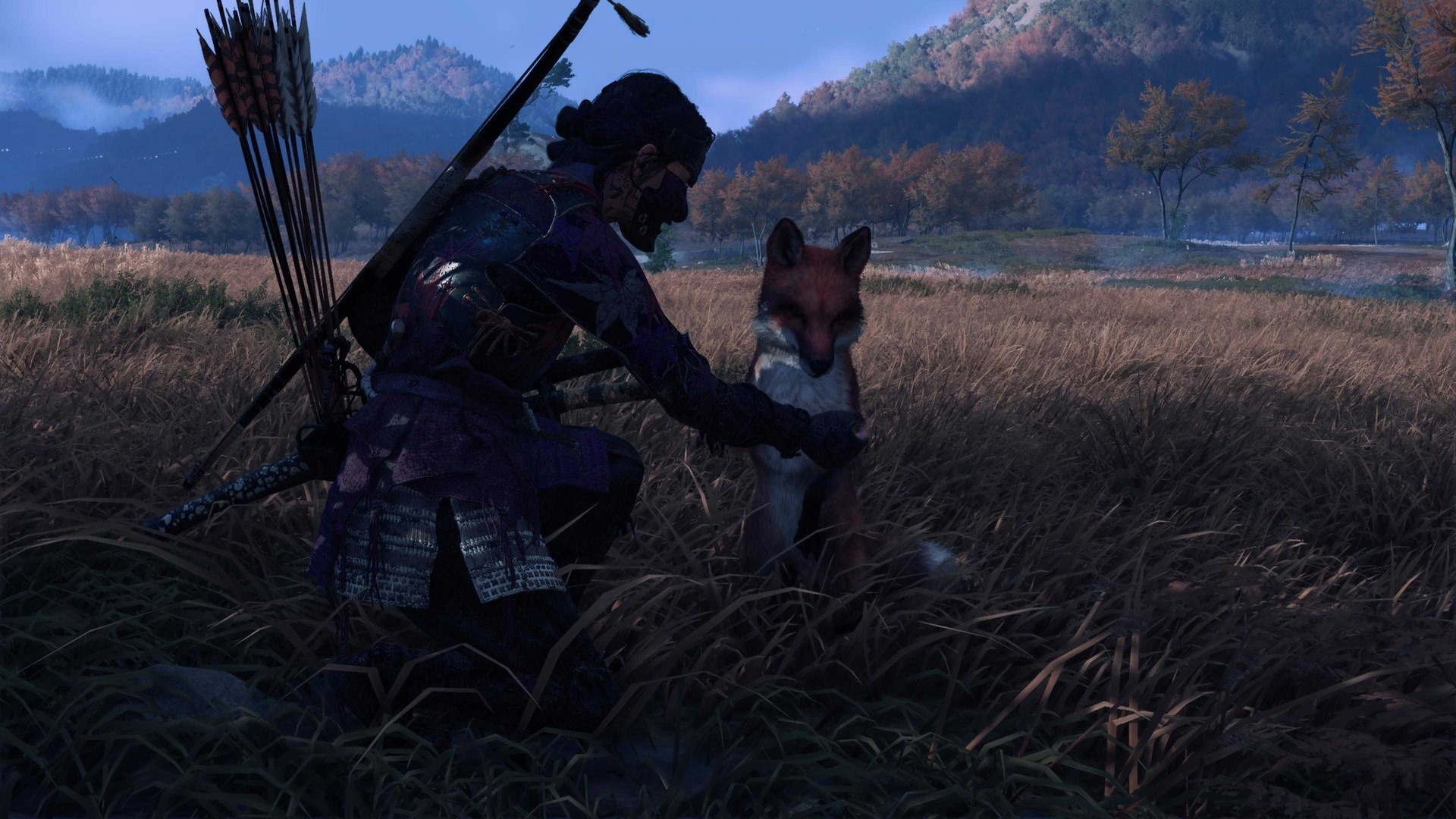
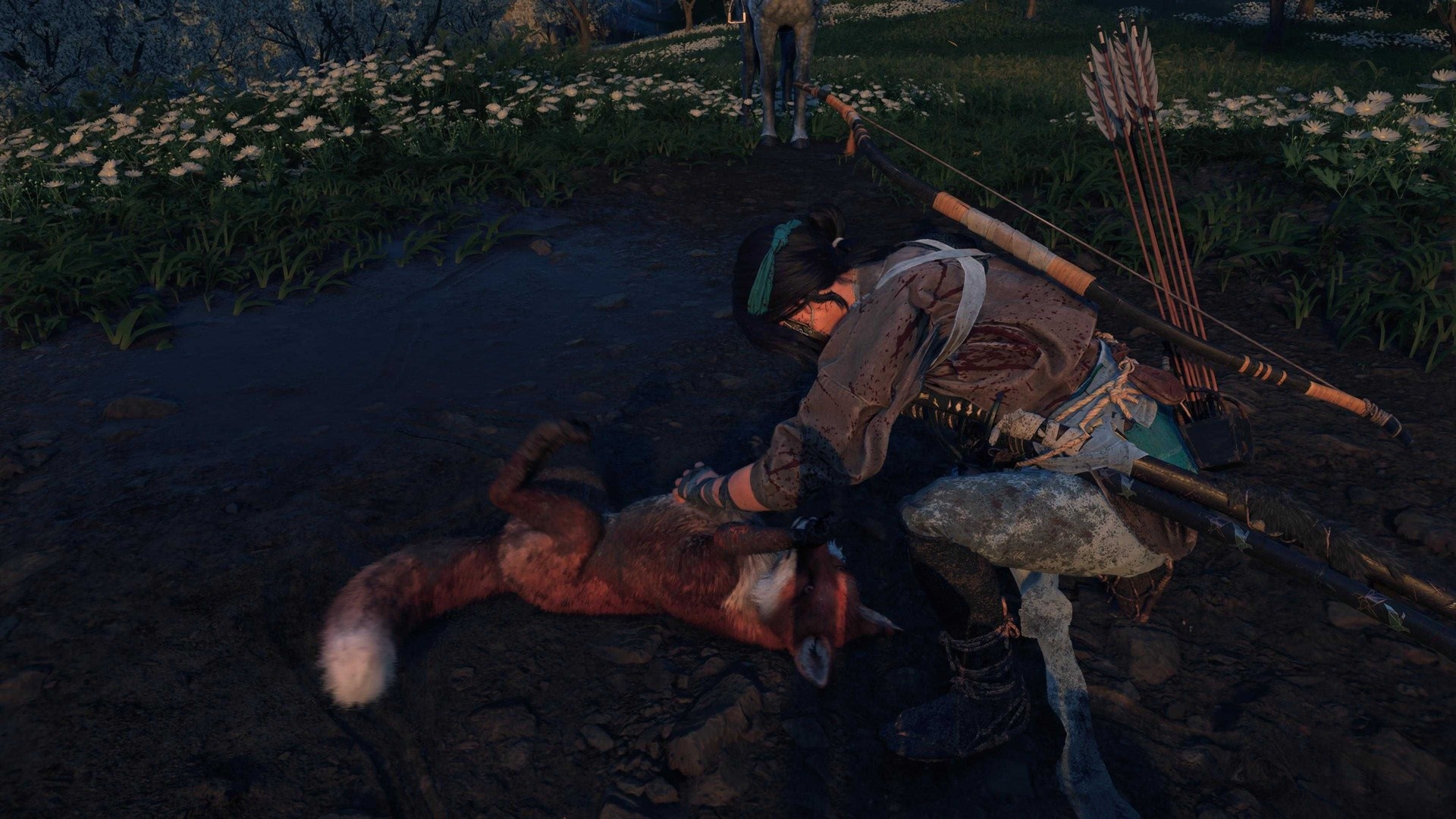
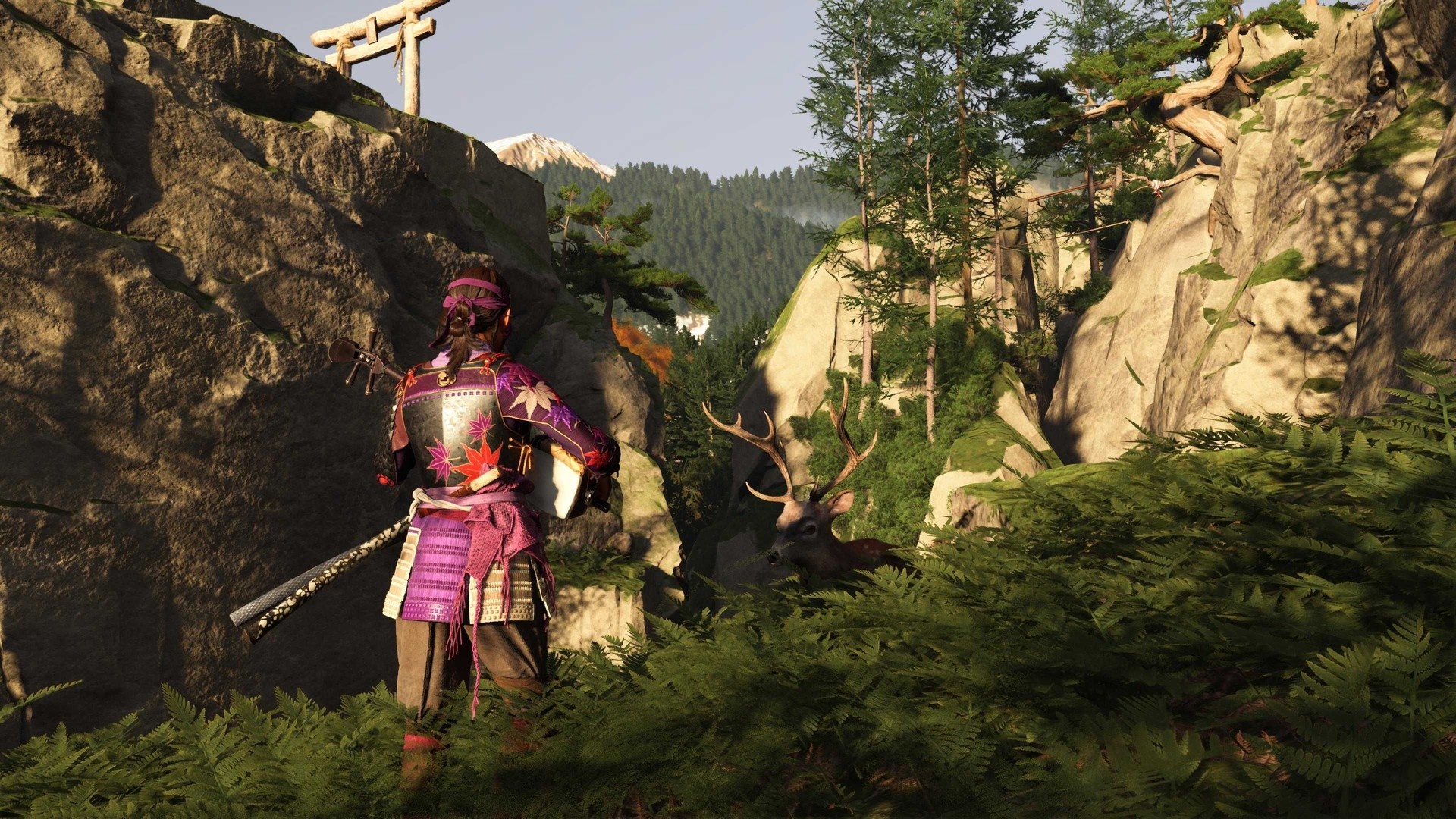
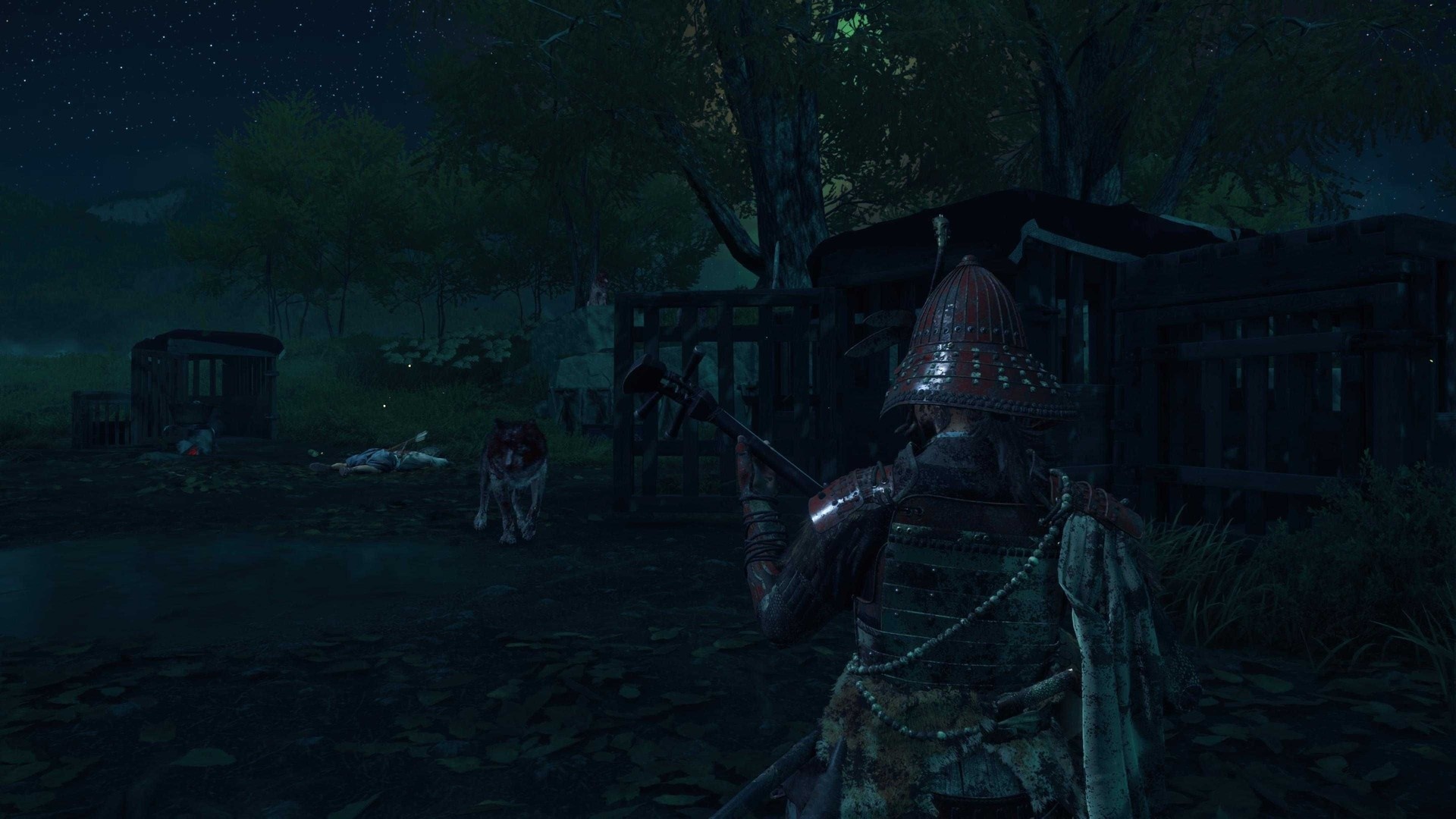
The game features animal-guided objectives: foxes lead players to fox shrines, and wolves can lead to wolf dens or trapped pack members. In practice, a player following a fox may be directed to someone trapped by a rockslide, then to another fox, and finally to the shrine itself. Similarly, rescuing wolves can involve multiple combat waves, with an additional enemy wave appearing after initial cages are unlocked.
Progression: Altars of Reflection and skill trees
Altars of Reflection are scattered across the map and grant new skills when accessed. These altars are typically isolated in natural settings, and they unlock abilities across multiple skill trees. For instance, one described encounter placed enemies at an altar because a named antagonist’s forces anticipated the player would visit that site, which created a guarded shrine situation.
Maps, traveler’s maps, and discovery
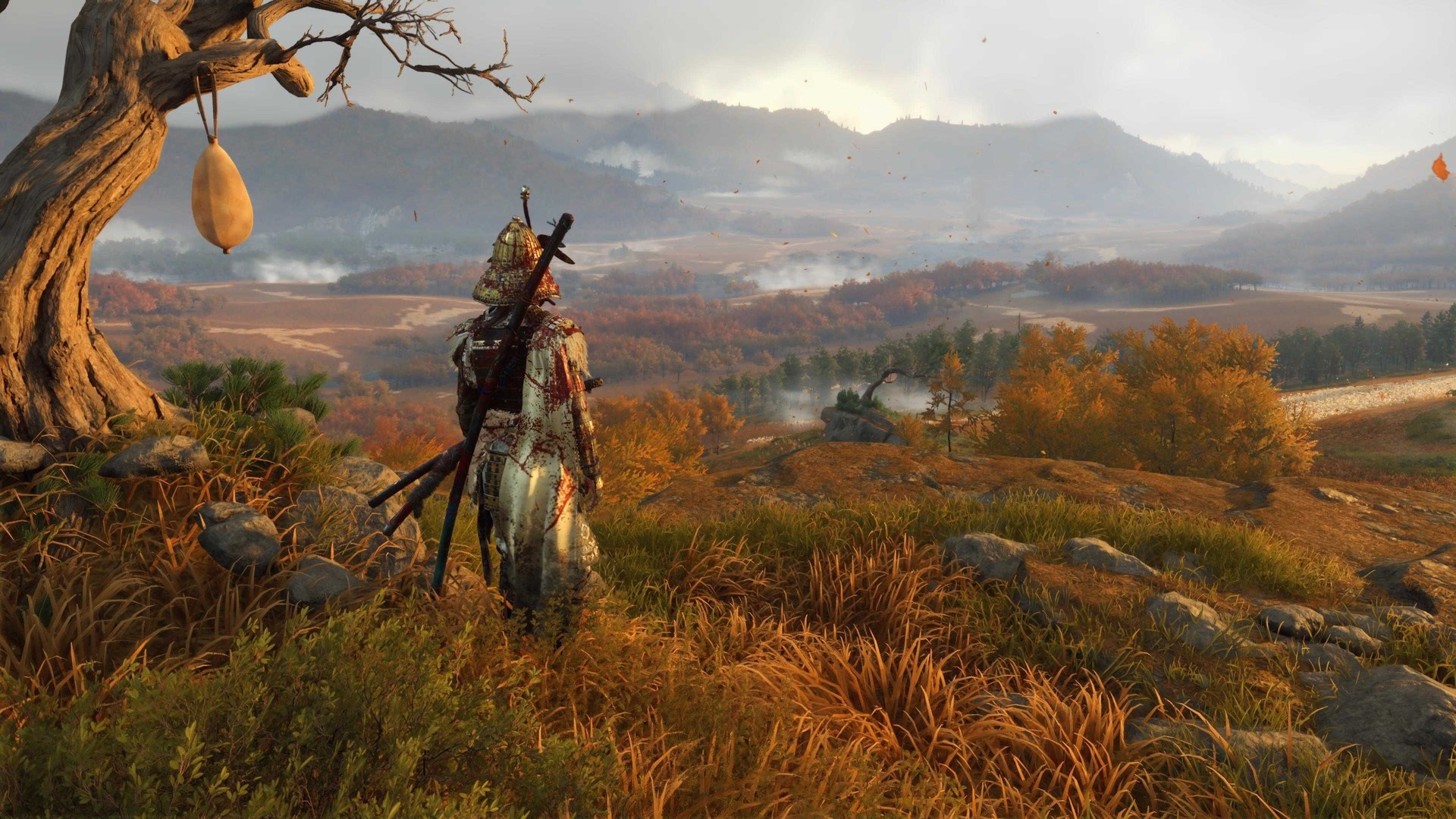
Instead of the usual climb-a-tower-to-reveal-the-map approach, Ghost of Yōtei introduces traveler’s maps. Players obtain these maps from NPCs or by investigating points suggested by people at inns or while wandering. Then, the player must place the traveler’s map on their in-game map to reveal the location. This requires a form of basic cartography and therefore changes the act of discovery.
Memory mechanic and story context
The game includes a time-shift memory mechanic tied to locations. Holding the controller’s touchpad in certain familiar places transports the player to past events that occurred at that site. These memory sequences are used to provide background on the protagonist, Atsu, and to show how specific locations used to be different. For example, one memory sequence lets players play a childhood bow-and-arrow game with Atsu, while another explores a garden she visited with her mother.
Additional notes from the reported session
The reviewer noted that the main story remains present and that they have been meeting supporting characters and antagonists during play. Also, the reviewer described a non-combat interaction in which the player character uses a shamisen to interact with animal companions after combat encounters. Finally, the reviewer contrasted Ghost of Yōtei with titles like The Legend of Zelda: Breath of the Wild and Elden Ring, stating that Yōtei does not attempt the same kind of open-world reinvention.