Ghost of Yōtei’s Atsu Shines in Cutscenes — but the Open World Keeps Her on Pause
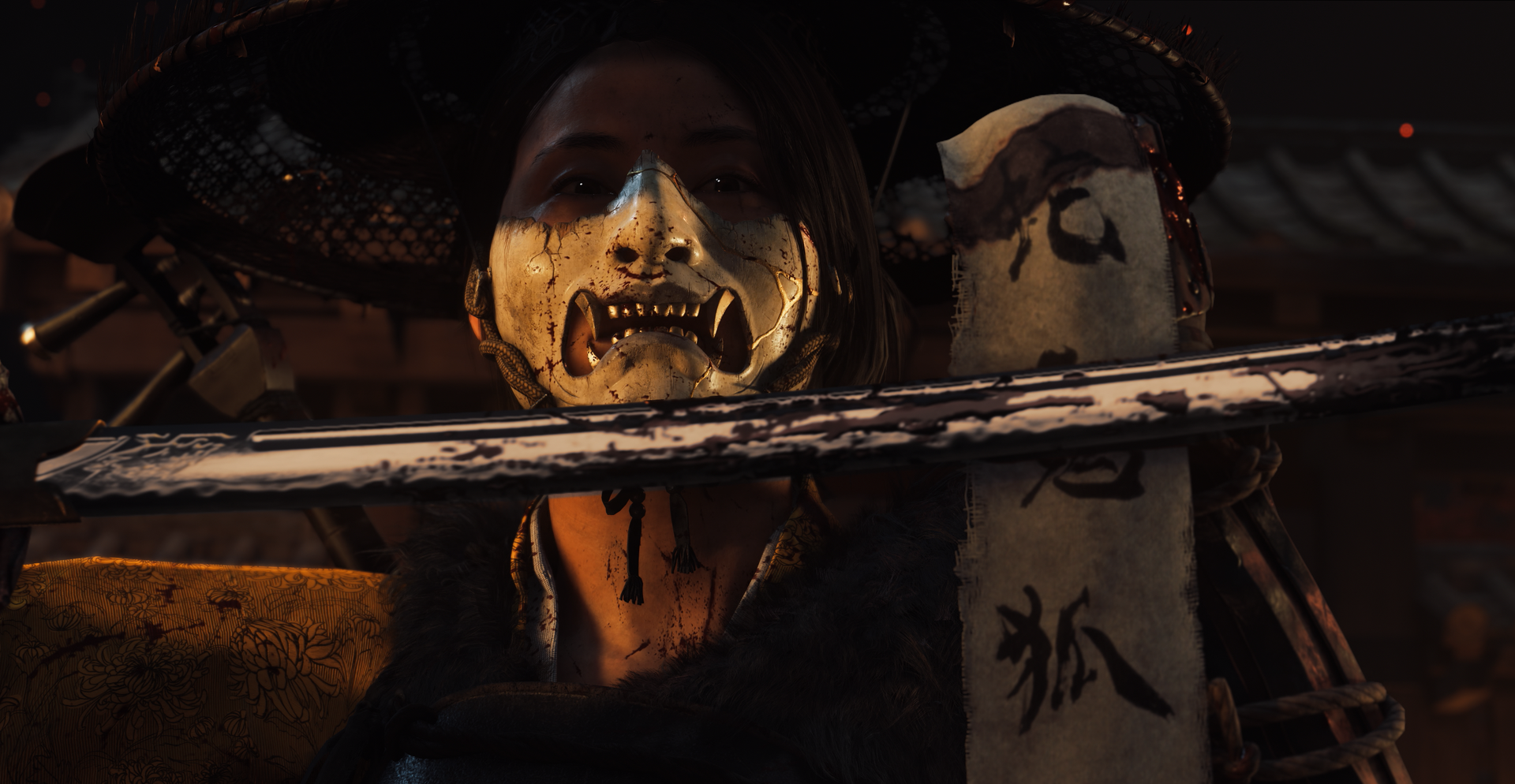
Ghost of Yōtei, the samurai sequel to 2020’s Ghost of Tsushima, presents a central character named Atsu who appears differently depending on where you meet her in the game. Erika Ishii provides the voice acting for Atsu, and the game frames her main arc through directed cutscenes while open-world moments often return her to a neutral, default state.
Atsu in cutscenes
In the game’s cinematic moments, Atsu is shown as a layered protagonist. Specifically, cutscenes present her backstory: her family was killed when she was a child, and she is driven to pursue the masked killers known as the Yōtei Six. Over the course of the main story, those cutscenes depict a visible arc in which she moves from intense grief and a desire for revenge toward the possibility of a life beyond that grief.
Atsu during open-world play
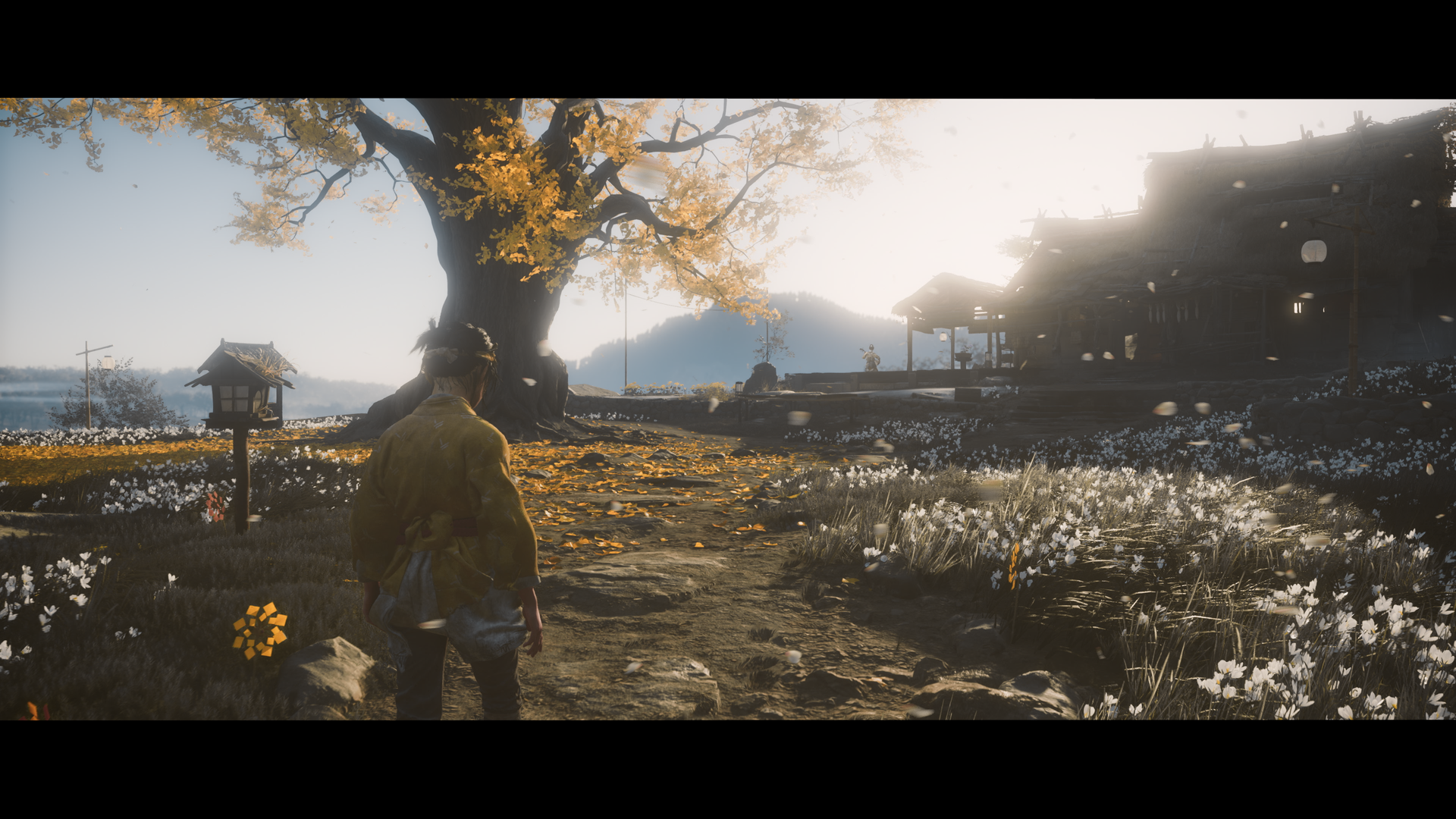
However, during free exploration and optional activities, the game generally presents Atsu in a consistent, calm default state. For example, when players accept sidequests or talk to NPCs outside the main story path, Atsu’s optional dialogue does not typically reflect where she is in the main narrative. As a result, the emotional changes shown in cutscenes are not always mirrored in moment-to-moment gameplay.
Concrete examples you can see in play
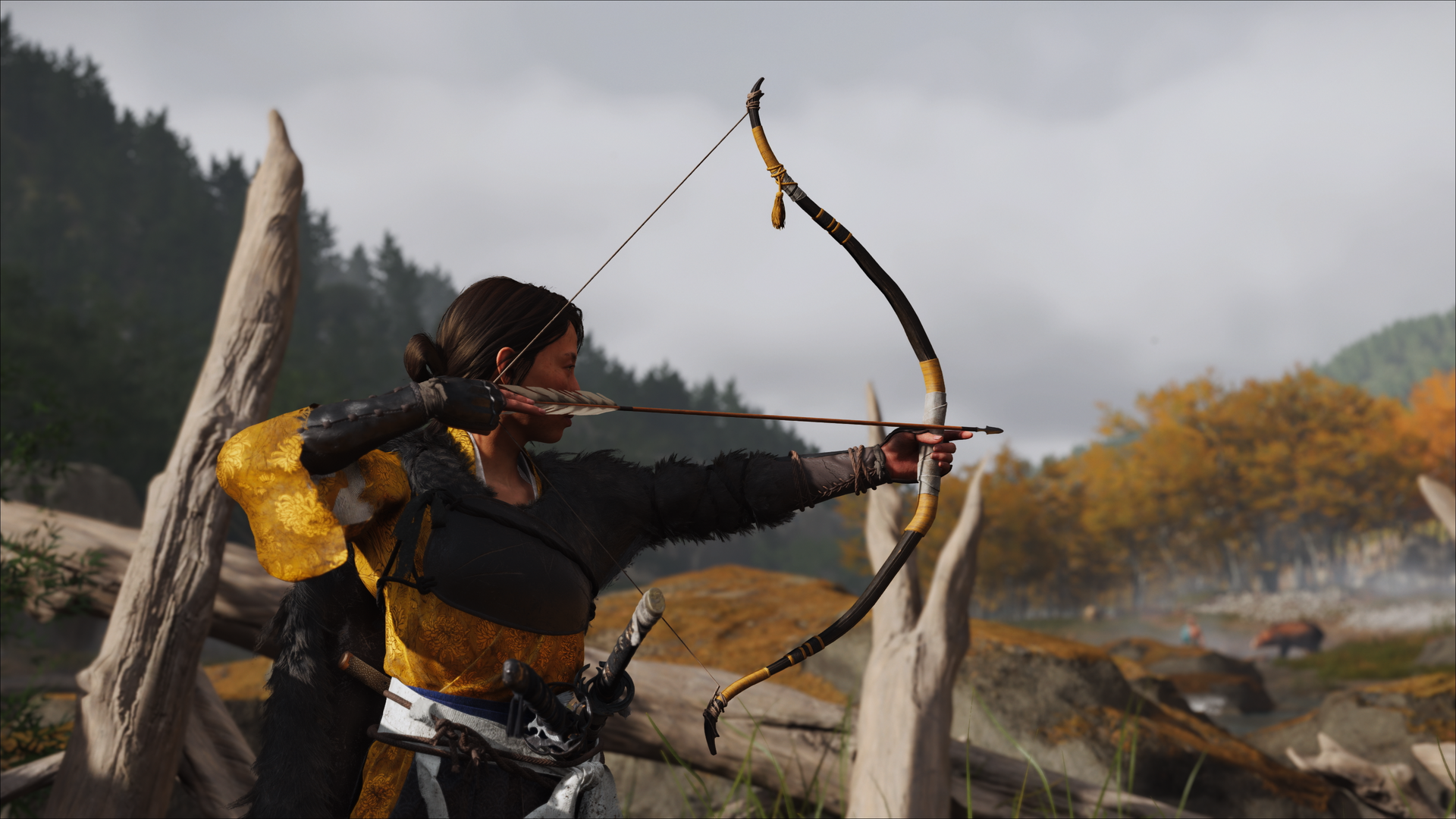
Sidequests and optional NPC interactions repeat the same cues regardless of story progress. Therefore, if a player completes a major confrontation and then takes an early-game side mission, NPCs and optional dialogue will usually behave as if that main event had not occurred.
Genre constraints and technical choices
Open-world design requires non-linear access to content, and that creates practical limitations. Specifically, when missions and locations are accessible at many different times, developers often use static states for characters and environments so quests remain playable in any order. That design choice reduces the number of permutations the game must handle, which has implications for how a protagonist like Atsu is presented outside scripted scenes.
Comparable design approaches
Other large-scale games use similar methods. For instance, some role-playing titles employ choice-driven dialogue to make world states react to player decisions, while many big-budget open worlds keep a tighter, directed narrative for key story beats and rely on static or reusable dialogue for optional content.
What this means for players
For players, the effect is straightforward. You will see a strong, evolving portrayal of Atsu in cutscenes, and a more neutral version of her during exploration and side activities. Consequently, the full emotional arc of the character is concentrated in scripted sequences, while gameplay moments use a consistent default presentation so the open world remains functional and coherent.
In short, Ghost of Yōtei separates its tightly directed story moments from its open-world interactions, and that separation shapes how Atsu appears throughout the game.