Good Boy director explains the ending — why Indy chooses life over the darkness
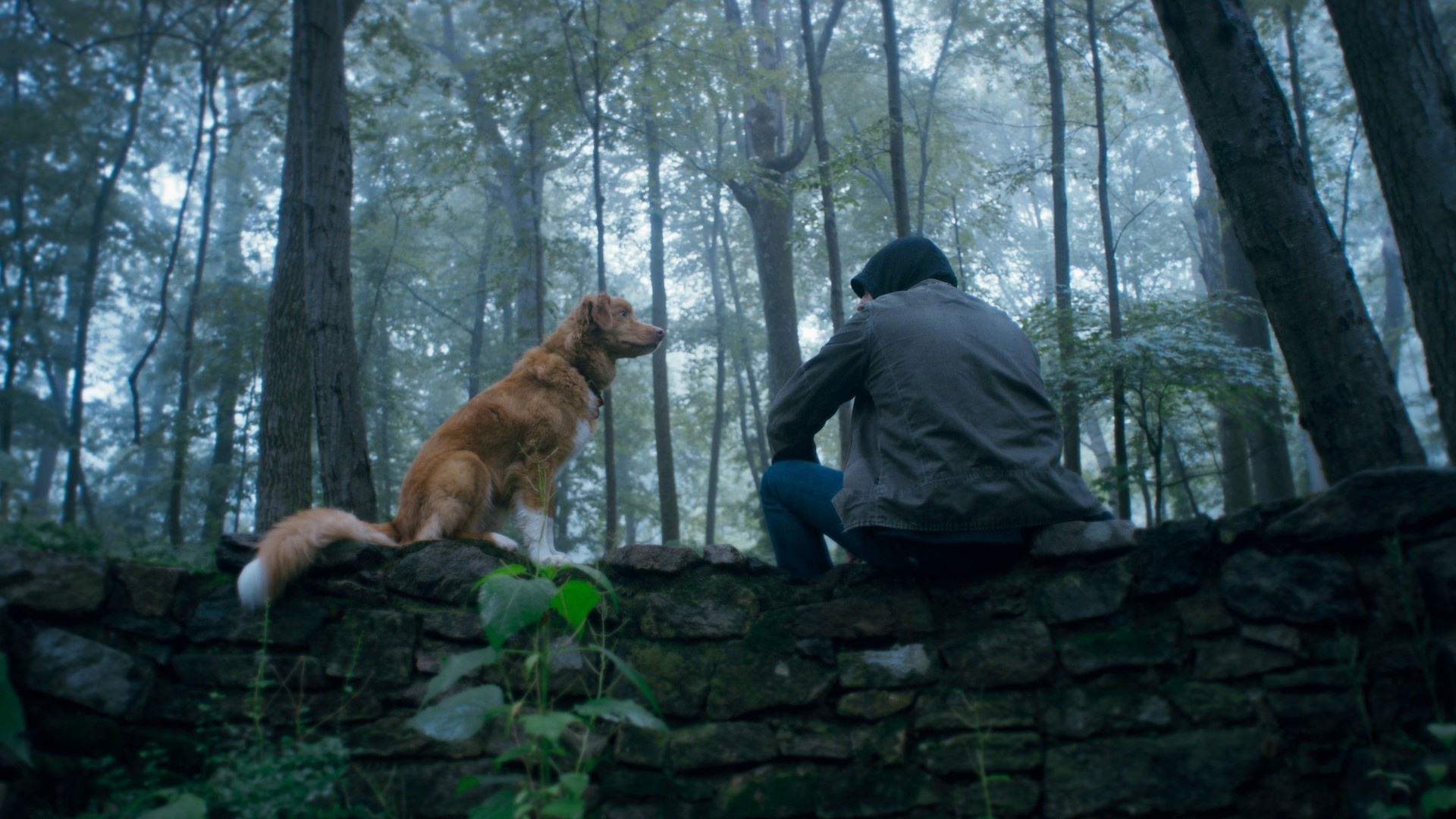
Good Boy, a small haunted-house movie directed by first-time filmmaker Ben Leonberg and starring his real-life Nova Scotia Duck Tolling Retriever Indy, has turned into one of 2025’s surprise indie hits. The film grossed more than $2.25 million in its opening weekend on a $2.3 million budget, and it opened to widely positive reviews.
Plot summary
Good Boy follows Indy and his owner Todd (Shane Jensen) after they move from the city to Todd’s late grandfather’s country house. Soon, Indy begins to sense strange, supernatural phenomena — shadows, ghostly presences, and unexplained sounds — that humans don’t perceive. Todd’s behavior changes as his health declines, and Indy’s loyalty becomes the emotional core of the film.
Ending explained
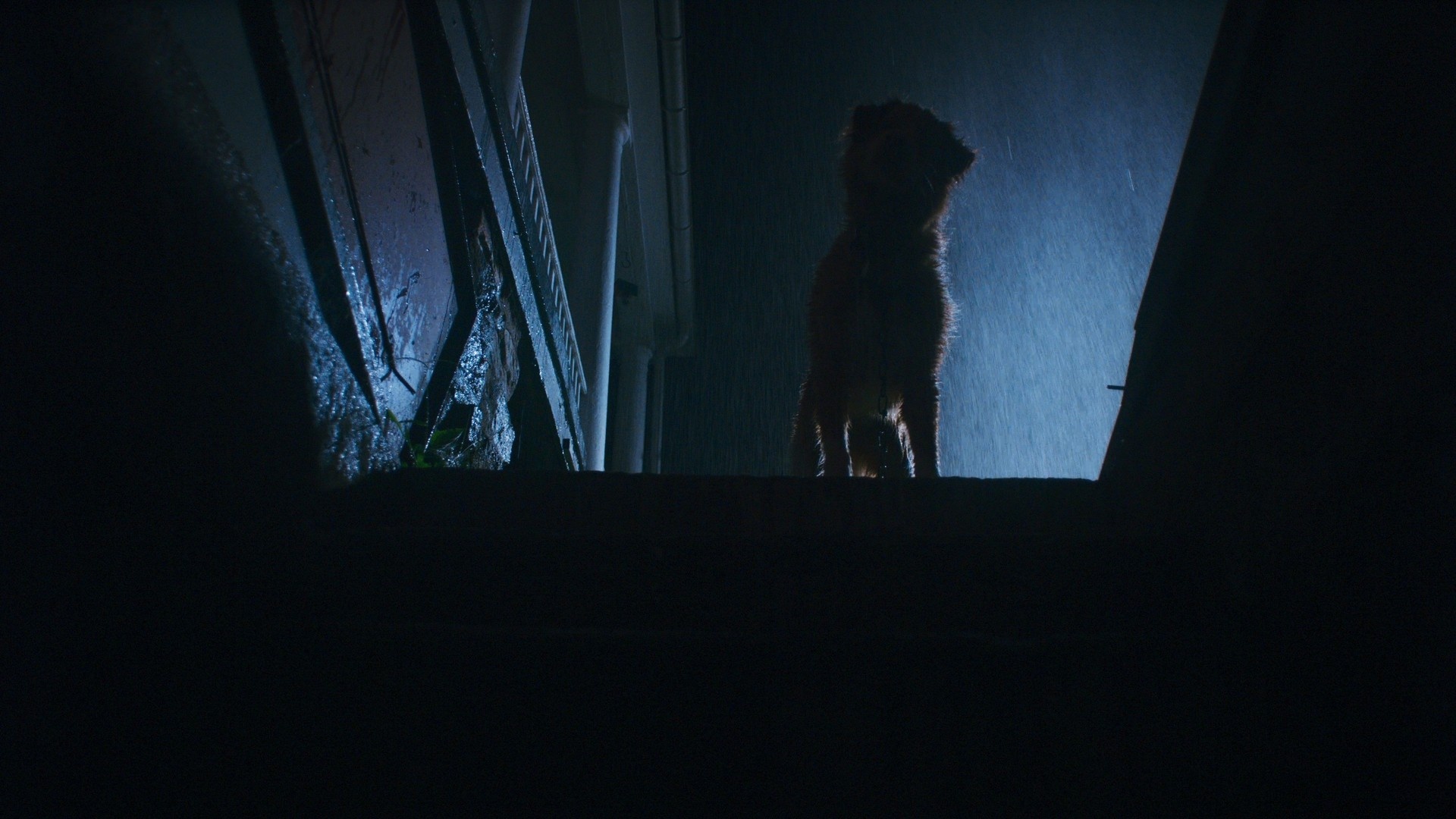
In the film’s final sequence, Todd is overtaken by a dark force and is carried to the basement. Indy follows and tries to pull Todd back, but Todd is “too far gone.” Covered in black gunk, Todd tells Indy he’s a good dog but that he “can’t save him” and that Todd’s “gotta stay here.” Todd then melts into a skeleton and fades into the darkness, leaving Indy behind with the basement doors closed.
Moments later, Todd’s sister Vera opens the basement doors while searching for her brother and the dog. At that point, Indy faces a choice: remain in the darkness with his lost owner, or leave with Vera and continue living. Leonberg’s staging and the final cut show Indy leaving with Vera in the credits, which the director interprets as Indy choosing life over grief.
Director’s words (quotes)
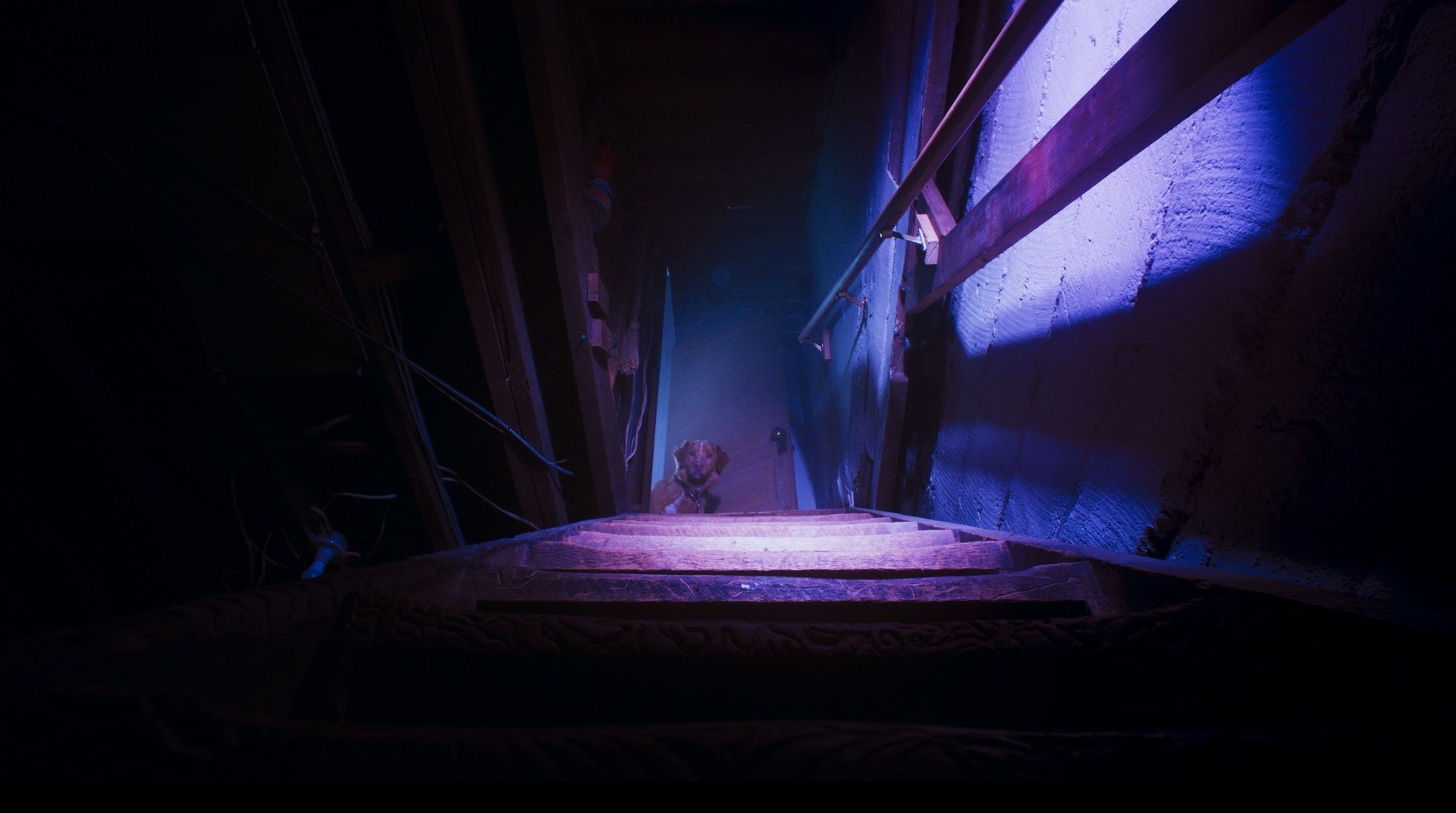
Ben Leonberg explained his view of Indy’s moment and the film’s ending in an interview. He said, “I always looked at it as, Indy’s at a crossroads. His owner has not been able to escape his fate. And Indy is kind of waiting, and could choose to stay there forever, in that house.”
He added, “With the sister showing up, it’s the final choice: ‘Do I stay in the darkness, or do I go into the light?’ Ultimately, he chooses to go to the light, and we see that in the credits, essentially, that he’s going off with Vera. So I always look at it as a happy ending — that there’s more life ahead for Indy’s character.”
On a broader level, Leonberg said, “This story is an inversion of how most people learn about death,” and he continued, “[Good Boy] just imagines the shoe being on the other foot. What would it be like for a dog who is sensing an ever-growing, closer and closer, invisible, dark force? What would that story be like for them?”
Themes and genre shift
Leonberg frames the film as a twist on familiar haunted-house tropes. Instead of centering human reflection on mortality, the story is told through a dog’s perceptions. Therefore, the film asks what grief and the unknown look like from a nonhuman viewpoint. The director describes this *inversion* as central to the movie’s meaning.
Reception and marketing
Critics responded positively and audiences showed up: the film’s opening weekend box office was strong relative to its budget. In addition, the movie’s marketing leaned into a simple, emotional hook — viewers want to know whether the dog survives — which helped build word of mouth. For more on that angle, see a write-up about the film’s point-of-view marketing on IndieWire.
Overall, Leonberg’s public explanation makes the ending clear: Indy’s final action is a choice to keep living, and the director presents that as a hopeful conclusion rather than an ambiguous one.