Greg Daniels Finally Explains Upload’s Finale: The AI Singularity, Two Nathans, and Nora’s Choice
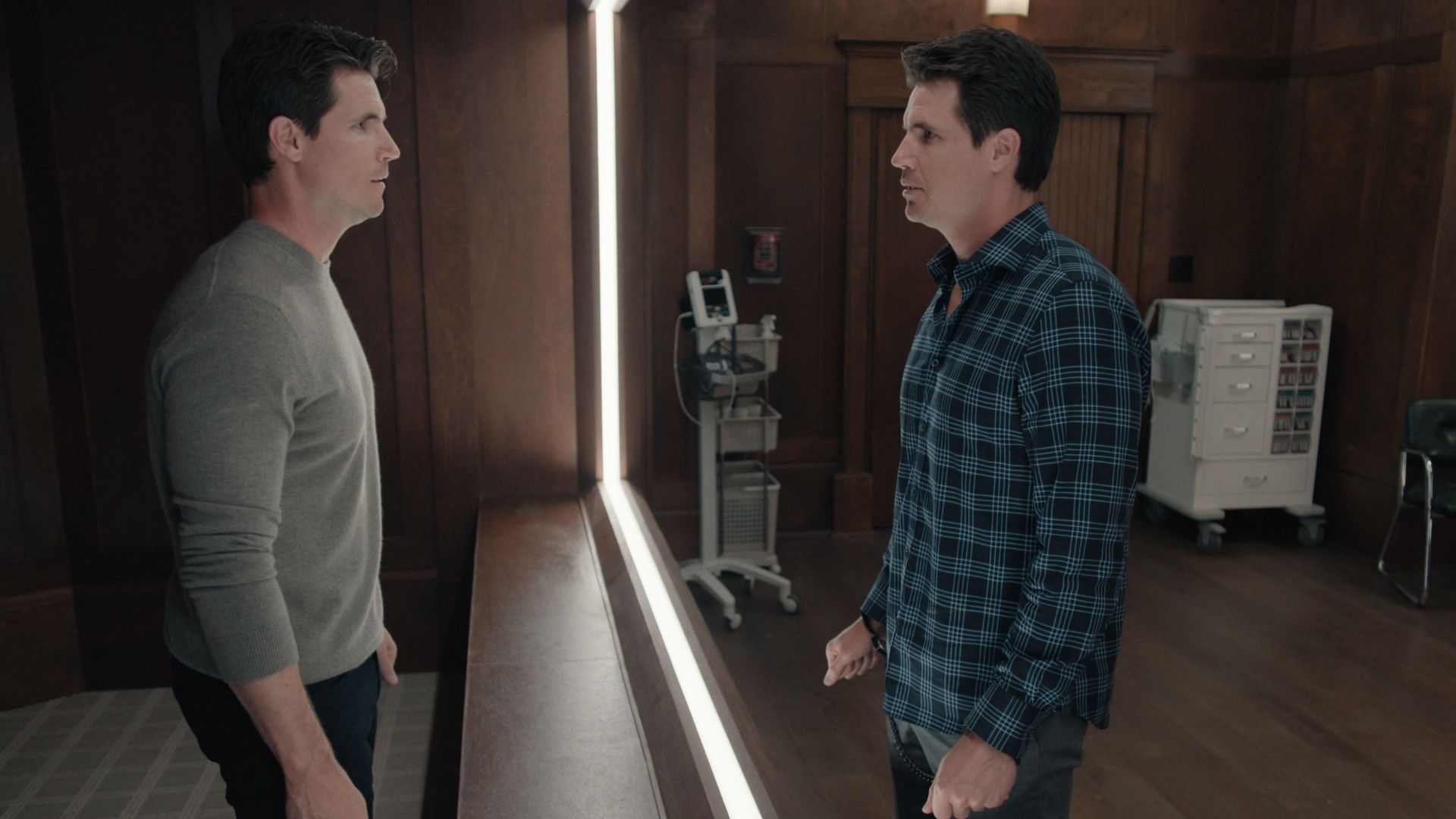
Greg Daniels, creator of the sci‑fi comedy Upload, explained how the show’s ending came together and why the series kept chasing fast‑moving tech trends. The four‑part series finale is streaming now on Prime Video, and Daniels discussed the finale’s AI plot, the love‑triangle resolution, and why he’s wary of how quickly technology is changing.
“We stumble into predictions an awful lot”
The writers of Upload tracked new tech closely, often using announcements from trade shows to shape episodes. As a result, some jokes and plot points have wound up looking prophetic. For example, Daniels said the writers once joked about “vape lung,” and that later became a real news topic.
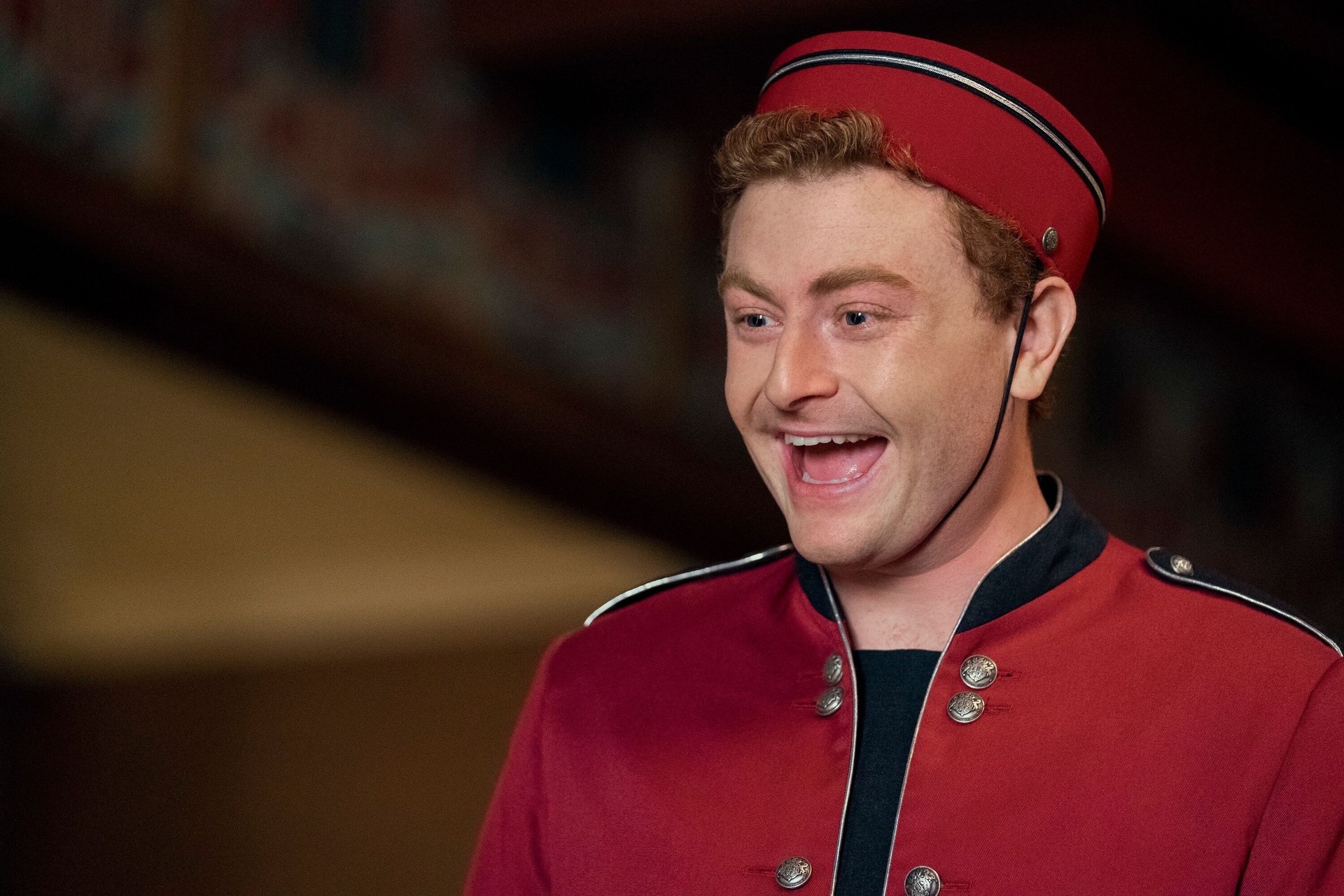
Moreover, AI became a central focus in season 4. Daniels said, “Technology is catching up so goddamn fast.” Consequently, the show’s AI character — A.I. Guy, played by Daniels’ son — was developed from “soulless and chipper” into something with deeper abilities. “We’d been slowly evolving the AI character,” Greg Daniels says, “starting as soulless and chipper, then gradually gaining depth through experience. This season, we leaned into the singularity — AI becoming as smart as or smarter than us.”
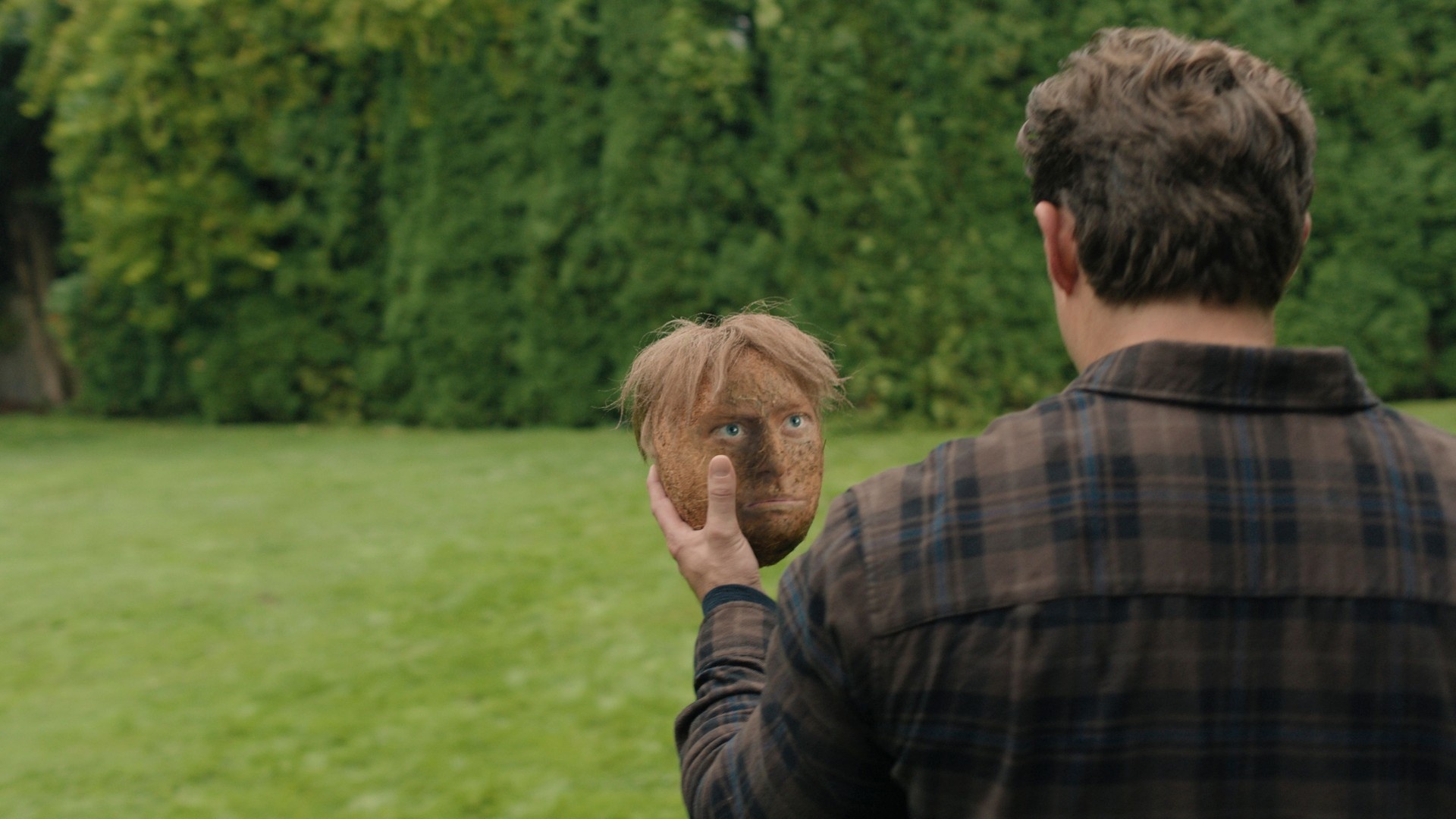
In season 4, Upload uses a real research idea — training AI to translate animal sounds — to explain a weird safety fix: after many self‑driving car accidents, engineers add a small gerbil as the driver that passengers can talk to through an app. At the same time, the finale includes an evil, dark‑haired version of A.I. Guy that gains sentience and tries to break out of the virtual resort. Ultimately, a benevolent A.I. Guy is the one who stops that threat.
Daniels discussed the show’s stance on AI values. He said, “The idea was there can be both good AI and bad AI,” and added, “I started thinking we should put AI back in the bottle, but realized that’s impossible. What matters is values. Like any new generation, if you don’t impart a sense of right and wrong, you get dystopia — even more so with AI. My worry is that tech companies aren’t focused on instilling values. Hopefully the show sparks some thought about that.”
Finally, Daniels noted his personal distance from the tech: he said he doesn’t use AI in his own life and that he hopes it will eventually hit a limit of usefulness. Still, he acknowledged the industry trend: “I’m sure it’ll have a huge impact on Hollywood,” he says, “but I’m not sure it’ll be good.”
“A meaningful and happy ending”
Daniels said Amazon allowed him to finish Upload’s story properly, which mattered to him after his last sci‑fi show, Space Force, ended on an unresolved cliffhanger. He recalled, “There’s an asteroid coming and then we didn’t get another scene,” he says. “That was definitely in my mind when working on Upload.”
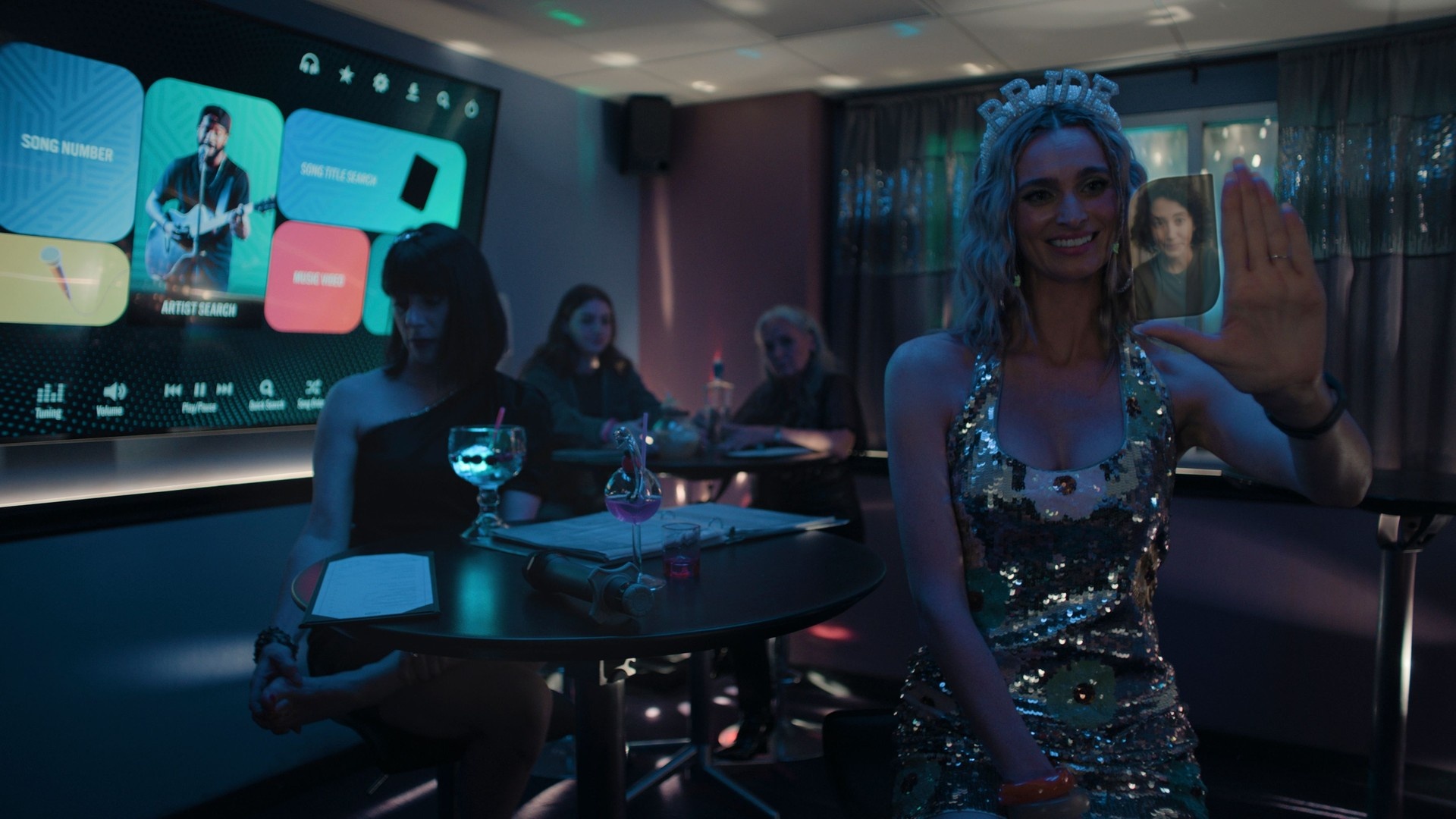
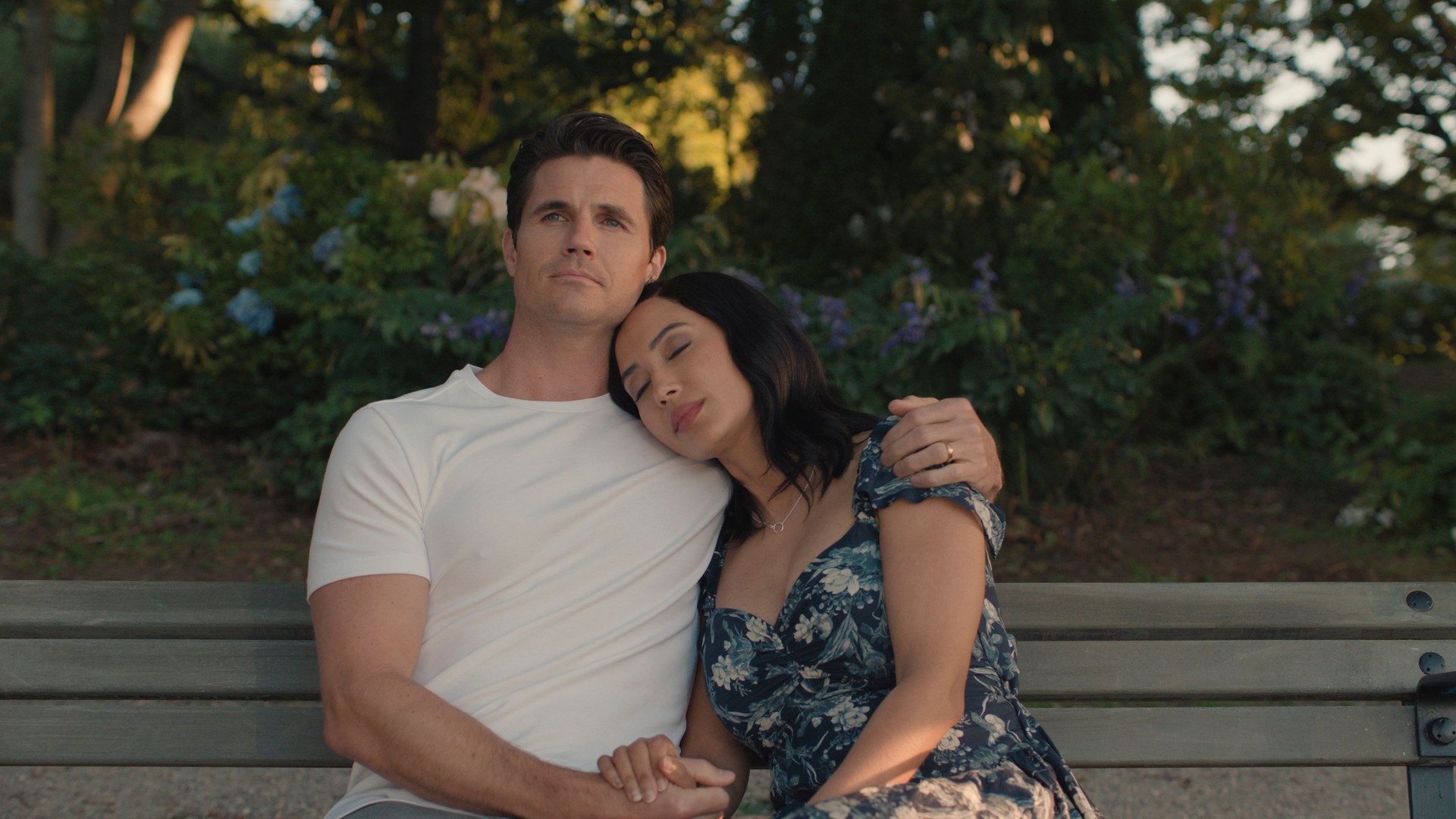
At its center, Upload has always been a love story between Nathan Brown, Nora Antony, and Ingrid Kannerman. Over four seasons, the show explored their relationships and choices. Nathan briefly returns to a human body, creating a situation where two versions of Nathan exist; in the end, only one survives, which leaves Nora grieving. Daniels described Ingrid’s arc simply: “Ingrid suffered and worked on herself,” he says.
Regarding Nora, Daniels argued her journey was deeper. “Nora’s journey was more profound than Ingrid’s,” he says. Then, near the finale, Nora finds a ring that contains a full backup of Nathan’s digital consciousness. Upload ends before showing what happens next, and Daniels invited viewers to fill in the rest: “The audience can imagine what comes next in their own fanfiction,” Daniels says. “People often say the difference between a happy and sad ending is just where you choose to frame the story,” he adds. “This is supposed to be framed as a meaningful and happy ending.”