Grounded 2 Was Built to Feel Finished From Day One — Why Obsidian and Eidos Took the Gamble
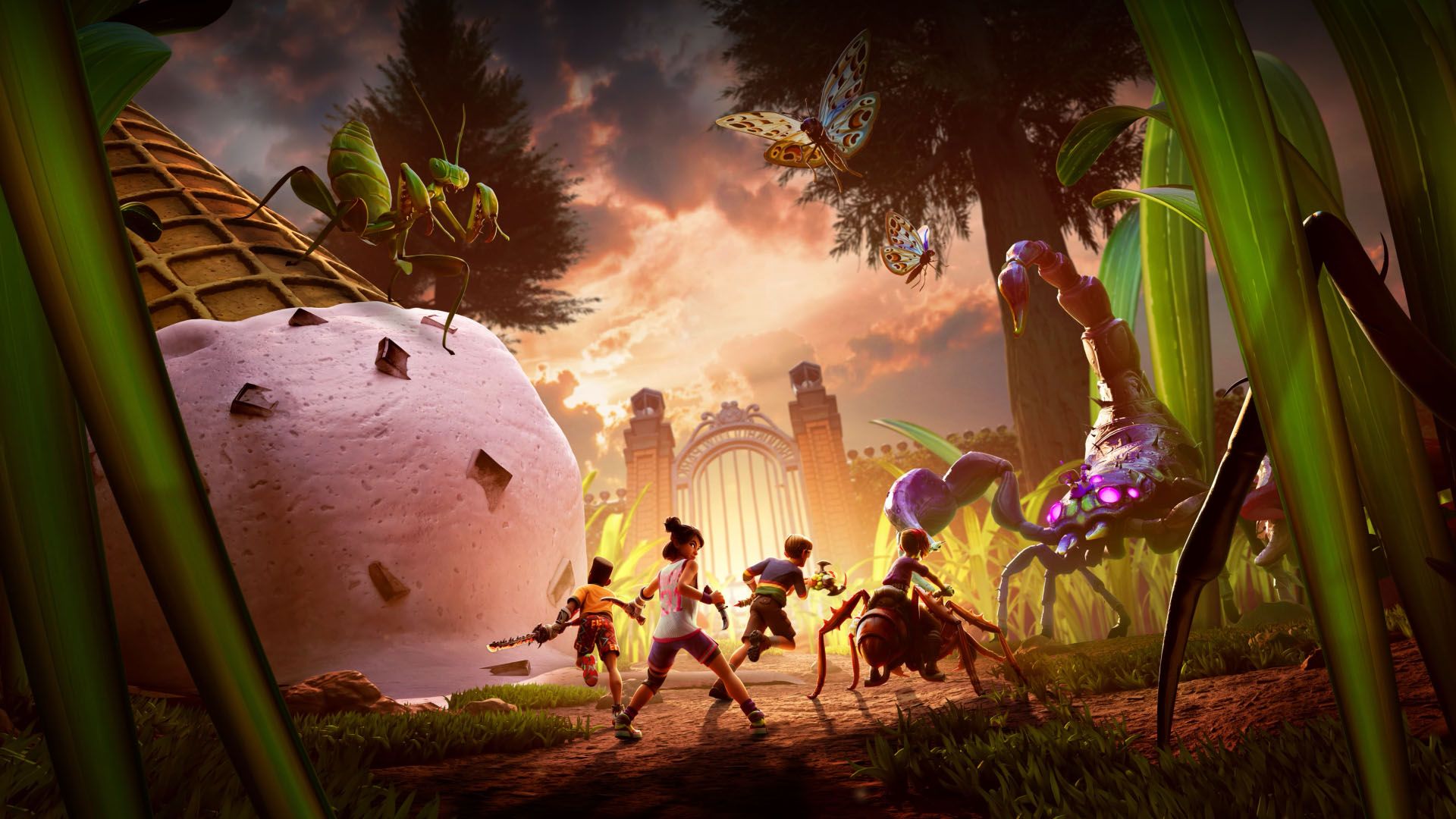
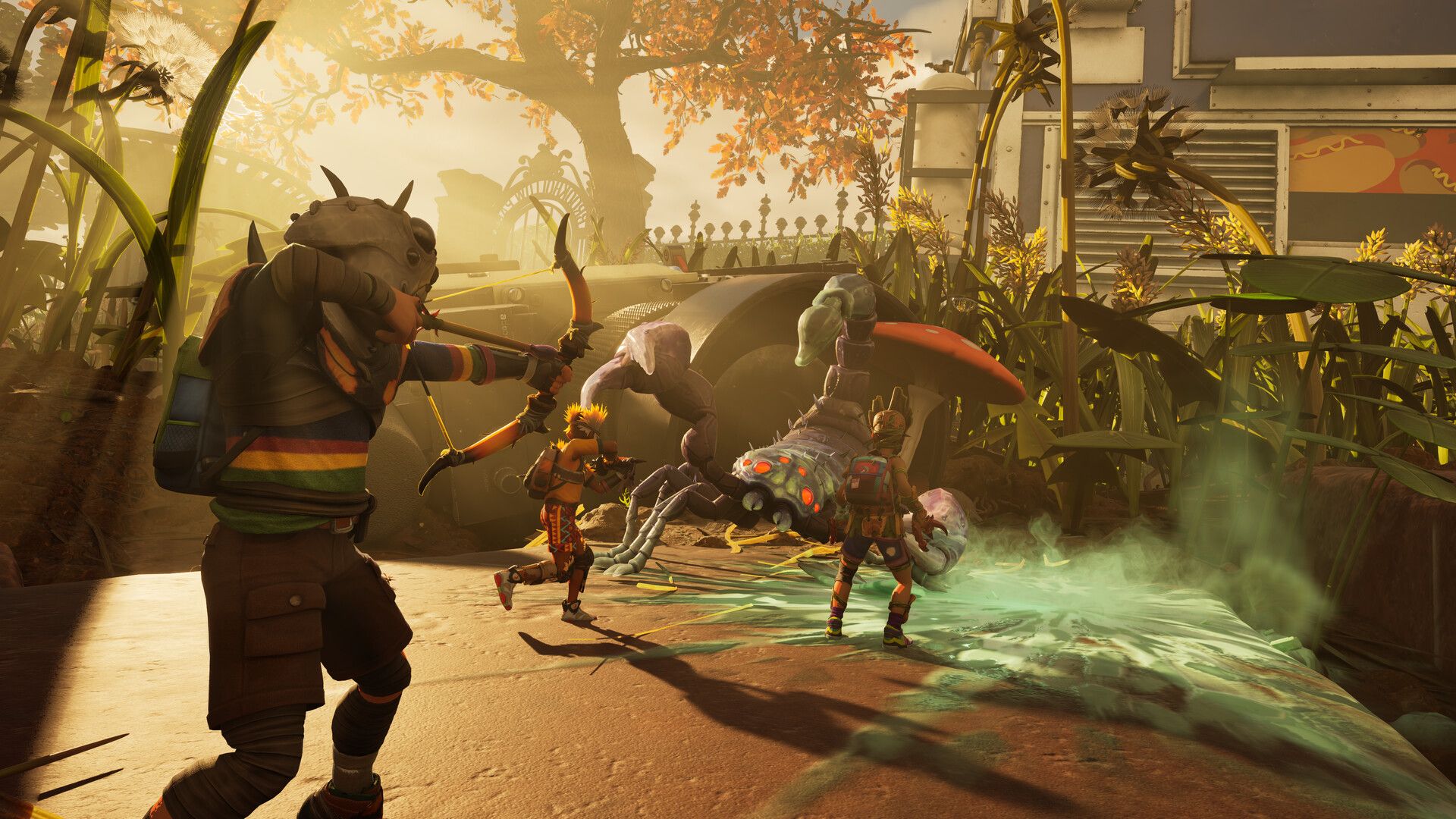
Obsidian Entertainment and Eidos Montreal launched Grounded 2 in early access on PC and in game preview on Xbox Series X. The two studios worked together on the sequel: Eidos Montreal handled most of the development work while Obsidian kept creative oversight and returned key original staff. The teams say they aimed to ship an early access build that already feels like a complete, satisfying experience — with a beginning, middle and end — and then expand it with community feedback.
- Who made Grounded 2 and how they split work.
- Why the project became a full sequel (technical and narrative reasons).
- How early access was scoped so the initial release feels “complete”.
- Creative influences and the tone the teams sought to keep.
- What’s in the launch build and how the teams plan to iterate with players.
Who built Grounded 2
Obsidian remained the IP owner and provided the core team and creative leadership, while Eidos Montreal handled the majority of artists, designers and engineers. As Chris Parker, game director at Obsidian, put it: “The majority of the heavy lifting is done in Eidos Montreal.” Meanwhile Justin Vazquez, creative director at Eidos Montreal, said the two studios collaborated across both high-level ideas and low-level work: “There isn’t anything that isn’t being touched by both studios to ensure that we are delivering the best experience for our players on Grounded 2.”
Why a sequel instead of more updates
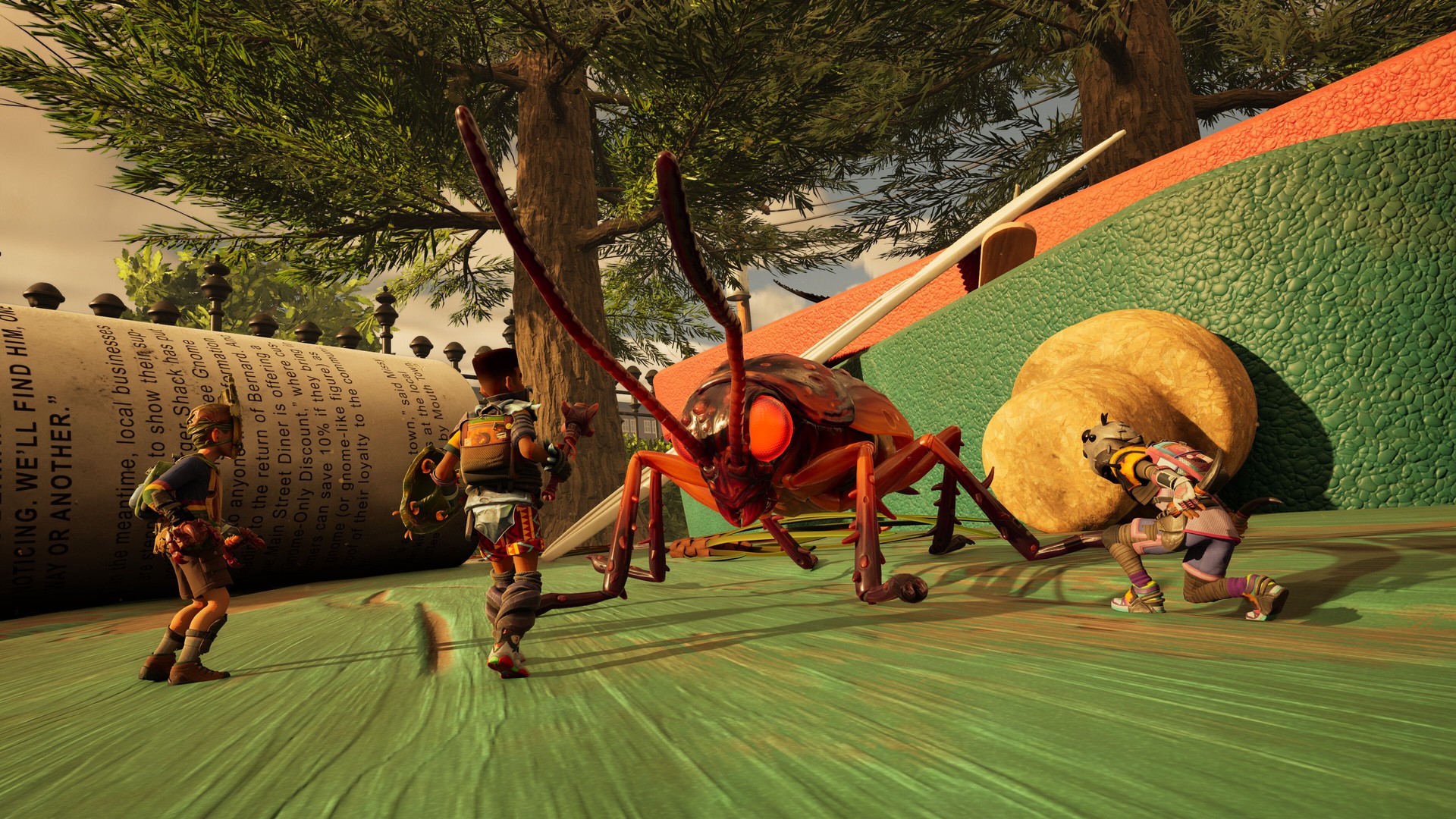
The teams cited two concrete reasons for making a distinct sequel. First, technical limits tied to the original game’s Xbox One-era build constrained how much the world could expand. Second, the developers considered the original Grounded’s story to have a clear arc (shrinking, surviving, going home), so they chose to continue the narrative with the same four teens aged forward a couple of years.
New features needed new tech
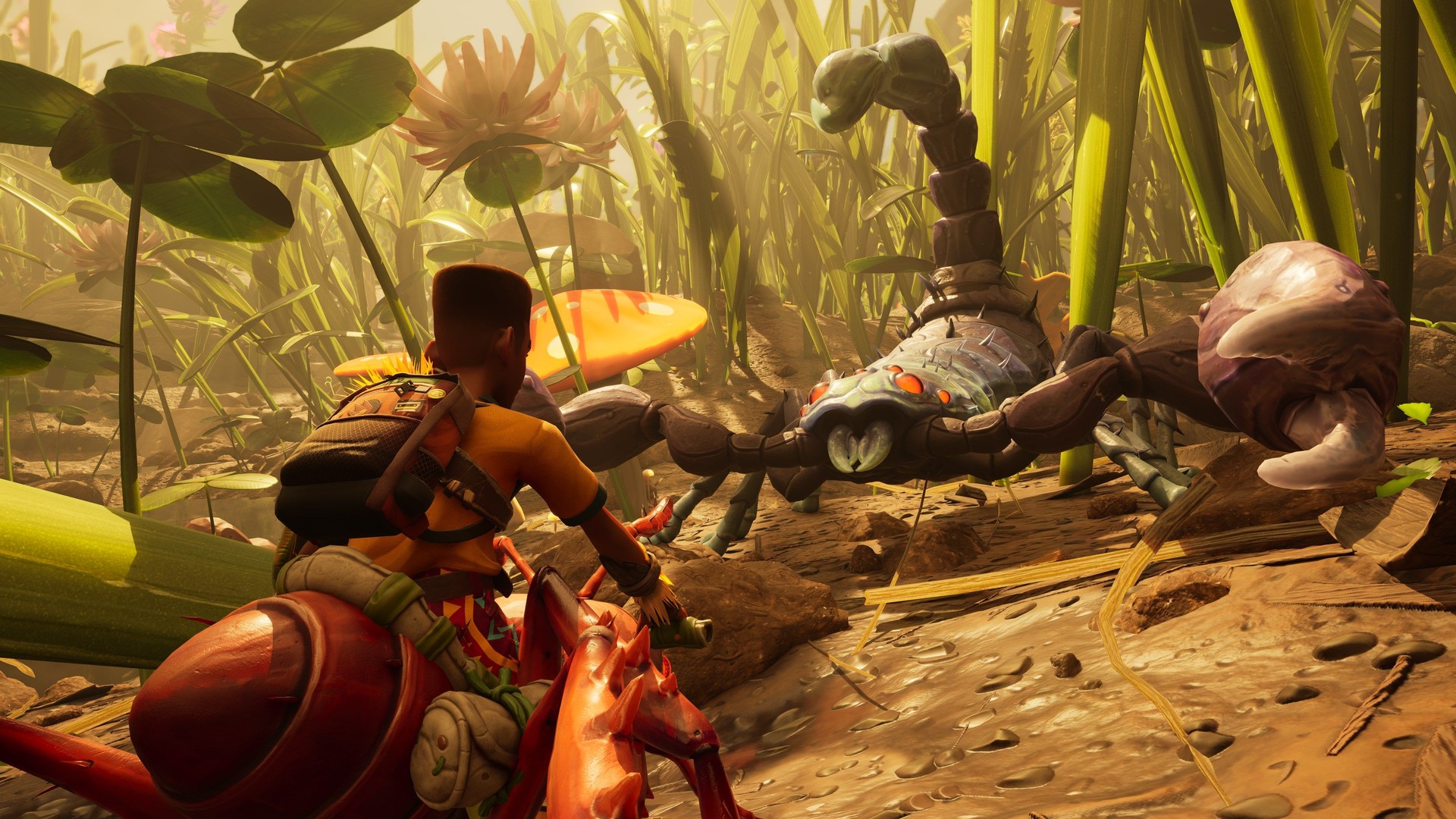
Certain planned features — most notably larger areas like the park and rideable insect “buggies” — required a new technical foundation. As Vazquez explained, “the park couldn’t exist without the buggies, and the buggies couldn’t exist without the park,” so the team rebuilt systems to support both.
Tone, target audience and influences
The developers kept Grounded’s mix of charm and danger. Obsidian’s Mitch Loidolt described the original balance as “a ton of fun with a teaspoon of terror,” and the team said they wanted to preserve that tone while aging the protagonists slightly so the story fits the new timeframe. The sequel leans into cinematic and genre influences: the teams referenced films like Honey, I Shrunk the Kids, Goonies and Gremlins, and they also noted creative inspiration from franchises such as Alien/Aliens for how a world can expand across entries.
Early access: launch goals and scope
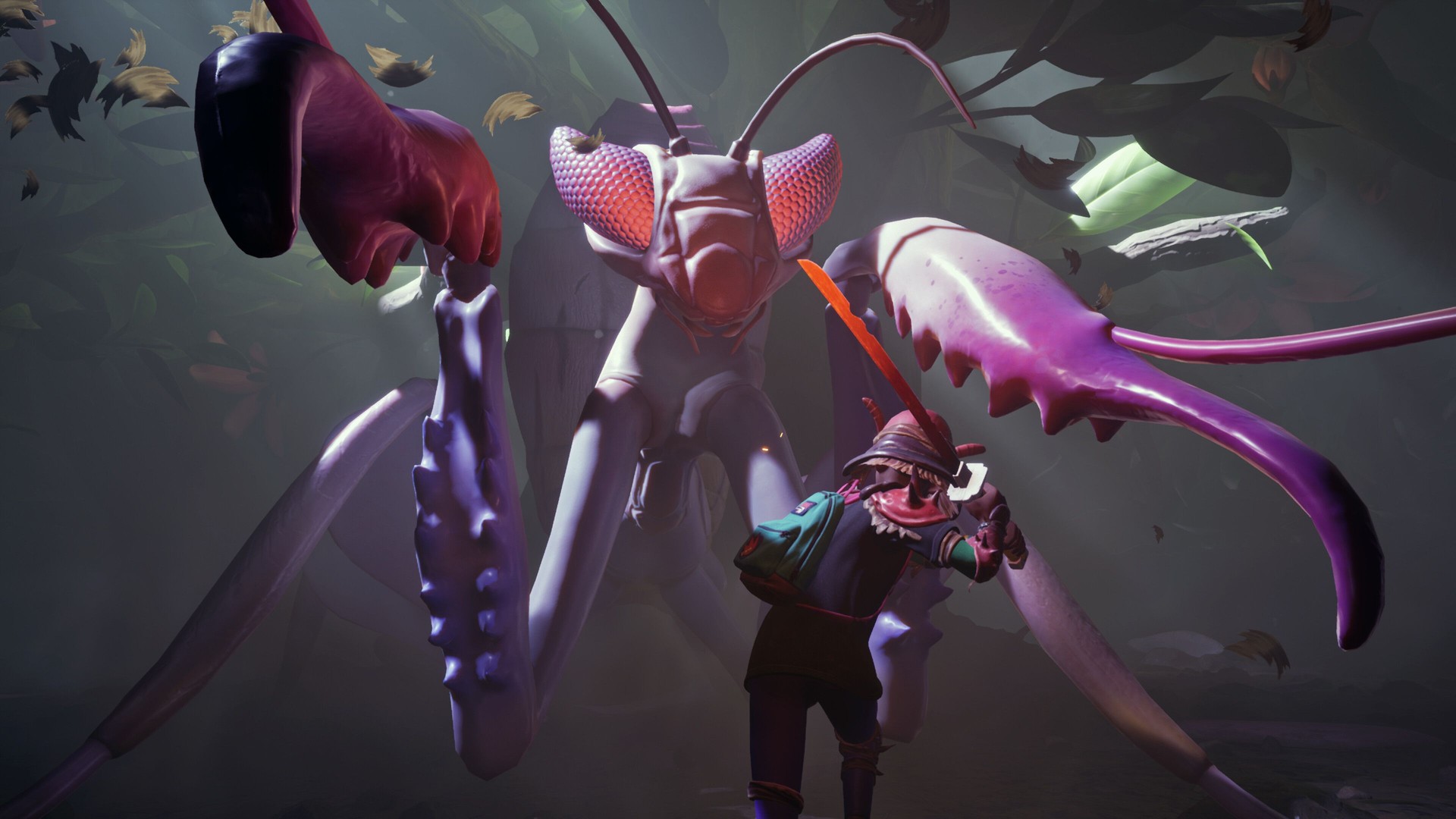
Both studios agreed the early access build should feel like a complete experience rather than a bare minimum. Practically, that meant shipping an initial product with a clear beginning, middle and end, plus enough mechanics and content to satisfy returning players so they would move from Grounded 1 to Grounded 2. The teams intentionally limited the number of new rideable insects in the first build to make player feedback more focused and actionable; for example, they shipped the red ant soldier and the Orb Weaver as representative ends of the gameplay spectrum.
Development approach and mindset
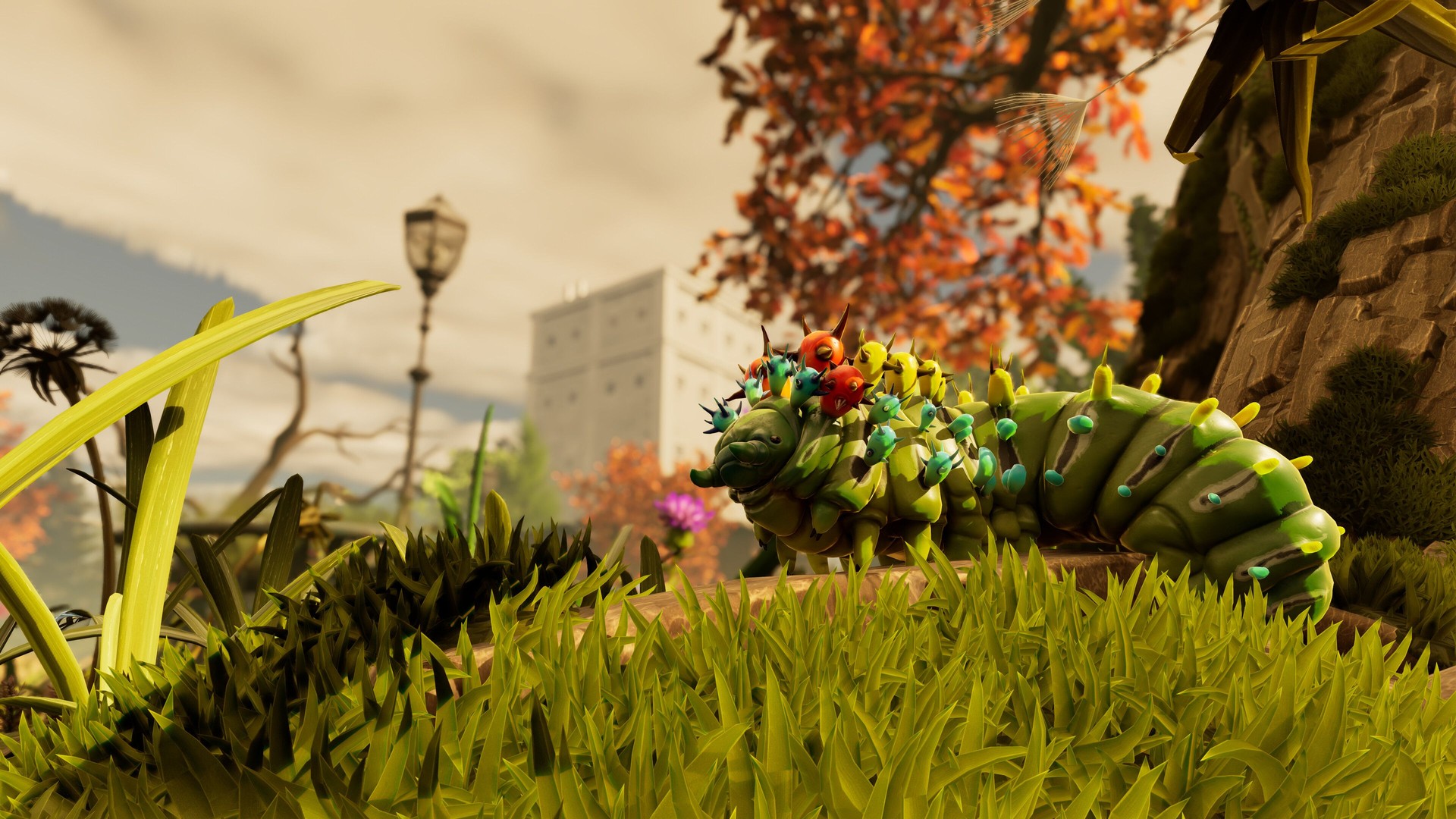
Developers noted a mindset shift between traditional boxed releases and live early access development. Vazquez said teams must “focus on the process and not the outcome” for sustainable live updates, while Parker added that early access is “the beginning” for ongoing iteration. The studios planned internal milestone builds every few months to align both teams and to validate features before player testing.
What’s available now
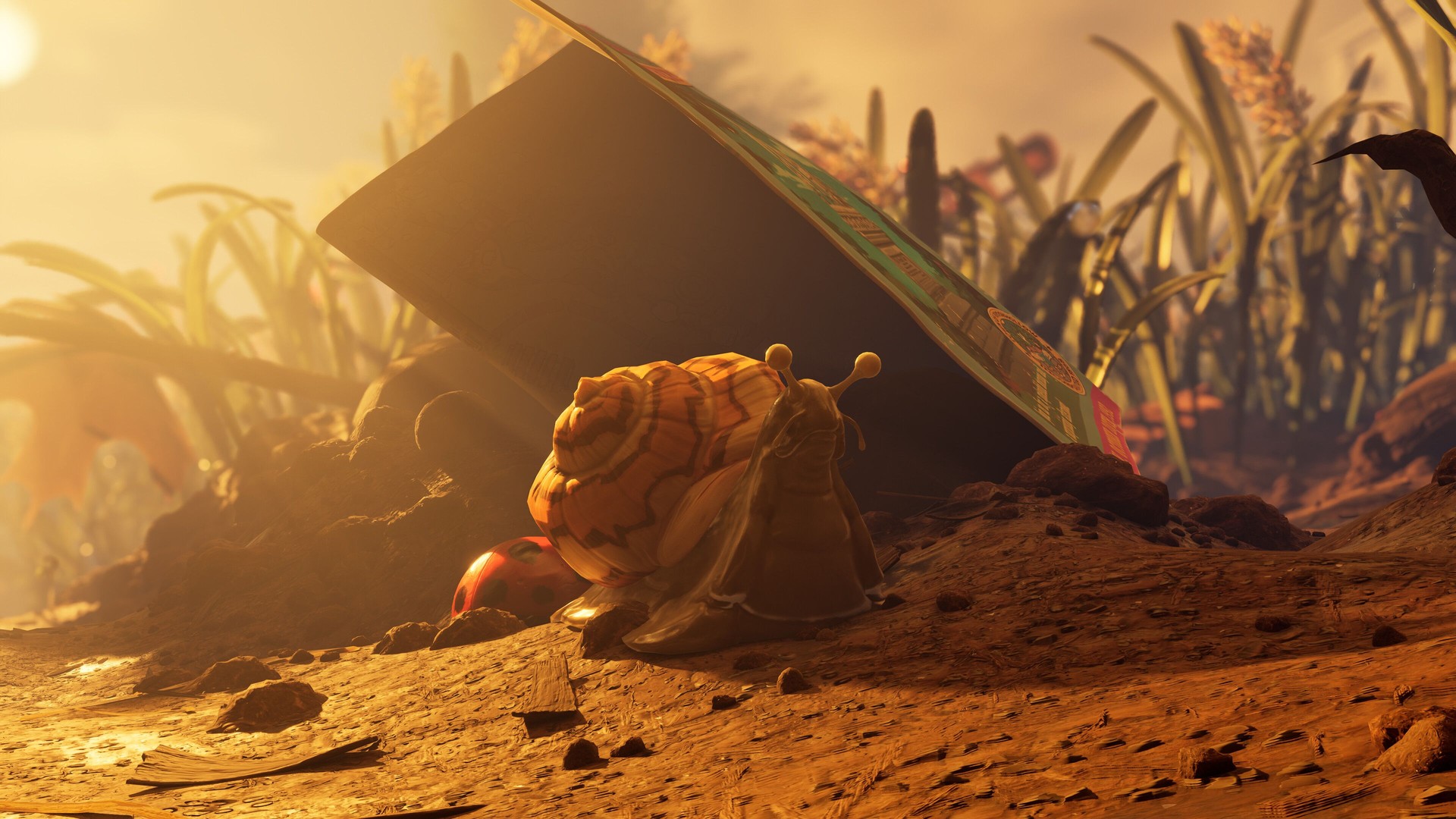
Grounded 2 is available in early access on PC and in game preview on Xbox Series X. The launch build includes core story content, the park area and an initial set of buggies and enemy types, and the developers plan to expand the world and mechanics over time using community feedback collected during early access.