Hades 2 Shows Why Every Hades Clone Falls Short — It’s All in the Details
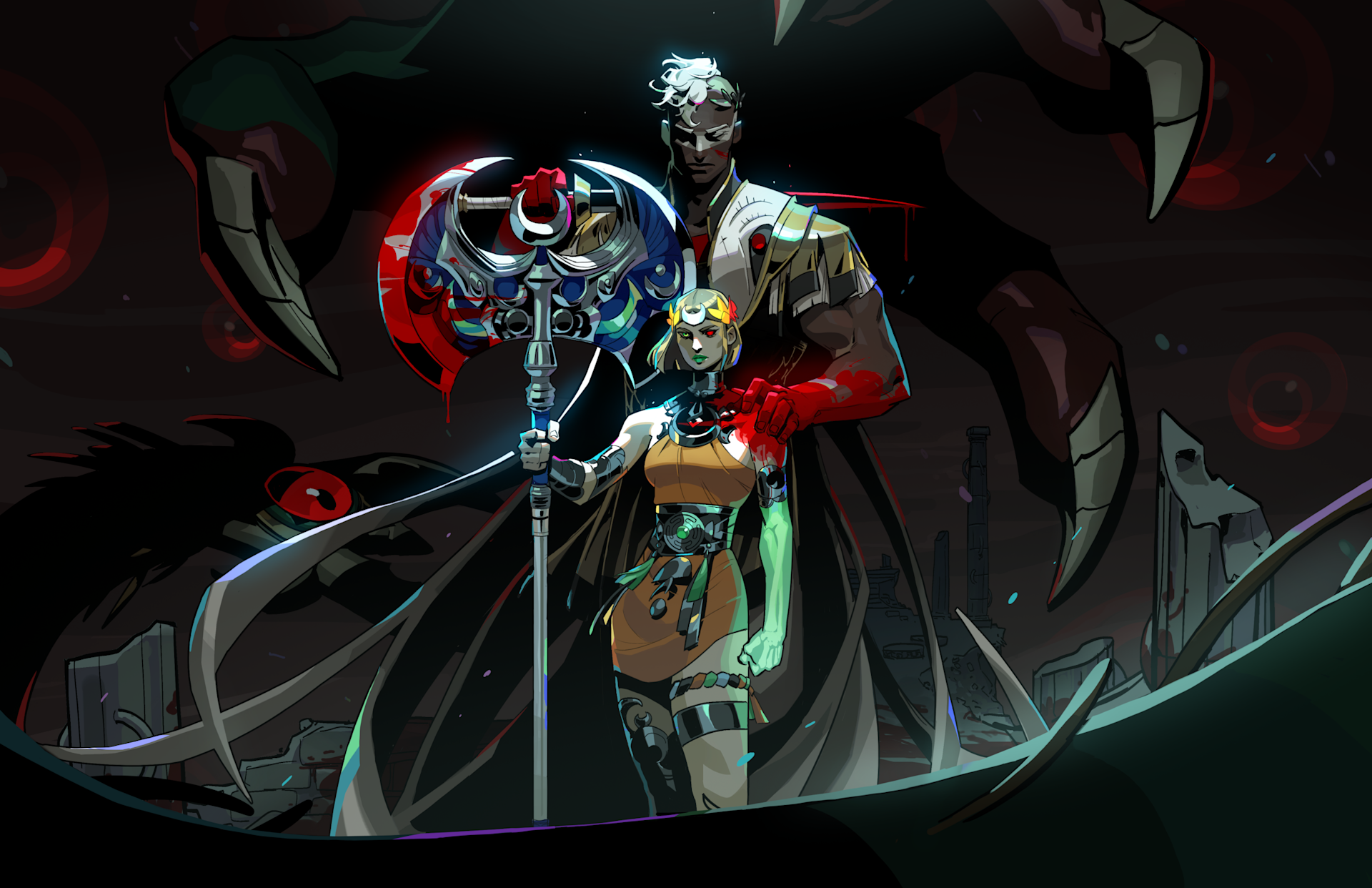
Hades 2 continues Supergiant’s approach to top-down roguelike action, and it highlights which specific design choices other recent imitators have not fully copied.
- Overview of the recent trend
- What Hades 2 keeps from Hades
- How other roguelikes differ
- Examples of similar games
- Conclusion
Overview of the recent trend
Hades released in 2020 and inspired a number of top-down roguelike games that copied parts of its loop. Core elements many of those games share include a central hub area, runs made up of room-by-room combat, a shop or vendor layer during runs, boss encounters, and permanent meta progression that persists between runs.
What Hades 2 keeps from Hades
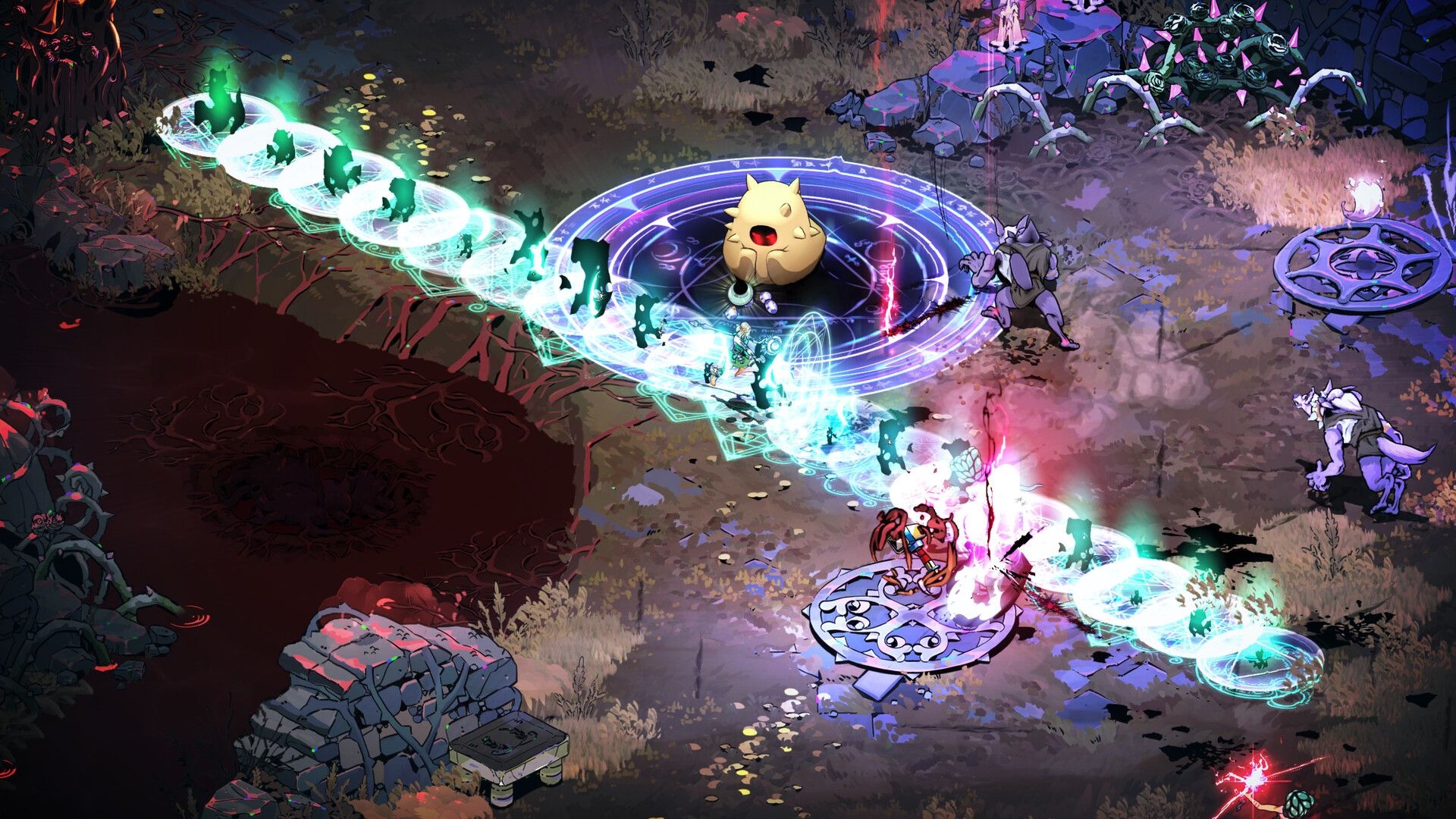
Hades 2 preserves several concrete systems from its predecessor. First, it uses a central hub where players can interact with characters and buy permanent upgrades. Second, runs are structured around rooms and encounters that lead toward bosses. Third, the game contains a large set of temporary boons that players pick up during runs; those boons can change how attacks and abilities function, not only numeric stats.
In addition, the game presents densely illustrated hub areas and fully voiced character interactions. These are implemented as part of the game world rather than as minimal UI elements, and they appear in the hub scenes between runs. These elements are part of the delivered game content and are observable by players.
How other roguelikes differ
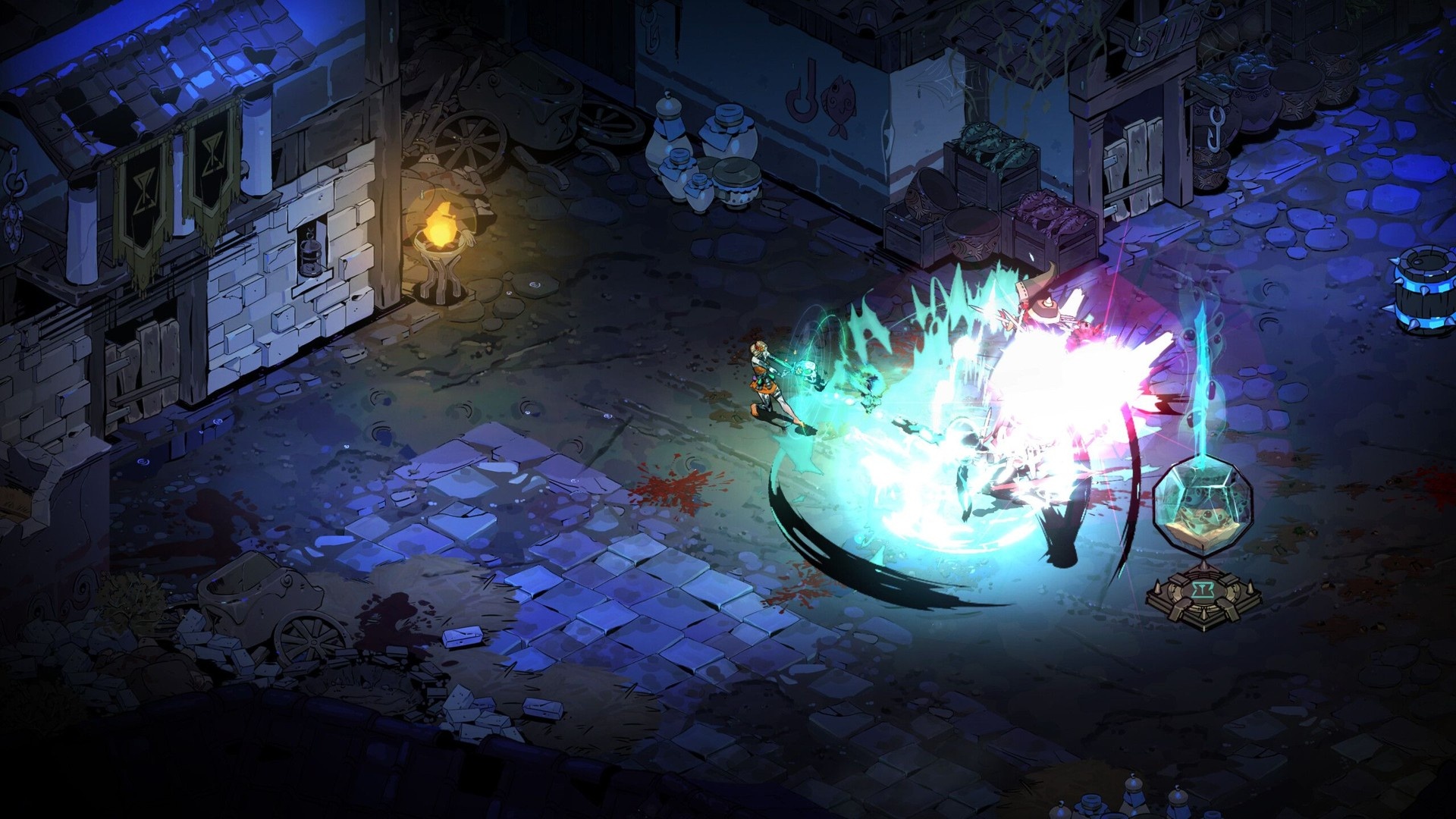
Many titles replicate the broad Hades pattern — hub, shops, upgrades, and runs — but they do not always reproduce the same level of mechanical variety from run to run. Concretely, some games provide upgrades that mainly modify numerical values (for example, increasing damage or adding a status effect) while leaving a weapon’s primary behavior unchanged. Hades 2’s boons, by contrast, are implemented to reconfigure attacks and playstyles so that one button can perform in multiple, distinct ways across different runs.
Examples of similar games
Recent roguelike or roguelite titles that drew from Hades’ approach include Teenage Mutant Ninja Turtles: Splintered Fate, a Callisto Protocol spinoff listed on Steam as Redacted, and Lost in Random: The Eternal Die. These games share structural features — such as run-based progression and a hub area — but their upgrade systems and run-to-run mechanical variety differ from Supergiant’s implementation.
Conclusion
In short, Hades 2 keeps the hub + run + meta progression structure that became influential after 2020, but it also emphasizes dense hub presentation and boon designs that change how the player plays each run. Meanwhile, several games inspired by Hades reproduce the high-level loop but not always the same depth of mechanical variation per run.